
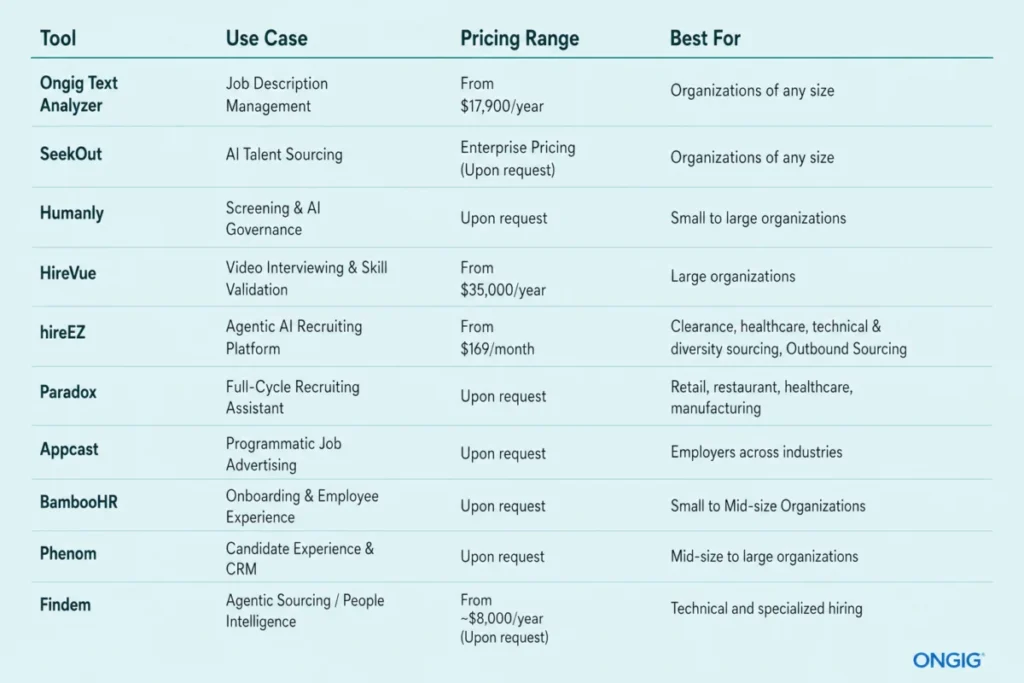
The year 2026 marks a profound paradigm shift in the realm of recruitment, driven by the relentless advancement of Artificial Intelligence. What began as AI-assisted workflow tools – recommending candidates, flagging biases, or drafting job descriptions – has matured into a sophisticated ecosystem of autonomous, "agentic" AI solutions. These advanced systems now independently engage candidates, conduct initial screenings via voice or chat interfaces, and even schedule interviews without direct human intervention, fundamentally reshaping traditional hiring methodologies. This technological leap, while offering unprecedented efficiencies, simultaneously introduces a new layer of responsibility, with stringent regulations like the EU AI Act and burgeoning U.S. state-level legislation now governing the ethical and legal parameters of AI in hiring decisions. Organizations embracing these innovations are therefore compelled to understand not just the capabilities of these tools, but also the critical legal and ethical boundaries within which they must operate.
A Chronology of AI’s Ascent in Talent Acquisition
The journey of AI in recruitment has been one of rapid evolution. In the early 2020s, AI primarily served as a supplementary aid, enhancing human recruiters’ workflows. Tools were designed to automate repetitive tasks, such as initial resume parsing, generating boilerplate job descriptions, or providing analytical insights into candidate pools. The focus was on augmenting human capabilities, helping recruiters sift through large volumes of data more efficiently and identify potential biases in language.
By 2024-2025, the concept of "AI-assisted" began to transition into "AI-driven." Machine learning models became more sophisticated, capable of not just flagging but actively suggesting improvements to job descriptions for inclusivity. Candidate matching algorithms moved beyond keyword searches to contextual understanding of skills and experiences. The foundation for more autonomous systems was being laid, as AI started to take on more complex, interactive roles in the hiring funnel.
The year 2026 signifies the era of "agentic AI" in recruitment. These systems are characterized by their ability to act with a degree of independence, making decisions and initiating actions based on predefined goals and learning from interactions. This means AI can now proactively reach out to potential candidates, engage them in two-way conversations (both text and voice), conduct preliminary evaluations, and manage the intricate logistics of interview scheduling across multiple calendars and time zones. This shift is not merely about automation but about intelligent automation, where AI agents are empowered to drive parts of the recruitment process from start to finish.
The Regulatory Framework and Ethical Imperatives
Accompanying this technological surge is a burgeoning regulatory landscape. The EU AI Act, a landmark piece of legislation, sets a global precedent for governing AI, particularly in high-risk applications such as employment. This act mandates strict requirements for transparency, data governance, human oversight, and bias mitigation. Similarly, various U.S. states have begun enacting their own legislation, requiring disclosures about AI use in hiring, mandating bias audits, and ensuring candidate recourse.
Industry analysts emphasize that compliance is no longer an afterthought but a core design principle for AI hiring tools. Systems in 2026 are increasingly built with "Governance" and "Audit-ready" records, crucial for demonstrating adherence to these global transparency laws. The emphasis is on "Explainable AI" (XAI) features, ensuring that the rationale behind AI-driven decisions, especially candidate scoring, is clear and understandable, mitigating concerns about opaque algorithms and potential discrimination. HR leaders are actively seeking solutions that not only streamline operations but also bolster their organization’s commitment to fair and equitable hiring practices.
Strategic Implementation: Integrating AI into Organizational DNA
For organizations contemplating or expanding their use of AI in hiring, a strategic and structured approach is paramount. This involves more than just adopting a new tool; it requires a cultural shift and careful integration into existing HR ecosystems. Experts recommend several key strategies:
- Define Clear Goals: Before investing in any AI solution, organizations must precisely articulate their hiring challenges and desired outcomes. Whether it’s reducing time-to-hire, improving candidate quality, enhancing diversity, or streamlining specific stages, clear objectives guide tool selection.
- Start with Pilot Programs: Implementing AI in phases allows organizations to test efficacy, gather feedback, and iterate before a full-scale rollout. A pilot can identify unforeseen challenges and fine-tune processes.
- Invest in Training and Upskilling: Recruiters and hiring managers need comprehensive training to effectively utilize AI tools, understand their outputs, and maintain human oversight. This also involves reskilling staff to focus on higher-value, strategic tasks that AI cannot perform.
- Prioritize Data Privacy and Security: With AI processing vast amounts of candidate data, robust data protection measures and compliance with global privacy regulations (like GDPR and CCPA) are non-negotiable.
- Continuous Monitoring and Auditing: AI models require ongoing monitoring for performance, bias drift, and compliance. Regular audits are essential to ensure fairness and prevent unintended discriminatory outcomes.
- Seamless Integration: AI tools should integrate smoothly with existing Applicant Tracking Systems (ATS) and other HR platforms to create a unified and efficient workflow, avoiding data silos and operational friction.
- Maintain Human Oversight: Despite the rise of agentic AI, the principle of "human in the loop" remains critical. Final hiring decisions should always involve human judgment, leveraging AI for data-driven insights but reserving the ultimate choice for human discernment to prevent the unintended "recruiting bots to hire bots."
Leading Technologies Shaping the 2026 Recruitment Landscape
The market for AI recruitment tools is booming, with Market Research Future projecting the industry to grow from USD 660.23 million in 2025 to USD 1,289.13 million by 2035. This growth is fueled by a diverse array of platforms addressing specific stages of the talent acquisition process.
-
Job Description Management: Ongig Text Analyzer
Ongig Text Analyzer stands out as a critical tool for ensuring inclusive and effective job descriptions. Leveraging AI, it not only drafts JDs rapidly from a simple job title but also meticulously analyzes them for biased language, gendered terms, exclusionary jargon, and other problematic phrasing. Its core mission is to eliminate bias at the very first touchpoint with a candidate, thereby broadening talent pools and promoting equitable hiring. The tool provides real-time feedback, highlighting areas of concern and suggesting alternative, inclusive language, a feature vital for compliance in the current regulatory environment. -
Candidate Sourcing: SeekOut & Findem
- SeekOut has cemented its position as a premier sourcing platform, offering access to over 750 million public profiles, including a significant focus on 330 million underrepresented candidates. Its "Skills-Based Sourcing" differentiates it, allowing recruiters to identify talent based on demonstrated abilities rather than just traditional credentials. In 2026, SeekOut offers two core products: ‘Recruit,’ an AI-powered platform for searching vast candidate profiles, and ‘Spot,’ which pairs AI agents with SeekOut’s own recruiters to deliver interview-ready candidates, showcasing a blend of AI and human expertise.
- Findem has emerged as the 2026 gold standard for "Agentic Sourcing" and "People Intelligence," particularly for technical talent. It constructs a "3D view" of each candidate by pulling data from hundreds of sources, tracking career trajectory, and predicting future performance. This allows for "hyper-personalized" sourcing, where AI autonomously identifies, scores, and ranks candidates, freeing recruiters to focus on strategic engagement. Findem’s ability to provide deeper context on candidates also enables highly targeted outreach, moving beyond generic cold emails.
-
Candidate Screening: Humanly & Paradox
- Humanly offers an AI-powered end-to-end hiring platform, with a particular strength in screening. Its machine learning capabilities enable it to hold natural conversations with candidates, summarizing these interactions directly into the ATS. Crucially for 2026, Humanly emphasizes its "Governance" and "Audit-ready" records, vital for complying with new global AI transparency laws. It can even join Zoom interviews, take notes, and provide valuable insights, streamlining the initial assessment phase.
- Paradox, through its HR chatbot "Olivia," specializes in automated candidate engagement and screening. Olivia can converse in over 100 languages, scheduling interviews, answering FAQs, and conducting initial screenings via web chat, SMS, Facebook Messenger, and WhatsApp. Paradox leverages AI to match applicants to relevant job openings based on their qualifications and preferences expressed during these conversations, and then autonomously schedules follow-up interviews, handling rescheduling requests with ease.
-
Interviewing: HireVue
HireVue remains a leader in AI-powered video interviewing. In 2026, its focus has shifted significantly towards "Video Interview Analytics" that go beyond mere transcription to "Actionable Skill Validation," allowing companies to hire based on demonstrated ability rather than just academic degrees. A major enhancement has been in its "Explainable AI" features, designed to meet the transparency demands of 2025/2026 global AI regulations regarding candidate scoring, providing clarity on the AI’s assessment process. It offers both asynchronous and live video interviews, alongside conversational AI for candidate guidance. -
Outbound Recruiting: hireEZ
hireEZ has evolved into an "Agentic AI Recruiting Platform" focused on outbound hiring. It scans a database of over 100 million profiles to identify qualified applicants. Its "Hiring Intelligence" module offers robust market insights, providing data on labor market availability, salary ranges, and talent hotbeds based on uploaded job descriptions. hireEZ also excels in diversity sourcing, filtering for underrepresented groups based on university affiliations, diversity organization memberships, and pronoun usage, and assists in crafting targeted, automated outreach emails designed for high response rates. -
Programmatic Job Advertising: Appcast
Appcast leads the programmatic job advertising space, with its "AppcastOne" system launching in 2026. This AI-driven platform uses predictive analytics to estimate "Cost-per-Hire" even before advertising spend, optimizing budget allocation. AppcastOne employs a mix of search engines, automated advertising, traditional media, and social media to reach both active and passive job seekers across more than 100 countries and 30,000+ job boards, ensuring employers only pay when candidates apply. -
Talent Experience Management: Phenom
Phenom offers a comprehensive talent experience platform designed to manage the entire candidate journey within a single system. Recognizing that 66% of candidates are influenced by a positive hiring experience, Phenom aims to close the gap created by poor communication. Its AI-powered career site surfaces relevant roles to visitors, while its chatbot screens candidates, answers questions, and keeps them engaged. The integrated CRM allows recruiters to nurture relationships over time, ensuring strong candidates are not lost, thereby improving candidate satisfaction and acceptance rates. -
Employee Onboarding: BambooHR
While primarily an HR platform, BambooHR integrates AI-driven features into its onboarding module, making the post-hire process seamless. It supports customized onboarding workflows based on job role, location, and department, automating tasks and assigning responsibilities to new hires, managers, and supporting staff. Features like digital welcome emails, pre-boarding packages, e-signatures, and IT checklists ensure new employees are integrated quickly and efficiently, eliminating cumbersome paper-based processes and accelerating productivity.
Market Outlook and Broader Implications
The SHRM’s "The State of AI in HR in 2026" report indicates that 39% of organizations have already integrated AI into their HR functions, with recruitment leading at 27% adoption. This trend is expected to accelerate as AI tools become more sophisticated, compliant, and user-friendly. The implications extend beyond mere efficiency gains; AI is fundamentally reshaping the role of the recruiter, transitioning it from a transactional gatekeeper to a strategic talent advisor focused on candidate experience, relationship building, and ethical AI deployment.
The widespread adoption of agentic AI in recruitment also raises broader societal questions about the future of work, skill development, and equitable access to opportunities. As AI takes on more autonomous roles, the emphasis on human-centric skills like critical thinking, empathy, and creative problem-solving will only grow. The year 2026 represents a pivotal moment, where the promise of AI-driven recruitment for speed and precision must be carefully balanced with the imperative for fairness, transparency, and human dignity, guiding organizations towards a more intelligent and equitable talent landscape.






