Non-monetary rewards, encompassing elements like recognition, opportunities for growth, and a sense of purpose, are increasingly recognized as the cornerstones of employee satisfaction and long-term commitment. These intrinsic motivators often resonate more profoundly and endure longer than the immediate gratification of a paycheck. This concept is frequently referred to as "emotional salary," representing the intangible yet crucial aspects of compensation that foster a genuine sense of value among employees. When this emotional salary is robust, organizations benefit from a more engaged, higher-performing, and loyal workforce.
The heightened importance of non-monetary rewards in today’s professional landscape stems from a fundamental shift in employee priorities. While financial compensation remains a critical factor, it is no longer the sole determinant of employee retention, growth, or advocacy. Research consistently indicates that meaningful recognition, often specific and personalized, leaves a more indelible mark than monetary bonuses alone. A 2026 study by the Achievers Workforce Institute, for instance, found that while only 11% of HR leaders reported that their organizations commonly implement non-monetary perks such as flexible work arrangements and additional time off, a significant 44% of employees cited their most impactful recognition experiences as being non-monetary in nature.
This divergence highlights a critical understanding for modern organizations: compensation alone cannot fully explain why employees choose to stay, develop professionally, champion their employers, or consistently exceed expectations. Factors such as authentic recognition, a strong sense of connection with colleagues, robust opportunities for career advancement, and the flexibility to maintain a healthy work-life balance all contribute significantly to an employee’s perceived value. When these elements are lacking, even a competitive salary may struggle to sustain long-term employee engagement.
The strategic integration of both monetary and non-monetary rewards is crucial for maximizing organizational outcomes. The most successful organizations are those that harmoniously blend tangible incentives with meaningful recognition programs. This approach ensures that desired behaviors and core company values are reinforced through genuine appreciation, while simultaneously offering rewards that employees can personalize through a diverse marketplace of experiences, travel opportunities, merchandise, charitable giving, and other flexible options. This dual strategy addresses both the practical needs and the emotional aspirations of the workforce, creating a more holistic and impactful reward system.
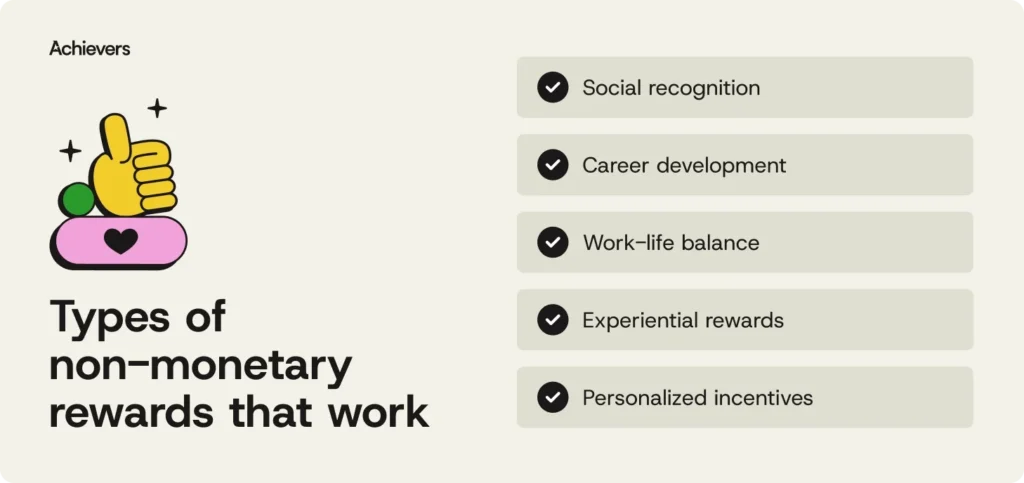
The Evolving Landscape of Employee Appreciation: Five Pillars of Non-Monetary Rewards
The modern workplace is increasingly recognizing the multifaceted nature of employee motivation. Beyond the fundamental requirement of fair pay, a growing body of evidence points to the profound impact of non-monetary incentives. These elements, often overlooked in traditional compensation models, are now being strategically deployed to cultivate a more engaged and satisfied workforce.
1. The Power of Social Recognition: Building Connection and Belonging
Social recognition, the act of acknowledging an employee’s contributions publicly or within their immediate team, plays a pivotal role in fostering a sense of inclusion and strengthening interpersonal relationships. When colleagues and managers alike offer praise and appreciation, employees feel seen and valued by the people they interact with daily. This not only reinforces positive behaviors that contribute to a strong organizational culture but also cultivates deeper connections among team members.
The impact of regular social recognition is substantial. According to the 2026 State of Recognition Report, employees who receive weekly recognition are a remarkable 4.2 times more likely to feel included and 4.6 times more likely to report strong coworker connections. This underscores recognition as one of the most potent drivers of belonging in the workplace, a crucial element for employee well-being and productivity.

2. Cultivating Growth: Opportunities for Career Development
Investing in an employee’s future through career development opportunities stands out as one of the most valuable non-monetary rewards. It signals to employees that their organization is committed to their long-term professional journey and personal growth. This commitment can manifest in various forms, including training programs, mentorship opportunities, access to challenging projects, and clear pathways for advancement.
The synergy between recognition and employee development is undeniable. The same 2026 State of Recognition Report found that employees who receive weekly recognition are 11.7 times more likely to receive coaching and 8.6 times more likely to feel their manager actively supports their growth aspirations. When recognition becomes a regular leadership practice, it naturally opens the door for more frequent and meaningful development conversations, providing employees with clearer roadmaps for their career progression within the organization.
3. Fostering Flexibility: Embracing Work-Life Balance
The pursuit of a healthy work-life balance remains a cornerstone of effective non-monetary reward strategies. Companies that offer flexible work schedules, comprehensive wellness initiatives, additional paid time off, and genuine support for employees’ personal priorities demonstrate a profound level of trust and reinforce the understanding that individuals are multifaceted beings, not merely job titles.
The impact on employee well-being is significant. Compared to their less appreciated and engaged counterparts, employees who feel valued are an astonishing 47 times more likely to report feeling supported in their overall well-being, according to the 2026 Engagement and Retention Report. Recognition plays an integral role in how employees perceive and experience their well-being at work, amplifying the positive effects of flexible work arrangements.
4. Creating Lasting Memories: The Appeal of Experiential Rewards
Experiential rewards offer a unique avenue for creating lasting memories that become intrinsically linked to the moments of recognition. These rewards often feel more personal and impactful than tangible gifts because they are tied to meaningful experiences.
Employees consistently express a strong preference for rewards that offer flexibility and choice. Research from the Achievers Workforce Institute in 2026 indicated that employees believe access to a rewards marketplace positively influences behavior (30%) and aids in retention efforts (30%). Experiences such as travel, tickets to exclusive events, unique team outings, or engaging activities often resonate more deeply than standard merchandise, forging stronger emotional connections between the employee, the recognition, and the employer.
5. The Power of Personalization: Tailoring Incentives to Individual Needs
The principle of "one size fits all" rarely applies to employee motivation. Personalized incentives are highly effective because individuals derive value from different sources. While one employee might deeply appreciate a charitable donation made in their name, another may prefer a local gift card, a coveted travel experience, branded company merchandise, or a flexible reward option that allows them to choose precisely what best suits their needs and desires.
Organizations that empower their employees with choice in their recognition experiences ensure that these moments feel more relevant, memorable, and aligned with what individuals genuinely value. This personalized approach fosters a deeper sense of appreciation and reinforces the company’s understanding of its diverse workforce.
A Case Study in Recognition: General Motors Drives Cultural Change
The automotive giant General Motors (GM) embarked on a significant initiative to revitalize its employee recognition programs, recognizing the need for a fundamental overhaul rather than superficial adjustments. Employees had been vocal about their desire for greater transparency, more consistent appreciation, and rewards that held genuine meaning. In response, GM partnered with Achievers to implement a transformative global platform designed to facilitate real-time, peer-to-peer recognition.
The rollout of this platform was met with immediate and widespread adoption. Within the first month of its launch, an impressive 87% of GM’s global workforce actively participated, submitting an astonishing 80,000 recognitions across the company. This overwhelming response demonstrated a clear appetite for a streamlined and engaging recognition system. The simplicity of the platform made it effortless for employees to express gratitude, leading to a significant increase in the frequency of "thank yous" and acknowledgments.
Since its inception, the program has maintained remarkable engagement levels, with 90% of GM’s workforce continuing to participate monthly. Crucially, 80% of managers have also actively engaged with the platform, underscoring that recognition is not merely a peripheral perk but a fundamental driver of cultural transformation. This sustained engagement is a testament to the program’s effectiveness in embedding appreciation into the daily fabric of the organization.
With a recognition program now spanning 67,000 employees across 26 countries, GM has successfully integrated a blend of personalized rewards and meaningful non-monetary recognition moments. Employees have been empowered to translate appreciation into tangible benefits that align with their individual interests or simply provide the satisfaction of being acknowledged and valued.
The ultimate outcome of this strategic initiative has been a more cohesive and connected workforce, a pervasive culture of appreciation, and a palpable increase in employees’ sense of belonging. The General Motors success story serves as compelling evidence that when recognition is executed effectively, it directly contributes to enhanced engagement, a stronger organizational culture, increased loyalty, and a profound sense of belonging among employees.
Achievers: Empowering Organizations to Maximize the Impact of Non-Monetary Rewards
While financial bonuses can provide a temporary uplift, the enduring power to build a culture where employees feel genuinely valued lies in the strategic implementation of non-monetary rewards. This is precisely where Achievers offers a comprehensive solution. Their platform is meticulously designed to facilitate seamless real-time social recognition and provide access to flexible, personalized rewards that hold genuine meaning for employees. This capability is scalable across any workforce, ensuring that appreciation can be consistently integrated into the daily operations of an organization.
Whether through peer-to-peer acknowledgments that foster camaraderie or personalized rewards drawn from their extensive global marketplace, Achievers equips companies with the tools to transform appreciation into a daily habit. This consistent reinforcement of positive contributions and company values cultivates a workplace environment where employees feel recognized, respected, and motivated to contribute their best work. By making recognition an integral part of the employee experience, organizations can unlock higher levels of engagement, productivity, and overall organizational success.
The strategic integration of non-monetary rewards is no longer an optional add-on but a critical imperative for organizations seeking to thrive in the contemporary business environment. By focusing on recognition, growth, flexibility, and personalization, companies can cultivate a workforce that is not only compensated fairly but also deeply valued, leading to sustained engagement and long-term organizational prosperity.