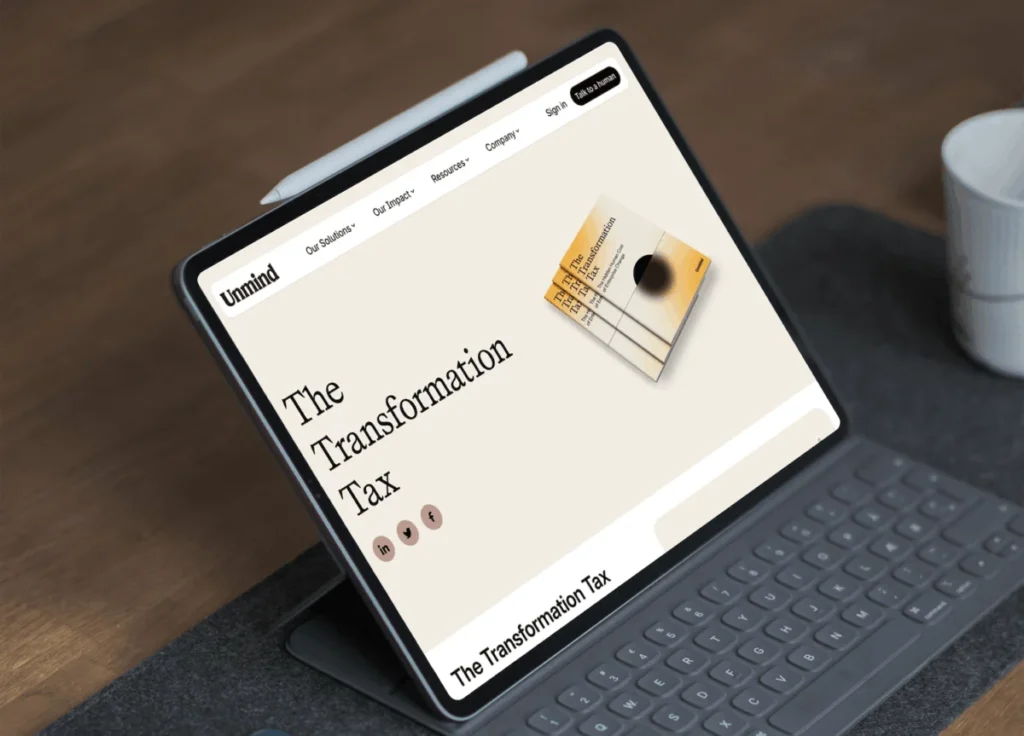
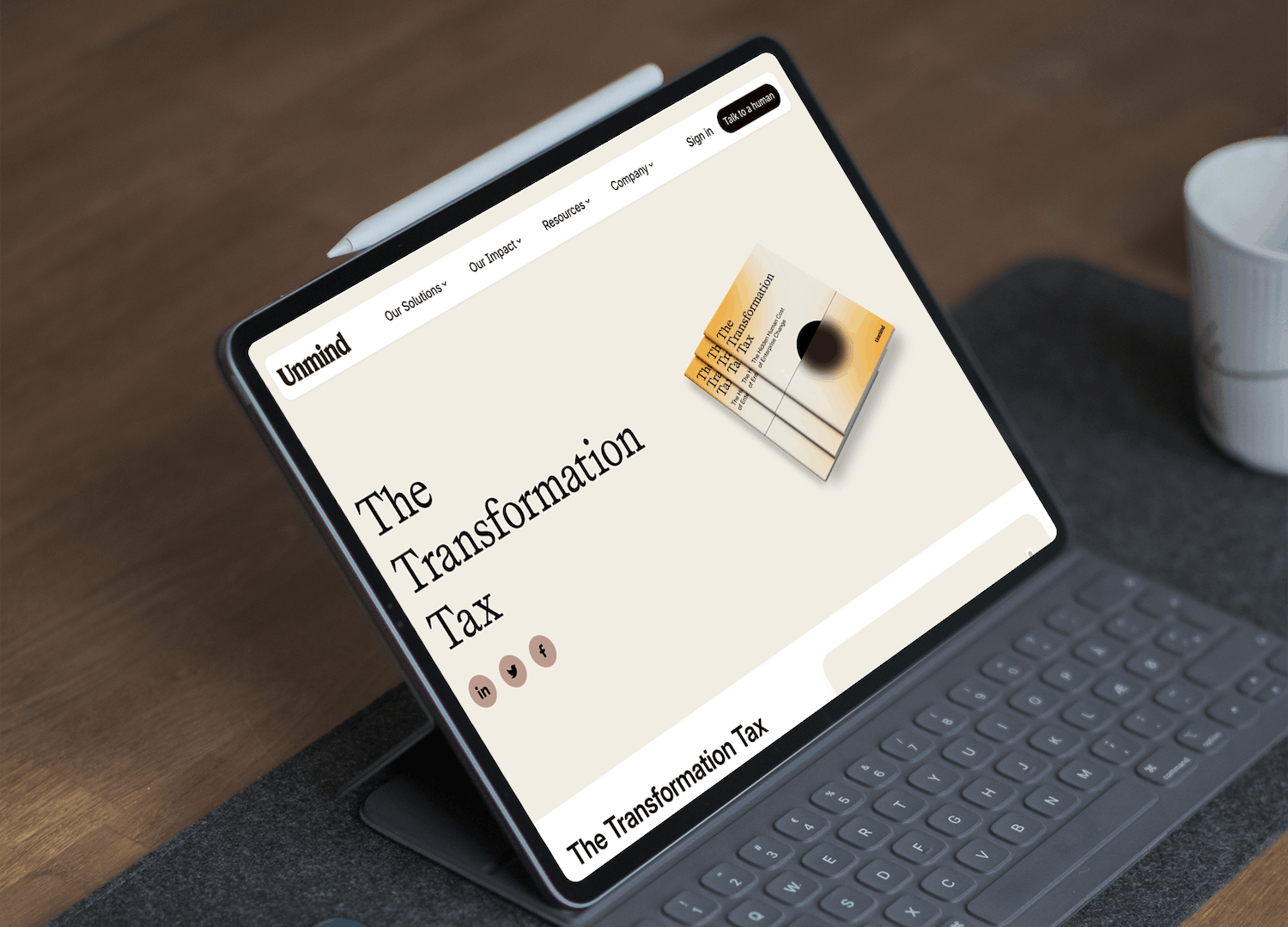
A groundbreaking new report, "Transformation Tax: The Hidden Human Cost of Enterprise Change," jointly released by Unmind and its strategic partner, highlights a critical and often overlooked consequence of modern business strategy: the significant human toll of perpetual organizational change. The report’s central thesis posits that enterprise transformation is no longer a discrete project with a defined endpoint, but rather an ongoing, permanent state of being. This continuous flux, if not managed with intentionality and empathy, is exacting a substantial and detrimental impact on employees, leading to burnout, disengagement, and a decline in overall organizational health.
The report synthesizes the perspectives of Chief Human Resource Officers (CHROs) to forecast the key drivers of workplace mental health in 2026. It underscores a growing recognition within leadership circles that the relentless pace of digital innovation, market volatility, and evolving workforce expectations necessitates a fundamental shift in how organizations approach change management. This paradigm shift demands a proactive and people-centric approach, moving beyond traditional project management methodologies to embrace a holistic strategy that prioritizes employee wellbeing.
The Evolving Landscape of Enterprise Transformation
The concept of enterprise transformation has evolved dramatically over the past decade. What was once a series of discrete, often large-scale, restructuring initiatives has morphed into a continuous process of adaptation. Factors such as the rapid acceleration of digital technologies, the unpredictable nature of global markets, and the increasing demand for agile operational models have made organizational agility a non-negotiable imperative for survival and growth. This constant state of flux, while often necessary for competitive advantage, presents a significant challenge to employee wellbeing. The "Transformation Tax" refers to the cumulative psychological and emotional burden employees carry as they navigate perpetual change, a burden that can manifest in decreased productivity, heightened stress levels, and a erosion of trust in leadership if not adequately addressed.
Key Findings: The Human Cost of Perpetual Change
The report, drawing on extensive research and CHRO interviews, pinpoints several critical areas where the "transformation tax" is being levied:
-
The Unseen Toll of Stress and Burnout: A significant underestimation of the cumulative stress, disengagement, and burnout that accrues during periods of transformation is a pervasive issue. When organizational support and communication fall short, this "transformation tax" can lead to diminished morale, reduced productivity, and a decline in employee loyalty. Industry benchmarks from organizations prioritizing employee wellbeing suggest that companies with robust change management programs experience a 15% lower turnover rate during periods of significant organizational shift compared to those without.
-
Widespread Change Fatigue: The report indicates that over half of employees report experiencing fatigue due to ongoing organizational changes. This persistent state of flux can significantly dampen productivity and engagement if leaders do not proactively implement strategies to support their workforce. Research from the Society for Human Resource Management (SHRM) indicates that employees experiencing change fatigue are 20% less likely to embrace new initiatives and 30% more prone to errors.
-
Communication as a Performance Catalyst: Transparency in communication emerges as a powerful lever for enhancing organizational performance. Employees are 80% more likely to trust their organization when communication is transparent, a fundamental requirement during any transformation. This trust is the bedrock upon which alignment and successful execution are built. Studies by the Harvard Business Review have shown that companies with highly transparent communication practices are 4.5 times more likely to retain top talent.
-
The Impact of Recognition on Output: The report highlights a strong correlation between feeling appreciated and an employee’s productivity. A staggering 85% of employees state that feeling appreciated directly impacts their productivity. Furthermore, 79% of employees emphasize the importance of their relationship with their manager in their overall job satisfaction and output. During times of change, the manager-employee connection becomes even more critical, serving as a vital conduit for support, clarity, and encouragement. The annual employee engagement surveys conducted by Gallup consistently show that a manager’s ability to provide regular recognition is a key driver of team performance and retention.
-
Wellbeing Outranking Compensation for Many: In a significant shift in employee priorities, half of employees now indicate a preference for an employer that demonstrably cares about their wellbeing over a 10% pay increase. This preference is not a fleeting trend; it has shown a consistent year-over-year increase, signaling a profound re-evaluation of what constitutes a truly supportive and attractive workplace. This trend aligns with broader societal shifts, where a greater emphasis is being placed on work-life balance and mental health.
Five Practical Strategies for HR to Mitigate the "Transformation Tax"
The report offers actionable recommendations for HR departments to proactively address and mitigate the detrimental effects of the "transformation tax":
-
Over-Communicate with Transparency and Frequency: In an environment of constant change, consistent and transparent communication is paramount. This involves sharing what is known, acknowledging uncertainties, and reiterating key messages across multiple channels. Transparent updates not only build trust but also effectively counter the proliferation of rumors and misinformation. Equipping managers with standardized talking points ensures that employees receive consistent messages through one-on-one interactions, complementing broader all-hands communications. This approach fosters a sense of psychological safety, allowing employees to feel informed and valued.
-
Empower Managers as Force Multipliers: Managers are on the front lines of change, directly impacting employee experience. Providing them with adequate time, resources, and training to conduct regular check-ins, set clear priorities, and acknowledge progress is essential. The manager-employee relationship is a leading indicator of both productivity and wellbeing. Integrating quick recognition habits into weekly team rhythms can normalize praise and progress updates, reinforcing positive behaviors and fostering a sense of accomplishment amidst uncertainty. This includes training managers in active listening, empathy, and conflict resolution, skills crucial for navigating the human elements of change.
-
Integrate Mental Health as Foundational Infrastructure: Workplace mental health should not be relegated to an ancillary program but treated as an integral component of organizational infrastructure. Centralizing wellbeing resources makes them easily accessible and private for employees seeking support. Encouraging leaders to share their own wellbeing journeys can effectively dismantle stigma and create a more open environment for seeking help. It is crucial to recognize that burnout is often an organizational issue stemming from factors like excessive workload, lack of clarity, and inadequate resourcing, rather than solely an individual resilience challenge. This requires a systemic approach to workload management and role clarity.
-
Align AI Acceleration with Workforce Readiness: As organizations increasingly adopt Artificial Intelligence (AI) to drive efficiency, it is imperative to simultaneously upskill the workforce and establish clear governance frameworks. While the majority of employees report productivity gains from AI utilization, inherent risks such as algorithmic bias, data errors, and the inadvertent sharing of sensitive information necessitate robust oversight. The strategic application of AI should focus on augmenting human capabilities and freeing employees to engage in higher-value, human-centered tasks that require creativity, critical thinking, and emotional intelligence. This includes investing in AI literacy programs and establishing ethical guidelines for AI deployment.
-
Reinforce Belonging Through Recognition and Purpose: Strategic, values-based recognition plays a vital role in connecting daily accomplishments to the broader organizational mission. Small, frequent moments of appreciation can significantly boost employee wellbeing and help teams maintain focus on what constitutes success, even amidst the turbulence of change. Making recognition accessible across different locations and roles ensures that all employees feel seen and valued, fostering a sense of inclusion and shared purpose. This can be facilitated through digital recognition platforms that allow for peer-to-peer and manager-to-employee acknowledgments, often tied to company values.
Broader Implications and the Path Forward
Unmind’s report serves as a powerful clarion call for organizations to fundamentally re-evaluate their approach to change. The principle of sustainable transformation lies in prioritizing people. When leaders foster open communication, empower their managers, diligently recognize employee contributions, and make wellbeing a non-negotiable priority, performance and humanity can advance in tandem, rather than being viewed as mutually exclusive. This people-first approach is the most effective strategy for shrinking the "transformation tax" and cultivating a more resilient, high-performing culture poised for success in the evolving business landscape of 2026 and beyond.
The implications of this report extend beyond individual organizations. As the global economy becomes increasingly interconnected and dynamic, the ability of businesses to navigate change while safeguarding their most valuable asset – their people – will be a key differentiator. Companies that successfully manage the "transformation tax" will not only achieve superior business outcomes but also cultivate a reputation as employers of choice, attracting and retaining top talent in a competitive market.
The report’s findings are supported by a growing body of academic research on organizational psychology and change management. For instance, a 2023 study published in the Journal of Applied Psychology found that organizations with high levels of employee psychological safety, fostered through transparent communication and supportive leadership, were significantly more resilient during periods of economic downturn and organizational restructuring.
Looking ahead, the onus is on HR leaders to champion these people-centric strategies. This requires a shift in mindset, moving away from a purely operational focus to one that embraces a more strategic and empathetic approach to workforce management. The "Transformation Tax" is a tangible cost, and by addressing it proactively, organizations can unlock significant long-term benefits, fostering a more engaged, productive, and ultimately, more human workplace.
For those seeking to delve deeper into these critical insights, Unmind’s comprehensive "Transformation Tax" report offers a wealth of data and analysis. The challenge now lies in translating these findings into tangible action within organizations, ensuring that the pursuit of transformation does not come at the unacceptable cost of employee wellbeing.