A pivotal webinar, scheduled for Thursday, September 24, 2026, at 2:00 PM Eastern Time, will present critical new research from UKG, a leading provider of human capital management solutions. The session, led by Kylene Zenk, Senior Principal Human Insights Program Manager at UKG, aims to shed light on the multifaceted challenges and evolving expectations of the global frontline workforce, which constitutes nearly 80% of the world’s employed population. This significant demographic, while indispensable to the global economy, remains a persistent puzzle for organizations seeking to attract, engage, and retain talent effectively. The event promises to deliver actionable insights derived from extensive research, offering HR and operations leaders practical strategies to enhance the frontline employee experience and leverage technology for a more connected and people-centered workplace.
Understanding the Unseen Majority: The Frontline Workforce
The frontline workforce, encompassing a vast array of roles from retail associates and healthcare professionals to manufacturing operatives and hospitality staff, forms the backbone of numerous industries. Despite their critical contributions, these employees often operate with less visibility and fewer resources compared to their corporate counterparts. Their daily realities are shaped by unique pressures, including demanding schedules, direct customer interaction, physical labor, and often, lower pay scales. This webinar intends to bring these often-overlooked voices to the forefront, providing a data-driven understanding of their priorities and aspirations.
The significance of this research cannot be overstated. In an era of increasing labor shortages and a heightened focus on employee well-being, understanding the specific needs of frontline workers is paramount for organizational success and societal stability. Traditional HR practices, often designed with office-based employees in mind, may not adequately address the complexities faced by this segment of the workforce. UKG’s initiative to capture and analyze the perspectives of thousands of frontline employees globally represents a significant step towards bridging this knowledge gap.
The Genesis of the Research: A Response to Evolving Demands
The impetus for UKG’s research stems from a growing recognition within the business community of the distinct challenges faced by frontline workers. Post-pandemic economic shifts, coupled with rapid technological advancements, have fundamentally altered the employment landscape. Organizations are grappling with unprecedented levels of employee turnover, particularly among frontline roles, and are seeking innovative solutions to foster loyalty and productivity.
UKG, with its deep understanding of workforce management, has positioned itself as a key player in addressing these challenges. The company’s commitment to human insights suggests a strategic shift towards a more empathetic and data-informed approach to HR technology and strategy. This webinar is not merely a product launch but a dissemination of vital intelligence designed to empower businesses to adapt and thrive in the new world of work.
The research methodology employed by UKG, capturing the "voices of thousands of frontline employees around the world," implies a robust and comprehensive data collection process. This broad scope is crucial for identifying universal trends while also acknowledging regional and industry-specific nuances that influence frontline worker experiences.
Key Areas of Exploration: What Matters Most to Frontline Employees
The webinar’s description highlights several critical themes that will be explored, offering a preview of the insights attendees can expect:
- Attraction, Engagement, and Retention: These are the perennial challenges for any organization, but they take on amplified importance when dealing with a demographic that is often more susceptible to market fluctuations and alternative employment opportunities. Understanding the drivers of attraction, the factors that foster engagement, and the reasons for attrition among frontline staff will be central to the discussion.
- The Impact of AI and Workplace Technologies: The integration of artificial intelligence and other advanced technologies into the workplace is a rapidly evolving phenomenon. For frontline employees, these technologies can manifest in various ways, from scheduling software and communication platforms to automation in operational processes. The research will likely delve into how these tools are perceived, whether they enhance or detract from the employee experience, and their potential to streamline tasks or create new burdens. The discussion on AI’s role is particularly timely, given the increasing adoption of generative AI and its potential applications in workforce management.
- Evolving Expectations Across Key Pillars: The research will dissect frontline employees’ changing expectations concerning:
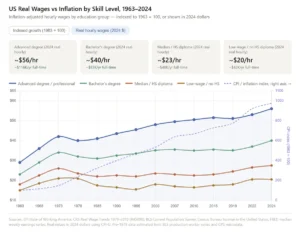
- Pay: Fair compensation is a foundational element of employee satisfaction. The webinar will likely explore perceptions of wage adequacy, the impact of inflation, and expectations around performance-based incentives and benefits. Data from organizations like the U.S. Bureau of Labor Statistics consistently show that wage growth has been a significant factor in labor market dynamics, particularly for lower-wage sectors.
- Scheduling: Predictable and flexible scheduling is often cited as a major pain point for frontline workers, many of whom juggle multiple responsibilities, including family care. The research will likely uncover preferences for scheduling tools, the desire for more autonomy in shift selection, and the impact of last-minute changes on work-life balance. Reports from industry analysts have frequently pointed to scheduling as a primary driver of dissatisfaction and turnover in sectors like retail and hospitality.
- Well-being: The concept of well-being has expanded beyond physical health to encompass mental, emotional, and financial well-being. Frontline employees, often exposed to high-stress environments, may have specific needs in this area. The webinar will likely address what constitutes holistic well-being for this group and how employers can support it. The World Health Organization has consistently emphasized the link between workplace well-being and productivity, a message that resonates increasingly with businesses.
- Recognition: Feeling valued and appreciated is a powerful motivator. The research will likely examine preferred methods of recognition, from formal awards to informal acknowledgments, and their impact on morale and retention. Studies in organizational psychology have repeatedly demonstrated the positive correlation between effective recognition programs and employee engagement.
- Flexibility: While often associated with remote work, flexibility for frontline employees can mean different things, such as the ability to adjust hours, work different shifts, or access benefits that support their personal lives. Understanding the nuances of flexibility for this demographic is crucial.
Translating Insights into Action: Practical Strategies for Leaders
The webinar’s promise extends beyond presenting data; it aims to equip HR and operations leaders with "practical, research-backed actions." This focus on actionable takeaways is a hallmark of effective professional development and knowledge sharing. The session will likely offer a framework for leaders to:
- Diagnose Current Employee Experience: Utilizing the research findings as a benchmark to assess their own organization’s strengths and weaknesses in supporting frontline staff.
- Develop Targeted Interventions: Designing and implementing specific programs and policies based on the identified needs and expectations of their frontline workforce.
- Leverage Technology Strategically: Understanding how workforce management technologies, including AI-powered solutions, can be deployed not just for efficiency but also to genuinely improve the employee experience, foster a sense of connection, and address critical workforce needs.
The emphasis on technology as a solution underscores a growing trend in HR where digital tools are seen as essential enablers of human capital strategy. UKG’s own product portfolio likely aligns with these principles, offering solutions that aim to optimize scheduling, payroll, time tracking, and employee engagement for frontline workforces.
The Broader Implications: A More People-Centered Workplace
The ultimate goal of this initiative, as stated, is to "create a more connected, people-centered workplace." This vision has significant implications for businesses and society at large. A people-centered approach acknowledges that employees are not merely cogs in a machine but individuals with unique needs and aspirations. When these needs are met, organizations benefit from increased loyalty, higher productivity, improved customer service, and a stronger employer brand.
The insights shared in this webinar could inform a broader shift in how businesses perceive and manage their frontline employees, moving from a transactional relationship to a more strategic and empathetic partnership. This, in turn, can lead to a more equitable and fulfilling work environment for a significant portion of the global population, contributing to economic stability and social well-being.
Looking Ahead: The Future of Frontline Work
The date of the webinar, September 24, 2026, places it in a future context, suggesting that the research being presented is either ongoing or represents a forward-looking analysis of trends. This temporal placement allows for anticipation of how current developments will shape the frontline workforce in the coming years. The webinar will likely offer a glimpse into the future of frontline work, providing leaders with the foresight needed to navigate upcoming challenges and opportunities.
The registration link, available at here, invites professionals to secure their participation in what promises to be an illuminating and impactful session. As businesses worldwide continue to navigate the complexities of talent management, understanding the frontline workforce has never been more critical. UKG’s commitment to bringing these essential voices to light offers a valuable opportunity for leaders to transform their approach and build more resilient, engaged, and successful organizations. The insights gleaned from this research have the potential to redefine best practices for managing the vast majority of the global workforce, fostering a more humane and effective future of work for all.