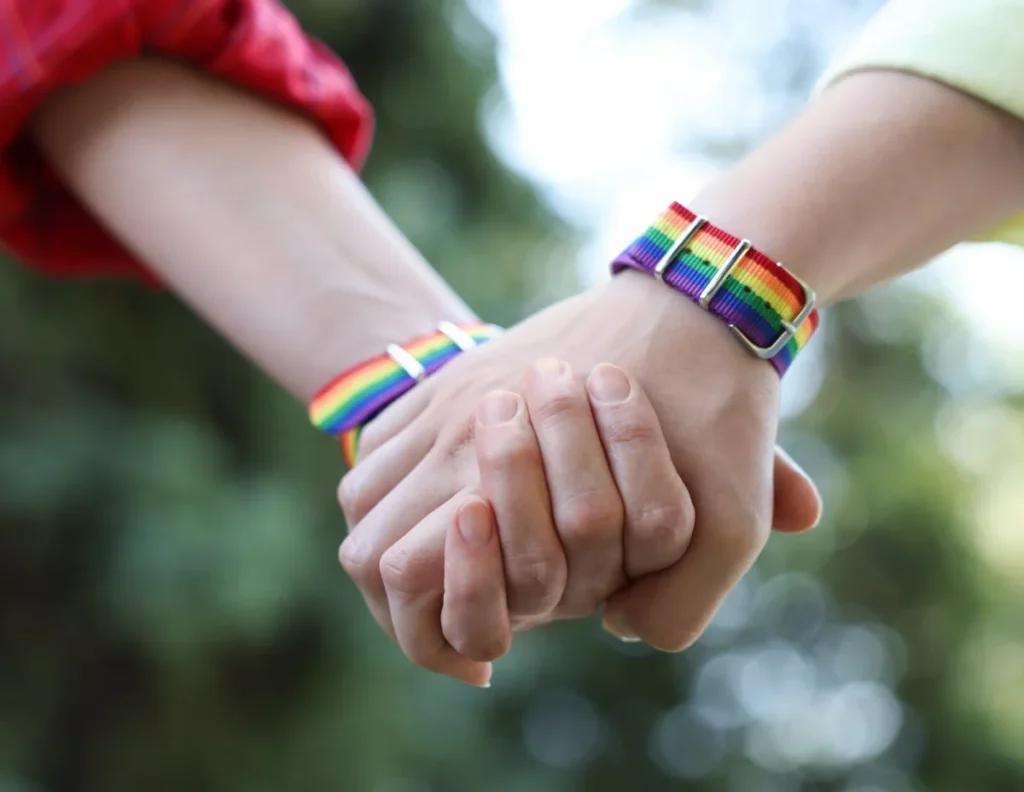
June marks Pride Month, an annual observance dedicated to celebrating the Lesbian, Gay, Bisexual, Transgender, Queer, Intersex, Asexual, and other sexual and gender minority (LGBTQIA+) communities. While for many, Pride is a vibrant and anticipated time of year filled with parades and community gatherings, for others, the significance and origins of this celebration may not be as clear. This article aims to provide a comprehensive understanding of why Pride Month is observed, explore the historical context and evolution of the movement, and address potential reasons for discomfort, offering pathways toward greater education and allyship.
The profound importance of Pride Month is underscored by its direct impact on the well-being and lives of LGBTQIA+ individuals, particularly youth. Recent statistics from The Trevor Project, a leading national organization providing crisis intervention and suicide prevention services to LGBTQIA+ young people, paint a sobering picture. Their 2024 survey revealed that a significant percentage of LGBTQIA+ youth have considered suicide, with higher rates reported among those experiencing discrimination or lack of acceptance. These findings are crucial; they indicate that mental health challenges are not inherent to being LGBTQIA+ but are often exacerbated by unaccepting environments and societal stigma.
This data highlights a fundamental truth: acceptance saves lives. When communities foster environments of understanding, validation, and belonging, the mental health outcomes for LGBTQIA+ youth demonstrably improve. This is not merely an abstract concept but a tangible reality for countless young individuals navigating complex identities in a world that has historically marginalized them. The celebrations of Pride, through parades, festivals, and educational events, serve as powerful public declarations of this acceptance, offering solace, visibility, and a sense of solidarity to individuals of all ages. For parents, educators, and allies, recognizing the life-saving impact of acceptance transforms Pride from a mere event into a critical imperative for fostering a more humane society.
A Historical Perspective: The Genesis of the Pride Movement
The origins of Pride Month are deeply rooted in the struggle for civil rights and liberation for LGBTQIA+ individuals. The modern LGBTQIA+ rights movement gained significant momentum with the Stonewall Uprising in June 1969. The Stonewall Inn, a gay bar in Greenwich Village, New York City, was a frequent target of police raids. On June 28, 1969, patrons, many of whom were marginalized members of the LGBTQIA+ community, including transgender women of color, fought back against a police raid. This act of defiance, lasting several nights, is widely considered a pivotal moment, sparking a new wave of activism and a demand for equal rights.
In the years following Stonewall, commemorative events began to emerge. The first Pride marches were held on the one-year anniversary of the uprising in 1970 in New York City, Los Angeles, and Chicago. These early marches were not just celebrations but also powerful protests, demanding visibility and an end to discrimination. Over the decades, these commemorations evolved, spreading globally and growing in scale and scope. In 1999, President Bill Clinton officially declared June as Gay and Lesbian Pride Month, and in 2000, it became LGBT Pride Month. Today, the observance has expanded to encompass the full spectrum of the LGBTQIA+ community.
Navigating Discomfort: Understanding Evolving Social Norms
For some individuals, particularly those from older generations or those who did not grow up with a visible LGBTQIA+ presence in their social spheres, the widespread visibility and evolving understanding of gender and sexuality associated with Pride Month can evoke feelings of discomfort or unfamiliarity. This reaction is often not rooted in malice but in a lack of lived experience or prior education regarding these identities.
During the formative years of many Generation X individuals, for example, discussions about gender diversity and non-heterosexual orientations were largely absent from public discourse and educational curricula. The societal shift towards greater acceptance and understanding of the LGBTQIA+ community represents a significant evolution in cultural norms. This evolution, while positive and necessary for equality, can be jarring for those accustomed to a more homogenous worldview.
It is important to recognize that the increased awareness and acceptance of diverse gender identities and sexual orientations do not represent a "new" phenomenon. Historical and anthropological evidence, as referenced by the American Psychological Association, points to the existence of same-sex relationships and diverse gender expressions across numerous cultures and historical periods, including ancient Israel, ancient Greece, and various Indigenous American societies. Therefore, any feelings of strangeness or awkwardness surrounding Pride are more indicative of gaps in historical and social education rather than a reflection of the LGBTQIA+ community itself.
Bridging the Gap: Pathways to Education and Allyship
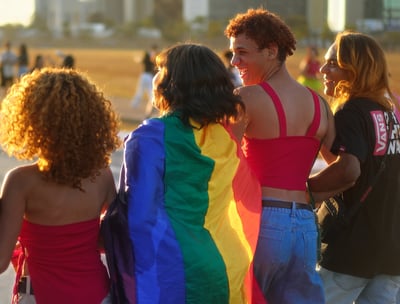
For those seeking to deepen their understanding and become more effective allies, several avenues for education and engagement are available. Approaching these resources with an open mind and a genuine desire to learn is key.
- Reputable LGBTQIA+ Advocacy Organizations: Organizations like GLAAD (Gay & Lesbian Alliance Against Defamation), The Trevor Project, Human Rights Campaign (HRC), and PFLAG (Parents, Families, and Friends of Lesbians and Gays) offer extensive educational materials, research, and resources. These platforms provide accurate information on LGBTQIA+ history, terminology, and current issues.
- Educational Institutions and Academic Resources: Many universities and colleges offer courses and programs in LGBTQIA+ studies. Academic journals and books provide in-depth scholarly analysis of the social, cultural, and historical aspects of the LGBTQIA+ experience.
- Personal Narratives and Media: Engaging with memoirs, documentaries, films, and literature created by LGBTQIA+ individuals can offer invaluable insights into their lived experiences, challenges, and triumphs. This direct exposure to personal stories fosters empathy and understanding.
- Local Community Centers and Events: Participating in local LGBTQIA+ community events, workshops, or visiting local centers can provide opportunities for direct interaction and learning from community members.
- Open and Respectful Dialogue: Engaging in honest and respectful conversations with LGBTQIA+ friends, family members, or colleagues can be a powerful learning tool. Approaching these discussions with a willingness to listen without judgment is paramount.
The Broader Impact: Towards a More Inclusive Society
The ongoing evolution of societal understanding and acceptance, as exemplified by Pride Month, has far-reaching implications. Beyond the crucial impact on individual well-being, fostering an inclusive society benefits everyone. When individuals feel safe, respected, and affirmed in their identities, they are more likely to thrive, contribute to their communities, and reach their full potential.
For businesses and organizations, embracing diversity and inclusion is not only a matter of social responsibility but also a strategic advantage. Companies that champion LGBTQIA+ rights and create welcoming workplaces often see increased employee morale, retention, and innovation. This commitment can translate into stronger brand loyalty and a more positive public image.
As we navigate June and beyond, the spirit of Pride Month serves as a powerful reminder of the progress made and the work that remains. It is an invitation to reflect on the importance of acceptance, to challenge prejudice, and to actively participate in building a world where every individual, regardless of their sexual orientation or gender identity, can live authentically and without fear. The celebration of Pride is a testament to the resilience and vibrancy of the LGBTQIA+ community and a beacon of hope for a more equitable future.
From all of us at Reward Gateway | Edenred, we extend our warmest wishes for a meaningful and happy Pride Month to you and yours.