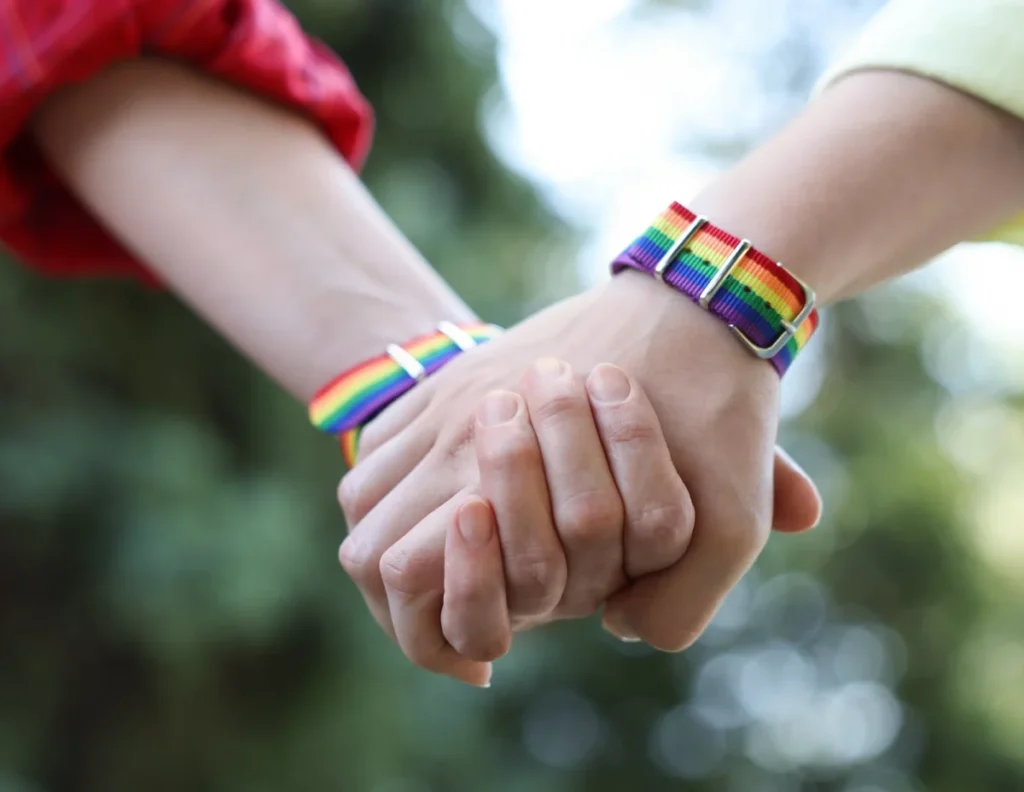
June marks a pivotal time for global awareness and celebration: Pride Month. While for many, this month is an anticipated occasion filled with vibrant parades and community gatherings, for others, it may still evoke questions or even a degree of unfamiliarity. This article aims to provide a deeper understanding of why Pride is observed, its historical roots, and its evolving significance in contemporary society, particularly for those seeking to learn more about its purpose and impact.
The Enduring Importance of Pride Month: Saving Lives Through Acceptance
The core of Pride Month’s significance lies in its profound impact on the well-being and survival of LGBTQIA+ individuals. Startling statistics from The Trevor Project’s 2023 National Survey on LGBTQ Youth Mental Health reveal a critical truth: acceptance and supportive environments are not merely beneficial but literally life-saving. The survey indicated that a significant percentage of LGBTQIA+ youth reported experiencing severe mental health challenges, including high rates of depression, anxiety, and suicidal ideation. Crucially, these statistics underscore that these mental health difficulties are often not inherent to the LGBTQIA+ identity itself, but rather a consequence of living in unaccepting, discriminatory, or hostile environments.
For parents, educators, and community leaders, these findings present a clear imperative. Creating spaces of genuine acceptance and understanding for young people is paramount to fostering their safety and mental health. Pride celebrations, in their myriad forms, serve as powerful public declarations of this acceptance. They offer visible solidarity, affirm identities, and build a sense of belonging that can counteract the isolating effects of prejudice and discrimination. This affirmation extends beyond youth, benefiting individuals of all ages who have historically faced marginalization and stigma. The act of celebrating Pride is a tangible way to demonstrate that LGBTQIA+ individuals are valued, seen, and respected members of society, directly contributing to improved mental health outcomes and a reduction in preventable tragedies.
Navigating Discomfort: Understanding Shifting Societal Norms
For some individuals, particularly those from older generations or those who did not grow up with a readily visible LGBTQIA+ presence in their immediate surroundings, the growing visibility and acceptance of LGBTQIA+ identities can sometimes lead to feelings of discomfort or awkwardness. This is often a natural, albeit sometimes challenging, reaction to societal shifts. During the Generation X era, for instance, discussions around gender spectrums and diverse family structures were not mainstream. Many individuals, raised in a time with less comprehensive education on these topics, may find the current landscape unfamiliar.
However, it is crucial to distinguish between the discomfort arising from unfamiliarity and the inherent validity of LGBTQIA+ identities. As research from organizations like the American Psychological Association has demonstrated, evidence of same-sex attraction and diverse gender expressions can be found across documented human history and in numerous cultures, including ancient Israel, ancient Greece, and among various Indigenous peoples. This historical context highlights that while societal awareness and acceptance may be evolving, the existence of diverse sexual orientations and gender identities is not a new phenomenon. Rather, the current discomfort experienced by some individuals may stem from a historical lack of comprehensive education and societal openness, rather than an issue with the LGBTQIA+ community itself. Understanding this distinction is key to fostering empathy and facilitating constructive dialogue.
The Historical Roots of Pride: From Stonewall to Global Recognition
The modern Pride movement finds its genesis in the Stonewall Uprising of June 1969. This series of spontaneous demonstrations by members of the LGBTQIA+ community, primarily in response to a police raid at the Stonewall Inn in Greenwich Village, New York City, marked a turning point in the fight for LGBTQIA+ rights. Prior to Stonewall, LGBTQIA+ individuals faced widespread discrimination, harassment, and criminalization. Police raids on establishments frequented by LGBTQIA+ people were common, and societal attitudes were largely hostile.
The events of Stonewall, however, galvanized the community. The resistance shown by patrons of the Stonewall Inn, including drag queens, transgender individuals, and gay men, became a powerful symbol of defiance and a catalyst for organized activism. In the year following Stonewall, the first Pride marches were held in major cities across the United States, commemorating the uprising and demanding equal rights. These early marches were often more political protests than celebratory parades, focusing on raising awareness and advocating for legal protections.
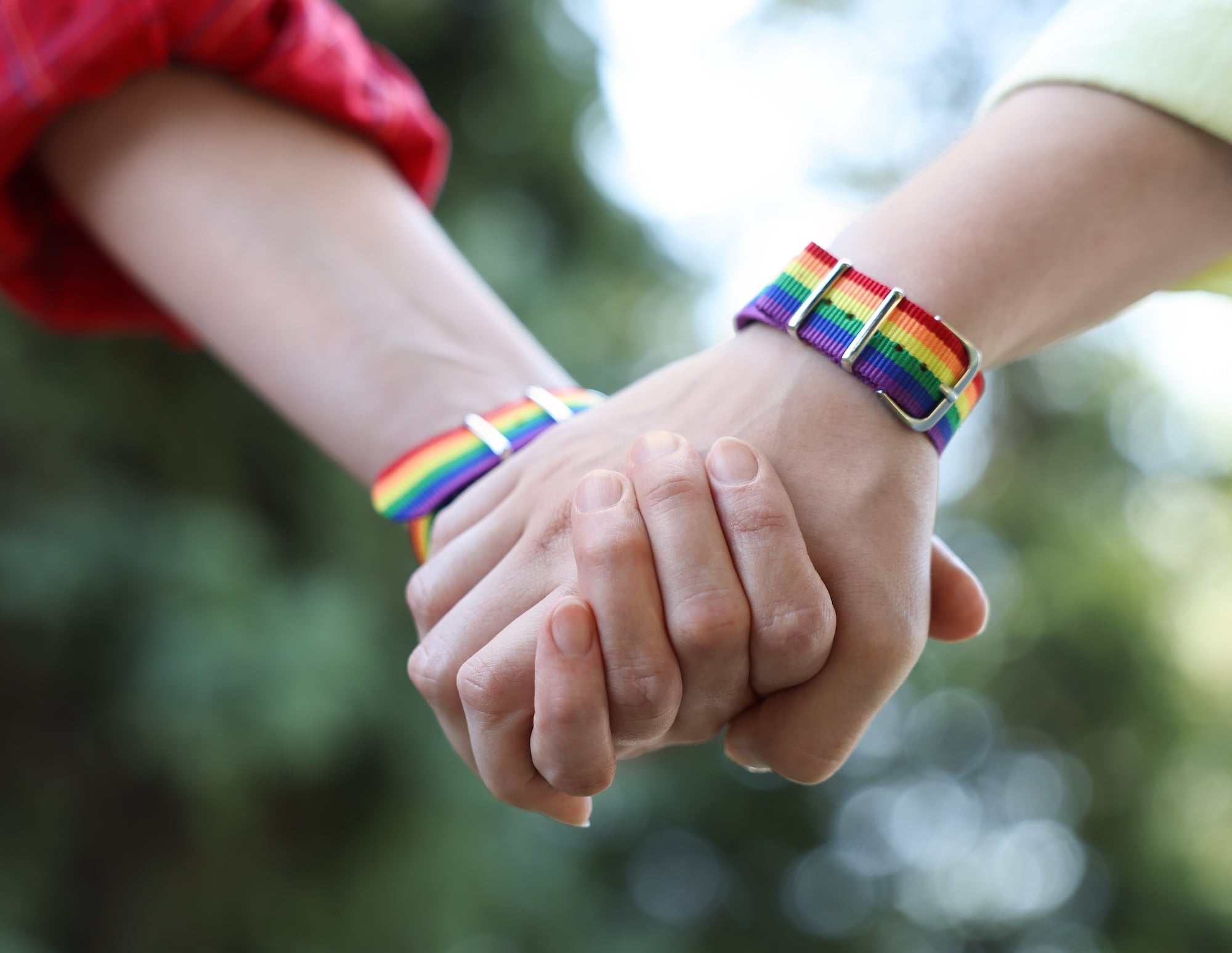
Over the decades, Pride has evolved significantly. While the fight for legal equality and social justice remains central, Pride Month has also become a time for celebration, community building, and the affirmation of LGBTQIA+ identities. The rainbow flag, a symbol of LGBTQIA+ pride and diversity, has become universally recognized. Today, Pride Month is observed globally with a wide array of events, including parades, festivals, educational workshops, and cultural exhibitions, reflecting the diverse experiences and contributions of the LGBTQIA+ community.
Key Milestones in the Evolution of Pride: A Chronological Overview
- June 28, 1969: The Stonewall Uprising in New York City, a pivotal event that ignited the modern LGBTQIA+ rights movement.
- June 28, 1970: The first Pride marches are held in New York City, Los Angeles, and Chicago, commemorating the one-year anniversary of the Stonewall Uprising.
- 1970s-1980s: The LGBTQIA+ rights movement gains momentum, with increased activism, the formation of advocacy groups, and early legal challenges to discriminatory laws. The AIDS epidemic also profoundly impacted the community, leading to increased activism and calls for public health awareness and compassionate care.
- 1990s: The term "Pride Month" becomes more widely adopted. The growing visibility of LGBTQIA+ individuals in media and public life contributes to greater societal awareness, though challenges and backlash persist.
- 2000s-Present: Pride celebrations become larger and more widespread globally. Significant legal victories are achieved in many countries, including the legalization of same-sex marriage. However, the fight for full equality continues, with ongoing efforts to combat discrimination in employment, housing, and healthcare, and to address violence and discrimination against transgender individuals.
Addressing Societal Discomfort: Education as the Bridge
For those who experience discomfort with the evolving understanding of gender and sexuality, a path toward greater understanding and empathy lies in education. Actively seeking out reliable resources can dismantle misconceptions and foster a more inclusive perspective. Organizations dedicated to LGBTQIA+ advocacy and education offer a wealth of information.
Resources for Education and Understanding:
- PFLAG (Parents, Families, and Friends of Lesbians and Gays): PFLAG provides support, education, and advocacy for LGBTQ+ people and their families and allies. Their website offers resources for understanding terminology, navigating conversations, and finding local support groups.
- GLSEN (Gay, Lesbian & Straight Education Network): GLSEN works to create safe and inclusive K-12 schools for all students, regardless of sexual orientation, gender identity, or gender expression. They offer resources for educators, students, and parents on LGBTQIA+ issues in education.
- The Human Rights Campaign (HRC): HRC is the largest LGBTQIA+ civil rights organization in the United States. Their website provides extensive information on LGBTQIA+ rights, policy issues, and resources for understanding diverse identities.
- The Trevor Project: Dedicated to providing crisis intervention and suicide prevention services to LGBTQIA+ young people, The Trevor Project’s website offers vital statistics, research, and resources on the mental health of LGBTQIA+ youth.
- Local LGBTQIA+ Community Centers: Many cities have local community centers that offer educational programs, workshops, and support services for LGBTQIA+ individuals and their allies.
Engaging with these resources can provide a foundational understanding of LGBTQIA+ identities, the history of the movement, and the challenges faced by the community. This proactive approach to learning is essential for fostering a society where everyone feels safe, respected, and valued.
The Broader Impact and Implications of Pride Month
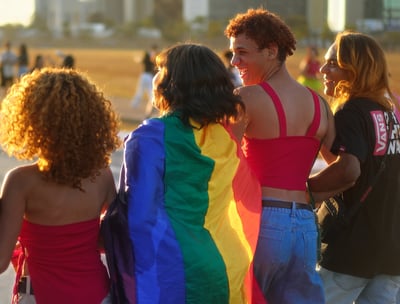
Pride Month serves as a powerful reminder that the struggle for equality is ongoing. While significant progress has been made in many parts of the world, LGBTQIA+ individuals continue to face discrimination, violence, and legal challenges in numerous societies. The visibility and advocacy fostered by Pride Month contribute to broader societal shifts, challenging prejudice and promoting a more inclusive understanding of human diversity.
The implications of this evolving understanding are far-reaching. In the workplace, fostering an inclusive environment where LGBTQIA+ employees feel safe and respected can lead to increased productivity, innovation, and employee retention. In educational settings, comprehensive and inclusive curricula can equip young people with the knowledge and empathy needed to build a more just society. On a personal level, the affirmation and acceptance that Pride represents can have a profound positive impact on the mental health and well-being of LGBTQIA+ individuals, as underscored by the critical data from organizations like The Trevor Project.
From the organizers of global parades to local community groups, the collective effort behind Pride Month aims to create a world where all individuals can live authentically and without fear. It is a testament to the enduring power of community, resilience, and the unwavering pursuit of human rights and dignity.
In conclusion, Pride Month is more than just a series of celebrations; it is a vital observance rooted in history, dedicated to ongoing advocacy, and focused on building a future where acceptance is the norm, not the exception. As we navigate this month, let us embrace the opportunity for learning, reflection, and active support for the LGBTQIA+ community.
Happy Pride.