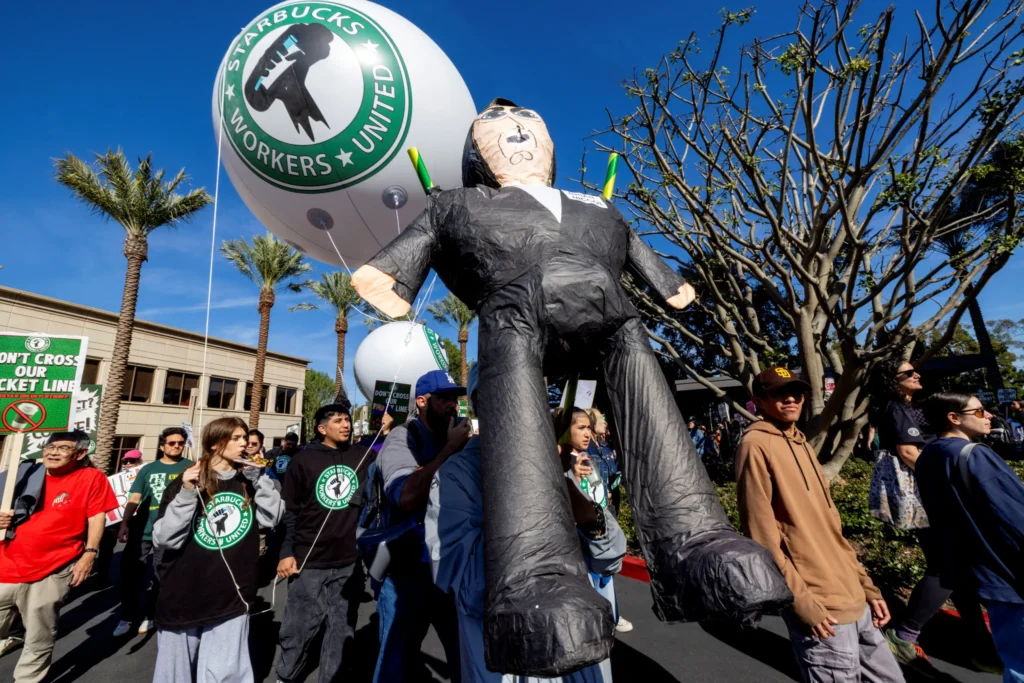
A group of United Nations human-rights experts has formally requested that Starbucks and the U.S. government provide responses to allegations of a protracted campaign by the coffee giant against its employees seeking to unionize. This inquiry, detailed in a letter made public this week by the U.N.’s human-rights office, stems from information received by the experts alleging "ongoing and widespread" suppression tactics employed by Starbucks since 2021. The accusations reportedly include instances where law enforcement was called upon workers engaging in protected activities such as picketing and distributing informational leaflets across various U.S. states.
The UN experts have indicated that the alleged conduct, if substantiated, could constitute violations of fundamental international human rights, specifically concerning the rights to freedom of expression, peaceful assembly, and freedom of association. These rights are enshrined in core international human rights instruments, including the Universal Declaration of Human Rights and the International Covenant on Civil and Political Rights. The involvement of UN human rights experts signifies a serious international scrutiny of labor practices within a prominent global corporation.
Background: The Rise of Unionization at Starbucks
The allegations emerge against a backdrop of a significant and burgeoning unionization movement within Starbucks stores across the United States. Since late 2021, hundreds of Starbucks locations have filed petitions with the National Labor Relations Board (NLRB) to hold union elections, driven by a range of concerns including wages, staffing levels, consistent scheduling, and the right to collective bargaining. This movement, largely spearheaded by Workers United, an affiliate of the Service Employees International Union (SEIU), has been met with considerable resistance from the company.
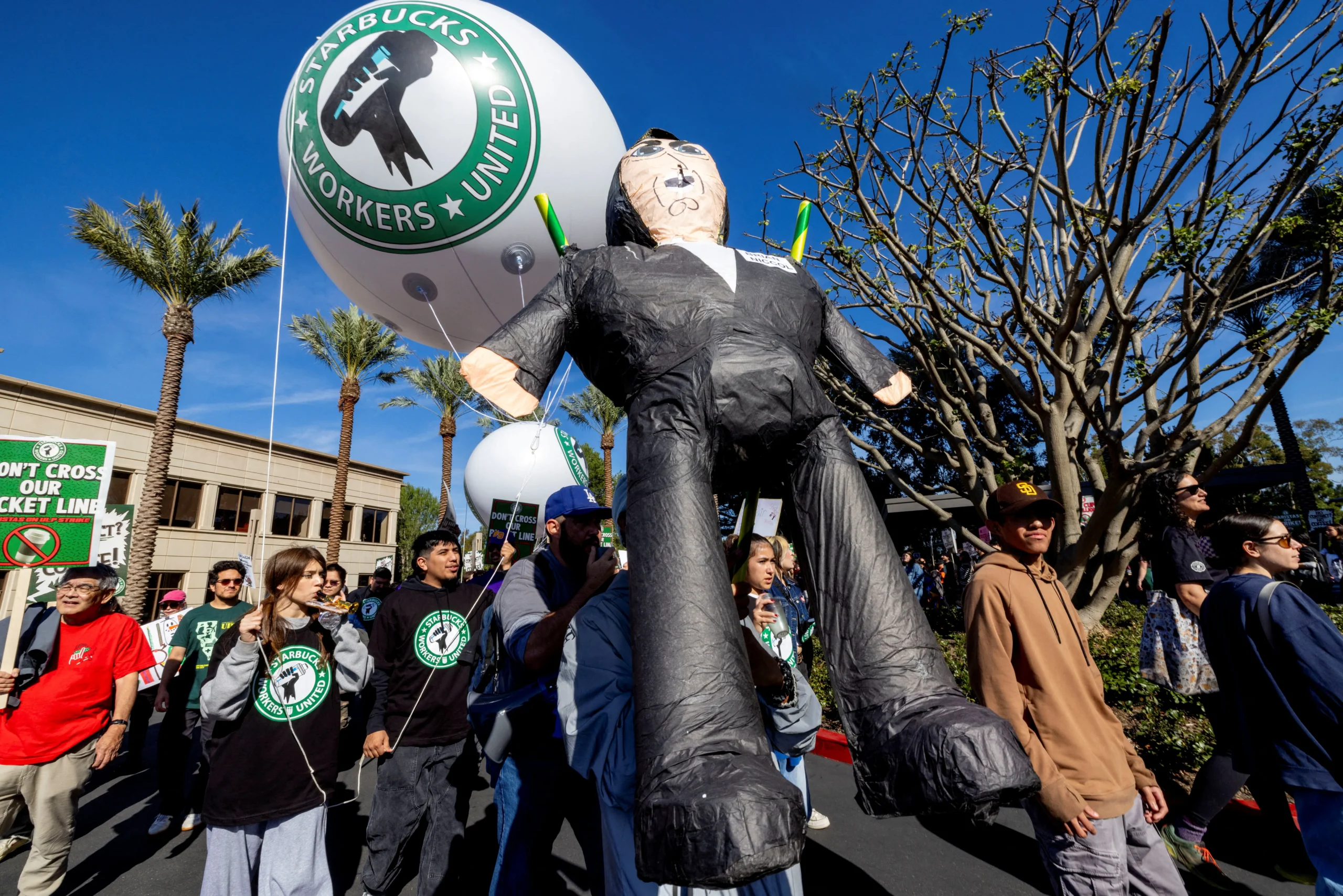
The NLRB has issued numerous complaints against Starbucks for alleged unfair labor practices, including retaliatory firings, store closures purportedly linked to union activity, and intimidation tactics. These cases have resulted in legal challenges and settlements, but the union maintains that the company’s anti-union efforts have continued and intensified. The recent intervention by UN experts highlights the global dimension of this labor dispute and raises questions about corporate accountability in upholding international labor standards.
Timeline of Allegations and U.N. Involvement
The timeline of the alleged anti-union campaign, as outlined by the UN experts’ letter, points to a persistent pattern of behavior by Starbucks since 2021. This period coincides with the initial surge in unionization efforts across the company’s U.S. workforce. The letter specifically mentions allegations of threats, harassment, and intimidation directed at employees involved in union activities.
Key allegations include:
- 2021-Present: Widespread reports of alleged anti-union tactics by Starbucks management.
- Ongoing: Claims of intimidation, harassment, and discriminatory practices against union organizers and supporters.
- Specific Incidents: Reports of law enforcement being summoned to break up peaceful worker protests, including picketing and leafleting.
- U.N. Inquiry: A formal letter sent by UN human rights experts to Starbucks and the U.S. government, requesting a response to these allegations.
The UN experts who authored the letter are independent Special Rapporteurs and members of a UN Working Group, appointed by the UN Human Rights Council. These experts are not speaking on behalf of the UN as an organization but are mandated to investigate and publicly report on human rights concerns within their respective mandates. Their involvement underscores the gravity of the allegations and the potential for international repercussions if the concerns are not adequately addressed.

Reopening of Contract Negotiations Amidst Ongoing Disputes
The current phase of the labor dispute sees renewed, albeit fragile, negotiations between Starbucks and its unionized baristas. These discussions, which represent what the company states is approximately 4% of its U.S. stores, had previously broken down in early 2025. The resumption of talks, however, is occurring within a contentious environment marked by ongoing legal battles and accusations from both sides.
Starbucks, in a statement provided to Reuters, asserted its commitment to "actively engaging with the union in good faith." The company indicated it has presented a proposal for a collective bargaining agreement designed to build upon its existing "competitive pay and industry-leading benefits," which include healthcare access and college tuition assistance for eligible employees. These benefits have long been a cornerstone of Starbucks’ employee value proposition.
However, Jaci Anderson, a spokesperson for Starbucks, offered a critical perspective on the union’s approach. Anderson characterized the union’s actions as a pattern of "publicity-driven stunts" with limited genuine engagement in the bargaining process. The company recently filed a complaint with U.S. labor regulators, accusing the union of abandoning negotiations. In response, the union, which has filed hundreds of complaints with the NLRB over the past four years, stated that talks are indeed continuing. This back-and-forth highlights the deep-seated disagreements and mistrust that continue to characterize the relationship between Starbucks management and its unionized workforce.
Broader Context: Legal Frameworks and Investor Relations
The allegations against Starbucks are being examined within the framework of U.S. labor law, primarily the National Labor Relations Act (NLRA), which protects employees’ rights to organize and bargain collectively. The NLRB plays a crucial role in enforcing these rights, investigating complaints, and issuing rulings. The numerous complaints filed by the union and the NLRB’s subsequent actions against Starbucks underscore the ongoing legal and regulatory scrutiny the company faces.

Internationally, the U.N. experts’ involvement brings a human rights perspective to the forefront. Their assessment will consider whether Starbucks’ actions align with its obligations under international human rights law, particularly the UN Guiding Principles on Business and Human Rights, which outline corporate responsibilities to respect human rights. The expectation is that multinational corporations like Starbucks should uphold these principles in all their operations, regardless of local legal frameworks, and ensure that their actions do not impede fundamental human rights.
Political and Shareholder Scrutiny
The labor dispute at Starbucks has also drawn the attention of political figures and the investment community. Late last year, a group of Democratic U.S. lawmakers urged Starbucks to negotiate a "fair contract" with its unionized employees, signaling a degree of political pressure on the company to resolve the ongoing labor issues.
The financial implications of prolonged labor disputes have also been a point of concern for investors. In March, shareholder proxy advisory firms advised investors that Starbucks might be underestimating the financial and reputational risks associated with its labor relations. These firms often guide institutional investors on corporate governance and shareholder engagement.
However, in a significant development shortly after this cautionary advice, Starbucks managed to secure the support of a vast majority of its shareholders. This outcome was interpreted by the company as a vote of confidence in its overall strategy and approach to managing its business, including its labor relations. While shareholders have largely sided with management, the persistent allegations of union-busting and the ongoing NLRB cases suggest that the labor challenges for Starbucks are far from over. The U.N. experts’ inquiry adds another layer of complexity and international pressure to this ongoing narrative.

The U.N. Experts’ Mandate and Potential Implications
The four independent experts who penned the letter to Starbucks and the U.S. government include Special Rapporteurs on freedom of peaceful assembly and association, and freedom of opinion and expression, as well as a member of the UN Working Group on Business and Human Rights. Their role is to monitor, advise, and publicly report on human rights situations and alleged violations.
Their inquiry signifies a potential escalation in the international pressure on Starbucks. While these experts do not issue legally binding judgments, their reports and public statements carry significant moral and political weight. They can draw global attention to alleged human rights abuses, encourage governmental action, and influence corporate behavior.
The implications of this UN involvement are multifaceted:
- Increased Scrutiny: Starbucks will face heightened international scrutiny regarding its labor practices.
- Reputational Risk: Persistent allegations of human rights violations, especially when highlighted by UN experts, can damage a company’s global reputation and brand image.
- Investor Confidence: While shareholders recently supported Starbucks’ approach, continued international pressure and potential findings of violations could impact investor confidence and lead to calls for greater corporate accountability.
- U.S. Government Response: The U.S. government, as a respondent to the UN letter, is expected to provide its perspective on the allegations and its role in upholding labor rights and international human rights standards within its jurisdiction. This could lead to further engagement with U.S. labor authorities and potentially influence policy discussions on worker rights.
- Precedent for Other Corporations: The UN’s engagement with Starbucks could set a precedent for how international human rights bodies address labor disputes involving multinational corporations, encouraging greater adherence to international labor standards across industries.
The coming weeks and months will be crucial as Starbucks and the U.S. government formulate their responses to the UN human rights experts. The outcome of this inquiry could have significant ramifications for the ongoing labor dispute at Starbucks and for the broader conversation around corporate responsibility and human rights in the global economy. The coffee giant, a symbol of American corporate ubiquity, now finds itself under the watchful eye of international human rights bodies, underscoring the interconnectedness of global commerce and fundamental human rights.