Employee engagement surveys are emerging as a cornerstone of effective organizational strategy, offering a reliable barometer for understanding and enhancing the well-being and performance of a company’s most valuable asset: its people. While engaged employees are the driving force behind increased performance, motivation, and productivity, the pervasive issue of employee disengagement continues to cast a long shadow over global economies, resulting in an estimated annual loss of $8.9 trillion in productivity. Recent analyses, such as Gallup’s State of the Global Workforce Report, paint a stark picture: a mere 23% of employees report feeling engaged, with a significant 62% identifying as "not engaged" and a concerning 15% as "actively disengaged." This data underscores a critical need for organizations to amplify their listening efforts and cultivate a more connected and motivated workforce. Employee engagement surveys provide a direct and effective mechanism for leaders to solicit candid feedback, identify successful strategies, and pinpoint areas requiring focused attention.
The Indispensable Role of Surveys in Gauging Employee Engagement
The power of employee engagement surveys lies in their ability to foster open and honest communication, a feat few other organizational tools can achieve. When feedback is collected through anonymous channels, employees are more inclined to share their genuine sentiments rather than adhering to corporate niceties. This candor equips leaders with a nuanced, human-centric understanding of employee morale, the factors driving their commitment, and the underlying impediments to their full potential. The strategic implementation of these surveys allows organizations to move beyond assumptions and gather actionable intelligence.
The benefits of leveraging employee engagement surveys are multifaceted:
- Unveiling Hidden Challenges: Surveys can expose systemic issues, such as poor management practices, lack of clear communication, or inadequate resources, that might otherwise remain undetected.
- Measuring Impact of Initiatives: By tracking engagement scores over time, organizations can assess the effectiveness of HR programs, leadership interventions, and cultural shifts.
- Enhancing Retention: Understanding what drives engagement allows companies to address factors that contribute to employee turnover, thereby improving retention rates and reducing recruitment costs.
- Boosting Productivity and Innovation: Engaged employees are more likely to be productive, creative, and willing to go the extra mile, directly contributing to the organization’s bottom line and competitive edge.
- Fostering a Positive Culture: Regular feedback mechanisms demonstrate a commitment to employee well-being and continuous improvement, cultivating a more positive and supportive work environment.
What Can Be Measured Through Employee Engagement Surveys?
Employee engagement surveys offer a comprehensive view into the daily experiences that shape the workforce, encompassing well-being, motivation, and a sense of belonging—elements often unseen until they manifest as performance dips. When executed effectively, these surveys not only capture how employees feel but also elucidate the root causes of those feelings.
Key metrics that can be gleaned from engagement surveys include:
- Job Satisfaction: Assessing overall contentment with roles, responsibilities, and work-life balance.
- Managerial Effectiveness: Evaluating the quality of leadership, support, and communication from direct supervisors.
- Team Cohesion and Collaboration: Understanding the dynamics within teams and the effectiveness of inter-departmental cooperation.
- Organizational Culture and Values: Gauging alignment with company mission, values, and the overall workplace atmosphere.
- Growth and Development Opportunities: Assessing employee perceptions of career advancement, skill development, and learning resources.
- Recognition and Appreciation: Measuring the extent to which employees feel their contributions are acknowledged and valued.
- Well-being and Workload: Understanding employee stress levels, mental health support, and the manageability of their workload.
- Sense of Purpose and Meaning: Determining if employees understand and connect with the impact of their work on the larger organizational goals.
A Deep Dive into Employee Engagement Survey Questions
The efficacy of an employee engagement survey hinges on the quality and relevance of the questions posed. By asking the right questions, organizations can unlock profound insights into their workforce.

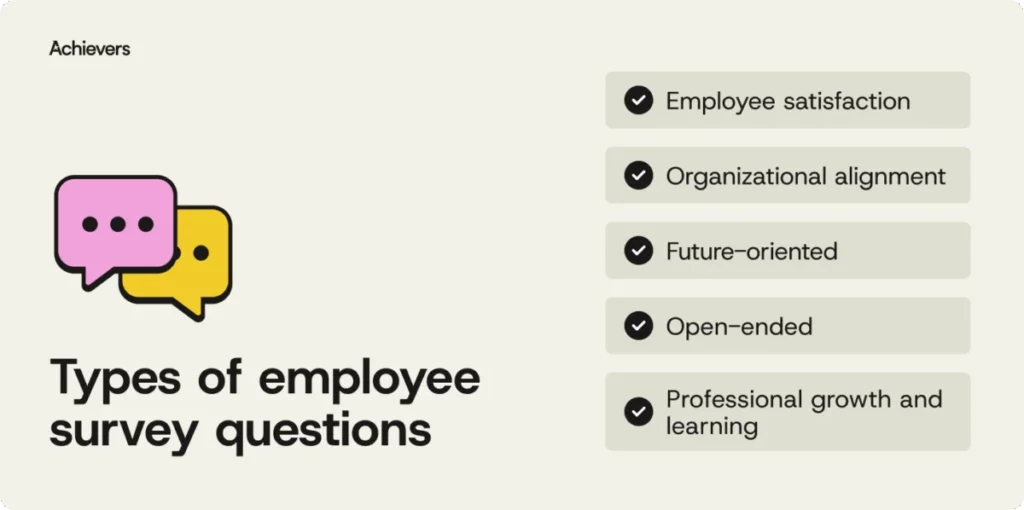
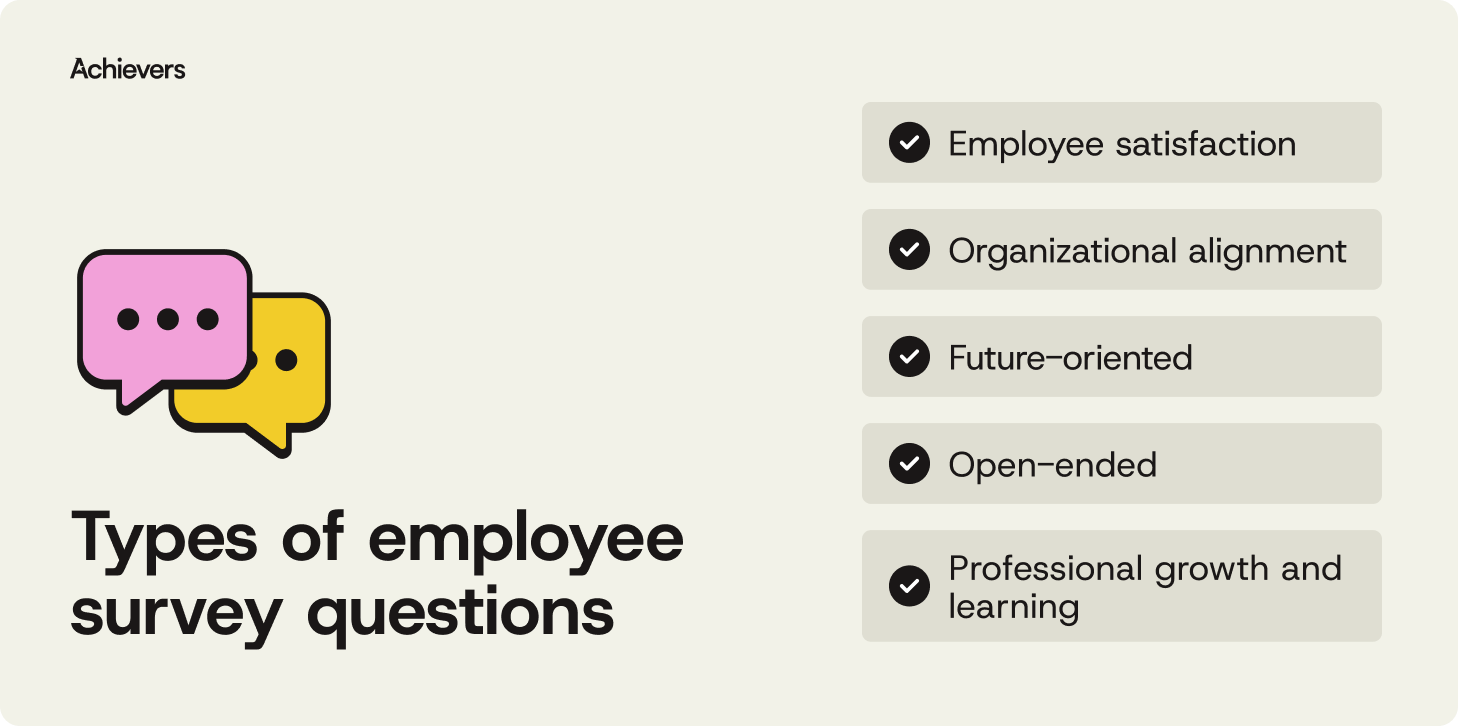
Employee Satisfaction Survey Questions
These questions are designed to capture the day-to-day experiences of employees and their overall satisfaction levels.
- How do you feel about your work today? This direct question allows for immediate feedback on current sentiment, enabling the identification of immediate issues or patterns in well-being. The use of visual scales and optional comment fields can enhance the richness of responses.
- Would you recommend us to your friends as an employer? This Net Promoter Score (NPS)-style question serves as a powerful indicator of the overall employee experience and brand advocacy.
- Do you feel excited about coming to work? Excitement is a strong proxy for engagement. A neutral or negative response can signal a need for intervention to re-ignite enthusiasm.
- Are you proud of working for the company? Pride often correlates with a strong connection to the organization’s mission, team, and accomplishments. Low pride can indicate disconnects that need addressing.
- Are you satisfied with your current compensation and benefits? While not the sole driver of engagement, fair compensation and valuable benefits are crucial for employees to feel supported and valued.
- Do you enjoy working with your team? Positive team dynamics significantly contribute to belonging and everyday engagement. This question can highlight strong team cultures or areas where conflict resolution might be needed.
Organizational Alignment Employee Engagement Survey Questions
These questions explore how employees connect with the broader organizational framework, including its mission, culture, and leadership.
- Do you find your work for [organization] meaningful? A sense of purpose is a powerful motivator. Employees who perceive meaning in their work are more resilient and committed.
- Does the company’s vision and values inspire you? This assesses the clarity and resonance of the organization’s guiding principles. If employees don’t connect with the vision, it can hinder alignment and motivation.
- Do others provide you with recognition for your accomplishments at work? Feeling appreciated is fundamental. A lack of recognition can lead to decreased motivation and a sense of being overlooked.
- Does our workplace culture foster a comfortable, supportive work environment? This question probes the lived experience of the organizational culture, distinguishing between stated ideals and daily realities.
- Is leadership invested in and contributing to your culture initiatives? Employee perception of leadership’s active involvement in culture-building is a strong signal of genuine commitment from the top.
Future-Oriented Employee Engagement Survey Questions
These questions proactively address potential concerns related to career progression and long-term commitment.
- Do you see yourself working here in a year? Given the rising rates of voluntary turnover, this question is critical for identifying potential retention risks early on.
- Does your work challenge you and aid your development? Employees seek growth. This question gauges whether roles are stimulating and if opportunities for skill enhancement are present. According to the 2026 State of Recognition Report, only 23% of global employees feel supported in their growth, highlighting the importance of this aspect.
- Do you see a path for career advancement? A clear career trajectory is vital for retaining ambitious employees. Ambiguity here can lead individuals to seek opportunities elsewhere.
- Do you have the tools needed to maximize your potential here? This question identifies potential roadblocks related to resources, technology, or support that might be hindering employee performance.
- Have you recently thought about leaving? While direct, this question, when asked anonymously, can uncover underlying issues before they lead to actual departures.
- Has anyone at the company asked about and expressed support for your career goals? Individualized attention to career aspirations fosters a sense of value and encourages long-term commitment.
Open-Ended Employee Engagement Survey Questions
These questions allow for nuanced responses, providing context and unique perspectives.
- What practices do we need to change? This question invites constructive criticism and actionable recommendations for improvement.
- Are there any problems with our culture? Employees often possess unique insights into cultural dynamics. This question can uncover blind spots for leadership.
- How can we help improve your engagement at work? A direct plea for employee needs can yield simple yet impactful solutions and foster a sense of co-ownership in engagement efforts.
Professional Growth and Learning Opportunities
These questions specifically address the avenues for professional development within the organization.
- Do you feel encouraged to learn new skills and grow professionally? This gauges the organization’s commitment to employee development beyond immediate job functions.
- Are there sufficient training programs or resources available to help you succeed in your role? This question assesses the adequacy of support systems for employee performance and skill acquisition.
- Do you have clear career development paths or mentorship opportunities within the organization? Clarity around career progression and access to guidance are key drivers of engagement and retention.
Designing Effective Employee Engagement Survey Questions
The art of designing an effective employee engagement survey lies in creating an environment where honesty flourishes. A balanced mix of quantitative and qualitative questions ensures a comprehensive understanding of employee experiences.
Quantitative Employee Engagement Survey Questions
Quantitative questions are instrumental in identifying trends, measuring progress over time, and facilitating cross-departmental comparisons. They typically employ rating scales or multiple-choice formats for ease of analysis.
Examples include:
- On a scale of 1 to 10, how satisfied are you with your current role?
- How likely are you to recommend our organization as a great place to work?
- How often do you receive recognition for your work?
Qualitative Employee Engagement Survey Questions
Qualitative questions delve into the "why" behind employee sentiments, offering rich context, personal narratives, and unique perspectives that quantitative data alone cannot capture.
Examples include:
- What is one thing we could do to improve your experience at work?
- Describe a time you felt particularly proud to be part of this organization.
- What challenges do you face in your role that hinder your productivity?
To maximize the value of qualitative responses, questions should be clear, unambiguous, and free from bias. Pilot testing with a small group can help refine these questions and ensure they elicit the desired depth of insight.
Employee Engagement Survey Best Practices
Implementing best practices ensures that the feedback collected is not only honest but also actionable, fostering trust and driving meaningful change.
- Keep Questions Concise and Focused: Short, clear questions promote honest responses and make it easier to pinpoint specific areas for improvement. Maintaining consistency in core questions over time allows for effective tracking of progress.
- Incorporate Open-Ended Prompts: While structured questions provide data, open-ended questions or comment boxes offer a crucial space for employees to share context, ideas, and concerns in their own words, often revealing the most valuable insights.
- Conduct Surveys Regularly: Annual surveys provide only a static snapshot. More frequent surveys, such as pulse surveys, allow organizations to monitor engagement in real-time, identify emerging issues, and demonstrate ongoing commitment to employee well-being.
- Ensure Anonymity: Confidentiality is paramount for eliciting candid feedback. Anonymous surveys encourage employees to share their true opinions without fear of reprisal, though offering an option for self-identification for follow-up can be beneficial.
- Allocate Dedicated Time: Providing employees with time during the workday and a private space to complete surveys signals that their input is genuinely valued, rather than an additional burden.
- Act on Feedback and Communicate Actions: Collecting feedback is only the first step. Sharing aggregated findings, outlining planned actions, and providing updates on progress builds trust and demonstrates that employee voices lead to tangible improvements. This closed-loop feedback process is crucial for sustained engagement.
Pulse Surveys: A More Agile Approach to Insight
Pulse surveys represent a more dynamic and responsive method for gauging employee sentiment. By posing shorter, more frequent sets of questions, organizations can capture real-time feelings and track shifts in engagement over time. This agile approach allows for rapid identification of emerging issues and the assessment of the impact of interventions. Platforms like Achievers Pulse offer pre-designed, research-backed questions, flexible deployment options, and intuitive dashboards that transform raw data into actionable "aha!" moments, streamlining the insight-generation process.
Leveraging Employee Surveys with Achievers
For organizations looking to effectively harness the power of employee feedback, comprehensive platforms are essential. Achievers, through its Voice of Employee tool and Pulse surveys feature, provides a robust suite of solutions designed to facilitate the collection, analysis, and actioning of employee feedback. By offering clear, real-time insights, Achievers empowers organizations to understand their workforce’s needs, identify areas for improvement, and foster a stronger, more engaged culture with every interaction. When employees feel their voices are heard and shape their work environment, engagement naturally flourishes, leading to a more resilient and thriving organization.