
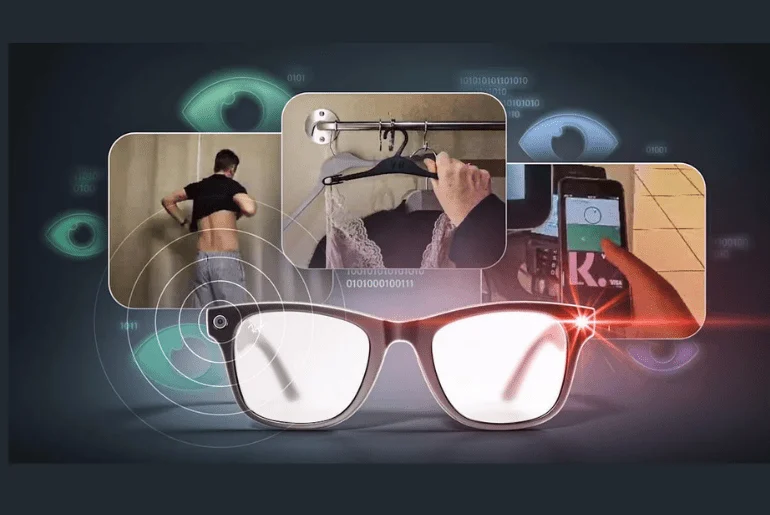
The United States Immigration and Customs Enforcement (ICE) has issued a directive to its personnel, explicitly prohibiting the use of camera-equipped smart glasses manufactured by Meta while on official duty. This sweeping restriction, communicated through an internal memo and subsequently reported by The New York Times, stems from profound concerns that these advanced wearable devices possess the inherent capability to inadvertently record or transmit sensitive information, thereby exposing the agency to substantial privacy and legal vulnerabilities. The policy underscores a growing tension between the rapid proliferation of consumer-grade wearable AI technology and the stringent requirements for data security, individual privacy, and operational integrity within sensitive governmental roles, particularly law enforcement.
Immediate Directive and Underlying Rationale
The memo, circulated agency-wide, leaves no ambiguity regarding the prohibition. It specifically targets personally-owned smart glasses that integrate camera functionality, such as Meta’s widely recognized Ray-Ban Stories. The core concern articulated by ICE is the potential for these devices to capture visual and auditory data from sensitive environments, operations, or interactions without explicit authorization or awareness, subsequently transmitting this information to personal accounts or cloud services beyond agency control. Such scenarios could compromise classified information, expose the identities of individuals involved in immigration proceedings, or inadvertently record private citizens, leading to potential breaches of privacy, litigation, and a severe erosion of public trust.
This proactive measure by ICE is not an isolated incident but rather a reinforcement of existing Department of Homeland Security (DHS) guidelines. The DHS, ICE’s parent agency, has a long-standing policy prohibiting employees from using personally owned body-worn cameras while performing official duties. The rationale behind this broader policy is multi-faceted, encompassing concerns about the chain of custody for potential evidence, the security and integrity of recorded data, compliance with privacy regulations, and the avoidance of conflicts of interest. The advent of sophisticated smart glasses, with their discreet design and seamless recording capabilities, presented a new dimension to this existing challenge, prompting ICE to issue a specific clarification tailored to this emerging technology.
The Rise of Wearable Technology and Its Unintended Consequences
The proliferation of smart glasses in the consumer market marks a significant technological shift, integrating digital capabilities directly into everyday accessories. Meta’s Ray-Ban Stories, for instance, are designed to look like conventional eyeglasses while housing discreet cameras, microphones, and speakers. Users can capture photos and videos, listen to audio, and make calls hands-free, all controlled through voice commands or subtle button presses. The appeal for general consumers lies in the convenience of hands-free content creation and communication, allowing individuals to "live in the moment" while still capturing experiences.
However, this very convenience becomes a critical liability in contexts demanding strict privacy and data control, such as law enforcement. The design ethos of these devices, which prioritizes seamless integration and inconspicuousness, directly clashes with the need for transparency and explicit consent when recording others, especially in public service roles. While Meta includes an external LED indicator that illuminates when the camera is actively recording, researchers and privacy advocates have highlighted that this indicator can be easily obscured or go unnoticed by individuals being recorded. This subtlety exacerbates the risk of covert surveillance, creating an environment where individuals, including those interacting with immigration personnel, might be recorded without their knowledge or consent, a clear violation of privacy expectations and potentially legal rights.
Chronology of Observations and Escalating Concerns
The ICE directive did not emerge in a vacuum but followed a period of increasing visibility of Meta smart glasses being worn by US immigration and border personnel during their official duties. Reports documented multiple sightings involving officers from Customs and Border Protection (CBP) and Border Patrol in various states across the nation. These observations, which included instances during active immigration operations, raised immediate red flags among internal stakeholders, privacy advocates, and even within the ranks of the agencies themselves.
These anecdotal sightings, while not necessarily indicating malicious intent, highlighted a significant policy gap and the rapid adoption of consumer technology by individual officers. The devices, initially marketed for social sharing and personal content creation, were being integrated into professional environments where the implications of their use were not fully understood or regulated. This informal integration presented a tangible risk of sensitive operational details, personal identifying information of individuals being processed, or even classified intelligence being inadvertently captured and potentially exposed. The growing frequency of these sightings underscored the urgency for a clear, agency-wide policy to mitigate these accumulating risks before a more significant incident occurred.
Department of Homeland Security’s Broader Stance on Body-Worn Cameras
The DHS’s established prohibition on personally owned body-worn cameras by employees performing official duties is rooted in several critical principles governing law enforcement and national security operations. Firstly, ensuring the integrity of evidence is paramount. Any footage collected as potential evidence must adhere to strict chain-of-custody protocols, be tamper-proof, and be stored in secure, agency-controlled repositories. Personally owned devices, by their nature, lack these safeguards, making any data collected unreliable for legal proceedings.
Secondly, data security and privacy are central. Agency-issued devices typically employ encrypted storage, controlled access, and strict data retention policies. Personally owned devices, linked to personal cloud accounts or devices, present a multitude of vulnerabilities, including susceptibility to hacking, unauthorized access, and data leakage. This risk extends to both the individuals being recorded and the officers themselves, whose personal information or operational details could be compromised.
Thirdly, the policy aims to prevent conflicts of interest and maintain accountability. When an officer uses a personally owned device, questions can arise about selective recording, deletion of footage, or personal motives influencing the use of the camera. Agency-issued cameras are typically governed by clear guidelines on when and how they are to be activated, ensuring consistency and impartiality. The ICE directive, therefore, serves as a crucial clarification, explicitly extending the existing DHS policy to cover modern smart glasses, recognizing them as a new iteration of body-worn recording technology that carries similar, if not amplified, risks due to their discreet nature.
The Nuances of Privacy Concerns in a Surveillance-Sensitive Environment
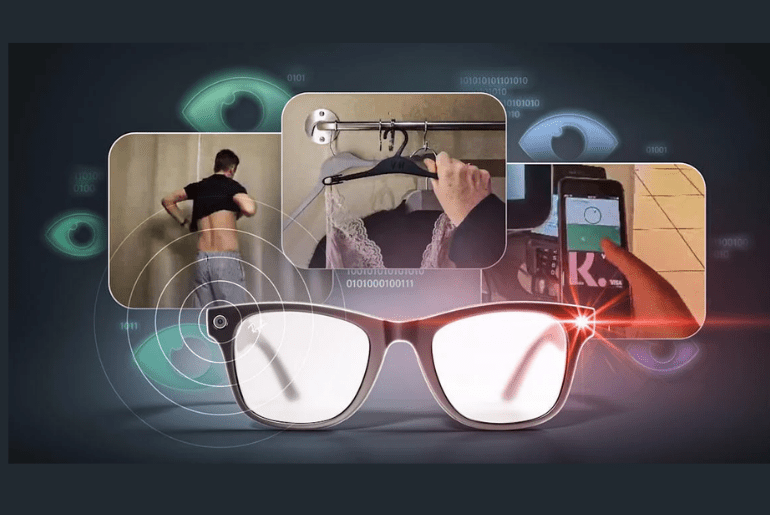
The privacy concerns surrounding Meta smart glasses in an immigration enforcement context are multi-layered and profound. The very act of interaction between immigration personnel and individuals often takes place in highly sensitive situations, involving vulnerable populations, asylum seekers, or those undergoing legal proceedings. Recording these interactions without explicit, informed consent raises significant ethical and legal questions.
One major concern is the "inadvertent recording" potential. Unlike a traditional camera or smartphone, which requires a conscious action to point and shoot, smart glasses offer hands-free, often voice-activated recording. An officer could activate recording through a simple command or gesture without fully considering the implications of capturing a conversation or scene that contains sensitive personal data, legal strategy, or even protected health information. The data could then be automatically uploaded to Meta’s servers or linked personal accounts, creating a data trail outside the secure, controlled environment mandated for official government data.
Furthermore, the "subtlety of design" is a double-edged sword. While it makes the glasses appealing as fashion accessories, it simultaneously makes them effective tools for inconspicuous surveillance. The average person interacting with an officer might not even realize they are being recorded, fundamentally undermining the principle of informed consent. The fact that researchers have demonstrated methods to obscure the tiny recording indicator further exacerbates these fears, suggesting a potential for deliberate circumvention of privacy safeguards. This lack of transparency can foster distrust between the public and law enforcement, which is antithetical to effective community relations.
Broader Implications for Law Enforcement Technology and AI Integration
The ICE directive also brings into sharper focus the ongoing debate about the appropriate integration of advanced technology, particularly artificial intelligence (AI) and biometric capabilities, into law enforcement. The original article notes that ICE is reportedly seeking funding for specialized smart glasses equipped with biometric identification capabilities, potentially for deployment as early as next year. This distinction between personally owned, consumer-grade devices and agency-issued, specialized equipment is critical.
While personally owned devices are prohibited due to lack of control and security, agency-issued smart glasses, if implemented, would fall under a very different regulatory and operational framework. Such specialized devices, if adopted, would likely be procured through official channels, subject to rigorous testing, and integrated into secure data management systems. Their use would be governed by strict protocols, training, and oversight mechanisms, similar to how agency-issued body-worn cameras are managed. The biometric identification capabilities, for instance, could potentially enhance officer safety, aid in rapid identification of individuals, or streamline administrative processes.
However, even with agency-issued technology, the deployment of smart glasses with biometric features raises significant ethical and civil liberties concerns. Questions about accuracy, bias in biometric algorithms, potential for misuse, scope of surveillance, and the rights of individuals to privacy must be thoroughly addressed. The public, privacy advocates, and civil liberties organizations consistently call for robust legal frameworks, independent oversight, and transparent policies before such powerful surveillance technologies are widely deployed. The discussion around ICE’s interest in such technology highlights the ongoing tension between leveraging technological advancements for operational efficiency and safeguarding fundamental rights in a democratic society.
Reactions and Expert Commentary
While the original article does not provide direct quotes from external parties, the nature of the issue invites inferable reactions from various stakeholders. Privacy advocates and civil liberties organizations, such as the American Civil Liberties Union (ACLU) or the Electronic Frontier Foundation (EFF), would undoubtedly commend ICE’s proactive prohibition of personally-owned smart glasses. They would likely emphasize the importance of such policies in preventing unauthorized surveillance and protecting the privacy rights of individuals, particularly those in vulnerable positions during immigration enforcement. They would also likely call for increased transparency and public consultation regarding any future plans for agency-issued smart glasses with biometric capabilities, stressing the need for robust safeguards against potential abuses and mission creep.
Technology ethicists would likely weigh in on the complex interplay between innovation and societal impact. They might point out that while technology companies develop devices for broad consumer appeal, the unintended consequences when these technologies are adopted in sensitive professional contexts, especially law enforcement, must be carefully considered. They might advocate for "privacy-by-design" principles to be integrated into all wearable technologies, alongside clearer warnings or features that make unauthorized recording more difficult or obvious.
The general public, particularly those concerned about government surveillance, would likely view ICE’s directive as a necessary step to protect individual privacy. However, a segment of the public might also recognize the potential benefits of agency-issued, regulated smart glasses for improving accountability or efficiency, provided stringent oversight is in place.
The Future Landscape: Regulation, Innovation, and Trust
The ICE directive serves as a stark reminder of the challenges posed by rapidly evolving consumer technology in professional environments, especially those with significant public trust implications. It underscores the critical need for governmental agencies to develop agile and comprehensive policies that can keep pace with technological advancements, rather than reacting to incidents after they occur.
The future landscape will likely involve continued innovation in wearable AI, with devices becoming even more sophisticated, discreet, and capable. Simultaneously, there will be increasing pressure for more robust regulatory frameworks, not just for government agencies using these technologies, but also for the technology companies themselves. This includes demands for greater transparency in how these devices function, what data they collect, and how that data is secured and utilized.
Ultimately, the goal for agencies like ICE, and indeed for all law enforcement bodies, is to strike a delicate balance: leveraging technology to enhance public safety and operational effectiveness while rigorously upholding the constitutional rights and privacy expectations of all individuals. The prohibition of personally owned Meta smart glasses by ICE is a foundational step in asserting control over the technological tools used by its personnel, signaling a commitment to mitigating privacy risks in an increasingly connected and data-rich world. The path forward for agency-issued smart glasses, however, will undoubtedly require extensive public dialogue, ethical review, and transparent policy development to build and maintain the public trust essential for their legitimate deployment.








