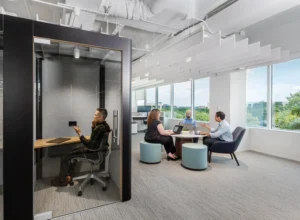
The true measure of a coworking brand’s success lies not within the polished veneer of its website or the targeted precision of its digital advertising, but in the authentic perceptions and conversations it sparks in the real world. When individuals encounter a coworking space’s logo, pass by its physical location, or hear its name mentioned, what is the immediate association? Do these interactions elicit recognition and understanding, or do they pass by unnoticed? The efficacy of a coworking space’s positioning and community-building efforts is ultimately tested "in the wild," a far more revealing arena than curated online content.
The prevailing sentiment among industry experts, such as Cat Johnson, a prominent voice in the coworking community and founder of Coworking Convos and the Coworking Creators Lab, is that a brand is fundamentally shaped by what others perceive and articulate about it. While superficial attributes like the comfort of seating, the convenience of a location, the attentiveness of hospitality, or visually appealing design elements can initially attract attention, they are merely the surface layer. The enduring essence of a coworking brand, the factor that cultivates genuine loyalty and transforms a transactional user into a deeply engaged community member, resides in the underlying experience.

This distinction is critical for operators aiming to foster more than just a physical workspace. While investing in high-quality furniture, exceptional service, and aesthetically pleasing interiors is important, these elements alone do not guarantee a vibrant coworking atmosphere. Anecdotal evidence from numerous spaces suggests that some can possess striking visual appeal yet lack the essential "vibe" and energetic pulse that defines a thriving community. The challenge, therefore, for coworking operators is to move beyond the tangible and cultivate an intangible, yet powerful, sense of belonging and connection.
The development of a robust coworking brand is a multifaceted process that extends beyond marketing and design. It necessitates a deep understanding of the human element, the core of any successful community. Operators who prioritize genuine human interaction, actively facilitate member-to-member connections, and participate authentically in the community they are cultivating are laying the groundwork for something truly impactful. Furthermore, extending this engagement to the broader local community and strategically inviting external groups into the space can amplify its reach and embed it more deeply within its geographical context. The ultimate goal is to create an experience that transcends the utilitarian function of a workspace, fostering an environment where lives are transformed and communities flourish.
The Evolution of Coworking Branding: From Amenities to Experience
The coworking industry, which has experienced exponential growth over the past decade, has seen a significant shift in how brands are perceived and valued. Initially, the appeal of coworking spaces was largely driven by tangible benefits: flexible lease terms, cost savings compared to traditional office leases, and access to shared amenities like high-speed internet, printers, and meeting rooms. Brands that could offer these practical advantages effectively positioned themselves as convenient solutions for freelancers, startups, and small businesses.

However, as the market matured and the number of coworking options proliferated, a competitive landscape emerged where these foundational offerings became table stakes. Operators began to recognize that to differentiate themselves and build lasting brand loyalty, they needed to offer something more profound. This led to an increased emphasis on creating unique "experiences" within their spaces. The focus shifted from simply providing desks to curating environments that fostered productivity, collaboration, and a sense of belonging.
Timeline of Branding Evolution:
- Early 2000s – Mid-2010s: The "Flexibility & Affordability" Era: Coworking spaces primarily marketed themselves on cost-effectiveness, flexible memberships, and essential business amenities. Brands were built on practicality and convenience.
- Mid-2010s – Late 2010s: The "Amenities & Design" Boom: As the market expanded, spaces began to invest heavily in attractive design, premium amenities (like gourmet coffee, ergonomic furniture, and wellness rooms), and a more curated aesthetic. Branding started to incorporate lifestyle elements.
- Late 2010s – Present: The "Community & Experience" Imperative: With market saturation, the emphasis shifted dramatically towards fostering genuine community, offering unique member experiences, and cultivating a strong sense of belonging. Brands are now defined by the quality of their human connections and the impact they have on their members’ lives and businesses.
Data-Driven Insights into Brand Perception
Recent studies underscore the growing importance of community and experience in the coworking sector. A 2023 report by the Global Coworking Association (GCA) indicated that over 70% of coworking members cite "community and networking opportunities" as a primary reason for choosing their space, surpassing factors like price or location in importance. Furthermore, a survey conducted by Coworker.com in early 2024 revealed that spaces with a strong community ethos reported higher member retention rates, averaging 85% compared to 65% for spaces with a weaker community focus.

These figures highlight a critical paradigm shift: the intangible aspects of a coworking space are becoming its most valuable assets. Brands that effectively cultivate a sense of belonging and provide meaningful opportunities for connection are not only attracting more members but are also fostering a more resilient and engaged user base. This translates into lower churn rates, higher customer lifetime value, and a more powerful word-of-mouth marketing effect.
The "Experience" Beyond the Superficial
The core argument presented by Cat Johnson is that while the initial attraction might be based on tangible elements, the true brand identity is forged in the lived experience. Consider the following:
- The "Nice Chairs" Phenomenon: While comfortable seating is a basic expectation, it is rarely the deciding factor for long-term commitment. A space known solely for its luxurious chairs might attract first-time visitors, but if the underlying atmosphere is sterile or unsupportive, members are unlikely to renew. The true impact of such amenities is when they contribute to an overall environment of well-being and productivity, rather than being the sole selling point.
- Hospitality as a Foundation, Not the Ceiling: Excellent hospitality, characterized by friendly staff, efficient service, and a welcoming atmosphere, is crucial for a positive first impression and daily experience. However, a space that relies solely on its welcoming staff to define its brand risks being perceived as merely a service provider rather than a community hub. The hospitality should serve as the bedrock upon which genuine connections and member engagement are built.
- Design as a Catalyst, Not the Core: Visually stunning interiors can undoubtedly create an appealing aesthetic and provide excellent backdrops for social media. However, a space that is "Instagrammable" but lacks soul or genuine interaction will ultimately fail to foster a lasting brand. The most impactful designs are those that actively encourage interaction, facilitate collaboration, and reflect the unique culture of the community within.
The implication of this perspective is that coworking operators must look beyond surface-level features. They need to invest in the "how" of the member experience, not just the "what." This involves:

- Deep Member Understanding: Taking the time to truly know members – their professional goals, personal interests, and networking needs – allows for more personalized and effective community building.
- Intentional Connection Facilitation: Proactively introducing members to each other based on shared interests or potential collaborations, rather than leaving it to chance, can significantly enhance the value proposition.
- Active Community Participation: Community managers and operators who are visible, engaged, and genuinely invested in the well-being of their members create a palpable sense of care and commitment.
- Local Integration: Becoming an active participant in the local business ecosystem and cultural landscape extends the brand’s reach and relevance beyond its physical walls.
Building a Brand That Endures
The brands that achieve enduring success in the coworking sector are those that understand that their true differentiator is not their square footage or their coffee machine, but the quality of the human connections and the transformative experiences they facilitate. This requires a strategic shift in focus from transactional amenities to relational engagement.
Analysis of Implications:
The emphasis on authentic community building has several far-reaching implications for the coworking industry:

- Increased Member Loyalty and Retention: Spaces that foster a strong sense of belonging and provide meaningful networking opportunities are likely to experience higher member retention rates, reducing the constant pressure of new member acquisition.
- Enhanced Brand Reputation and Word-of-Mouth Marketing: A positive and engaging community experience naturally leads to positive word-of-mouth referrals, which are often the most powerful and cost-effective form of marketing.
- Differentiation in a Crowded Market: As the coworking market continues to mature, genuine community and unique member experiences will become critical differentiating factors, allowing operators to stand out from competitors who may only offer superficial amenities.
- Greater Resilience in Economic Downturns: Spaces with deeply engaged communities often demonstrate greater resilience during economic downturns, as members value the supportive network and sense of stability the space provides, even if their individual business needs fluctuate.
- Potential for New Revenue Streams: A strong community can open doors to new revenue opportunities beyond membership fees, such as workshops, events, partnerships, and curated services tailored to member needs.
In conclusion, the contemporary definition of a successful coworking brand is intrinsically linked to the cultivation of a vibrant, supportive, and engaging community. While superficial elements may attract initial attention, it is the depth of human connection, the quality of shared experiences, and the genuine impact on members’ lives that ultimately define a coworking space’s lasting brand identity and its ability to thrive in an evolving market. The future of coworking branding lies in the art of building belonging, fostering meaningful interactions, and creating spaces that are not just places to work, but places to connect, grow, and truly belong.