A significant new report, published on August 11, 2026, casts a stark light on the growing chasm between employer preparedness and employee expectations in the face of increasingly frequent and severe disruptions. The findings reveal that nearly 40% of the workforce feels abandoned, left to independently navigate the complex and often hazardous challenges posed by severe weather events, critical infrastructure failures, and other societal disruptions. This pervasive sense of isolation and lack of employer support is not merely an ethical failing but poses substantial risks to employee well-being, productivity, and organizational resilience.
The report, compiled from responses collected in July 2026 from 1,000 adults employed at physical locations across various sectors, paints a concerning picture of the modern workplace’s vulnerability. It underscores a critical gap in corporate crisis management strategies, particularly concerning the human element. While businesses often invest in technical disaster recovery plans, the survey suggests a widespread oversight in adequately supporting their most valuable asset: their employees. This oversight has tangible consequences, with more than half of workers admitting to avoiding work due to hazardous conditions, directly impacting operational continuity and economic output.
The Alarming Reality: Workers Left in the Lurch
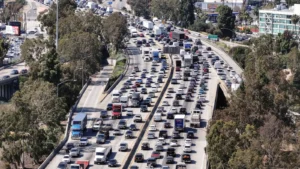
The core revelation from the survey is the staggering percentage of workers who report being left to their own devices when disruptions strike. This sentiment permeates the workforce, leading to frustration, anxiety, and a diminished sense of loyalty. When blizzards blanket cities, as was the case with the historic sleet storm that impacted Washington, D.C., on January 31, 2026, or when heatwaves push temperatures to dangerous highs, employees are often faced with a dilemma: risk their safety to comply with work schedules or face potential repercussions for absence. The report highlights that a striking 56% of those surveyed expressed concerns about the safety of their workplace itself, while 53% identified their commute as the primary risk vector during such events. These figures are not mere statistics; they represent millions of individuals navigating compromised transit systems, hazardous road conditions, and potentially unsafe work environments without clear guidance or robust support from their employers.
The data further elaborates on the types of disruptions compelling workers to make difficult choices. A significant 54% of respondents cited severe weather, including blizzards, torrential rain, and extreme heat or cold, as reasons for avoiding work. This category alone encompasses a broad spectrum of meteorological events, from localized thunderstorms causing flash floods to widespread winter storms that paralyze entire regions. Beyond the whims of nature, human-made vulnerabilities also play a considerable role. Transportation disruptions, ranging from public transit failures to road closures, were cited by 19% of workers. Infrastructure failures, encompassing everything from power outages and communication breakdowns to water supply interruptions, affected 16%. Alarmingly, 14% of workers also pointed to crime as a factor influencing their ability or willingness to attend work, reflecting broader societal safety concerns that can intersect with workplace accessibility and perceived security.
Drivers of Disruption: Weather, Infrastructure, and More
The increasing frequency and intensity of severe weather events are widely recognized as a consequence of climate change, presenting an evolving and persistent challenge for businesses and their workforces. From the unprecedented heatwaves scorching the American Southwest to the devastating hurricanes battering coastal communities and the severe winter storms gripping the Northeast, these events are no longer anomalies but regular occurrences. Each incident carries a cascading effect, disrupting supply chains, damaging property, and, critically, impeding the ability of employees to safely reach and perform their jobs.
Beyond meteorological phenomena, the state of critical infrastructure in many developed nations, particularly the United States, poses another significant threat. Decades of underinvestment have left roads, bridges, public transit systems, and utility grids vulnerable to failure. A power grid struggling to cope with peak demand during extreme temperatures, or an aging water pipe system susceptible to ruptures, can bring daily life, and consequently business operations, to a grinding halt. When a major power outage strikes a metropolitan area, not only are businesses directly affected, but employees living within the affected zone face challenges ranging from loss of internet connectivity for remote work to an inability to travel safely to physical workplaces. The intersection of these environmental and infrastructural vulnerabilities creates a complex web of risks that employers must proactively address.

A Call for Employer Accountability and Proactive Measures
The survey clearly articulates what workers desire from their employers during periods of disruption: more support, clearer communication, and greater flexibility. A substantial 23% of workers emphasized the need for "faster, clearer communication" before a crisis unfolds. This highlights a desire for proactive rather than reactive information dissemination, allowing employees to plan and make informed decisions about their safety and work arrangements. Ambiguity or delayed communication can exacerbate anxiety and lead to confusion, making an already difficult situation worse.
Furthermore, 18% of respondents called for more decisive closure decisions from their employers. The hesitation often seen in businesses to close operations, even when conditions are demonstrably hazardous, places employees in an untenable position. Clear, timely decisions demonstrate a commitment to employee safety and well-being over immediate, short-term operational concerns.
Another significant demand, voiced by 16% of workers, was for companies to offer remote work flexibility when conditions are hazardous. The COVID-19 pandemic undeniably accelerated the adoption of remote and hybrid work models, proving their feasibility for many roles. Yet, some organizations have been slow to integrate this flexibility into their standard crisis response protocols, forcing employees to brave dangerous conditions unnecessarily. Leveraging remote work capabilities during severe weather or infrastructure failures can ensure business continuity while prioritizing employee safety.
Finally, 15% of workers stressed the importance of companies pairing safety protocols with financial responsibility. This speaks to concerns about potential loss of pay, use of personal leave, or uncompensated hours spent dealing with work-related issues during disruptions. Employers who expect employees to navigate hazards must also ensure that doing so does not come at a significant personal financial cost, whether through offering paid time off for disruptions, stipends for emergency travel, or clear policies on compensation during forced closures.
Expert Recommendations for Organizational Resilience
The report offers critical suggestions for companies aiming to enhance their resilience and better support their workforce. A key recommendation is to make communications about disruptive events "proactive, not reactive." This involves establishing clear communication channels, pre-drafting emergency messages, and defining protocols for immediate dissemination through multiple platforms (email, SMS, company intranet, social media) as soon as a potential threat is identified. Proactive communication builds trust, reduces uncertainty, and empowers employees to prepare.
Another vital recommendation is to connect "presence data to incident response." This implies leveraging technology to understand where employees are located (while respecting privacy) to better assess their safety and needs during a crisis. Knowing who might be affected by a localized power outage or a specific transportation disruption allows for targeted communication and support. This could involve anonymous check-in systems, emergency contact databases, and integrated mapping tools that visualize employee locations relative to hazard zones. Such data-driven approaches enable more efficient and effective emergency response, ensuring that aid and information reach those who need it most.
The Broader Context: A World of Increasing Instability

The findings of this report are not isolated but resonate within a broader global context of escalating instability. Climate change projections indicate a continued rise in the frequency and intensity of extreme weather events, making robust preparedness an ongoing necessity rather than a one-off project. From rising sea levels threatening coastal cities to prolonged droughts impacting agriculture and water supplies, the environmental landscape is shifting rapidly, directly influencing the operational environment for businesses.
Simultaneously, the aging infrastructure in many developed nations presents a persistent and worsening challenge. Bridges built decades ago are reaching the end of their lifespan, electrical grids are struggling to meet modern demands, and public transit systems often operate on outdated technology. These vulnerabilities mean that disruptions are not only caused by external forces like weather but also by inherent systemic weaknesses. The combination of these factors creates a "new normal" where businesses must continuously adapt their operational and HR strategies to maintain continuity and protect their employees.
Moreover, geopolitical tensions, cyber threats, and even public health crises – as demonstrated by the COVID-19 pandemic – add further layers of complexity to organizational resilience. Each type of disruption requires a tailored but integrated response, emphasizing the need for comprehensive crisis management plans that go beyond traditional business continuity.
The Evolving Role of Human Resources in Crisis Management
Historically, crisis management often fell under operations or security departments, with HR playing a supporting role in managing employee communications or payroll during disruptions. However, this report underscores the evolving and central role of Human Resources in organizational resilience. HR professionals are uniquely positioned to bridge the gap between corporate strategy and employee well-being. They are responsible for developing and communicating policies on remote work, emergency leave, and compensation during crises. They also play a crucial role in fostering a culture of safety and preparedness, ensuring employees are trained and informed about emergency protocols.
Effective HR leadership during disruptions involves:
- Policy Development: Crafting clear, empathetic policies for remote work, flexible hours, emergency leave, and compensation during unavoidable absences.
- Communication Strategy: Working with leadership to develop proactive, multi-channel communication plans that prioritize employee safety and provide timely updates.
- Technology Integration: Collaborating with IT to implement systems for emergency alerts, employee check-ins, and secure remote work infrastructure.
- Training and Education: Ensuring employees are aware of emergency procedures, understand their options during disruptions, and know how to access support.
- Employee Well-being Support: Providing resources for mental health and stress management, recognizing the psychological toll that prolonged uncertainty and disruption can take.
By proactively engaging in these areas, HR can transform from a reactive administrative function to a strategic partner in building a resilient, supported workforce.
Financial Imperatives and Ethical Obligations
Making workplaces safer and ensuring employee support during disruptions isn’t merely an ethical consideration; it is also a significant financial imperative. The National Institute for Occupational Safety and Health recently estimated that workplace violence alone costs approximately $121 billion annually. While this figure pertains specifically to violence, it highlights the immense financial burden associated with unsafe or unsupportive work environments. Broader disruptions, such as severe weather, infrastructure failures, or even perceived lack of safety, incur costs through lost productivity, increased absenteeism, higher employee turnover, and potential legal liabilities.

When employees feel unsupported or unsafe, morale plummets, leading to decreased engagement and productivity. The cost of recruiting and training new employees to replace those who leave due to dissatisfaction or safety concerns can be substantial. Furthermore, a company’s reputation can suffer significantly if it is perceived as neglecting the well-being of its employees during a crisis. In today’s interconnected world, negative stories can spread rapidly, impacting talent acquisition, customer loyalty, and investor confidence.
Conversely, companies that demonstrate a strong commitment to employee safety and support often experience higher retention rates, improved morale, and enhanced productivity. They cultivate a loyal workforce that is more resilient and committed to the organization’s success, even in challenging times. Investing in robust emergency preparedness, clear communication strategies, and flexible work arrangements is not an expense but a strategic investment in long-term organizational stability and success.
Moving Forward: Building a Resilient Workforce and Workplace
The findings of this report serve as a critical wake-up call for organizations globally. The era of assuming that employees will simply "deal with it" during disruptions is over. The expectation from the modern workforce is clear: employers must take accountability for these situations, providing proactive support, clear communication, and adaptable policies.
To move forward effectively, businesses must:
- Develop Comprehensive Crisis Management Plans: These plans must extend beyond physical assets to explicitly address employee well-being, communication, and support.
- Prioritize Proactive Communication: Establish systems for rapid, clear, and consistent communication before, during, and after disruptive events.
- Embrace Flexibility: Integrate remote work and flexible scheduling options into standard operating procedures for times of crisis.
- Invest in Technology: Utilize tools for emergency alerts, employee check-ins, and secure remote access to ensure continuity and safety.
- Foster a Culture of Safety and Support: Embed the principle that employee safety and well-being are paramount, not just during crises but as an ongoing organizational value.
- Regularly Review and Update Policies: As environmental and societal conditions evolve, so too must company policies and preparedness strategies.
The journey towards true organizational resilience is ongoing. It requires continuous adaptation, learning from past events, and, most importantly, listening to the voices of the workforce. Only by prioritizing the safety and support of their employees can businesses truly withstand the escalating challenges of the 21st century and emerge stronger.