Registration has officially opened for Workspace Design Show London 2027, which returns to the Business Design Centre on 24–25 February, bringing together leading figures from architecture, design, real estate, and workplace management to explore the future of the working environment. This pivotal two-day event is poised to delve deeply into the human experience of work, challenging conventional paradigms in workplace design and critically examining how physical environments can be meticulously crafted to better support the ever-evolving needs of both organisations and their invaluable employees. As a testament to its significance, Workplace Insight, Works, and Sustainability Works magazine are once again proudly serving as media partners for the event. The show is set to feature an impressive roster of over 140 distinguished speakers gracing four dedicated stages, complemented by a curated selection of immersive installations, groundbreaking product launches, and comprehensive exhibitions showcasing the latest innovations from leading global workplace furniture and design brands.
A Convergence of Industry Leaders and Visionaries
The highly anticipated speaker programme for Workspace Design Show London 2027 promises an unparalleled gathering of influential minds. Esteemed representatives from globally recognised organisations such as Gensler, TP Bennett, LinkedIn, PwC, Overbury, Zoom, AECOM, and WilkinsonEyre are confirmed to participate. Among the notable speakers are Collin Burry, Design Principal at Gensler, who will undoubtedly offer insights into the strategic vision driving contemporary design; Izabella Lorenz, Head of Real Estate & Workplace Experience at Zoom, expected to share perspectives on adapting physical spaces for remote and hybrid workforces; Paulo Ribeiro, Head of Interior Design UK&I at AECOM, who will likely discuss the integration of sustainability and human-centric design principles; and Chris Booth, Group Managing Director at Overbury, bringing a contractor’s perspective on delivering innovative workplace solutions. These prominent figures will be further joined by Yasmin Al-Ani Spence, Board Director at WilkinsonEyre, a practice renowned for its impactful architectural and interior design projects, and Kathryn Thomas, Managing Director, Head of International, RES at Citigroup, offering a crucial corporate perspective on the strategic importance of workplace environments.
The overarching theme of the programme is expected to meticulously explore the intricate and vital relationship between people, place, and organisational performance. Discussions are set to address the rapidly evolving expectations of employees in the post-pandemic era, a demographic increasingly prioritising flexibility, well-being, and a sense of purpose in their work environments. Furthermore, the programme will critically examine the pivotal role of thoughtful and innovative design in creating workplaces that are not only more effective and productive but also profoundly engaging and inspiring for all occupants. This focus on the human element underscores a significant shift in how businesses are viewing their physical spaces, moving beyond mere functional requirements to embrace spaces that actively contribute to employee satisfaction, retention, and overall business success.
Immersive Experiences and Cutting-Edge Innovations
Beyond the insightful conference sessions, attendees will have the exclusive opportunity to explore a diverse array of new products and cutting-edge workplace solutions from a distinguished list of exhibitors. Companies such as Brunner, a manufacturer known for its high-quality furniture solutions; Bisley, a leader in workplace storage and furniture; Sedus, a provider of ergonomic seating and office furniture; MDD Social Spaces, specialising in creating collaborative and social zones; and Interface, a global leader in modular carpeting with a strong commitment to sustainability, are all set to showcase their latest offerings. These exhibitions represent a vital platform for discovering tangible solutions that can be implemented to enhance the modern workplace.
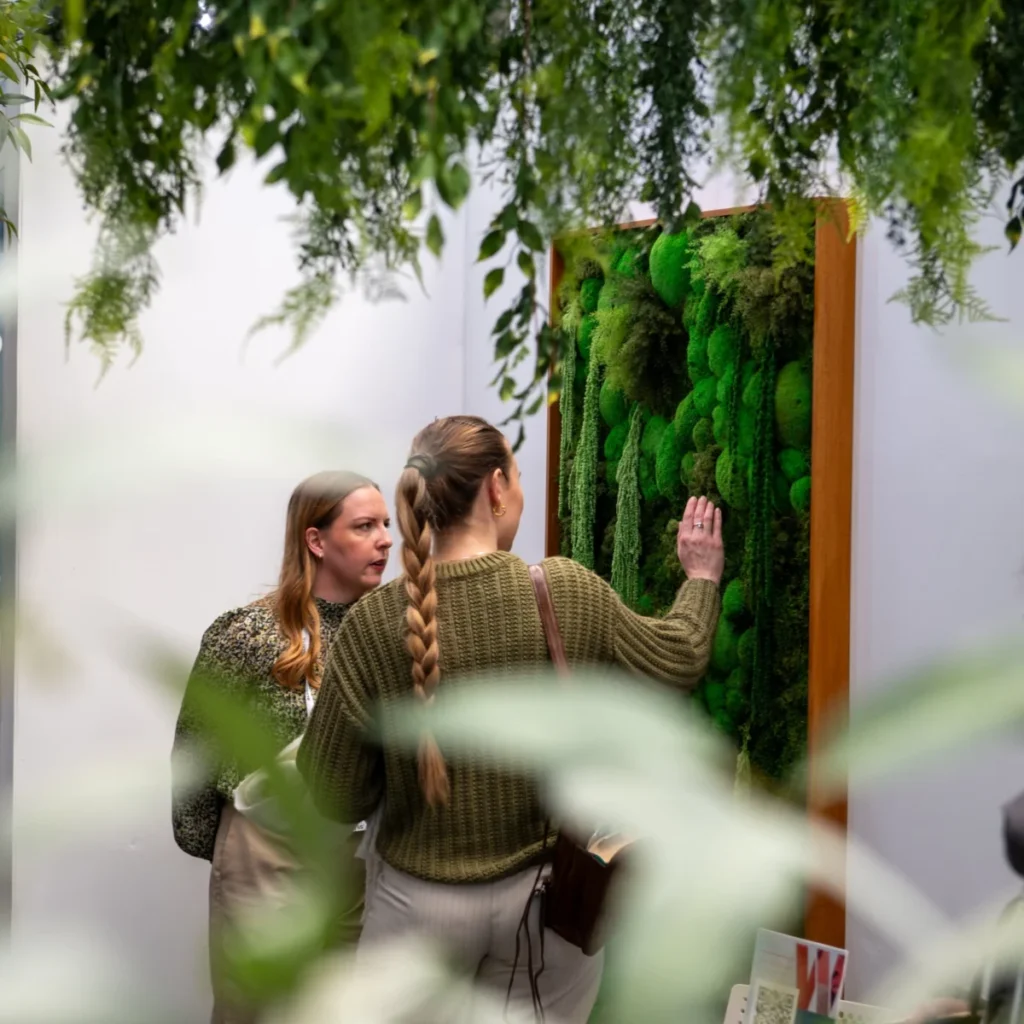
A central and particularly exciting feature of the 2027 event will be a series of meticulously designed immersive installations. These installations are intended to transcend the conventional exhibition format, offering visitors a truly experiential understanding of contemporary workplace concepts. Leading architecture and design practices, including Gensler, Area, Peldon Rose, and MCM Architecture, will be creating unique and thought-provoking experiences. These installations are designed to interpret the show’s overarching theme, actively encouraging visitors to engage with and consider how different workplace environments profoundly influence the ways in which people interact, collaborate, and ultimately, perform their work. This experiential approach aims to provide a deeper, more visceral understanding of the impact of design on human behaviour and productivity, moving beyond theoretical discussions to tangible demonstrations.
Context and Significance of Workspace Design Show London
The Workspace Design Show London, since its inception, has rapidly established itself as a cornerstone event for professionals involved in shaping the future of work. The inaugural show, held in 2020, aimed to address a growing recognition within the industry that the traditional office model was no longer sufficient for the demands of a rapidly changing world. Subsequent editions have consistently mirrored and anticipated industry trends, from the rise of agile working to the profound impact of the COVID-19 pandemic on remote and hybrid work models.
The 2027 iteration arrives at a critical juncture. Following several years of unprecedented disruption, organisations are actively re-evaluating their spatial needs and investing in creating environments that foster collaboration, innovation, and employee well-being. Data from industry reports, such as those by the British Council for Offices (BCO) and various real estate consultancies, consistently highlight a growing emphasis on flexible working policies, the demand for diverse and adaptable spaces within offices, and a renewed focus on the environmental and social impact of building design. For instance, recent surveys indicate that a significant percentage of employees desire a hybrid work arrangement, necessitating office designs that offer more than just individual workstations – they require spaces that facilitate meaningful human connection and spontaneous collaboration.

The Business Design Centre, a venue renowned for its historical significance in design and innovation, provides an ideal backdrop for this convergence of ideas. Its central London location ensures accessibility for a wide range of professionals from across the UK and internationally, further cementing its role as a hub for industry discourse. The event’s commitment to bringing together a diverse spectrum of stakeholders – from the architects and designers who conceptualise spaces, to the real estate professionals who procure and manage them, and the workplace managers who ensure their optimal functionality – creates a unique ecosystem for cross-pollination of ideas and the forging of new partnerships.
Chronology of Key Developments in Workplace Design
The evolution of the modern workspace is a story of continuous adaptation. The post-industrial era saw the rise of the open-plan office, initially conceived to foster communication and transparency. However, this model often led to increased distractions and a decline in focused work. The late 20th and early 21st centuries witnessed a growing awareness of ergonomics and employee well-being, leading to the integration of more comfortable and supportive furniture.
The advent of digital technology and the internet revolutionised the concept of the "office," enabling remote work and increasing demands for connectivity and flexibility. This period also saw the emergence of concepts like activity-based working, where employees choose the workspace that best suits their current task. The most significant recent disruption, the global COVID-19 pandemic, accelerated these trends dramatically, forcing a widespread adoption of remote work and prompting a fundamental re-evaluation of the purpose and design of physical office spaces. This has led to a greater emphasis on the office as a hub for collaboration, social interaction, and company culture, rather than simply a place for individual task completion. Workspace Design Show London 2027 stands as a crucial forum to discuss and showcase the solutions born from this ongoing evolution.
Broader Impact and Future Implications
The insights and innovations presented at Workspace Design Show London 2027 will undoubtedly have a far-reaching impact. As organisations strive to create more resilient, adaptable, and human-centric workplaces, the trends showcased at the event will inform strategic decisions across various sectors. The focus on sustainability, for example, aligns with increasing regulatory pressures and corporate social responsibility goals, driving demand for eco-friendly materials and energy-efficient designs.
Furthermore, the emphasis on the "human experience" is not merely a design trend; it is a strategic imperative. Companies that successfully create environments that foster well-being, collaboration, and a sense of belonging are likely to see improvements in employee engagement, productivity, and talent retention. In a competitive global market, the physical workspace is becoming an increasingly important differentiator for attracting and retaining top talent.
The discussions surrounding the integration of technology, such as smart building systems and advanced communication tools, will also be critical in shaping the future of work. These technologies can enhance efficiency, provide valuable data on space utilisation, and improve the overall employee experience. However, their implementation requires careful consideration to ensure they complement, rather than detract from, the human element of the workplace.
The Workspace Design Show London 2027, by convening such a diverse and influential group of professionals, serves as a vital catalyst for innovation and a critical platform for shaping the future of how and where we work. The decisions made and the ideas exchanged at this event will resonate throughout the industry, influencing the design of workspaces for years to come, and ultimately impacting the daily lives and productivity of millions of employees.
Workspace Design Show London 2027 takes place on 24–25 February at the Business Design Centre, London. Registration is free, with further information and details of the speaker programme available through the event’s official website.