As September 21, 2026, approaches, World Gratitude Day presents a significant opportunity for organizations to recalibrate their focus on employee well-being and engagement. This annual observance, dedicated to acknowledging the people and experiences that enrich our lives, arrives at a critical moment for the global workforce. A recent study, the 2026 Engagement and Retention Report by Achievers, which surveyed 2,500 employees worldwide, reveals a concerning statistic: only 25% of employees report being actively engaged in their work. This low engagement level has profound implications for productivity, innovation, and overall organizational success, underscoring the urgent need for intentional strategies to foster a more connected and motivated workforce.
The power of gratitude in the workplace is well-documented. Employees who feel genuinely valued and recognized are demonstrably more connected to their roles, exhibit greater commitment to their organizations, and are significantly more inclined to bring their best efforts to their daily tasks. However, cultivating a culture of gratitude is not a passive endeavor; it requires consistent effort, deliberate planning, and active leadership commitment. World Gratitude Day serves as an annual anchor, a dedicated moment to initiate or reinforce these essential practices.
Understanding World Gratitude Day
World Gratitude Day, observed annually on September 21st, is a global invitation to pause and reflect on the positive influences in our lives, both personal and professional. It encourages individuals, teams, and entire communities to intentionally identify and express appreciation for the people and circumstances that contribute to their well-being and success. This year, the day falls on a Monday, providing an immediate opportunity to set a positive tone for the week ahead. Unlike holidays with fluctuating dates, World Gratitude Day’s fixed calendar position ensures a consistent global focal point for cultivating thankfulness.
The Genesis and Evolution of World Gratitude Day
The origins of World Gratitude Day can be traced back to 1965. During a Thanksgiving dinner held at the United Nations building in Hawaii, Sri Chinmoy and participants of the Peace Meditations at the United Nations proposed the establishment of a global day dedicated to expressing gratitude. The concept resonated deeply, leading to the first official celebration on September 21, 1966. Since then, the day has evolved into a significant occasion for fostering goodwill and acknowledging the interconnectedness of individuals and communities.
The Strategic Importance of Gratitude in the Modern Workplace
In the contemporary business landscape, where employee engagement and retention are paramount concerns, World Gratitude Day holds particular significance. It provides organizations with a structured moment to address a fundamental human need: the desire for genuine appreciation. The Achievers report highlights a critical gap, with a substantial majority of employees feeling undervalued. This deficit directly impacts engagement and retention, leading to increased turnover, reduced productivity, and a decline in overall morale. By actively participating in and promoting World Gratitude Day, companies can begin to bridge this gap and cultivate a more positive and productive work environment.
The implications of low employee engagement are far-reaching. Organizations often face higher recruitment costs, increased training expenses, and a loss of institutional knowledge when employees depart. Furthermore, disengaged employees are less likely to go the extra mile, contribute innovative ideas, or collaborate effectively with colleagues. Conversely, a workplace culture that prioritizes gratitude and recognition can lead to enhanced employee loyalty, improved customer satisfaction, and a stronger competitive advantage.

Transforming Workplace Culture: Practical Approaches to Gratitude
While the sentiment of gratitude is inherently positive, translating it into tangible cultural shifts requires strategic implementation. World Gratitude Day offers a perfect launchpad for initiating or amplifying these efforts. Several actionable strategies can be employed to embed gratitude into the daily fabric of organizational life:
1. Launching Targeted Recognition Campaigns
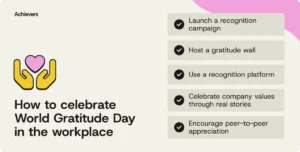
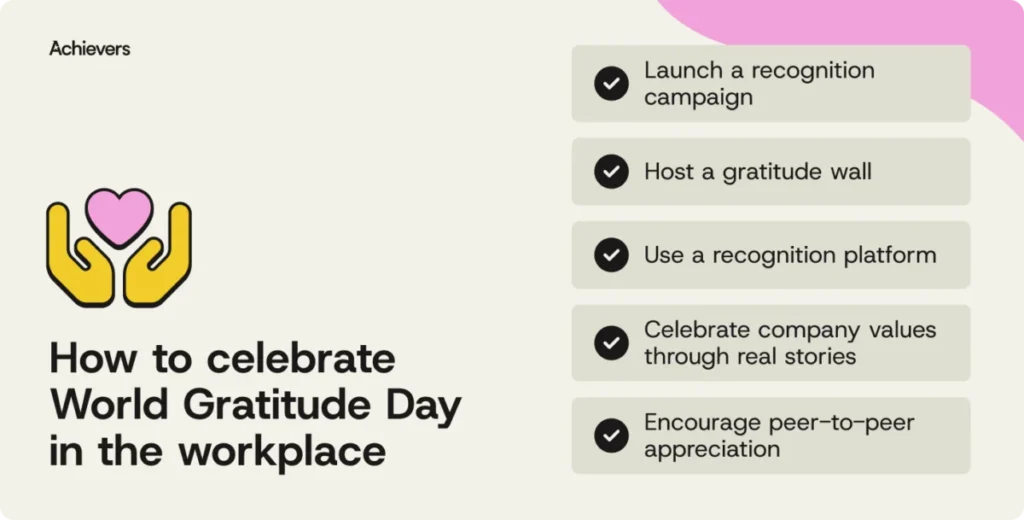
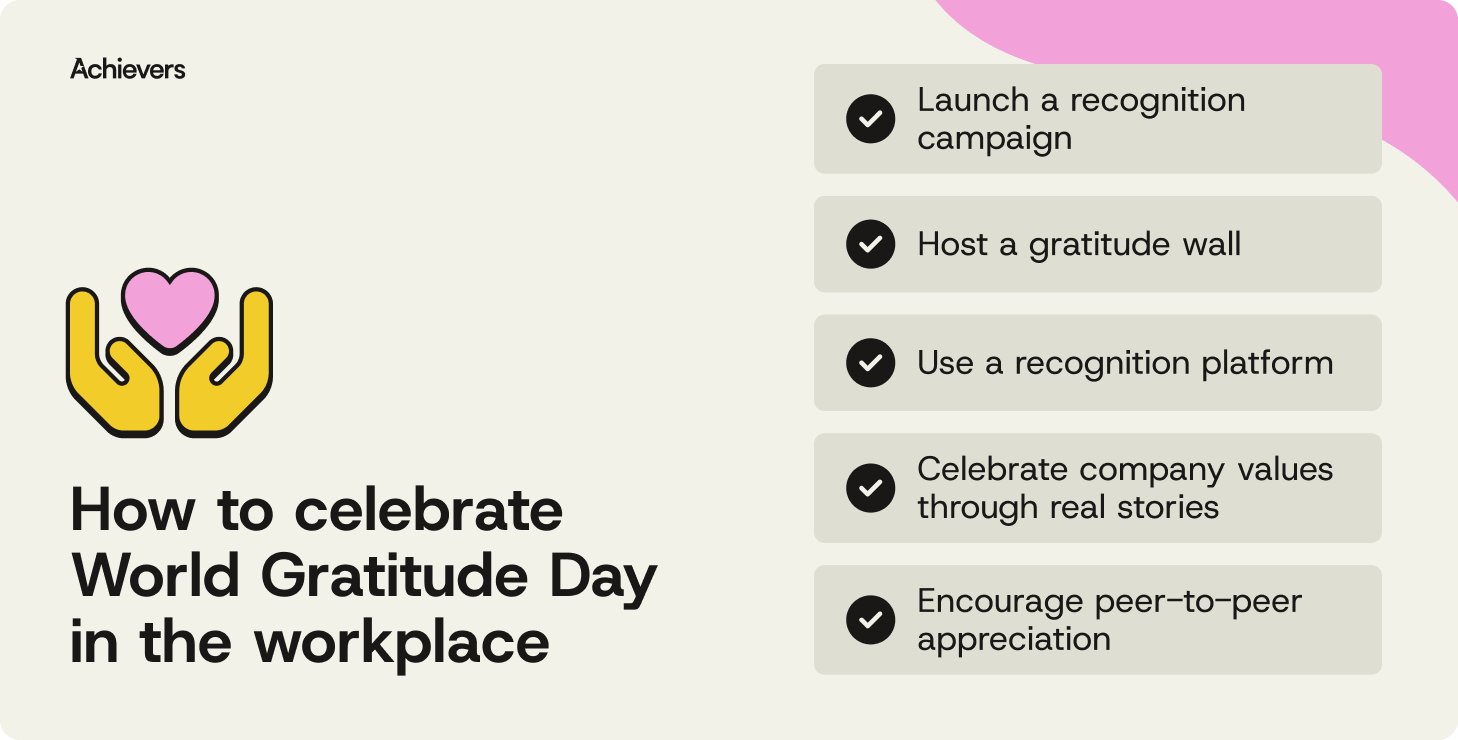
A well-designed recognition campaign can significantly boost employee morale and reinforce desired behaviors. This can involve initiating a simple yet high-visibility program that encourages employees to publicly acknowledge colleagues who embody company values. Utilizing automated prompts or providing pre-designed templates can streamline the process and maintain momentum. The principle is straightforward: the easier it is to express appreciation, the more likely employees are to do so. Such campaigns can focus on specific achievements, acts of collaboration, or contributions that align with strategic objectives.
2. Establishing Digital or Physical Gratitude Walls
Creating a shared platform for employee appreciation fosters a sense of community and interconnectedness. A digital gratitude wall, accessible via an internal communication channel or a dedicated platform, allows employees to post messages of thanks and recognition. This can be supplemented by physical displays in common areas for in-office teams. A social-style feed or mobile-friendly interface ensures that all employees, regardless of their work arrangement (in-office, hybrid, or remote), have an equal opportunity to participate and feel acknowledged.
3. Celebrating Company Values Through Authentic Stories
Showcasing real-world examples of exceptional work and positive behavior is a powerful way to reinforce organizational values. By spotlighting specific instances where employees have demonstrated integrity, teamwork, or innovation, organizations can make individuals feel seen and appreciated. These narratives not only celebrate achievements but also subtly guide the desired workplace culture, reinforcing the behaviors that drive both performance and ethical conduct. This storytelling approach can be integrated into internal newsletters, team meetings, or company-wide communications.
4. Empowering Managers with Gratitude Toolkits
Managers play a pivotal role in shaping employee experiences. Providing them with the necessary tools and resources to effectively recognize their teams is crucial. This can include prompts for recognizing specific contributions, templates for appreciation messages, and regular reminders to offer positive feedback. Research, such as the Achievers State of Recognition Report, indicates that employees who receive recognition from their managers are significantly more likely to trust them and recommend their company. Equipping managers with these simple yet impactful tools can foster consistent recognition habits that extend beyond a single day.
5. Championing Peer-to-Peer Appreciation
Recognition should not be solely a top-down initiative. Creating opportunities for colleagues to appreciate one another strengthens team cohesion and fosters a supportive work environment. Encouraging peer-to-peer recognition for acts of collaboration, assistance, or small victories can be highly effective. Even non-monetary forms of appreciation, when delivered sincerely and publicly, can have a profound impact. Quick, personal, and visible acknowledgments can amplify the positive effects and create a ripple of goodwill throughout the organization.
6. Leveraging Technology to Amplify Gratitude Efforts
Modern recognition platforms are instrumental in facilitating and amplifying gratitude initiatives. These tools enable real-time recognition, accessible across any device, and provide visibility across teams. Features such as automated nudges and personalized feedback mechanisms can help embed recognition into daily workflows. When appreciation is made simple, consistent, and universally accessible, World Gratitude Day can indeed serve as the catalyst for developing lasting recognition habits that benefit the organization throughout the year.
The Tangible Impact of Gratitude on Performance
The cultivation of gratitude in the workplace yields measurable improvements in employee performance and organizational outcomes. This is not merely a matter of sentiment but a strategic driver of business success.
When employees feel genuinely appreciated, several positive outcomes emerge:
- Increased Productivity: Recognized employees are more motivated and focused, leading to higher output and better quality of work.
- Enhanced Innovation: A culture of appreciation fosters psychological safety, encouraging employees to share ideas and take calculated risks, which are essential for innovation.
- Improved Collaboration: When individuals feel valued, they are more likely to engage in teamwork, support their colleagues, and contribute to collective goals.
- Reduced Turnover: Employees who feel seen and appreciated are less likely to seek opportunities elsewhere, leading to higher retention rates and lower recruitment costs.
- Stronger Company Culture: A pervasive sense of gratitude contributes to a positive and supportive workplace atmosphere, enhancing overall employee well-being and job satisfaction.
- Greater Resilience: In challenging times, a foundation of trust and appreciation can help teams navigate adversity more effectively and maintain morale.
Looking Beyond World Gratitude Day: Sustaining Momentum
While World Gratitude Day provides a crucial moment for reflection and action, its true value lies in its potential to spark lasting change. The impact of this observance extends far beyond September 21st. Leaders, HR professionals, and managers have a critical role to play in transforming this annual event into a sustained commitment to appreciation.
The objective is to move from isolated acts of gratitude to embedding it as a core organizational value and practice. This involves consistently noticing and acknowledging great work, clearly articulating its significance, and reinforcing the behaviors that contribute to individual and collective success. By fostering this ongoing practice, organizations can cultivate environments where employees feel consistently valued, leading to sustained engagement, improved performance, and a thriving workplace culture.
At Achievers, the consistent observation has been that organizations that prioritize and integrate recognition into their daily operations witness a profound transformation in their culture. When employees feel genuinely seen and appreciated, not just on designated days but consistently, the entire organization benefits. This leads to a more motivated workforce, higher productivity, and a stronger, more resilient business. World Gratitude Day 2026 offers a timely reminder and a powerful opportunity to set this positive trajectory for the future.