September 21, 2026, marks World Gratitude Day, an annual observance that serves as a crucial reminder to acknowledge the often-overlooked human element in professional environments. In an era where employee engagement is a persistent challenge, this day offers a timely opportunity to foster a culture where individuals feel genuinely valued, a sentiment directly linked to improved performance and retention. The urgency of this focus is underscored by the 2026 Engagement and Retention Report, which surveyed 2,500 employees globally and revealed a stark reality: only 25% of employees report being actively engaged in their work. This statistic highlights a significant disconnect between employers and their workforce, a gap that gratitude has the potential to bridge.
The power of gratitude in the workplace is well-documented. Employees who experience consistent recognition are more likely to exhibit higher levels of connection to their roles, greater commitment to their organizations, and a pronounced willingness to contribute their utmost energy and creativity. However, transforming gratitude from a sporadic gesture into an ingrained cultural norm requires deliberate effort. It necessitates consistent reinforcement, intentional practices, and committed leadership that champions its adoption. World Gratitude Day provides a structured moment to initiate or amplify these efforts, serving as a catalyst for sustained change.
Understanding World Gratitude Day
World Gratitude Day is an internationally recognized occasion dedicated to fostering a global sentiment of thankfulness. Its core purpose is to encourage individuals, teams, and communities to pause and reflect on the people, experiences, and contributions that enrich their lives and professional endeavors. It’s a designated time to intentionally acknowledge those who make a positive difference, thereby strengthening interpersonal bonds and cultivating a more appreciative atmosphere.
The Significance of September 21st
The annual observance of World Gratitude Day takes place every September 21st. In 2026, this date falls on a Monday, marking the beginning of a new work week and providing an immediate opportunity to implement gratitude-focused initiatives. Unlike some holidays that shift annually, World Gratitude Day’s fixed date ensures a consistent global focal point for recognizing and expressing appreciation, fostering a predictable rhythm for this important practice.
The Unifying Theme of Gratitude
While World Gratitude Day does not adhere to a single, pre-defined theme each year, its overarching message is clear: to acknowledge what is functioning well and to celebrate the individuals who contribute to positive outcomes. This focus on strengths and contributions serves as a powerful tool for building resilience within organizations and forging deeper connections among colleagues. More than a formal agenda, the day promotes a mindset that imbues the workplace with a greater sense of humanity and shared purpose.
A Global Initiative with Humble Origins
The genesis of World Gratitude Day can be traced back to 1965. During a Thanksgiving dinner held at the United Nations building in Hawaii, Sri Chinmoy, alongside the Peace Meditations at the United Nations, proposed the establishment of a global day dedicated to expressing gratitude. This visionary idea resonated deeply, leading to the first official celebration of World Gratitude Day on September 21, 1966. Since then, the observance has grown into a worldwide movement, encouraging a collective expression of thankfulness.

The Workplace Imperative of Gratitude
In the professional realm, World Gratitude Day holds particular significance. It provides organizations with a clear and opportune moment to address a fundamental employee need: genuine appreciation. By dedicating this day to recognizing contributions, companies can actively identify and address gaps in their engagement and retention strategies. The impact of such focused attention can be profound, leading to tangible improvements in employee morale and organizational effectiveness.
The importance of this day is underscored by several key factors:
- Enhanced Employee Morale: Expressing gratitude directly contributes to higher job satisfaction and a more positive work environment.
- Increased Productivity: When employees feel valued, they are more motivated and productive.
- Improved Retention Rates: A culture of appreciation is a significant factor in retaining talent, reducing costly turnover.
- Stronger Team Cohesion: Acts of gratitude foster collaboration and strengthen relationships among team members.
- Positive Organizational Culture: Gratitude contributes to a more supportive, respectful, and human-centric workplace.
Cultivating Gratitude: Practical Strategies for World Gratitude Day and Beyond
Implementing effective gratitude practices requires more than a single day’s effort. It demands a strategic approach that integrates recognition into the daily fabric of the organization. World Gratitude Day offers an ideal launchpad for these initiatives, providing a focal point for introducing new practices and reinforcing existing ones.
Here are several actionable strategies for celebrating World Gratitude Day and embedding gratitude into the workplace culture:
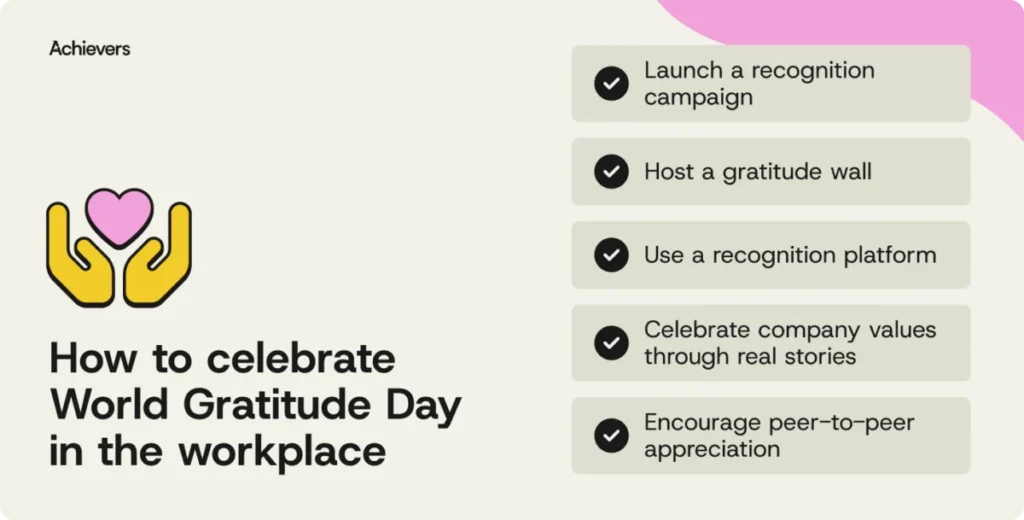
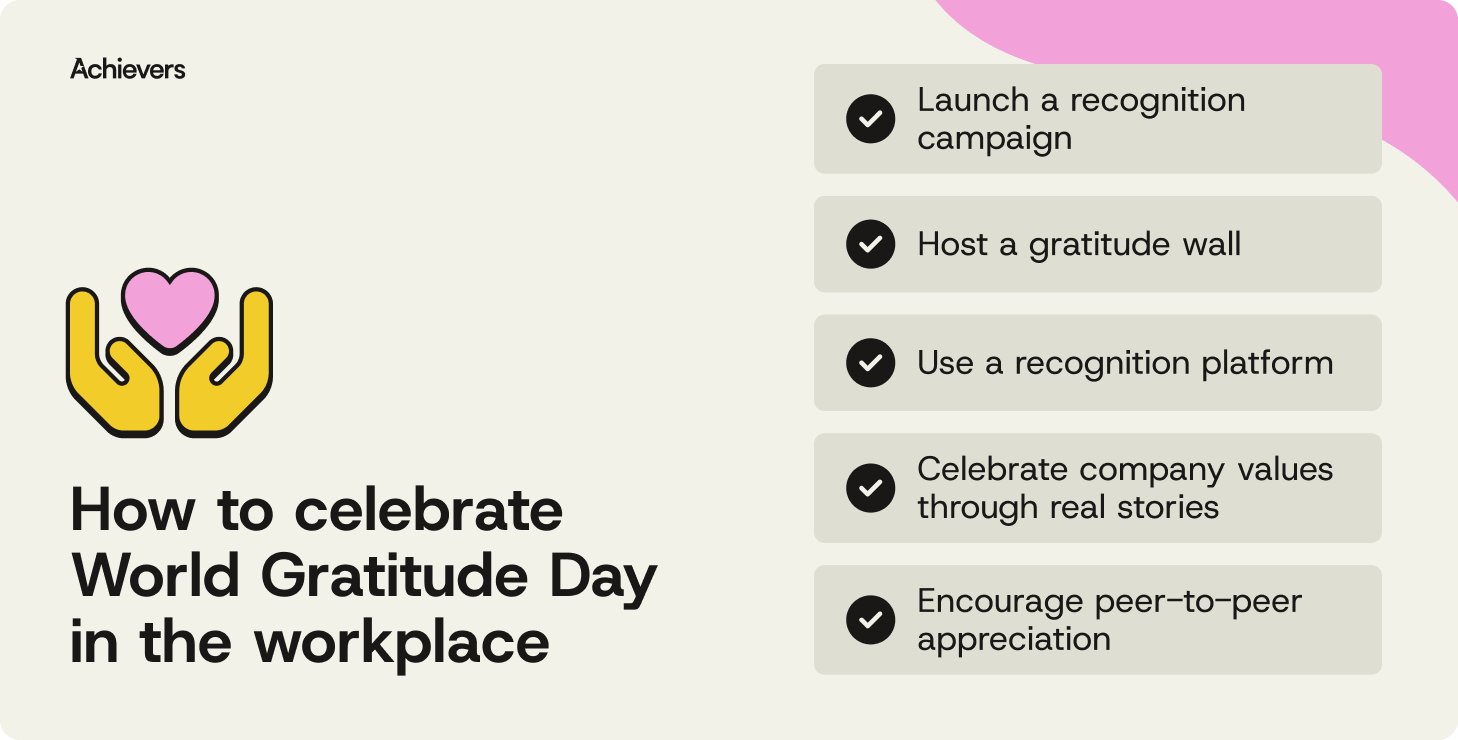
1. Launch a Dynamic Recognition Campaign
Initiate a straightforward yet highly visible campaign that encourages employees to participate in peer-to-peer recognition. This involves highlighting colleagues who exemplify company values and contribute positively to the work environment. Implementing automated prompts or providing pre-designed templates can streamline the process and maintain momentum. The simpler recognition is made, the more likely employees are to engage in it. Such campaigns can be amplified through internal communication channels, team meetings, and dedicated recognition platforms.
2. Establish a Digital or Physical Gratitude Wall
Create a centralized and accessible space where employees can share messages of appreciation across teams. This can take the form of a physical bulletin board in common areas or, more commonly in today’s hybrid work environments, a digital platform. A social-media-style feed or a mobile-friendly posting option ensures that all employees, regardless of their work location – whether in-office, remote, or hybrid – have an equal opportunity to participate. This fosters a sense of shared community and mutual respect.
3. Celebrate Company Values Through Authentic Stories
Showcase real-life examples of exceptional work and positive contributions that align with organizational values. Sharing these stories makes individuals feel seen and acknowledged, while also subtly reinforcing desired behaviors and the impact they have on the company culture and overall performance. These narratives can be shared through internal newsletters, company-wide emails, or dedicated intranet sections, providing tangible evidence of appreciation in action.
4. Equip Managers with Comprehensive Gratitude Toolkits
Provide managers with the necessary resources to consistently recognize their team members. This includes prompts for specific feedback, templates for appreciation messages, and gentle reminders to acknowledge achievements. The impact of managerial recognition is substantial; according to Achievers’ State of Recognition Report, employees who are recognized by their managers are significantly more likely to trust them and recommend their company as a place to work. Equipping managers with user-friendly tools and real-time insights can help them build sustainable recognition habits.
5. Foster a Culture of Peer-to-Peer Appreciation
Emphasize that recognition is not solely the purview of leadership. Create structured opportunities for teammates to acknowledge and appreciate each other for collaboration, support, and everyday successes. Non-monetary forms of appreciation, when delivered quickly, personally, and visibly, can be incredibly impactful. This encourages a reciprocal environment where colleagues actively look for opportunities to uplift one another, strengthening team dynamics and fostering a sense of camaraderie.
6. Leverage Recognition Platforms to Amplify the Day
Utilize modern recognition platforms to make participation in World Gratitude Day seamless and accessible. These platforms are designed to support real-time recognition, accessible across multiple devices, and offer visibility across teams. By simplifying the process of giving and receiving appreciation, these tools can transform World Gratitude Day from a singular event into the cornerstone of an ongoing recognition habit that extends throughout the year. This ensures that gratitude becomes an integrated aspect of the organizational culture, not just a one-off observance.
Best Practices for Sustained Gratitude
To maximize the impact of World Gratitude Day and cultivate a lasting culture of appreciation, organizations should consider the following best practices:
- Authenticity: Ensure that expressions of gratitude are genuine and specific. Generic or insincere acknowledgments can be counterproductive.
- Timeliness: Recognize contributions promptly. The sooner appreciation is expressed, the more impactful it will be.
- Specificity: Clearly articulate what is being appreciated and why it matters. Vague praise is less meaningful.
- Visibility: Whenever appropriate, make recognition public. This not only celebrates the individual but also reinforces desired behaviors for the wider team.
- Consistency: Integrate recognition into daily routines and workflows, rather than confining it to specific events.
- Inclusivity: Ensure that all employees have opportunities to give and receive recognition, regardless of their role or tenure.
- Leadership Buy-in: Champion gratitude initiatives from the top down. When leaders actively participate and model appreciative behavior, it sets a powerful example for the entire organization.
The Profound Impact of Gratitude on Performance
The practice of gratitude is not merely a feel-good initiative; it has demonstrable effects on workplace performance. When employees feel genuinely appreciated, the following positive outcomes are often observed:
- Increased Motivation and Productivity: Acknowledged employees are more driven to perform at their best.
- Enhanced Creativity and Innovation: Feeling valued can foster a sense of psychological safety, encouraging individuals to share new ideas and take calculated risks.
- Improved Problem-Solving: A collaborative and appreciative environment can lead to more effective teamwork and collective problem-solving.
- Greater Resilience: In the face of challenges, employees who feel supported and appreciated are better equipped to navigate adversity.
- Stronger Customer Service: Employees who feel valued by their organization are often more inclined to provide excellent service to external stakeholders.
- Reduced Burnout and Stress: Acknowledgment can mitigate feelings of being overlooked or undervalued, contributing to a healthier work-life balance.
The Future of Gratitude in the Workplace
While World Gratitude Day provides a significant annual opportunity to pause, appreciate, and reset, its true value lies in its potential to catalyze ongoing change. The most impactful transformations occur not just on September 21st, but in the sustained efforts that follow. Leaders, HR professionals, and managers play a pivotal role in leveraging this day as a springboard for building enduring habits.
The focus should be on consistently noticing great work, articulating its value, and reinforcing the behaviors that drive individual and collective success. At Achievers, extensive experience has demonstrated that consistent and meaningful recognition can fundamentally transform organizational culture. When employees feel seen, heard, and genuinely appreciated, the entire organization thrives, leading to improved performance, greater innovation, and a more fulfilling work experience for everyone involved. World Gratitude Day, therefore, is not an end in itself, but a powerful catalyst for cultivating a workplace where appreciation is not an occasional event, but a fundamental pillar of daily operations.