The landscape of early talent recruitment has undergone a profound transformation, leaving many organizations grappling with unprecedented challenges in attracting, engaging, and retaining entry-level professionals. A recent strategic move by Yello, a leading platform in early talent acquisition, aims to directly address these complexities with the acquisition of Symba, an innovative internship and new graduate program management solution. This merger signals a pivotal shift towards an integrated, end-to-end approach to early career hiring, designed to bridge critical engagement gaps and mitigate the escalating issue of reneged offers.
For many employers, the traditional early talent pipeline, once a predictable annual cycle, now feels significantly more precarious. Industry experts and talent acquisition professionals report a heightened wariness among candidates, driven by a volatile job market, economic uncertainties, and an increased expectation for transparency and support from potential employers. This evolving sentiment has resulted in fierce competition for top talent, diminished candidate engagement throughout the hiring process, and a notable surge in offers being rescinded by candidates, even after acceptance.
The Evolving Dynamics of Early Talent Acquisition
In recent years, the challenges facing early talent recruiters have diversified beyond initial candidate attraction. Employers frequently cite difficulties such as:
- Maintaining sustained candidate interest: The long lead times between offer acceptance and start dates create opportunities for disengagement.
- Personalizing communication at scale: High volumes of candidates make individualized outreach resource-intensive.
- Tracking engagement metrics effectively: Many organizations lack comprehensive systems to monitor candidate sentiment and predict attrition risks.
- Streamlining administrative tasks: Managing internships and new grad programs often involves a heavy burden of manual coordination.
- Demonstrating value beyond the offer: Candidates seek continuous reassurance and connection with their future employer.
These factors collectively underscore a fundamental shift: successful early talent recruitment is no longer a seasonal activity but a year-round strategic imperative. The goal extends beyond merely filling positions; it involves cultivating meaningful, lasting relationships from the very first interaction through to an employee’s first day and beyond.
Yello’s Strategic Acquisition of Symba: A Unified Vision
Recognizing these systemic issues, Yello has moved to integrate Symba’s robust capabilities into its existing platform. The acquisition, announced following a panel discussion on gaps in current recruiting strategies, is poised to create the industry’s first truly comprehensive solution for early career talent management. This integrated approach aims to automate the intricate logistics of running internship and new graduate programs, while simultaneously enhancing candidate engagement and improving conversion rates.

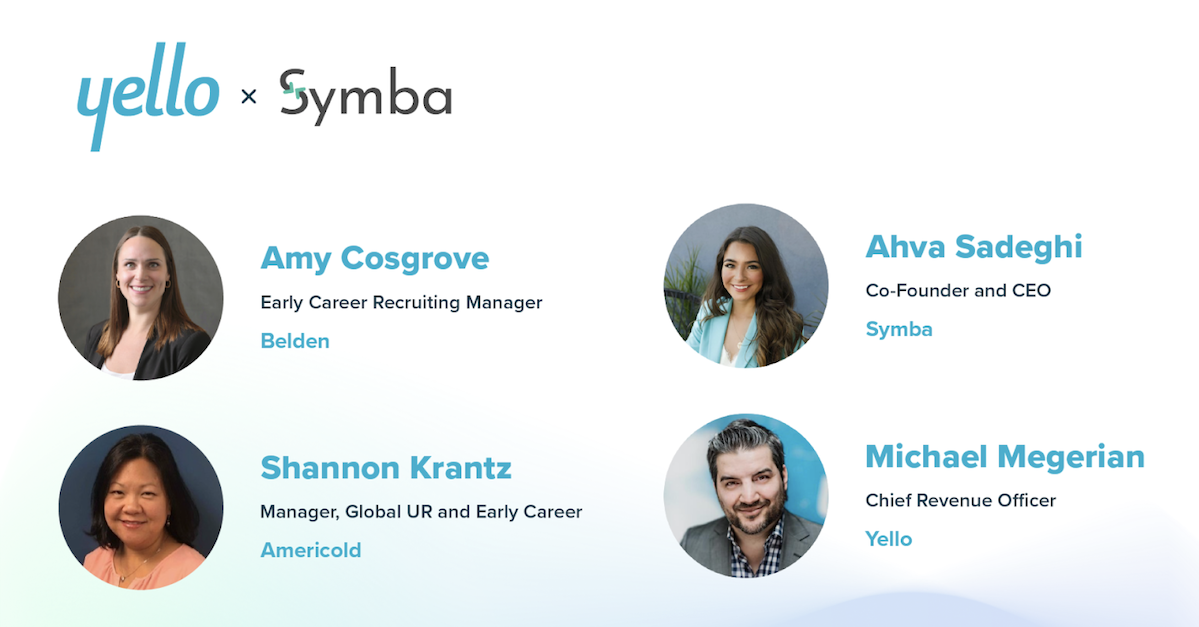
Ahva Sadeghi, Co-Founder and CEO of Symba, expressed enthusiasm for the merger, stating, "Yello’s leadership is incredibly visionary. They’re thinking many steps ahead about what the market needs. This partnership introduces the first end-to-end early career solution in the market, and I’m excited for what’s to come." This sentiment highlights a shared vision for addressing the fragmented nature of current recruiting processes.
Mapping the Early Career Journey: Identifying Vulnerabilities
A critical step in understanding the need for such an integrated solution is to meticulously map the early career hiring journey, particularly for internships, which often serve as a primary feeder for full-time roles. This journey can be broken down into distinct phases, each presenting unique opportunities for engagement—and significant risks for disengagement.
Phase 1: Fall Recruiting – The Initial Spark
Typically occurring in the autumn, this phase is characterized by high energy and extensive outreach. Recruiters engage with prospective hires at career fairs, campus events, and online sessions, showcasing their employer brand and open roles. The objective is to identify promising talent, extend compelling offers, and secure a strong cohort for the upcoming year. Success in this phase often feels like the culmination of intensive effort, yielding a signed acceptance letter and a sense of accomplishment for recruiting teams.

Phase 2: The Candidate Engagement Gap – The Silent Chasm
This phase, stretching from November through May for many summer internships, represents the most significant vulnerability in the early talent journey. After the excitement of accepting an offer, many candidates experience a prolonged period of silence from their future employer. As Ahva Sadeghi aptly noted from her own experience, "At the beginning of my career, I had six different internships. For most, I didn’t get any emails from my employer until the week before my internship started. That’s a lot of silence."
This "engagement gap" is perilous. Top talent, even those with accepted offers, remain acutely aware of the job market. Industry reports indicate that a staggering 52% of candidates continue to apply for jobs even after accepting a role. This ongoing search is fueled by a desire for reassurance, better opportunities, or simply a lack of connection with their chosen employer. Without a structured, proactive communication plan during these critical months, organizations risk losing these hard-won hires to competitors. The silence can breed doubt, erode enthusiasm, and ultimately lead to reneged offers.
Phase 3: Summer Internship Season – The Real-World Experience
This is the operational heart of the internship program. New hires are onboarded, integrated into teams, and begin contributing to the organization. Managers and leadership actively participate, providing mentorship and guidance. This phase is where the "fruits of labor" from earlier recruiting efforts are realized, with interns gaining valuable experience and employers assessing their potential for future full-time roles. Effective management and a positive intern experience during this period are crucial for converting interns into long-term employees.
Phase 4: Post-Internship Keep-Warm – Nurturing Future Leaders
Following the internship, a well-defined communication strategy is typically in place to maintain connections with high-performing interns. The primary goal is to transition successful interns into full-time hires upon graduation. This involves follow-up, discussions about open roles, and invitations to return. However, even in this phase, there are opportunities for improvement. The frequency and personalization of outreach, and the continuous reinforcement of the company’s value proposition, can significantly impact conversion rates. A less structured approach risks allowing past interns to drift away, potentially seeking opportunities elsewhere.

The Cost of Silence: Quantifying the Reneges
The consequences of the post-offer engagement gap are not merely anecdotal; they represent a significant financial and strategic drain on organizations. What was once a relatively minor concern has escalated dramatically.
- Soaring Renege Rates: Since 2021, there has been a reported increase of over 100% in renege rates across the board, with intern reneges specifically seeing a 10% increase. This means that a substantial number of candidates who accept an offer ultimately choose not to show up on their first day.
- Financial Impact: Each reneged offer carries a tangible cost. Research suggests organizations lose an average of $4,700 or more per reneged offer. This cost encompasses wasted recruiting efforts, administrative overhead, potential delays in projects due to unfilled positions, and the need to restart the hiring process.
Amy Cosgrove, Early Career Recruiting Manager at Belden, highlighted this challenge, noting, "I noticed a lot of reneges from new hires throughout the process up until the start date. With that occasional but consistent drip of losing talent, we couldn’t track where folks were falling off in our old Excel spreadsheets. When we started a more consistent communication strategy post-offer and connected new hires with internal stakeholders, we started to see those renege rates go down." Her experience underscores the critical need for structured communication and robust tracking systems.
Shannon Krantz, Manager of Global University Relations and Early Career at Americold, elaborated on the importance of active monitoring: "I’ll send out a communication every month up until a new hire’s start date, and track how quickly they respond. When folks respond immediately, we know that they’re very on board and are excited to start working with us. If it’s taken five days and we still haven’t heard back, we know it’s time to pick up the phone or dig a bit deeper about why they’re not engaging with us." This proactive approach is essential for identifying at-risk candidates before it’s too late.

Assessing and Addressing the Engagement Gap
To effectively combat disengagement, organizations must first thoroughly assess their current practices. Experts recommend a multi-faceted approach:
- Map Every Touchpoint: Create a detailed map of every communication point with new hires from offer acceptance to their first day. This visual representation helps identify gaps and redundancies.
- Flag Silent Periods: Actively identify any prolonged periods of silence. These are critical opportunities to insert meaningful touchpoints.
- Gather Feedback: Solicit feedback from both candidates and hiring managers. Their perspectives offer invaluable insights into where communication breaks down or falls short. Surveys and anecdotal feedback can reveal hidden pain points.
- Diagnose the Impact: Analyze metrics to understand the specific problems caused by engagement gaps, such as increased renege rates, lower acceptance rates, or reduced onboarding efficiency. This data-driven approach informs targeted interventions.
Building a Consistent New Hire Communication Strategy
Once gaps are identified, the focus shifts to implementing a robust, consistent communication strategy:

- Prioritize Gaps and Focus Areas: Define what an exceptional new hire experience looks like. Determine the most impactful areas for intervention and the key messages to convey about the employer brand.
- Add Intentional Touchpoints: Rather than overwhelming candidates, strategically plan 3-5 key messages to reinforce regularly. These could highlight company culture, career development opportunities, or networking events. The goal is consistent, value-driven communication, not just frequent communication.
- Build Human Connections: Leverage existing networks. Pair incoming interns with company alumni or current team members. Facilitate peer connections through social media groups or virtual meet-and-greets. Schedule pre-start date Zoom calls with managers to foster early relationships. As Shannon Krantz noted, "We keep the conversation going by asking interns fun questions via email that make them excited to respond, and so that they can get to know other interns. It can be something silly like ‘Who’s your favorite superhero,’ which is light but drives engagement and helps us gauge response rates."
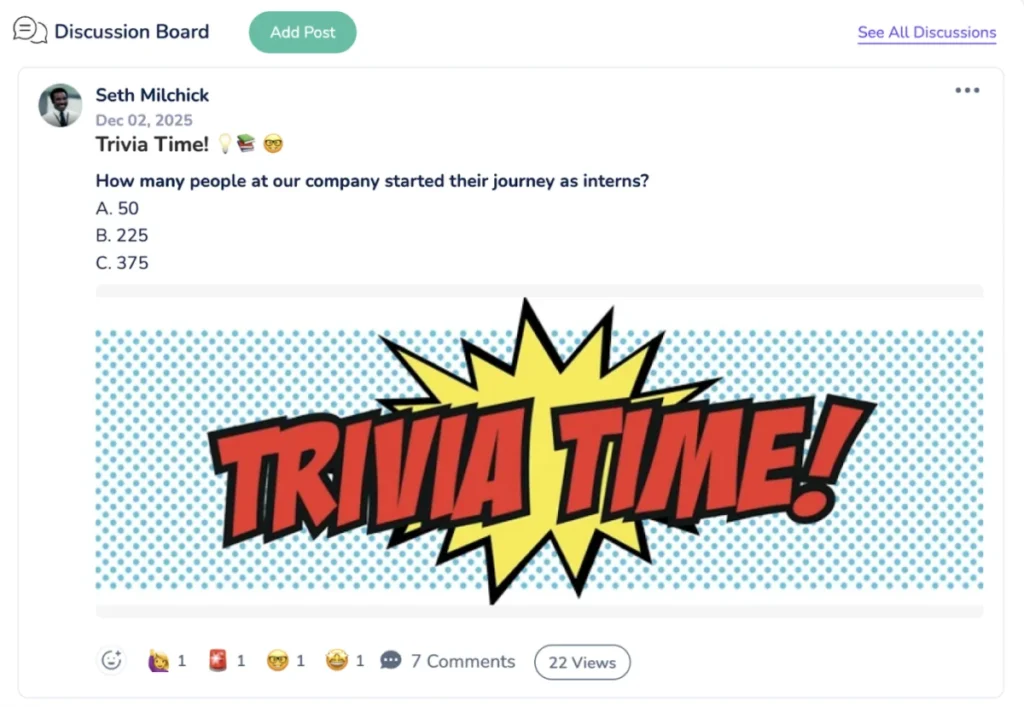
- Add Value Before Day One: Beyond standard onboarding information, provide tangible value. This could include company swag, exclusive access to webinars or panel discussions on relevant industry topics, or virtual networking events designed to prepare them for their role and integrate them into the company community. Amy Cosgrove shared, "We post ongoing discussion starters in Symba, like trivia questions where folks can enter for a raffle prize. It’s low-stakes and fun, so that it’s easy to participate and drive engagement."
- Lean on Technology: Manual communication across hundreds or thousands of candidates is unsustainable and prone to error. Platforms like the combined Yello-Symba solution are crucial for automating personalized outreach, managing program logistics, and tracking engagement metrics efficiently. Shannon Krantz affirmed this, stating, "We’re sending out 40 emails every week for months on end. It’s impossible to manage without a tool like Symba, which can personalize our messaging and automate those activities so that we have more time to focus on strategic planning and reform our overall hiring structure." The integration of Yello and Symba specifically addresses the need for a unified platform that replaces disparate tools, as Amy Cosgrove pointed out: "We were using several different tools during hiring and onboarding, so it’s a gamechanger to have Symba which is a one-stop-shop throughout the entire process. It’s also a more sophisticated and consistent approach to our communications strategy, instead of sending candidates emails through Outlook or our personal phone numbers."
Broader Impact and Implications for the Future of Talent Acquisition
The acquisition of Symba by Yello represents a significant step towards a more holistic and integrated future for early talent recruitment. This move acknowledges that the traditional model, which often segmented recruiting from onboarding and program management, is no longer sufficient in today’s dynamic environment. By combining Yello’s expertise in candidate attraction and relationship management with Symba’s strengths in internship and new grad program automation, the merged entity aims to offer a truly seamless experience for both employers and candidates.
The implications are far-reaching:
- Enhanced Candidate Experience: A unified platform allows for consistent, personalized communication, reducing candidate anxiety and fostering a stronger sense of belonging before day one.
- Improved Efficiency for Recruiters: Automation of administrative tasks frees up recruiting teams to focus on strategic initiatives, relationship building, and high-value interactions.
- Reduced Renege Rates and Increased Conversion: By actively engaging candidates throughout the post-offer period, companies can significantly reduce the risk of losing talent, saving substantial financial and operational costs.
- Data-Driven Decision Making: Integrated analytics provide deeper insights into candidate engagement patterns, allowing recruiters to identify areas for improvement and optimize their strategies.
- Stronger Employer Brand: A well-managed, engaging pre-onboarding experience reinforces a positive employer brand, making the organization more attractive to future talent pools.
Ultimately, the success of early talent recruitment in this new era hinges on building stronger connections that commence long before an employee’s official start date. It demands a shift from transactional hiring to relational nurturing. Organizations that proactively engage, support, and consistently demonstrate their commitment to early talent will not only secure the best emerging professionals but also build a more resilient and loyal workforce for the future. Yello and Symba’s partnership is positioned to empower companies to do exactly that, transforming today’s engagement challenges into a definitive competitive advantage.