The modern workplace is in constant flux, demanding agility and adaptability from both organizations and their employees. This dynamic environment has cast a spotlight on traditional performance review processes, revealing their shortcomings in fostering engagement, providing timely feedback, and driving continuous improvement. The once-a-year performance review, long a staple of corporate culture, is increasingly being criticized for leaving employees feeling uncertain, disengaged, and even anxious. Organizations that aim not just to succeed but to thrive recognize that performance reviews should transcend a dreaded annual ritual, transforming instead into strategic opportunities for consistent growth, alignment, and the cultivation of shared purpose. When executed effectively, performance reviews shift from a backward-looking judgment to a forward-looking guide, aligning individual development with overarching organizational objectives and building a robust culture of continuous learning.
The Evolving Purpose of Employee Performance Reviews
At its core, the purpose of an employee performance review is to initiate a constructive, two-way dialogue. This conversation aims to clarify expectations, assess progress against those expectations, and provide targeted support for employee growth. An optimally designed review process looks beyond mere evaluation of past performance; it actively aligns employees and managers on what is working well, what requires attention, and what the next steps will be. The ultimate goal is to enhance individual performance, strengthen employee engagement, and foster a vibrant culture of ongoing development.

When performance expectations, evaluation criteria, and standards are clearly defined and intrinsically linked to company values and strategic priorities, performance reviews evolve from simple assessments into foundational elements that drive growth, engagement, and retention. Research from leading HR technology firms consistently highlights that employees who perceive their performance management system as efficient, effective, and motivating are significantly more likely to be engaged and productive. For instance, data suggests that only around 48% of employees find their current performance management approaches to be efficient, with similar figures for effectiveness and motivation. This gap underscores the urgent need for a paradigm shift.
The Pitfalls of Traditional Annual Reviews
The traditional annual performance review is often hampered by inherent biases, most notably recency bias. This phenomenon means that the most recent events or performances tend to disproportionately influence the overall evaluation, potentially leading to unfair assessments and hindering an employee’s professional trajectory. Furthermore, the rigid, infrequent structure of annual reviews struggles to keep pace with the agile and dynamic nature of today’s workforce, which necessitates regular performance management and real-time feedback.
The anticipation of an annual review can often be a source of anxiety and demoralization for employees, who may fear criticism or negative repercussions. Moreover, these reviews are frequently perceived as a one-way communication channel, lacking genuine employee input and engagement. This deficiency deprives employees of the consistent, constructive feedback essential for their growth and development. Quantum Workplace’s research indicates that ongoing feedback and regular one-on-one conversations with managers are significantly more effective in improving employee performance than formal, infrequent review processes or numerical performance ratings.

The Imperative for a Modern Performance Review System
Given these challenges, there is a clear and pressing need for HR leaders to design and implement more efficient, effective, and engaging performance review systems. A modern performance management cycle must prioritize continuous evaluation, consistent feedback, and ongoing coaching. By adopting such a holistic approach, organizations can significantly enhance employee engagement, drive performance improvements, and fuel overall organizational growth.
Enhanced Efficiency: In today’s fast-paced work environment, both managers and employees are pressed for time. Cumbersome tools and extensive paperwork are no longer sustainable. HR departments must focus on simplifying and standardizing the review process, making each step as seamless as possible. User-friendly performance management software is now considered a baseline requirement. Such platforms should facilitate the aggregation of performance data and enable effective review conversations.
Increased Effectiveness: The critical question for any performance review system is its actual impact on employee performance. Every review conversation should be anchored by clear, measurable goals and actionable feedback designed to facilitate employee growth. Data consistently shows that a significant portion of employees do not find their organization’s performance management approach to be effective, indicating a critical area for improvement.

Greater Engagement: The performance review process can profoundly influence employee engagement, either positively or negatively. Organizations should strive to create a transparent, two-way process where employees feel genuinely valued and heard. Conversations should remain focused on growth and development, with employees actively participating in goal setting, performance assessment, identifying development opportunities, and discussing career pathing options. Disappointingly, research indicates that a substantial number of employees do not find their organization’s performance management approach to be motivating.
Key Elements of an Effective Performance Review Process
Performance reviews offer a vital opportunity for employees and managers to collaboratively discuss performance and identify avenues for improvement. When executed well, these reviews can motivate employees and align their efforts. Conversely, poorly managed reviews can lead to disengagement and even diminished performance. Several critical elements contribute to a successful performance review process.
Frequent Performance Discussions: To truly foster employee success, organizations must move beyond the confines of the traditional annual review. The pace of change within organizations and in employees’ roles necessitates ongoing alignment and continuous communication. A recommended approach involves quarterly or monthly performance conversations, complemented by a year-end review that synthesizes general themes, notes, progress, and future action items. This cadence ensures managers and employees remain aligned on goals, progress, and performance. Research indicates that more frequent performance conversations (monthly) lead to a significant increase in perceived review effectiveness, engagement, fairness, and improved performance. While the prospect of monthly reviews might seem time-intensive, these conversations need not be lengthy or comprehensive to be impactful.
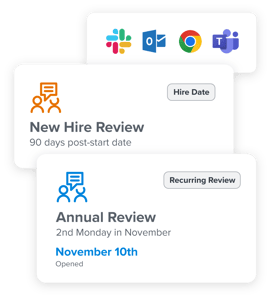
Two-Way Dialogue: Performance conversations should be frequent and engaging, with both managers and employees contributing equally. Employees should be as invested in the preparation as managers are. Constructive criticism, delivered thoughtfully, helps team members identify areas for improvement and take concrete steps toward personal and professional growth. While a one-size-fits-all approach to performance discussions is not feasible, every conversation should aim to foster trust, reduce anxiety, create clarity, and demonstrate alignment. These discussions can extend beyond mere performance to encompass career aspirations, development needs, and feedback on the work environment.
Future-Focused Approach: Traditionally, performance reviews have heavily emphasized past actions and outcomes. However, employees cannot alter past events, making evaluations solely based on the past a disengaging experience. The power to influence the future, however, remains. Therefore, the majority of performance conversations should be directed towards future goals and development. While reflecting on past performance is valuable, managers and employees should dedicate significant time to planning for the upcoming period.
Transparency in Process: Performance reviews can be a source of anxiety. Mitigating this anxiety begins with involving employees early in the process. Managers should collaborate with each employee to develop a clear, shared, and cooperative agenda with key discussion points. Both parties should have a precise understanding of what to expect, eliminating surprises. Transparency ensures performance reviews are perceived as fair and fosters professional growth by encouraging honest employee feedback.
Objectivity through Data: In the current data-rich landscape, subjective performance reviews are largely inexcusable. Managers should gather performance data from multiple sources, including peer feedback, recognition received, talent review ratings, notes from one-on-one meetings, and progress towards established goals. Every statement made during a performance review should be substantiated by data rather than subjective manager opinion. Focusing on specific examples and tangible results, rather than generalizations, is crucial for an objective assessment.
Technology Enablement: A clunky and outdated review process will deter participation. Performance review software plays a pivotal role in simplifying the process and enhancing effectiveness across the board. Moving performance reviews out of spreadsheets and into a digital platform streamlines agenda sharing, note-taking, and year-round performance documentation. Such technology empowers managers with diverse data sources, enabling them to become better coaches, conduct more impactful reviews, and minimize subjectivity. Data shows that employees perceive managers who are effective users of technology as significantly more effective in their management roles.
Conducting Performance Reviews: Responsibilities and Best Practices
The responsibility for conducting performance reviews primarily rests with HR departments and line managers, who must collaborate to create a more efficient, effective, and engaging process.
Preparing for a Performance Review:
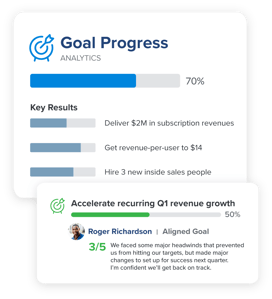
- Synchronize Criteria, Goals, and Progress: Managers and employees must have a clear understanding of what constitutes effective performance. This begins with transparent communication of performance criteria. Managers should act as interpreters of performance data, adding qualitative context such as goal progress and 360-degree feedback. A coaching mindset is essential, highlighting and distilling information to make it digestible for employees. Metrics and measurements provide valuable clarity and serve as a framework for future planning.
- Gather Employee Data and Examples: Performance conversations should be informed by robust employee data from various sources, including previous one-on-one notes, goal progress, role competencies, 360-degree feedback, and recent recognition. This data should guide the conversation and foster a more meaningful manager-employee relationship. Providing context through specific examples and data makes conversations more authentic and impactful.
- Prepare Notes and Agenda: Blindly entering a meeting is unproductive. Both managers and employees should collaboratively prepare a shared agenda and notes with key discussion points. This reduces anxiety and allows employees to contribute their perspectives. Employees should be encouraged to suggest topics, enabling managers to focus on active listening.
- Align on Expectations: Performance conversations can be challenging, particularly when goals are not being met. Setting clear expectations for the meeting itself is paramount. Managers should provide clarity on an employee’s role and how their contributions are perceived within the organization. Aligning expectations with established performance criteria ensures employees feel supported and not blindsided.
Conducting the Review:
- Reflect on the Past, Focus on the Future: While acknowledging past performance is important, future-oriented discussions are crucial for driving improvement. Performance conversations should provide opportunities for real-time course correction and continuous alignment with organizational goals. Future-focused reviews also align with employee desires for more feedback and development opportunities, fostering a sense of investment in their growth.
- Ask the Right Questions: Strategic questioning is critical for keeping conversations focused on topics vital to employee and organizational success. Utilizing performance review templates that encourage honest feedback can uncover actionable insights. Shifting from an evaluative mindset to a coaching one is key. Encouraging employees to ask questions fosters a collaborative environment.
- Choose Phrases Carefully: Words carry significant power. Thoughtful, considerate language can be motivating, while careless phrasing can be demotivating. Understanding what not to say in a performance review is as important as knowing what to say. Effective phrases should be constructive, balanced, and focused on growth.
- Be an Active Listener: Performance conversations are dialogues, not monologues. Active listening helps managers understand employee perspectives and facilitates deeper insights. Asking follow-up questions and paraphrasing what has been heard ensures accurate comprehension. Allowing sufficient time for employees to share their feedback and documenting it for future reference is essential.
- Conclude with Next Steps: The review process extends beyond the meeting. Managers and employees should document agreed-upon next steps and commitments. Without clear action plans, conversations can feel unresolved. Creating an action plan is vital for translating insights into tangible performance improvements.
Types of Performance Reviews
A diverse range of performance conversations can be employed to meet evolving organizational needs and enhance employee engagement and development.
- Annual Performance Review: This review serves as a critical juncture for reflecting on past achievements and identifying areas for development. It’s an opportunity for managers to acknowledge accomplishments, address concerns, and provide feedback for growth.
- Mid-Year Performance Appraisal: This checkpoint is ideal for assessing goal progress and making necessary adjustments or setting new objectives. Employees can highlight obstacles and opportunities, allowing managers to provide support and course-correct.
- Quarterly Performance Conversation: These milestone discussions focus on continuous improvement, tracking goal progress, and adapting to changes. They enable employees to seek training and managers to coach through emerging challenges.
- Monthly 1-on-1 Meetings: These meetings are crucial for establishing a consistent feedback loop, enabling managers to better manage performance and employees to feel heard and valued. They provide a platform for in-depth discussions about work and its challenges, fostering employee development.
- Weekly Check-Ins: These are the bedrock of a strong feedback culture, offering timely and constructive input as work progresses. They promote two-way dialogue, enabling managers to address concerns, recognize achievements, and nurture continuous improvement.
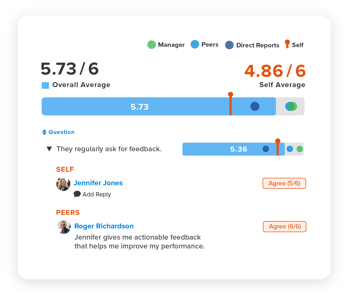
- 360-Degree and Self-Performance Reviews: Gathering feedback from multiple sources—peers, subordinates, and even customers—provides a holistic view of an employee’s performance, identifying strengths and development areas. These reviews cultivate a growth mindset and enhance team dynamics.
Performance Review Templates and Software Solutions
The strategic use of performance review templates can elevate the feedback process from a routine administrative task to a powerful initiative for fostering continuous development and high performance.
Streamlining and Customization: Performance review templates streamline the feedback process, ensuring that discussions cover essential topics. These templates can be tailored to specific teams, roles, and organizational cultures and values, maximizing their relevance and impact.
Alignment with Employee Goals: Clear and attainable performance objectives are fundamental to effective and fair reviews. Employee goals should be directly aligned with overarching company and team objectives. Regular revisiting and adaptation of these goals are necessary as business priorities evolve. Goal setting should be a collaborative, two-way conversation to foster employee ownership.
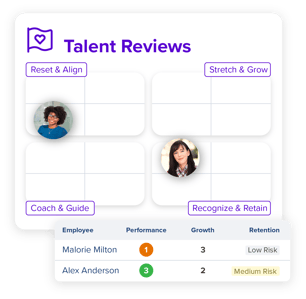
Integration of Performance Competencies: Performance competencies help employees focus on job-specific skills and areas for growth. These competencies should seamlessly integrate with job roles, goals, and development plans. Utilizing them as benchmarks allows for a holistic measurement of critical behaviors, skills, and attributes necessary for job proficiency, supporting employee development and advancement.
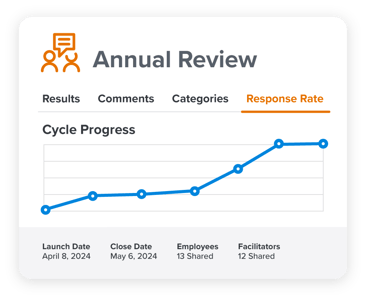
Performance Review Software: Modern performance review software is indispensable for creating a more efficient, effective, and engaging experience. Such platforms enable customization of reviews, help managers build positive performance habits through integrated workflows, track response rates, embed performance goals directly into reviews, incorporate multi-rater feedback, and provide visualized performance data across teams. This technology facilitates objective, data-driven conversations and supports informed talent management decisions.
Final Thoughts on Modernizing Performance Reviews
Modernizing performance reviews is not merely an HR initiative; it is a strategic imperative for fostering a more engaging, efficient, and growth-oriented workplace. By understanding the limitations of traditional annual reviews and embracing a dynamic, continuous approach, organizations can significantly enhance employee motivation, productivity, and overall organizational success. Regular check-ins, meaningful goal setting, and the strategic use of performance review tools are paramount in today’s evolving professional landscape. Embracing these best practices and leveraging appropriate technology can transform the performance review process from a source of anxiety into a powerful engine for individual and collective achievement, ultimately building stronger, more connected workplaces.