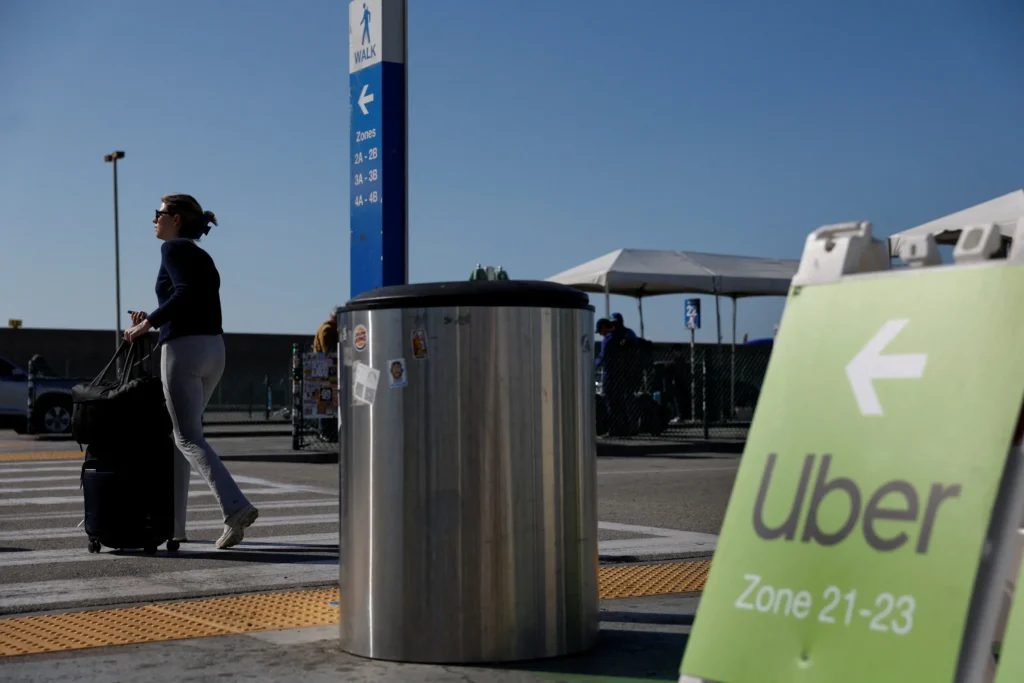
Massachusetts has achieved a significant milestone in the ongoing evolution of labor rights, with app-based ride-share drivers for companies like Uber and Lyft officially unionizing. This landmark development marks the formation of the United States’ first officially recognized organization dedicated to representing gig economy workers in the ride-share sector. The newly established App Drivers Union received its certification from the Massachusetts Department of Labor Relations on Friday, a pivotal moment that could reshape the landscape for nearly 70,000 independent contractor drivers operating within the state.
This historic certification is the culmination of a groundbreaking ballot measure approved by Massachusetts voters in November 2024. This unique legislative framework was specifically designed to empower drivers, who are classified as independent contractors, to organize and engage in collective bargaining over critical issues such as pay rates, benefits, and working conditions. The move directly challenges the long-standing debate across the nation regarding the employment status of gig workers and their entitlement to traditional employee protections and benefits.
The Genesis of a Movement: A Battle for Rights
The path to unionization for Massachusetts ride-share drivers was paved by years of intense advocacy and a nationwide struggle to address the precarious working conditions often associated with the gig economy. Unlike traditional employees covered by the National Labor Relations Act (NLRA), independent contractors have historically been excluded from federal labor protections, including the right to organize and bargain collectively. This exclusion left millions of gig workers vulnerable to fluctuating pay, a lack of benefits, and limited recourse for grievances.
The Massachusetts ballot measure provided a novel solution by creating a state-level pathway for these drivers to assert their collective power. To achieve certification, the App Drivers Union successfully gathered signatures from at least 25% of active ride-share drivers in the state, a testament to the widespread desire for organized representation. The union’s formation has been bolstered by the support of prominent labor organizations, including 32BJ SEIU, an affiliate of the Service Employees International Union, and the International Association of Machinists and Aerospace Workers. This broad backing signifies a unified front in the fight for improved conditions for app-based workers.
Official Recognition and the Road Ahead
Governor Maura Healey, a Democrat, hailed the certification as a "game-changer" for ride-share workers nationwide. Speaking at a rally with drivers and labor activists in Boston on Tuesday, she emphasized the transformative potential of this new organizational structure. "It changes the game for ride-share workers across this country," Governor Healey stated, underscoring the national implications of Massachusetts’ pioneering efforts.
The certification process itself involved navigating a complex regulatory environment, but the overwhelming support demonstrated by drivers ensured the App Drivers Union met the necessary threshold for recognition. This official status grants the union the legal standing to negotiate with ride-share companies, a fundamental step towards achieving fairer compensation, improved benefits, and greater job security for its members.
Brian Bryant, President of the International Association of Machinists and Aerospace Workers, echoed Governor Healey’s sentiments, asserting at the same rally, "The workers who built these billion-dollar corporations deserve a union contract and a seat at the table." His statement highlights the perceived imbalance of power between the massive tech companies and the individual drivers who form the backbone of their operations.

A Wave of Change: Broader Implications for the Gig Economy
The success in Massachusetts is not an isolated event but rather part of a growing movement to extend labor protections to gig workers. In California, ride-share drivers secured the right to unionize earlier this year under legislation signed into law by Democratic Governor Gavin Newsom. Similar legislative efforts are also underway in Illinois, indicating a potential domino effect across other states grappling with the challenges of the modern workforce.
The response from major ride-share companies has been varied. Notably, Uber and Lyft did not actively campaign against the Massachusetts ballot measure. Lyft issued a statement on Tuesday, expressing its commitment to engaging in good-faith negotiations. "Lyft does well when drivers do well, and we’ll stay focused on helping drivers succeed while keeping rideshare affordable and dependable for everyone who counts on it," the company stated. Uber, as of this report, had not responded to a request for comment. This cautious approach from the companies may reflect a recognition of the growing momentum behind worker organization and the potential for further regulatory changes.
Precedent-Setting Legal and Financial Settlements
The road to unionization in Massachusetts was also significantly influenced by prior legal actions and settlements aimed at addressing the rights of ride-share drivers. In the months leading up to the 2024 vote, Massachusetts Attorney General Andrea Joy Campbell secured a substantial settlement with Uber and Lyft. This agreement mandated the adoption of a $32.50 hourly minimum pay standard for drivers in the state and compelled the companies to pay a combined $175 million. This settlement was designed to resolve claims that the companies had improperly classified their drivers as independent contractors, thereby avoiding obligations under state labor laws.
This significant financial settlement and the implementation of a minimum pay standard demonstrated a growing legal and public pressure on ride-share companies to improve their treatment of drivers. It provided a tangible benefit to drivers and likely served as a catalyst for further organizing efforts, reinforcing the idea that collective action could yield positive results. The $175 million settlement alone represents a substantial financial acknowledgment of past practices, and the minimum pay standard sets a new baseline for driver compensation within the state.

Supporting Data and the Economic Landscape
The approximately 70,000 ride-share drivers in Massachusetts represent a significant portion of the state’s workforce engaged in app-based services. Nationally, the gig economy has expanded rapidly, with millions of individuals relying on platforms like Uber and Lyft for their livelihoods. However, this growth has often been accompanied by concerns about wage stagnation, lack of benefits such as health insurance and retirement plans, and unpredictable income streams.
Studies on the gig economy have consistently highlighted the challenges faced by independent contractors. For instance, reports from various labor research institutions have indicated that a substantial percentage of gig workers earn below minimum wage when accounting for unpaid time spent waiting for rides, driving between fares, and managing administrative tasks. The absence of employer-provided benefits like paid sick leave, vacation time, and disability insurance further exacerbates financial insecurity for these workers.
The formation of the App Drivers Union in Massachusetts provides a potential solution to these systemic issues. By bargaining collectively, drivers can advocate for:
- Guaranteed Minimum Earnings: Establishing a floor for driver income that accounts for all working hours.
- Access to Benefits: Negotiating for health insurance, retirement savings plans, and paid time off.
- Improved Working Conditions: Addressing issues such as surge pricing transparency, fare structure, and safety protocols.
- Grievance Procedures: Creating a formal process for resolving disputes with ride-share companies.
- Voice in Policy: Having a direct say in decisions that impact their work and livelihoods.
The legal framework that enabled this unionization is a testament to innovative policy-making designed to adapt to the changing nature of work. It acknowledges that traditional labor laws may not adequately address the complexities of the gig economy and seeks to provide a mechanism for fair representation. The success of this model in Massachusetts could inspire similar legislative approaches in other states, fostering a more equitable future for gig workers across the country.
Future Outlook and National Ramifications
The establishment of the App Drivers Union in Massachusetts is a watershed moment with far-reaching implications. It sets a precedent for how gig economy workers can organize and advocate for their rights, potentially igniting similar movements in other states. The legal battles and legislative efforts surrounding worker classification and rights are likely to intensify as more states consider innovative approaches to labor protections in the digital age.
The response of Uber and Lyft, particularly Lyft’s stated commitment to good-faith engagement, will be closely watched. Their willingness to negotiate with the union will determine the immediate impact on driver earnings and benefits. However, the long-term success of the App Drivers Union will hinge on its ability to secure meaningful concessions and to continue to represent the diverse interests of its members effectively.
This development underscores a critical shift in the labor landscape, recognizing that the future of work requires a reevaluation of existing labor laws and a commitment to ensuring that all workers, regardless of their employment classification, have a voice and a fair deal. Massachusetts has emerged as a leader in this critical evolution, offering a model for how to bridge the gap between technological innovation and fundamental worker protections. The coming months and years will reveal the full extent of this historic unionization’s impact on the gig economy, not only in Massachusetts but across the nation.