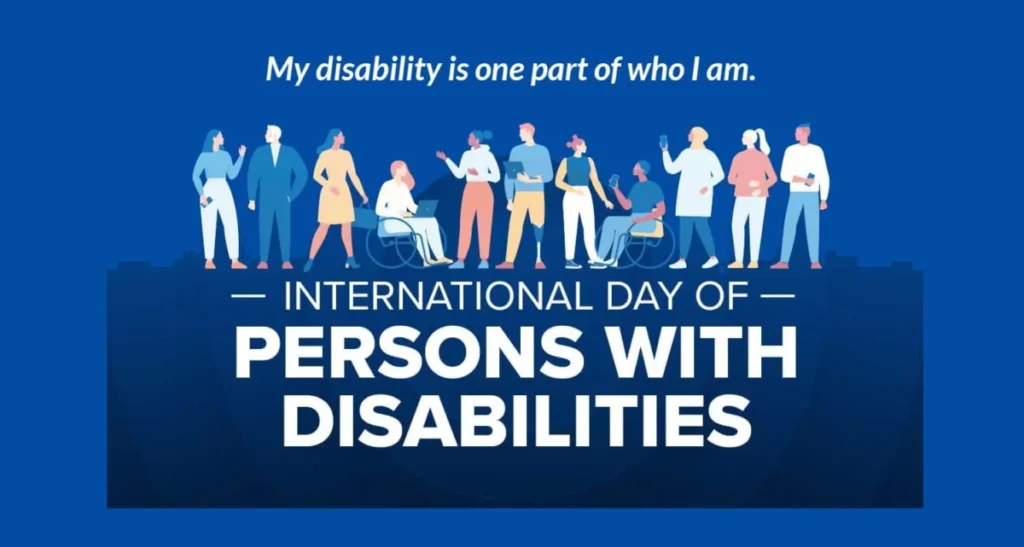
The annual observance of the International Day of Persons with Disabilities, held on December 3rd, serves as a critical global platform to acknowledge and address the challenges faced by millions worldwide. This year’s focus underscores the growing recognition that disability is a fluid aspect of the human experience, one that can affect individuals at various stages of life. A deeper understanding of the diverse spectrum of disabilities is therefore not merely a matter of social justice, but a fundamental necessity for building more equitable and prosperous societies. This article delves into the economic implications of disability, highlighting disparities in employment and wages, exploring the multifaceted nature of disabilities, and examining the role of evolving technologies and inclusive workplace practices in unlocking untapped human potential.
The Economic Disparity: A Significant Untapped Resource
Data from authoritative sources paints a stark picture of the economic disadvantage faced by persons with disabilities. In the United States, estimates from the Department of Labor and Census suggest that between 11% and 13% of the working-age population lives with some form of disability. However, the employment figures reveal a significant disparity, with only 5% to 6% of this demographic actively participating in the workforce. This translates to a stark reality: individuals with disabilities are approximately one-third as likely to be employed compared to their non-disabled peers, representing a substantial loss of economic potential and talent.
This employment gap is further exacerbated by wage disparities. Research conducted by the International Labour Organization (ILO) and the World Health Organization (WHO) indicates that disabled workers earn, on average, 15% less than their non-disabled counterparts. This wage gap is not uniform across all economic contexts; developed countries see an average wage reduction of 12% for disabled workers, even when adjusted for work output and productivity. In less developed nations, this figure rises to a concerning 26%. The ILO and WHO attribute these persistent disparities to a combination of direct discrimination and the limited availability of suitable employment opportunities for individuals with disabilities.
Understanding the Spectrum of Disability
The notion of disability is often narrowly perceived, frequently conjuring images of visible physical impairments. However, the reality is far more complex and encompasses a wide array of conditions, both visible and invisible. A comprehensive understanding of these diverse needs is crucial for fostering truly inclusive environments.
| Disability Type | Prevalence Rate (Working Age) | Estimated US Count | Workforce Implications |
|---|---|---|---|
| Cognitive | 5.3% | 10.7 Million | Requires neuro-inclusive design principles and the strategic implementation of AI screening tools. Companies like Microsoft and SAP are pioneering dedicated hiring programs to address these needs, recognizing the unique contributions of neurodivergent individuals. |
| Ambulatory | 4.3% | 8.6 Million | Demands a critical focus on physical accessibility in workplaces and robust remote work options. While publications like Newsweek and SHRM highlight companies with strong accessibility ratings, challenges related to commuting and daily workplace navigation persist. |
| Independent Living | 3.9% | 7.9 Million | Necessitates flexible scheduling and the provision of comprehensive support services to enable full participation in the workforce. |
| Hearing | 2.0% | 4.1 Million | Requires accessible digital platforms and the implementation of clear visual safety protocols. |
| Vision | 2.1% | 4.3 Million | Relies heavily on assistive technologies such as screen readers and adherence to Web Content Accessibility Guidelines (WCAG 2.2) to ensure equitable access to information and digital tools. |
Beyond these categories, a significant portion of the population experiences non-visible disabilities. These can include mental health conditions such as anxiety, Obsessive-Compulsive Disorder (OCD), and depression, as well as neurodevelopmental differences like dyslexia, autism spectrum disorder, and Attention-Deficit/Hyperactivity Disorder (ADHD). Individuals with these conditions may encounter challenges related to sensory overload in open-plan offices, the impact of noise, and navigating unwritten social codes within the workplace. These often-unseen barriers contribute to significantly higher unemployment rates, estimated to be between 30% and 40% for individuals with these specific conditions.
The Evolving Role of Technology: Ally or Adversary?
The rapid advancement of artificial intelligence (AI) presents a dual-edged sword for disability inclusion in the workplace. On one hand, AI-powered tools used in recruitment, such as resume screening and assessment platforms, must be meticulously designed and calibrated to avoid inherent biases that could disadvantage candidates with disabilities. Failure to do so can inadvertently perpetuate existing inequalities.
Conversely, AI also offers transformative solutions. Tools like Microsoft Copilot are revolutionizing accessibility by providing real-time captioning, automated note-taking, and enhanced audio recording capabilities. These innovations can significantly level the playing field, enabling individuals with hearing impairments, cognitive processing differences, or those who benefit from detailed record-keeping to engage more effectively. HR professionals, therefore, bear the crucial responsibility of ensuring that AI tools are implemented ethically and inclusively, recognizing that up to 10% of candidates and employees may have disabilities that require thoughtful consideration within these technological frameworks.
Furthermore, workplace policies such as "Return to Office" mandates and productivity programs, often implemented with broad strokes, may require nuanced adjustments to accommodate the diverse needs of employees with disabilities. While many HR departments are acutely aware of these considerations, their consistent and proactive application remains paramount.
Shifting from Accommodation to Inclusion: A Paradigm Shift
Historically, efforts to support individuals with disabilities in the workplace have often been framed as "accommodations." While legally mandated and ethically important, this terminology can sometimes imply a separate or exceptional status. A more progressive and effective approach emphasizes a paradigm shift towards genuine inclusion. This involves fostering a workplace culture where the unique contributions of all individuals are recognized and valued intrinsically. By embracing the principle that everyone brings unique strengths and perspectives, organizations can move beyond addressing specific disabilities in isolation and instead cultivate an environment where all employees are treated as equals and valued partners.
The Business Case for Disability Inclusion: Beyond Compliance
The imperative for disability inclusion extends beyond ethical considerations and legal compliance; it presents a compelling business case. Companies that prioritize disability inclusion often discover significant financial benefits. In the consumer market, a substantial segment of the population has disabilities, representing a considerable purchasing power. For instance, a recent analysis highlighted that over 10% of food packaging is unusable or difficult to open for disabled consumers, underscoring a missed market opportunity for businesses that overlook accessibility.
From a workforce perspective, the economic implications are equally profound. The substantial gap in employment rates for individuals with disabilities represents billions of dollars in lost productivity and unrealized economic potential. By actively recruiting, retaining, and promoting individuals with disabilities, companies can tap into a larger pool of talent, foster innovation through diverse perspectives, and enhance their overall competitiveness.
A Personal Reflection and a Call to Action
As individuals approach their later years, the likelihood of experiencing some form of disability increases. This personal realization underscores the universal relevance of disability inclusion. It prompts a deeper empathy and a more profound understanding of the challenges faced by the estimated 12% or more of the population who navigate these hurdles daily.
The International Day of Persons with Disabilities provides an invaluable opportunity for reflection and action within our professional spheres. It encourages a proactive approach to creating workplaces that are not only compliant with regulations but are genuinely welcoming and supportive of all individuals. The adoption of inclusive practices is not merely a matter of social responsibility; it is an investment in human capital that yields tangible benefits for individuals, organizations, and society as a whole.
To further illuminate the economic and business dimensions of disability inclusion, extensive research was undertaken, synthesizing data and insights to provide a comprehensive perspective. This ongoing effort aims to inform organizations globally about the multifaceted advantages of prioritizing disability.
Organizations are encouraged to share their successful programs, innovative ideas, and impactful stories related to disability inclusion. Such contributions are vital for enriching ongoing research and advisory support aimed at fostering more inclusive workplaces worldwide. By collaborating and sharing best practices, we can collectively work towards a future where disability is not a barrier to opportunity, but a recognized aspect of human diversity that enriches our collective potential.
Broader Context and Historical Significance
The International Day of Persons with Disabilities was proclaimed by the United Nations General Assembly in 1992. Its establishment marked a significant step in global efforts to promote the rights and well-being of persons with disabilities in all spheres of life. The day aims to increase awareness of the situations of persons with disabilities and to advocate for their full and equal participation in society. Over the years, the observance has evolved to encompass a wide range of themes, reflecting the ongoing dialogue and progress in disability rights and inclusion, from accessibility and universal design to the impact of technology and the importance of intersectionality. The United Nations actively promotes this day through various initiatives and campaigns, encouraging member states, civil society organizations, and individuals to engage in activities that foster greater understanding and action. Recent observances have often highlighted the transformative power of technology, as well as the crucial need for inclusive policies in employment, education, and public life. The ongoing engagement with platforms like Instagram also demonstrates the evolving ways in which the day is commemorated and its message disseminated, often through powerful visual narratives shared by individuals and organizations alike.