Deskless workers constitute the vast majority of the global workforce, an immense, often overlooked segment whose daily contributions are the bedrock of countless industries. Despite their pivotal role, these essential employees frequently grapple with engagement challenges that can significantly affect retention rates, workplace safety, overall productivity, and the very fabric of company culture. For Human Resources leaders, developing and implementing effective strategies to genuinely engage this demographic is no longer a discretionary option but an absolute imperative for organizational health and long-term prosperity.
The Crucial Imperative of Engaging Manufacturing’s Frontline Force
The engagement of deskless manufacturing workers is a business-critical lever, far exceeding the status of a mere "nice-to-have." Its positive influence permeates key operational areas, including employee retention, the foundational pillar of workplace safety, operational productivity, and the seamless continuity of production. Engaged employees are not only motivated and loyal but also deeply committed to upholding high standards, thereby safeguarding both personnel and intricate operational processes.
Enhanced Employee Retention: Stemming the Tide of Costly Turnover
When deskless workers feel genuinely valued and recognized, their propensity to seek alternative employment diminishes significantly. This translates directly into reduced, often exorbitant, employee turnover costs and the preservation of invaluable institutional knowledge and skills. This consistent workforce continuity is vital for maintaining unwavering quality and operational efficiency on the manufacturing floor. Industry studies, such as those by Gallup, have consistently shown that highly engaged teams exhibit 21% greater profitability. For manufacturing sectors, where specialized skills can take years to cultivate, this retention advantage is paramount.
Fortifying Safety and Compliance: A Vigilant Workforce as the First Line of Defense
Engaged employees demonstrate a heightened level of vigilance regarding adherence to safety protocols and are more inclined to proactively report potential hazards. This proactive stance directly contributes to a reduction in workplace accidents and incidents, bolstering regulatory compliance and fostering a demonstrably safer environment for every individual on the premises. Research from organizations like the National Safety Council indicates a strong correlation between employee engagement and lower incident rates, underscoring the tangible link between a motivated workforce and a secure operational environment.
Elevating Operational Efficiency: The Link Between Engagement and Productivity
A workforce that feels connected and invested in their roles is more likely to exhibit heightened attention to detail and contribute innovative ideas that can streamline production processes. This leads to a tangible reduction in errors, smoother operational workflows, and ultimately, superior plant performance. Companies with highly engaged employees report 17% higher productivity, according to industry analyses, a figure that has direct and measurable implications for manufacturing output and profitability.
Cultivating Increased Employee Satisfaction: The Foundation of a Positive Workplace Culture
Engagement serves as a powerful catalyst for boosting job satisfaction, fostering a sense of enthusiasm and pride in one’s role. Elevated satisfaction levels not only strengthen team morale but also actively contribute to the cultivation of a positive and supportive workplace culture. This intrinsic motivation is a key driver of discretionary effort, where employees go above and beyond their basic requirements.
Navigating the Unique Engagement Terrain of the Manufacturing Floor
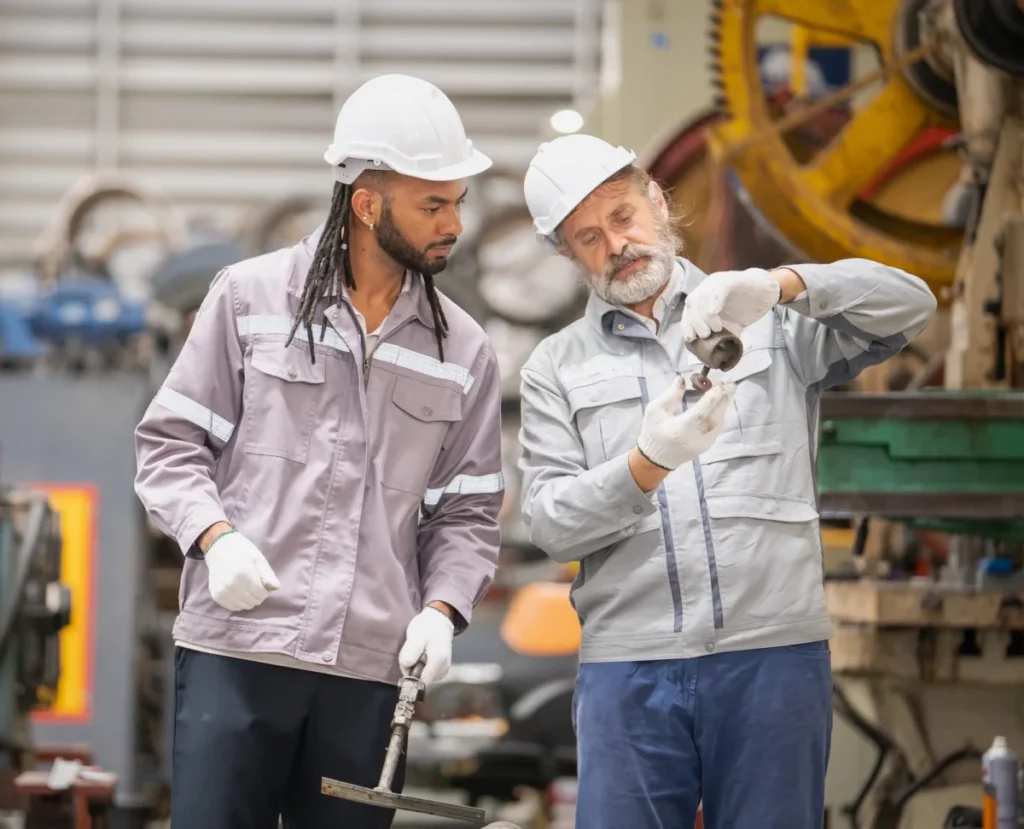
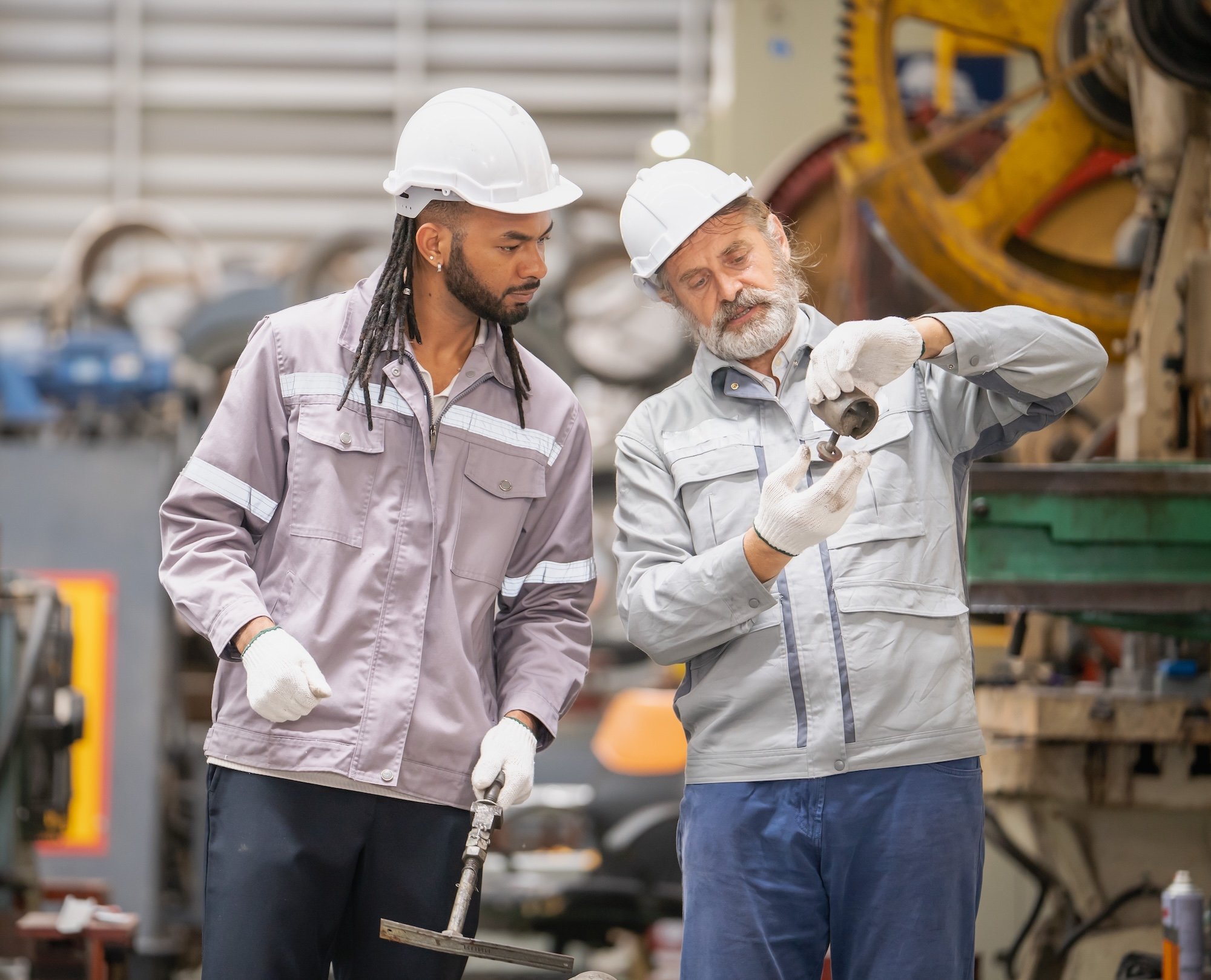
Deskless manufacturing workers operate within environments that are fundamentally distinct from their office-bound counterparts. Their work is typically hands-on, physically demanding, and unfolds on a factory floor, or across multiple sites, often without regular access to computers or dedicated desk spaces.
These unique operational conditions present inherent barriers to traditional engagement methodologies, necessitating the adoption of tailored strategies that acknowledge the realities of shift work, constrained technology access, and the pervasive effects of physical fatigue. Acknowledging and addressing these specific operational challenges is indispensable for the design of effective engagement programs that genuinely resonate with this vital segment of the workforce.
Bridging the Communication and Technology Chasm
A significant hurdle for deskless workers is their often limited access to desktop computers, corporate email, or internal company portals. This disparity renders traditional communication channels largely ineffective, leading to delays and information gaps that can leave employees feeling disconnected and uninformed. Bridging this critical gap demands the strategic adoption of mobile-friendly tools and other accessible platforms to ensure that messages are disseminated in a timely, inclusive, and easily digestible manner. The proliferation of smartphones, with over 6.9 billion users globally by 2023, presents a potent opportunity to leverage these devices as primary communication conduits.

Counteracting Isolation and Fostering Connection
Manufacturing shifts can be staggered or operate on a 24/7 cycle, often resulting in limited interaction among workers outside their immediate teams. This physical and social isolation can exacerbate feelings of disconnection from the broader organization and its overarching objectives. Regular engagement initiatives must therefore be intentionally designed to create meaningful opportunities for connection and inclusion, irrespective of these operational constraints. Fostering a sense of community, even among dispersed teams, is crucial for psychological well-being and organizational cohesion.
Navigating the Complexities of Irregular Schedules
The prevalence of shift work and non-standard working hours in the manufacturing sector can present significant disruptions to consistent communication and engagement efforts. Workers may miss important announcements or find it challenging to participate in live events or training sessions scheduled during their off-hours. Consequently, engagement strategies must be inherently flexible and demonstrate a deep consideration for these scheduling complexities, perhaps through asynchronous communication methods or on-demand learning resources.
Addressing Physical Demands and the Realities of Shift Work
The inherent physical intensity of manufacturing labor, coupled with the demands of shift rotations, can lead to pervasive fatigue and burnout. This can, in turn, diminish workers’ willingness or capacity to engage with company programs beyond their core responsibilities. This reality places a premium on designing engagement activities that are simple, energy-conscious, and deeply respectful of workers’ limited time and physical reserves. Supporting employee well-being through practical, targeted measures can also effectively mitigate these pervasive challenges, creating a more sustainable and resilient workforce.
Strategic Pillars for Effective Deskless Worker Engagement
To truly engage this vital segment of the workforce, HR leaders must embrace practical, tailored approaches that are firmly grounded in the day-to-day realities of their roles. The following strategies offer a robust framework for fostering a more connected and motivated deskless workforce.
1. Implementing a Mobile-First Communication Strategy
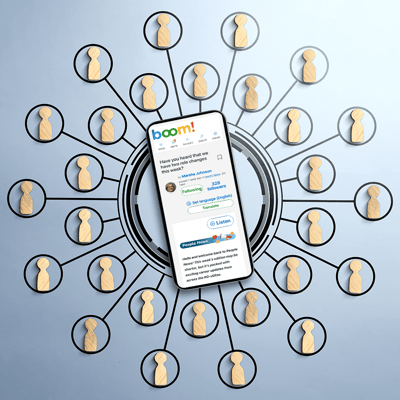
Leveraging mobile-friendly tools such as dedicated apps and SMS messaging allows for swift and direct communication with workers, irrespective of their physical location. This ensures that critical information is delivered promptly, remains accessible, and is easy to consume. Mobile communication also serves as an invaluable tool for providing real-time updates, which are often indispensable in dynamic manufacturing environments. According to recent surveys, over 80% of frontline workers cite their mobile device as their primary tool for work-related communication.

2. Tailoring Content and Segmenting Communication Efforts
Customizing communications based on factors such as shift, role, or specific site can significantly enhance message relevance and clarity. Targeted content effectively reduces information overload and demonstrably increases engagement. Strategic segmentation ensures that each worker receives information that directly pertains to their daily tasks and responsibilities, fostering a sense of personal connection to the information being shared.
3. Cultivating Two-Way Communication and Robust Feedback Loops
Establishing clear channels where employees can openly share their ideas, concerns, and suggestions is paramount for fostering trust and encouraging collaboration. Regular feedback mechanisms enable leadership to proactively address emerging issues and implement necessary improvements. This inclusive approach empowers employees, strengthens workplace relationships, and provides invaluable insights into the employee experience. A study by McKinsey found that companies with strong feedback cultures are 2.3 times more likely to meet or exceed financial targets.
4. Leveraging Meaningful Recognition and Rewards
Celebrating successes through meaningful recognition and rewards that genuinely resonate with individual and team motivations is a powerful engagement driver. Public acknowledgment not only boosts morale but also actively encourages continued excellence and reinforces desired behaviors. Consistent and authentic recognition cultivates a culture of appreciation, where contributions are seen and valued. Programs that offer both monetary and non-monetary rewards, tailored to employee preferences, often yield the highest returns in engagement.
5. Prioritizing Safety and Holistic Wellbeing
Integrating comprehensive well-being initiatives that address both the physical demands of the job and the mental health of employees is crucial for supporting workers holistically. Prioritizing safety not only reduces risk but also fosters a healthier, more sustainable workforce. When employees feel genuinely cared for by their organization, they are demonstrably more engaged, attentive, and productive in their roles. Mental health support, in particular, is becoming increasingly recognized as a critical component of overall employee well-being and engagement.
6. Investing in Continuous Learning and Development Opportunities
Offering flexible training programs that are accessible during shifts can significantly contribute to skill development and provide clear career growth pathways. Investing in learning opportunities signals to employees that the organization is committed to their professional futures, thereby motivating ongoing engagement and fostering a culture of continuous improvement. Equipping employees with new skills also enhances their adaptability and resilience in the face of evolving industry demands and technological advancements.
Empowering the Backbone of Industry with Reward Gateway | Edenred
At Reward Gateway | Edenred, our core mission is to contribute to creating a better world to work in. We deeply understand that deskless manufacturing workers represent the essential backbone of numerous global industries, and that genuine, meaningful engagement is a direct driver of lasting business success. By implementing our integrated solutions for communication, recognition, and well-being, HR leaders can empower their frontline workforce. This strategic empowerment can lead to significant improvements in retention rates, enhanced workplace safety, and amplified productivity, all while fostering a stronger, more cohesive organizational culture. Together, we can transform the manufacturing floor into an environment where every employee not only works but truly thrives, every single day.
Organizations seeking to understand how Reward Gateway | Edenred supports dispersed workforces globally, wherever they may be, can explore our comprehensive Employee Experience platform and suite of integrated solutions. Our commitment is to help make your corner of the world a better place to work; we are here to provide the tools and expertise to achieve that goal.