The United States labor market, long characterized by robust growth and relative stability, is undergoing a significant transformation, particularly as 2026 dawns. While cost-cutting measures and broader economic uncertainty have previously been identified as primary drivers of any job market slowdown, emerging data suggests that Artificial Intelligence (AI) is beginning to play a more pronounced role, with a noticeable divergence emerging between the employment prospects of recent college graduates and more experienced professionals. This shift is occurring against a backdrop of a rising national unemployment rate, increased economic insecurity, and a palpable, albeit complex, societal relationship with AI technologies.
Unemployment Rate Reaches New Highs, Signaling Economic Slowdown
The national unemployment rate has climbed to 4.6% as of the latest reporting, marking a substantial increase from 4.2% a year prior – a jump of 9.5%. This trend is even more stark when looking back two years, with the rate rising from 3.7% in November 2023 to 4.6%, a staggering 24.7% increase. For context, unemployment stood at a mere 3.6% in November 2022, indicating a significant acceleration in job market contractions.
This upward trajectory in unemployment is widely interpreted as a signal that the U.S. economy is cooling after a period of post-pandemic "revenge spending" that fueled robust growth in 2021 and 2022. Analysts point to a confluence of factors contributing to this slowdown, including the lingering effects of U.S. tariffs on goods, persistent inflation, and relatively high interest rates implemented by the Federal Reserve to curb price increases. These macroeconomic headwinds create a more challenging environment for businesses, often leading to hiring freezes or reductions in force.
A Tale of Two Labor Markets: Graduates Face Mounting Challenges
A deeper examination of the unemployment data, however, reveals a striking disparity when breaking down the workforce into two key demographics: new college graduates (aged 24 and younger) and more seasoned workers (aged 25-35). This segmentation highlights a critical divergence, with younger, less experienced workers bearing a disproportionate burden of the current labor market shifts.
Data visualized by employment analysts shows a steady unemployment rate for tenured college graduates, consistently remaining below the national average. This segment of the workforce, characterized by established skills, accumulated judgment, and greater professional maturity, appears to be weathering the economic headwinds more effectively. Their experience and established track records provide a degree of insulation against market volatility.
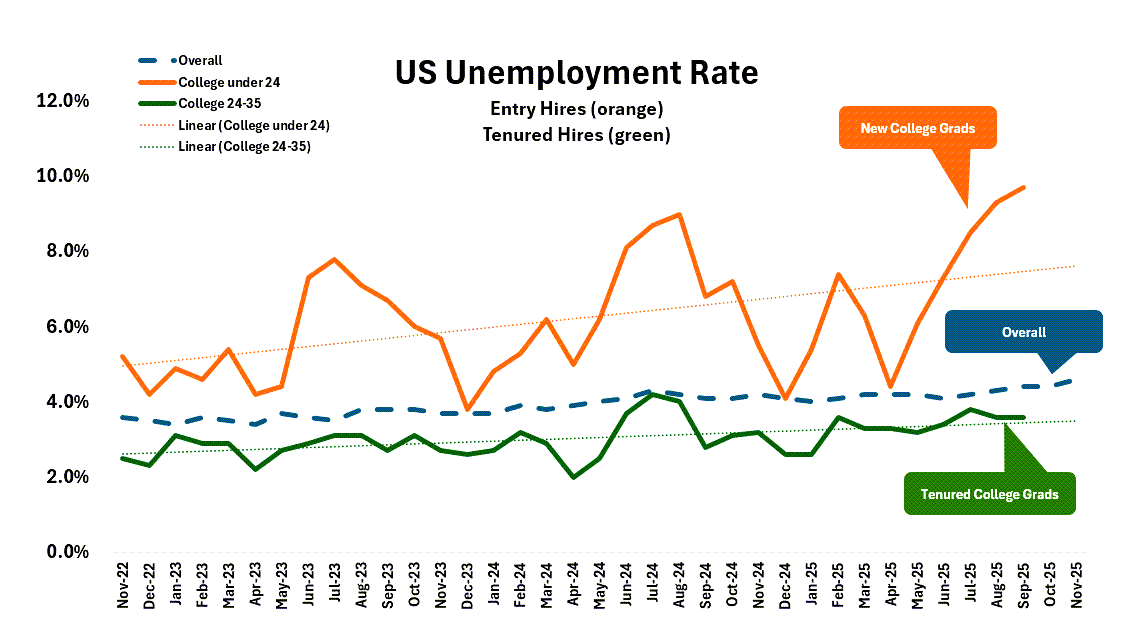
In stark contrast, the unemployment rate for new college graduates is on a pronounced upward trend. Current figures place this rate at nearly 10%, a level not seen since the peak of the pandemic recovery in July 2021. This surge in youth unemployment is particularly concerning when viewed historically. Indeed, the last time unemployment for recent college graduates reached such heights was in 2011, during the protracted recovery from the 2008 Great Recession. This historical parallel suggests that this demographic is highly susceptible to broader economic downturns and structural shifts in the labor market. The St. Louis Federal Reserve has also corroborated these findings, highlighting the vulnerability of recent college graduates to labor market volatility.
Furthermore, analysis indicates a concerning trend in the types of jobs available. Jobs that do not require a college degree constitute approximately 82% of the workforce, a figure that has risen from 79% five years ago. This suggests that not only is AI potentially impacting the hiring of new college graduates, but it is also contributing to a reduction in the overall number of jobs that necessitate higher education. This could lead to a situation where a growing number of college-educated individuals are competing for a shrinking pool of degree-requiring positions, or are being channeled into roles traditionally held by those without degrees.
The Undeniable Rise of AI and its Societal Implications
The evolving employment landscape cannot be discussed without addressing the rapidly advancing capabilities and integration of Artificial Intelligence. While the direct impact of AI on job displacement has been debated and, for a considerable period, appeared minimal, the narrative is shifting. AI is increasingly recognized not merely as a technological tool, but as a profound "socio-technological innovation" with far-reaching societal and sociological consequences.
The integration of AI into the workplace is creating a complex dynamic. While AI platforms are often oversold in terms of their immediate value, the reality is that many organizations are grappling with how to effectively deploy and manage these technologies. This integration raises significant questions about trust, employee adaptation, and the future of work.
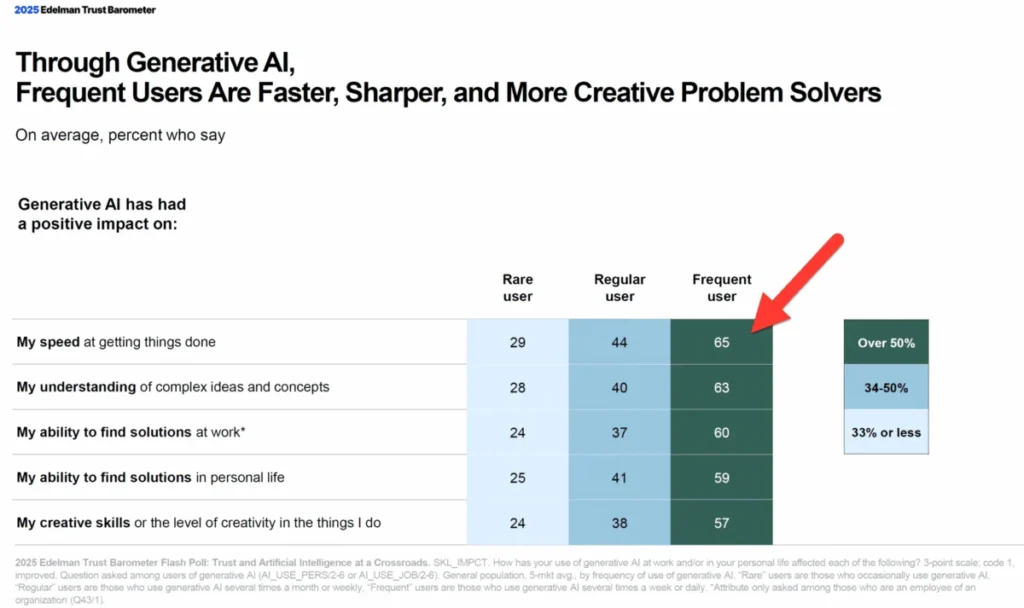
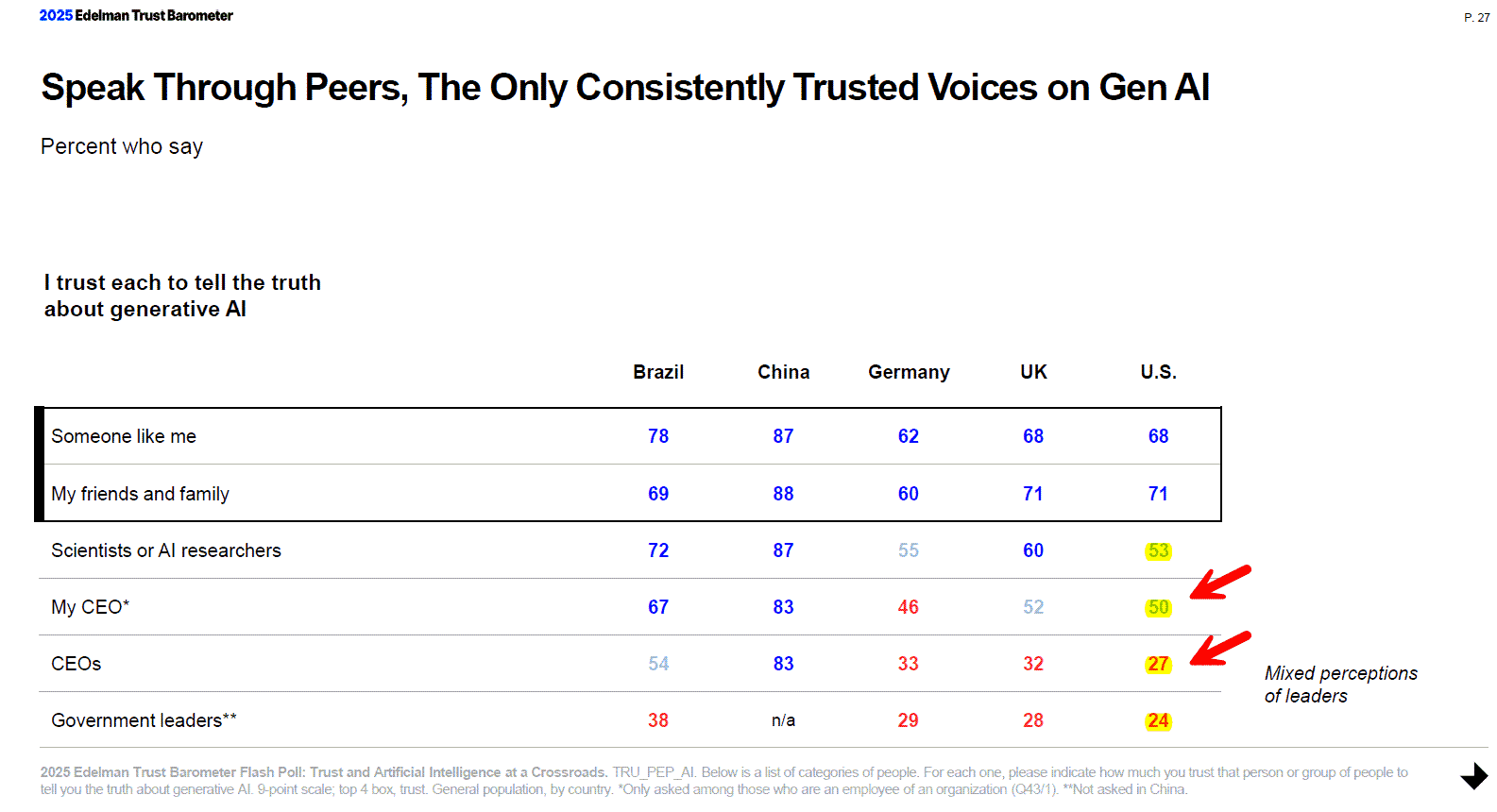
A recent flash poll on "Trust in AI" from Edelman reveals a crucial distinction: the concern is not necessarily about trust in AI platforms themselves, but rather "Trust in AI’s Value." This sentiment suggests that employees and the public are still assessing the tangible benefits and reliability of AI’s purported contributions to productivity and job security. This underlying uncertainty contributes to a broader sense of economic insecurity, as individuals become increasingly concerned about their job prospects, career trajectories, and future earning potential in an AI-influenced economy.
The implications of this trust deficit are significant. If a substantial portion of the workforce harbors doubts about the value and impact of AI, they are likely to resist change, express skepticism, and ultimately hinder the successful adoption of these technologies. This resistance, coupled with existing economic anxieties, could paradoxically lead to a decrease in overall economic productivity, as human capital is not fully leveraged or is actively disengaged.

Navigating the AI Era: A Call for Open Dialogue and Adaptation
The path forward in this AI-driven era necessitates a departure from ignorance or avoidance. Instead, a strategy of open and honest dialogue is paramount. The full extent of AI’s impact on the job market remains an area of ongoing study, with current estimates often subject to revision. Moreover, the inherent unfamiliarity and rapid advancement of AI can evoke a sense of apprehension.
The workforce is being asked to adapt to a host of new AI-powered tools and interactions. This includes increasingly sophisticated chatbots, personalized and potentially unsettling email communications, AI-driven recruitment processes such as avatar-based interviews, AI-informed career guidance, and performance reviews augmented by AI. Looking ahead to 2026 and beyond, the integration of "digital twins," advanced robotics, and more realistic AI-generated human representations in the workplace is anticipated. Platforms like Galileo Learn, which employ AI agents for coaching and professional development, exemplify this trend.
Advice for Employees: Embracing the "Superworker" Potential
For individuals entering the job market or seeking to advance their careers, a strategic approach is essential. Holding back on entry-level hiring, for instance, might prove to be a miscalculation. Younger workers, having grown up in an era of rapid technological advancement, are often more inclined to embrace and innovate with AI technologies. Their willingness to explore new applications and question established methodologies can be a significant asset.
The concept of the "Superworker" is emerging as a key paradigm. AI is not necessarily a "job killer" but rather a significant "job-leveler," democratizing access to information and expertise. For younger professionals, AI provides unprecedented opportunities to rapidly acquire knowledge and skills, potentially accelerating their transition from apprentice to expert. Similarly, for seasoned professionals, AI offers tools to deepen their understanding of new technologies and advancements within their respective fields. The reliance on experience alone is no longer sufficient; continuous learning and adaptation are critical.
Data underscores this point: frequent users of AI are significantly more likely to report finding solutions to work-related problems and completing tasks more efficiently. This suggests a strong correlation between AI adoption and enhanced productivity.
Guidance for Employers: Rethinking Hiring and Management Strategies
Employers and hiring managers are urged to be mindful of the "tenure trap." While experienced employees may possess deep institutional knowledge, their approach to new technologies might be centered on optimizing existing processes rather than fundamentally rethinking workflows. This can create an opening for younger, AI-savvy candidates who, despite less experience, can rapidly become proficient and drive innovation.
HR leaders and recruiters should prioritize identifying individuals who demonstrate a capacity for rapid learning and AI proficiency. These "AI pioneers" may represent the "Superworkers" of the future, capable of driving productivity gains at an accelerated pace. Furthermore, the cost-effectiveness of hiring individuals who can quickly leverage AI tools should not be overlooked.
For Chief Executive Officers and senior leadership, transparency and thoughtful planning are crucial. Research consistently points to AI as a "scaling technology," designed to augment and enhance rather than eliminate jobs. A candid and supportive approach to AI integration will foster greater employee adaptation and ultimately position the company for sustained success. The trust that employees place in leadership’s vision for AI directly impacts their willingness to engage with and benefit from these transformative technologies.
The integration of AI into the workforce represents a fundamental shift, demanding adaptability from individuals and strategic foresight from organizations. The coming years will likely see a redefinition of work, where human ingenuity and AI capabilities coalesce to unlock new levels of productivity and innovation. The key to navigating this transition successfully lies in proactive learning, open communication, and a willingness to embrace the evolving landscape of employment.