Employee recognition, far from being a mere courtesy, stands as a foundational pillar for organizational success, manifesting its profound effects across performance metrics, employee morale, and the very fabric of workplace culture. Its influence permeates every level, from newly onboarded hires to long-tenured executives, fundamentally altering how individuals engage with their roles and their commitment to an organization. For human resources departments and the C-suite, strategic recognition represents a remarkably cost-effective mechanism to invigorate engagement, mitigate turnover, and secure top talent. For employees, the equation is straightforward: acknowledgment of effort directly fuels motivation. Managers, too, find it an indispensable leadership tool, with Gallup research indicating that a significant 28% of employees value recognition from their direct manager above all other sources. Understanding the multi-faceted impact of this critical practice requires a deeper dive into its manifestations throughout the organizational hierarchy.
The Evolving Workplace: A Catalyst for Recognition’s Ascent
The modern workplace has undergone a dramatic transformation in recent years, propelled by factors such as the global pandemic, the subsequent "Great Resignation" or "Great Reshuffle," and the persistent demand for purpose-driven work. In this dynamic landscape, where talent scarcity is a growing concern and employees seek more than just compensation, the strategic importance of recognition has escalated. The shift to remote and hybrid work models has further underscored the need for deliberate efforts to foster connection, belonging, and appreciation, preventing isolation and maintaining team cohesion. Companies are now grappling with issues like "quiet quitting," where employees disengage without formally leaving, highlighting a pervasive need for meaningful engagement strategies. Against this backdrop, employee recognition has evolved from a sporadic gesture to a continuous, integrated strategy, essential for building resilient workforces and competitive advantage. Industry analysts consistently highlight that organizations failing to adapt their recognition practices risk disengagement, declining productivity, and ultimately, significant financial losses due to high turnover.
At the Core: The Employee Experience Transformed by Appreciation
When employees feel genuinely appreciated, it catalyzes a fundamental shift in their approach to work, their interactions with colleagues, and their commitment to company objectives. This heightened sense of value translates directly into tangible improvements across several key areas of the employee experience.
-
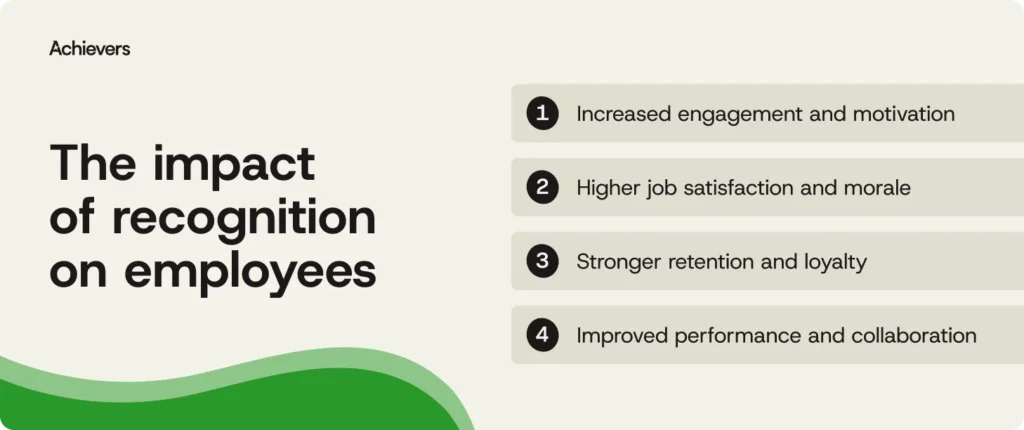
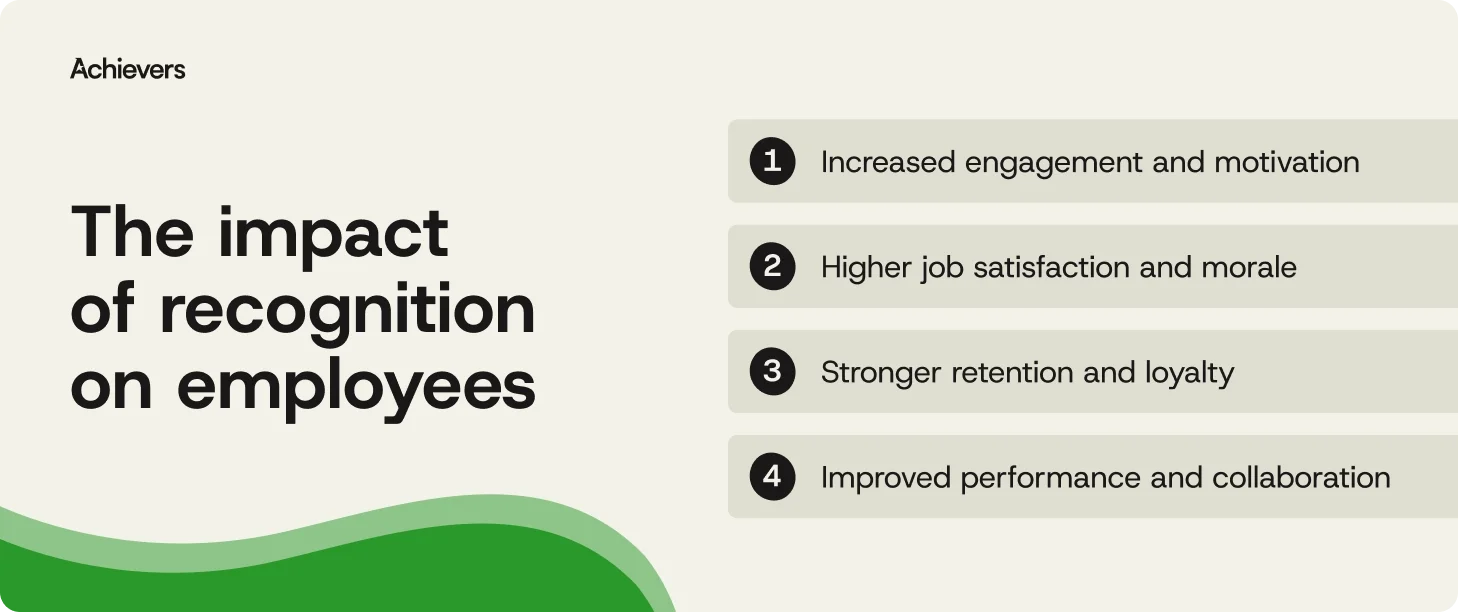
Enhanced Engagement and Motivation: Engaged employees are not merely productive; they exhibit greater resilience, foster superior collaboration, and demonstrate a deeper investment in organizational outcomes. Recognition serves as one of the most potent and immediate catalysts for boosting this engagement. Data from PwC’s Global Workforce Hopes and Fears Survey reveals that a substantial portion of the global workforce contemplates departure within the coming year. Meaningful recognition, however, emerges as a critical intervention to re-engage and retain these valuable individuals. When employees are regularly recognized, they feel seen and valued, which reinforces positive behaviors and encourages continued high performance, transforming simple tasks into purposeful contributions. This psychological contract of mutual respect breeds a workforce that is eager to contribute beyond minimum expectations.
-
Elevated Job Satisfaction and Morale: A sense of belonging is intrinsically linked to employee retention, positioning recognition as one of the most cost-effective tools for reducing attrition. Forbes reports that 38% of HR leaders are increasingly integrating recognition and rewards into their overall compensation strategies, acknowledging its power to enhance job satisfaction. Recognition cultivates belonging by affirming employees’ contributions, not just for headline-grabbing achievements but for the consistent, day-to-day efforts that sustain operations. This regular affirmation creates a positive feedback loop, boosting morale and fostering an environment where individuals feel integral to the team’s success. High job satisfaction translates into reduced stress, improved mental well-being, and a more positive overall workplace atmosphere.
-
Fortified Retention and Loyalty: Recognition acts as a bridge, transforming short-term successes into enduring loyalty. Employees who perceive themselves as valued contributors, rather than mere cogs in a machine, are significantly more likely to remain with their organization. A strong sense of belonging, directly nurtured by consistent recognition, has been shown by Forbes to boost retention by 43% and increase estimated tenure by an impressive 84%. Such statistics underscore the profound impact of simple, authentic appreciation. The financial implications of high employee turnover are substantial, encompassing recruitment costs, onboarding expenses, and lost productivity. By fostering loyalty, recognition directly mitigates these costs, safeguarding institutional knowledge and maintaining team continuity.
-
Improved Performance and Collaborative Dynamics: Recognition clarifies what constitutes exemplary work and inspires others to emulate it. With Gallup reporting that only 23% of employees feel engaged, there exists a significant opportunity to close this engagement gap through more frequent, timely, and specific recognition. When employees are recognized for their contributions, it validates their efforts and provides clear examples of desired behaviors and outcomes. This positive reinforcement encourages a continuous cycle of improvement, fostering a culture where individuals are motivated to excel. Furthermore, when recognition is public and peer-to-peer, it encourages a collaborative spirit, breaking down silos and promoting a shared understanding of team and organizational goals. It highlights interdependencies and celebrates collective achievements, strengthening overall team cohesion.
Empowering Leadership: Recognition’s Role for Managers

The role of a manager is inherently challenging, demanding a delicate balance of priority management, performance coaching, and morale maintenance. While recognition is not a panacea, it equips managers with one of the most potent yet often underestimated tools for effective leadership.
-
Driving Superior Team Performance: A direct correlation exists between manager recognition and team output. The "State of Recognition Report" (SOR) indicates that employees receiving weekly recognition are 2.6 times more likely to report peak productivity, while those recognized monthly are 1.8 times more likely to do so compared to their unrecognised counterparts. With 91% of employees affirming that recognition motivates them to exert greater effort, the return on investment (ROI) for managers is undeniable. Managers who consistently recognize their teams cultivate environments where goals are not just met but often exceeded, quality standards are elevated, and proactive problem-solving becomes the norm.
-
Cultivating Trust and Robust Relationships: Great managers transcend mere task delegation; they are architects of trust. This trust is not built instantaneously but through a consistent accumulation of small, meaningful actions, chief among them being timely recognition of effort. Research reveals that employees recognized by their managers are an astonishing 19 times more likely to trust them. Such profound trust forms the bedrock for effective communication, constructive feedback, and seamless collaboration, making all aspects of team dynamics function more smoothly and efficiently. It fosters psychological safety, allowing team members to take risks and voice opinions without fear of reprisal.
-
Sharpening Leadership Effectiveness: Effective managers consistently achieve results. Truly great managers, however, inspire trust, galvanize effort, and lead with unwavering clarity—qualities significantly amplified by recognition. According to the Achievers Workforce Institute (AWI), employees who would recommend their manager are four times more likely to be engaged, signifying that recognition is not merely appreciated but deeply remembered and foundational to a manager’s positive reputation. Managers who consistently recognize their teams embody transformational leadership, inspiring their direct reports to achieve their full potential and fostering a sense of shared purpose and commitment.
-
Streamlining Performance Management: Performance discussions need not be fraught with tension. Recognition strategically reorients the focus from deficiencies to strengths, a seemingly simple shift that profoundly alters the entire dynamic. When employees are aware that their efforts are consistently noticed and valued, they are more inclined to sustain motivation, self-correct proactively, and assume ownership of their professional development. This continuous feedback loop provided by recognition makes formal performance reviews less about critique and more about collaborative growth, reducing anxiety and promoting a proactive approach to career advancement. It transforms performance management into a supportive, ongoing dialogue rather than a periodic, evaluative event.
Strategic Imperative: How Recognition Elevates HR Functions
Human Resources departments bear multifaceted responsibilities, serving as culture architects, retention strategists, data analysts, and brand custodians. Recognition acts as a powerful lever, simplifying and enhancing the efficacy of each of these critical functions.
-
Anchoring a Resilient Company Culture: Authentic culture resides in the day-to-day interactions, and recognition breathes life into it by translating organizational values into visible, actionable behaviors. It serves as a clear indicator of what truly matters within the organization and underscores the significance of individual contributions. By consistently recognizing behaviors aligned with core values, HR reinforces the desired cultural norms, fostering an ethical climate and a shared sense of purpose. This proactive cultural shaping ensures that values are not just statements on a wall but living principles guiding employee actions.
-
Bolstering Employee Retention Metrics: It is a well-established fact that individuals are less likely to depart from organizations where they feel seen, supported, and genuinely appreciated. Recognition plays a pivotal role in cultivating this environment, fostering a deep sense of belonging among employees and providing compelling reasons for them to stay. By strategically implementing robust recognition programs, HR teams can directly influence retention rates, significantly reducing the costs associated with high turnover. These programs act as a proactive defense against attrition, creating a stable and experienced workforce.
-
Unlocking Data-Driven Engagement Insights: Beyond its feel-good factor, recognition generates invaluable data. Every expression of gratitude, every congratulatory comment, and every awarded point creates a real-time snapshot of employee sentiment and engagement levels. For HR professionals, this translates into superior insights, enabling faster, more informed decision-making and minimizing unwelcome surprises. Advanced recognition platforms can provide analytics on recognition frequency, recipient demographics, and the types of achievements being celebrated, offering a granular view of departmental engagement and identifying potential areas of concern or flight risk. This data empowers HR to move beyond guesswork and implement truly data-driven strategies.
-
Forging a Powerful Employer Brand: An organization’s employer brand is intrinsically linked to the narratives its employees share about their workplace experience. Recognition provides employees with compelling positive stories to tell, demonstrating that their contributions are valued and that appreciation extends beyond leadership circles or annual surveys. This genuine appreciation resonates externally, enhancing the company’s reputation as an employer of choice. A strong employer brand, reinforced by visible recognition, becomes a powerful magnet for attracting top-tier talent, reducing recruitment timelines, and lowering hiring costs. Positive word-of-mouth, often amplified on platforms like Glassdoor, becomes an invaluable asset in the competitive talent market.
Guiding the Vision: Executive Impact Through Recognition
Executives are not merely orchestrators of strategy; they are the principal architects of organizational tone. When recognition is woven into their leadership philosophy, it yields a measurable and profound impact across the entire enterprise.
-
Catalyzing Higher Organizational Profitability and Performance: Recognition is a direct driver of superior business outcomes. Companies with well-established recognition programs are 44% more profitable than those without, a finding from the Incentive Research Foundation. Furthermore, when employees feel recognized by leadership, their productivity can surge by 17% to 26%. This direct link between appreciation and profitability underscores recognition’s role as a strategic financial lever. It fuels innovation, enhances customer satisfaction, and ultimately contributes to increased market share and shareholder value.
-
Ensuring Strategic Alignment with Business Goals: While a clear vision is paramount, its efficacy hinges on employees understanding how their daily efforts contribute to the overarching objectives. This is where recognition proves transformative. It translates high-level strategic goals into tangible actions by consistently highlighting and rewarding behaviors that propel the business forward. When executives actively recognize efforts aligned with strategic imperatives, it cascades clarity throughout the organization, fostering employee buy-in and ensuring that everyone is rowing in the same direction. This direct connection between individual effort and strategic success is crucial for effective execution.
-
Cultivating a Superior Employee Experience and Culture: Organizational culture does not organically flourish in the background; it demands deliberate attention, intentional effort, and, unequivocally, recognition. When this appreciation emanates directly from leadership, its impact multiplies exponentially. Research indicates that 77% of employees report working harder when they feel recognized by their leaders, managers, and peers. Executive-led recognition signals a top-down commitment to a people-first philosophy, creating an employee experience that is genuinely positive and sustainable. This commitment fosters a culture of psychological safety, collaboration, and mutual respect, which is invaluable for long-term organizational health.
-
Solidifying Leadership Reputation and Trust: The legacy of leaders is often defined by how they make their employees feel. When employees feel genuinely valued, that trust endures. According to Deloitte, companies led by trusted leadership outperform their peers by an astounding 400%. This profound trust also renders employees 1.5 times more likely to publicly defend their company and 33% less likely to actively seek new employment. Recognition from executives conveys empathy, transparency, and confidence – all indispensable qualities that people seek and admire in leadership. It humanizes leadership, building strong emotional bonds that translate into unwavering loyalty and commitment from the workforce.
Beyond the Transaction: Crafting a Culture of Continuous Appreciation
When employee recognition is executed effectively, it transcends a mere program to become an intrinsic cultural habit, fundamentally transforming the workplace. It acts as a powerful engine for boosting individual and collective performance, forging deeper connections, and meticulously shaping a culture that employees genuinely desire to be a part of. Employees experience heightened engagement and motivation. Managers are empowered to lead with greater effectiveness and build stronger teams. HR gains invaluable, data-driven insights to refine and drive strategic initiatives. And executives witness stronger organizational alignment, improved financial results, and a more resilient workforce.
The evolution of recognition has led to sophisticated, integrated platforms that move beyond infrequent, top-down awards to foster continuous, peer-to-peer, and multi-directional appreciation. These advanced systems offer flexible, points-based tools and personalized rewards that seamlessly function across diverse teams, geographical regions, and varied roles. Crucially, modern recognition solutions also provide robust analytics and ROI calculators, enabling organizations to precisely track the tangible returns on their investment in appreciation. This shift towards data-driven, systematic recognition elevates it from a ‘nice-to-have’ to a strategic imperative, allowing businesses to quantitatively demonstrate how fostering a culture of appreciation directly contributes to enhanced performance at every level and secures long-term organizational success.