A significant and growing epidemic of loneliness is permeating the modern workplace, with nearly two in five office workers reporting feelings of disconnection on the job, according to a new survey by Kahoot!. The study further reveals that a stark one-third of employees often go an entire workday without speaking to a single colleague, highlighting a critical breakdown in interpersonal connection that has profound implications for team performance, innovation, and employee retention. This pervasive sense of isolation is not confined to specific demographics or work arrangements, impacting individuals across various roles and experiences, and demanding urgent attention from organizations aiming to foster healthy and productive work environments.
The research, which surveyed a broad spectrum of office workers, underscores that loneliness is more than just being physically alone; it is the absence of meaningful, quality relationships. This distinction is crucial, as an employee in a bustling retail environment can feel more isolated than a remote worker if they lack a sense of comfort and belonging among their colleagues. This nuanced understanding of loneliness is particularly relevant in the current landscape of evolving work models, where the lines between in-person and remote collaboration are increasingly blurred.
Generational and Socioeconomic Disparities in Workplace Loneliness

Further insights from the Kahoot! survey, coupled with findings from other reputable sources, paint a detailed picture of who is most affected by workplace loneliness. Millennials, for instance, are identified as the generation most susceptible to feeling lonely at work. This demographic, which constitutes a substantial portion of the current workforce, faces unique challenges in establishing deep connections in a rapidly changing professional world. The survey also highlighted a concerning trend where a significant number of employees have actively sought new employment due to feelings of disconnection. Specifically, one in five men and one in eight women have reportedly left jobs because they felt isolated from their colleagues, underscoring the direct link between social connection and employee retention.
Adding another layer to this complex issue, research from the Harvard Graduate School of Education’s "Loneliness in America 2024" report indicates a correlation between socioeconomic status and loneliness. Individuals earning lower incomes are more likely to experience loneliness compared to their higher-earning counterparts. This finding suggests that organizations should pay particular attention to their frontline teams and employees in roles that may offer less in terms of compensation or perceived social capital, as they may be at a higher risk of experiencing isolation.
The Cascading Impact of Loneliness on Organizational Health
The ramifications of workplace loneliness extend far beyond individual feelings of isolation, creating a ripple effect that impacts the entire organizational ecosystem. When employees feel disconnected, their capacity for trust and collaboration diminishes. This erosion of trust directly hinders innovation, as psychological safety, a prerequisite for sharing new ideas and taking creative risks, is compromised. Furthermore, decreased collaboration can lead to inefficiencies, missed opportunities, and a stagnation of progress.

Beyond the immediate impact on innovation and efficiency, loneliness contributes to a decline in overall employee well-being and productivity. Lonely employees are more prone to illness, increased stress levels, and burnout. Gallup research has consistently shown that lonely employees are less motivated and engaged, leading to higher rates of absenteeism and a general lack of energy and enthusiasm for their work. This phenomenon is not limited to specific roles; the research indicates that both Millennials and managers report higher levels of loneliness, suggesting that this issue cuts across hierarchical levels and age groups within an organization.
Navigating the Return-to-Work Debate Through the Lens of Loneliness
The ongoing debate surrounding return-to-work policies is further complicated by the findings on workplace loneliness. While some might infer that a return to in-person work could inherently alleviate feelings of isolation, the data presents a more nuanced picture. Gallup’s research indicates that fully remote employees report higher levels of loneliness (25%) compared to the average (16%). However, conversely, employees who work entirely on-site report higher levels of burnout (29%) than those who work fully remotely (24%). This suggests that neither extreme—fully on-site nor fully remote work—offers a definitive solution to the complex issue of workplace loneliness and its associated mental health impacts. Hybrid models, therefore, may offer a potential avenue for balancing the benefits of in-person interaction with the flexibility and autonomy that can contribute to well-being, but careful consideration must be given to how these models are structured to foster genuine connection.
Strategies for Cultivating Connection and Combating Workplace Loneliness

Recognizing the pervasive nature of workplace loneliness, organizations are increasingly seeking actionable strategies to foster a more connected and supportive environment. The responsibility for addressing this "epidemic of loneliness," as it has been termed, often falls on leadership, with a significant majority of managers (71%) feeling accountable for their team’s well-being, according to the "Building Human Workplaces" report. This understanding empowers organizations to implement targeted initiatives that promote social interaction and strengthen interpersonal bonds.
Enhancing Social Engagement in Meetings
One effective approach involves intentionally integrating social elements into daily work routines. This can be as simple as dedicating the first few minutes of regular team meetings to informal conversation or posing personal, non-work-related questions during one-on-one check-ins. This provides employees with explicit permission to connect on a human level. Companies like Ulteig have successfully implemented programs where employees are paired for informal chats, fostering a sense of camaraderie and mutual understanding. Organizations can formalize these initiatives through structured "connection meetings" or simply encourage employees to schedule casual catch-ups with colleagues they may not know well, thereby building bridges across different teams and departments.
Integrating Social Interaction into Digital Communication Channels
In today’s predominantly digital communication landscape, leveraging work chat platforms presents a significant opportunity to build connection. By introducing non-work-related topics or engaging questions, organizations can encourage lighthearted interaction and foster a sense of community. Examples include posing questions about upcoming summer blockbusters or implementing "Would You Rather" Wednesdays, where employees engage with fun, hypothetical scenarios. These initiatives can be led by managers to ensure consistency or delegated to enthusiastic team members who can champion a culture of informal engagement.
Promoting and Supporting Employee Resource Groups (ERGs)
Employee Resource Groups (ERGs) offer a powerful avenue for individuals to connect with colleagues who share similar interests, backgrounds, or passions, extending connections beyond immediate functional teams. Reward Gateway | Edenred, for example, supports a diverse range of ERGs, including those focused on accessibility, multiculturalism, social mobility, LGBTQIA+ inclusion, women’s empowerment, and general well-being. Many organizations also host ERGs centered around hobbies and interests such as running, crafting, baking, or reading. These groups, often employee-led, provide a vital platform for building community and can be instrumental in mitigating feelings of isolation by fostering a sense of belonging around shared affinities.
Encouraging Commuter Connections and Carpooling
For employees who share common commutes, initiatives that encourage carpooling or the formation of commuter groups can serve a dual purpose. Beyond contributing to sustainability and Corporate Social Responsibility (CSR) goals, these programs offer a built-in social network, providing a friendly face and conversation partner during daily travel. Even for those utilizing public transport, coordinating travel can foster a sense of connection. For employees who cycle to work, a colleague along for the ride can offer support in case of unforeseen mechanical issues, further strengthening bonds through shared experiences.
Implementing Quarterly Challenges and Competitions
Engaging employees in regular challenges or competitions can inject an element of fun and friendly rivalry into the workplace, fostering deeper connections through shared interests and lighthearted banter. Whether it’s fantasy sports leagues, NCAA bracket pools, or well-being challenges, these activities provide common ground for discussion and interaction outside of core work projects. Platforms like Reward Gateway’s well-being app can facilitate these interactions, providing a dedicated space for employees to connect over shared activities. This can transform potentially mundane interactions into opportunities for genuine engagement and camaraderie.
Streamlining and Encouraging Employee Recognition
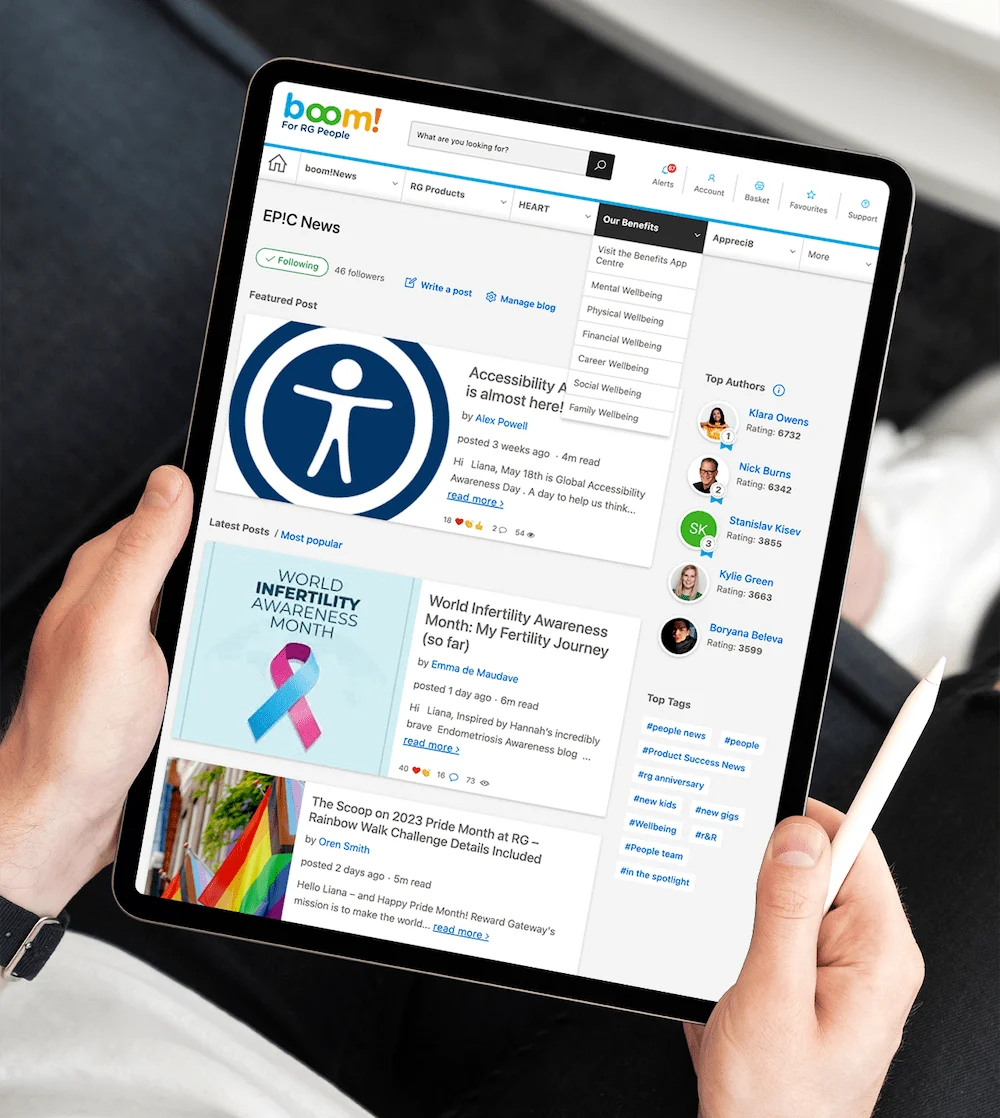
The impact of genuine appreciation on fostering strong connections cannot be overstated. According to Reward Gateway’s "Workplace Wellbeing 2025" report, a substantial 69% of employees believe their workplace well-being would improve if they received more thanks. Organizations should actively encourage and facilitate regular recognition of good work. While in-person expressions of gratitude are invaluable, extending praise through a public social feed amplifies its impact, allowing for broader visibility and reinforcing positive behaviors across the organization. This passive yet powerful form of recognition can help rebuild trust among disconnected employees, transforming potential sentiments of neglect, such as "IT never responds to me," into an understanding of team challenges and collective effort, like "Our IT team really is handling a lot. I understand why it sometimes takes a day for them to return my message." By elevating and celebrating these stories, organizations can cultivate a culture of appreciation and reinforce a sense of shared purpose.
The ongoing challenge of workplace loneliness demands a strategic and empathetic response from organizations. By implementing a combination of these targeted initiatives, businesses can actively work towards building stronger, more connected, and ultimately, more resilient teams. Investing in employee connection is not merely a matter of well-being; it is a critical factor in driving innovation, improving performance, and ensuring long-term organizational success in an increasingly interconnected world.