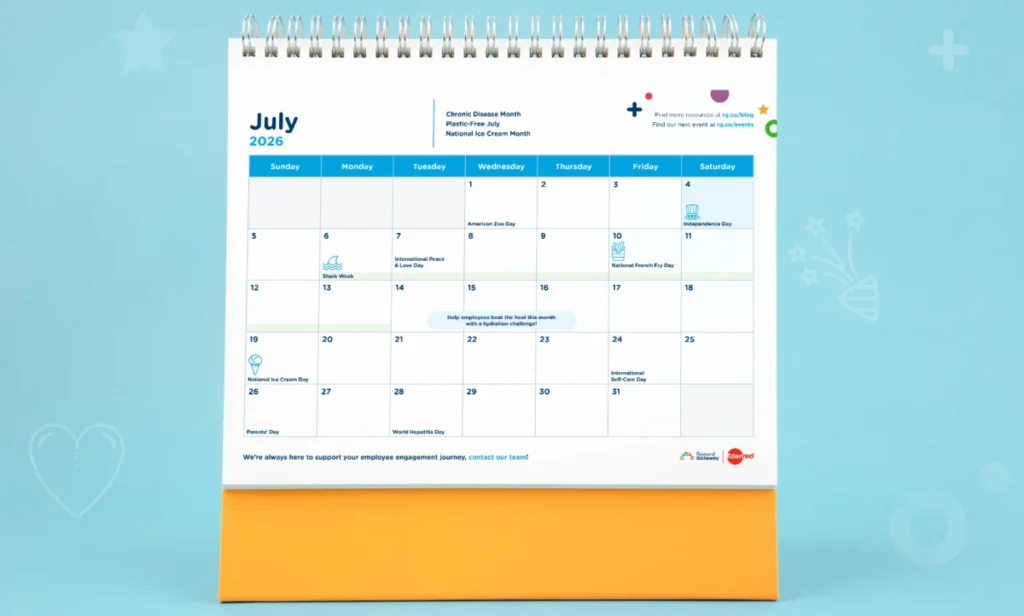
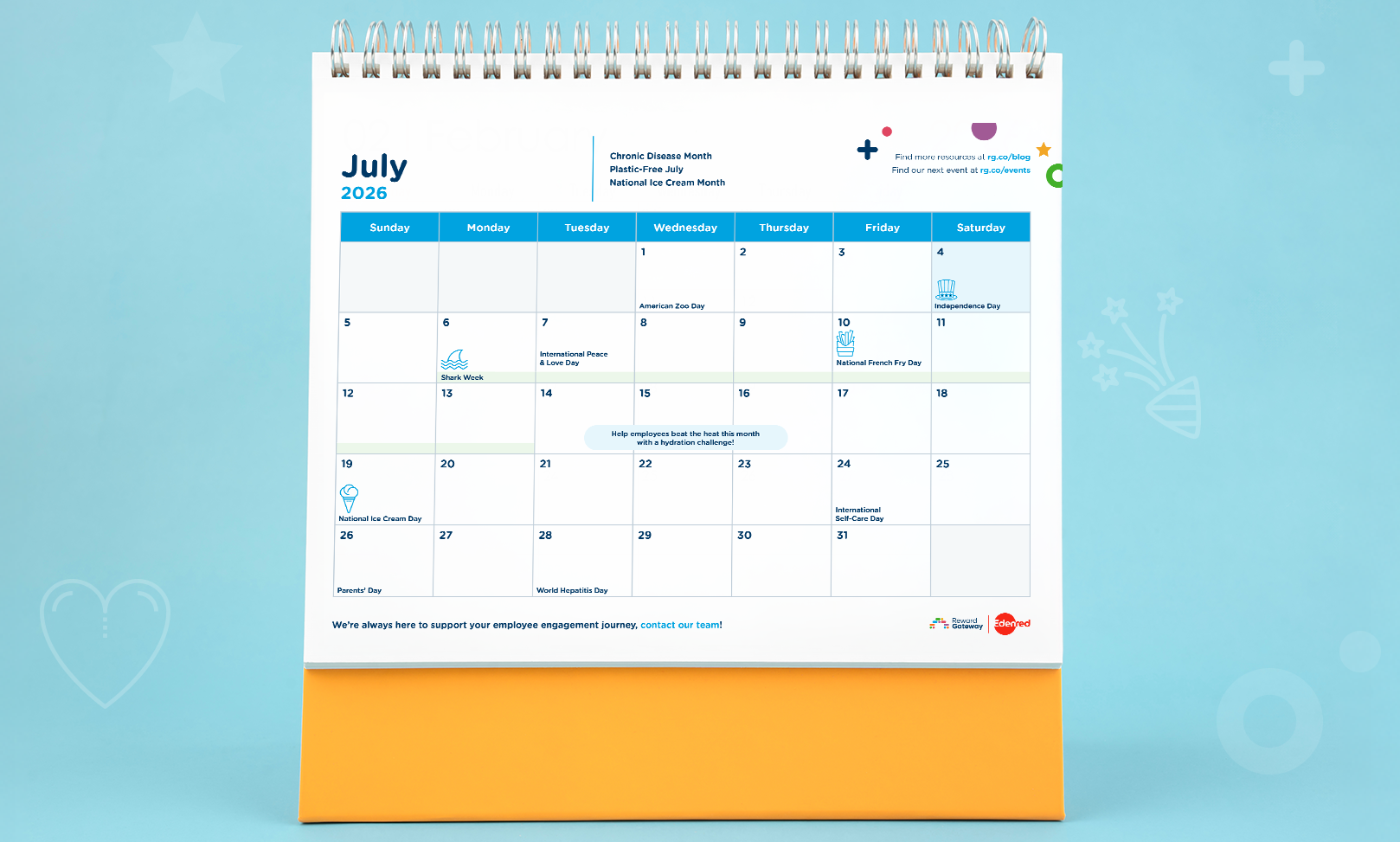
As organizations navigate the ever-evolving landscape of employee engagement and company culture, the month of July presents a vibrant array of observances that can be leveraged to foster stronger connections, celebrate diversity, and enhance the overall employee experience. Moving beyond the traditional calendar, a deeper examination of July’s designated days and months reveals significant opportunities for strategic cultural programming. This analysis explores key themes within July’s observances, including professional acknowledgments, culinary celebrations, and moments for specialized interest, providing a framework for businesses to proactively plan and execute impactful employee initiatives.
Professional Celebrations and Inclusivity: A Deeper Dive into July’s Observances
July opens with a significant and ongoing observance that demands attention: LGBTQIA+ Pride Month. While typically celebrated in June, the impact and importance of this month extend throughout the year, and organizations can continue to champion its principles in July. The persistent societal discourse surrounding LGBTQIA+ rights underscores the critical need for workplaces to actively cultivate environments where all employees feel genuinely belonging and are recognized for their authentic selves. Pride Month is not merely about visual representation or passive acceptance; at its core, it is a celebration of joy, resilience, and the uninhibited expression of identity. Companies can demonstrate their commitment through inclusive policies, educational initiatives, and support for LGBTQIA+ employee resource groups. Data from organizations like the Human Rights Campaign consistently shows that companies with strong LGBTQIA+ inclusion policies experience higher employee retention and innovation. For instance, a 2023 report indicated that 83% of LGBTQIA+ employees are more likely to stay with an inclusive employer, and 70% feel more productive when they can be their authentic selves at work.
Beyond the overarching theme of Pride, July offers several specific dates that warrant recognition, each carrying historical and societal weight:
-
July 1 – National Postal Worker Day & National Postage Stamp Day: The evolution of postal services, with roots tracing back to ancient Egypt around 2400 BCE, highlights a fundamental human need for communication and connection. The modern postal service, particularly the United States Postal Service (USPS), remains a critical infrastructure for businesses, especially those involved in shipping and logistics. Acknowledging this day can resonate particularly with employees who directly interact with postal services or within companies that rely heavily on them. This can be a simple gesture of appreciation for the essential role postal workers play in connecting communities and facilitating commerce.
-
July 4 – Independence Day: A cornerstone of American national identity, Independence Day is a federal holiday that often involves company-wide breaks, allowing employees to spend time with family and friends, reflecting on the nation’s history and values. Many organizations use this occasion for community engagement, such as sponsoring local fireworks displays or participating in parades.
-
July 17 – World Day for International Justice: This observance commemorates the adoption of the Rome Statute in 1998, which established the International Criminal Court (ICC). It serves as a global call to action for national governments to uphold accountability and actively support the international justice system. For organizations with a global footprint or those committed to ethical business practices and human rights, this day offers an opportunity to reinforce their values and engage employees in discussions about corporate responsibility and the pursuit of global justice. Coalition for the ICC’s advocacy highlights the growing importance of international legal frameworks in holding individuals and states accountable for egregious crimes.
-
July 26 – Disability Independence Day: This significant date marks the signing of the Americans with Disabilities Act (ADA) in 1990. The ADA is a landmark civil rights law that prohibits discrimination based on disability and mandates equal opportunity in all aspects of public life, including employment. Celebrating Disability Independence Day is crucial for reinforcing an organization’s commitment to accessibility, inclusion, and providing a supportive environment for employees with disabilities. This can involve reviewing and enhancing accessibility features in the workplace, offering disability awareness training, and actively promoting inclusive hiring practices. According to the Centers for Disease Control and Prevention (CDC), approximately 1 in 4 adults in the United States has a disability, making this a relevant and important observance for nearly every organization.
-
July 28 – World Nature Conservation Day: In an era of increasing environmental awareness and the urgent need for sustainable practices, World Nature Conservation Day provides a platform for organizations to highlight their commitment to environmental stewardship. This can translate into initiatives such as promoting recycling programs, organizing nature clean-up events, or educating employees on sustainable living practices. The World Wildlife Fund (WWF) consistently reports on the critical state of biodiversity and the need for collective action, making this an opportune moment for corporate engagement.
-
July 30 – National Intern Day: Interns are often the future talent pipeline for many organizations. Recognizing National Intern Day is a valuable way to acknowledge their contributions, provide mentorship, and reinforce their positive experience within the company. This can involve special appreciation events, feedback sessions, or opportunities for interns to showcase their projects. Studies by the National Association of Colleges and Employers (NACE) show that a significant percentage of interns are offered full-time positions, underscoring the importance of a positive internship experience.
-
July 31 – National System Administrators Appreciation Day: In the digital age, system administrators are the unsung heroes who ensure the seamless operation of an organization’s technological infrastructure. This day is an opportunity to express gratitude for their dedication, expertise, and the often-invisible work they do to keep systems running smoothly and securely. A simple acknowledgment, a small token of appreciation, or a team lunch can go a long way in boosting morale for these essential IT professionals.
Culinary Celebrations and Social Cohesion: The Joy of Food in July
July offers a trifecta of month-long culinary celebrations that provide delightful and accessible opportunities for fostering social connections and boosting employee morale: Picnic Month, National Hot Dog Month, and Berry Month. These themes converge perfectly to inspire company-wide social events, most notably the classic company picnic.

A company picnic is an ideal vehicle for lightweight culture-building. It offers a relaxed setting for employees to interact outside of their usual work roles, fostering camaraderie and strengthening interdepartmental relationships. Beyond the simple pleasure of shared food, these events can be strategically designed to incorporate a variety of activities. These could range from engaging community volunteering efforts, where employees contribute to a local cause, to collaborative cross-team skill-building exercises presented in a fun, informal manner. The relaxed atmosphere of a picnic encourages spontaneous conversations and the formation of new bonds, which are crucial for a cohesive and engaged workforce. The economic impact of the food industry, particularly during peak seasons like summer, highlights the widespread enjoyment and cultural significance of such gatherings. For instance, the National Picnic Association notes that picnics are a significant driver of outdoor recreation and social interaction, particularly during warmer months.
The Versatile Appeal of Hot Dogs and Berries
The specific themes of National Hot Dog Month and Berry Month offer additional creative avenues. A "Hot Dog Bar" can be a fun and interactive lunch option, allowing employees to customize their toppings and engage in friendly debates about the best combinations. Similarly, incorporating fresh berries into office snacks, desserts, or even a dedicated "Berry Bar" can add a healthy and vibrant element to the workplace. These culinary themes are not just about food; they are about shared experiences and creating memorable moments that contribute to a positive organizational culture. The National Hot Dog and Sausage Council reports that Americans consume billions of hot dogs annually, illustrating the widespread popularity and cultural relevance of this summertime staple.
Spotlight on Special Interests: Cultivating Connection Through Niche Observances
Beyond broad professional and culinary themes, July provides numerous smaller, yet impactful, opportunities to celebrate diverse interests and foster a sense of personal recognition among employees. These observances offer an accessible and often inexpensive way to acknowledge the multifaceted lives of individuals within the organization. By customizing communications and leaning into a bit of lighthearted fun, companies can provide employees with genuine reasons to connect and smile. The fundamental principle here is that people remember how they are made to feel. Therefore, making employees feel appreciated for their individuality is a powerful driver of engagement and loyalty.
For instance, while not explicitly detailed in the original content, one could infer other potential July observances that align with this theme, such as:
-
National Chess Day (often observed in July): For employees who enjoy strategic thinking and intellectual challenges, a company chess tournament or a demonstration could be a popular event. This taps into a specific interest and provides a platform for friendly competition and skill-sharing.
-
National Dance Day (last Saturday in July): This day is often celebrated with events promoting health and wellness through dance. Organizations could host a fun, short dance class or encourage employees to share their favorite dance moves or styles, promoting physical activity and a sense of shared joy.

-
Various "National [Something] Day" observances: The calendar is replete with days dedicated to specific foods, hobbies, or professions (e.g., National Tequila Day, National Book Lovers Day). While seemingly trivial, these can be leveraged to create small, engaging moments. A themed treat day, a book recommendation exchange, or a brief showcase of employees’ hobbies can all contribute to a more personalized and connected workplace.
The key to successfully utilizing these specialized interest observances lies in thoughtful implementation. It requires understanding the diverse passions and preferences of the workforce and tailoring activities accordingly. This approach demonstrates that the organization values its employees as whole individuals, not just as contributors to its operational goals. The positive emotional resonance generated by such recognition can significantly enhance employee morale, reduce stress, and foster a stronger sense of belonging. As research in organizational psychology consistently shows, feeling seen and appreciated is a critical factor in employee satisfaction and retention. By strategically integrating these varied July observances into their engagement strategies, organizations can cultivate a more vibrant, inclusive, and connected workplace culture throughout the year.
This comprehensive approach to utilizing July’s calendar underscores a strategic imperative for modern organizations: to move beyond reactive employee engagement and embrace proactive, culturally resonant programming that acknowledges the diverse needs and interests of their people. By thoughtfully planning around these observances, businesses can not only enhance employee morale and foster stronger community but also reinforce their commitment to inclusivity, well-being, and creating a truly exceptional place to work.