
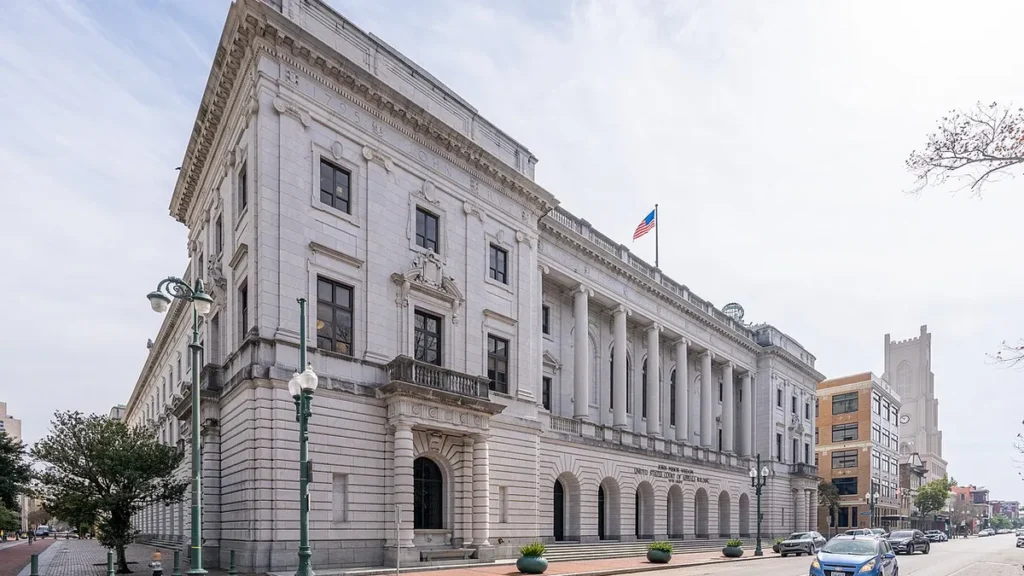
The United States Court of Appeals for the Fifth Circuit has reversed a district court’s grant of summary judgment in a hostile work environment case, ruling that the plaintiff presented sufficient evidence to challenge the employer’s investigation into her claims, which the appellate court deemed "insufficiently prompt and thorough." This significant decision, handed down on July 17, 2026, against an employer doing business as Corpus Christi Medical Center (CCMC) and Bay Area Healthcare Group, underscores the critical importance of robust, transparent, and timely internal investigations into allegations of workplace harassment. The ruling means the plaintiff’s hostile work environment claims will now proceed to trial, providing a stark reminder to employers about their obligations under federal civil rights laws.
The Genesis of the Complaint: Allegations of Hostile Work Environment
The plaintiff in this case brought forward a range of evidence to substantiate her claims of a hostile work environment. This evidence included her own deposition testimony, which detailed specific incidents and the pervasive nature of the alleged harassment. Crucially, her account was corroborated by the testimony of at least one Black co-worker, who also spoke to the toxic atmosphere and harassing incidents within the workplace. Furthermore, the plaintiff provided contemporaneous emails that meticulously documented some of the distressing events, offering concrete proof of the incidents as they occurred. These various forms of evidence collectively painted a picture of a workplace environment that was far from professional or respectful.
The alleged experiences had a profound and debilitating impact on the plaintiff. She testified that the relentless nature of the harassment caused her to "question how she could function in such an environment," leading to deep emotional distress. The plaintiff described feeling "less than human," a testament to the severe psychological toll exacted by the alleged conduct. Her claims were not merely subjective feelings; she produced counseling records that provided objective documentation of her mental state, showing she was distressed, traumatized, and harbored a genuine fear of harm as a direct result of the ongoing harassment. This emotional burden, she asserted, inevitably led to a decline in her work performance, creating a vicious cycle where her professional capabilities were undermined by the very environment she was expected to operate within.
Adding another layer of complexity and weight to her case, the plaintiff also presented evidence of "secondhand harassment." The Fifth Circuit explicitly noted that witnessing a co-worker experience harassment "weighs in [her] favor when assessing the totality of the circumstances," citing established legal precedent. This aspect of the claim highlights that an individual does not necessarily need to be the direct target of every harassing act to experience a hostile work environment. Observing the mistreatment of others, particularly when it is severe or pervasive, can contribute significantly to an employee’s subjective experience of an abusive workplace. This recognition by the court broadens the scope of what constitutes a hostile environment, acknowledging the vicarious trauma and intimidation that can arise from witnessing harassment.
The Legal Framework: Understanding Hostile Work Environment Under Title VII
The plaintiff’s claims are rooted in federal workplace civil rights laws, primarily Title VII of the 1964 Civil Rights Act. Title VII prohibits employment discrimination based on race, color, religion, sex, and national origin. A "hostile work environment" is a specific form of discrimination under Title VII, where unwelcome conduct based on a protected characteristic creates an intimidating, hostile, or offensive working environment. For a hostile work environment claim to be actionable, the conduct must be severe or pervasive enough to alter the conditions of the victim’s employment and create an abusive working environment, both objectively (from the perspective of a reasonable person) and subjectively (from the perspective of the victim).
Employers can be held legally liable for harassment if they knew or should have known about the harassment and failed to take prompt and appropriate corrective action. This legal standard places a significant burden on employers to not only prevent harassment but also to respond effectively once it has been reported or discovered. The "knew or should have known" clause implies a duty of awareness; employers cannot turn a blind eye to obvious signs of harassment. The "prompt corrective action" requirement emphasizes speed and efficacy in addressing the issue, aiming to stop the harassment, prevent its recurrence, and remedy its effects.
The Equal Employment Opportunity Commission (EEOC) plays a crucial role in enforcing Title VII. Before filing a lawsuit, employees typically must first file a charge of discrimination with the EEOC or a similar state agency. The EEOC then investigates the charge, attempts conciliation, and, if unsuccessful, issues a "right-to-sue" letter, allowing the complainant to pursue legal action in federal court. This administrative process ensures that a federal agency has an opportunity to address the complaint before litigation ensues, often encouraging early resolution.
Employer’s Response and the Court’s Scrutiny
In response to the plaintiff’s allegations, Corpus Christi Medical Center (CCMC) and Bay Area Healthcare Group asserted that they had indeed taken prompt corrective action. Their defense hinged on several claimed remedial steps: conducting interviews with involved parties, providing coaching to nurses allegedly responsible for the offending conduct, and offering to transfer the plaintiff to a different department or location. CCMC argued that these actions demonstrated their commitment to addressing the reported issues and fulfilling their legal obligations.
However, the Fifth Circuit found significant flaws in CCMC’s defense, taking issue with several critical aspects of their internal investigation. The appellate court highlighted discrepancies in the testimony provided by CCMC staff regarding the investigation process and the interview records. Such inconsistencies can erode the credibility of an employer’s defense, suggesting a lack of thoroughness or even a potential attempt to downplay or obscure facts. Furthermore, a glaring omission in CCMC’s discovery responses was the failure to produce an investigation file or any comprehensive notes documenting the inquiry. In legal proceedings, the absence of crucial documentation can be highly prejudicial to the defending party, raising questions about whether an investigation was genuinely conducted with due diligence or if critical information was withheld.
Adding to the court’s concerns were the plaintiff’s allegations that the managers who ostensibly conducted the investigation had told her that "the cliques were not going anywhere." This statement, if true, would suggest a dismissive attitude towards the plaintiff’s concerns and an acknowledgment that the underlying problematic workplace dynamics would persist, despite any superficial "coaching." Such a response directly contradicts the spirit of "prompt corrective action" and can be interpreted as an indication that the employer did not intend to genuinely resolve the issue. Moreover, the plaintiff alleged that the harassment continued even after the supposed investigation, which, if proven, would be definitive evidence that the employer’s actions were ineffective in curbing the hostile environment.

Ultimately, the Fifth Circuit concluded that the plaintiff "has pointed to evidence that CCMC’s investigation was insufficiently prompt and thorough." This finding is not merely a procedural technicality; it strikes at the heart of an employer’s duty to provide a safe and respectful workplace. An investigation that is not prompt allows harassment to fester, potentially causing further harm to the victim and signaling to other employees that such behavior is tolerated. An investigation that is not thorough risks missing crucial evidence, failing to identify all perpetrators, or misunderstanding the scope of the problem, leading to inadequate remedies.
Chronology of a Workplace Harassment Claim
Understanding the typical lifecycle of a workplace harassment claim provides crucial context for this ruling.
- Initial Incident(s): Harassment begins, often subtly, but escalates over time, or occurs as a singular severe event.
- Internal Reporting: The employee, often after enduring repeated incidents, reports the harassment to a supervisor, HR, or through an internal complaint mechanism. This is a critical juncture where the employer’s duty to act is triggered.
- Employer’s Internal Investigation: The employer, typically through its HR department, is legally obligated to conduct a prompt, thorough, and impartial investigation. This involves interviewing the complainant, the alleged harasser, and any witnesses, gathering relevant documents (emails, communication logs), and assessing the credibility of all parties.
- Remedial Action: If harassment is substantiated, the employer must take appropriate corrective action to stop the harassment, prevent its recurrence, and remedy its effects. This can range from counseling and training to disciplinary actions, up to and including termination, depending on the severity.
- EEOC Complaint: If the employee is dissatisfied with the employer’s response, or if no action is taken, they may file a charge of discrimination with the EEOC. This must generally be done within 180 or 300 days of the last discriminatory act.
- EEOC Investigation/Conciliation: The EEOC investigates the charge, often mediating between the parties. If conciliation fails, the EEOC may issue a "right-to-sue" letter.
- Federal Lawsuit (District Court): With a right-to-sue letter, the employee can file a lawsuit in federal district court.
- Discovery and Motions: Both parties engage in discovery, exchanging documents and taking depositions. Employers often file motions for summary judgment, asking the court to dismiss the case without a trial, arguing that there are no genuine issues of material fact and they are entitled to judgment as a matter of law.
- Appellate Review (Circuit Court): If summary judgment is granted, the plaintiff may appeal the decision to a federal circuit court, as in the CCMC case. The appellate court reviews whether the district court correctly applied the law and whether there were indeed no material facts in dispute.
The Fifth Circuit’s reversal at the appellate stage indicates that, in its view, the plaintiff did present sufficient evidence to create a genuine dispute of material fact regarding the adequacy of CCMC’s investigation, thereby precluding summary judgment.
Broader Implications for Employers and HR Professionals
This ruling serves as a powerful reminder for all employers, particularly those in the healthcare sector, of the critical importance of effective and legally compliant internal investigations into harassment claims. The implications extend far beyond the immediate parties involved in this specific case.
- Necessity of Promptness and Thoroughness: The phrase "insufficiently prompt and thorough" will resonate with HR professionals. It highlights that mere action is not enough; the action must be timely and comprehensive. Delays can be interpreted as indifference, and superficial inquiries can be seen as attempts to sweep issues under the rug.
- Documentation is Paramount: The absence of an investigation file or notes proved detrimental to CCMC’s defense. This underscores the absolute necessity of meticulous documentation for every step of an investigation: initial complaint, interview notes, evidence gathered, remedial actions taken, and follow-up. Robust documentation not only serves as proof of diligent efforts but also aids in defending against future legal challenges.
- Credibility of Investigators: The alleged statements from managers about "cliques not going anywhere" suggest a lack of impartiality or genuine intent to resolve the problem. Employers must ensure that individuals conducting investigations are trained, impartial, and committed to upholding anti-harassment policies. Their perceived neutrality and competence are crucial.
- Effectiveness of Remedial Actions: The plaintiff’s claim that harassment continued post-investigation is a significant point. It signals that whatever actions CCMC took, they were not effective in stopping the hostile environment. Employers must not only implement corrective measures but also follow up to ensure their effectiveness. This often includes checking in with the complainant and monitoring the workplace environment.
- Training and Policy Enforcement: This case reinforces the need for clear anti-harassment policies, regular training for all employees (including management), and a culture that encourages reporting and condemns harassment without fear of retaliation. Managers, in particular, must be trained to recognize harassment, understand their reporting obligations, and respond appropriately.
- Reputational and Financial Risks: Beyond the immediate legal costs, an inadequate response to harassment claims can lead to severe reputational damage, decreased employee morale, increased turnover, and difficulty in attracting talent. The financial implications of litigation, including attorney fees, potential damages, and settlement costs, can be substantial.
Precedents and the Evolving Landscape of Hostile Work Environment Claims

The Fifth Circuit’s decision aligns with a broader trend in appellate courts to carefully scrutinize employer responses to harassment claims. The court cited its own prior precedent regarding the weight of secondhand harassment, demonstrating a consistent judicial understanding that the impact of a hostile environment can extend beyond direct targets.
Similar judicial reasoning has been observed in other circuits. For instance, a 2019 decision by the Ninth Circuit held that a manager’s use of just four racial slurs over a one-year period could be sufficient to demonstrate an abusive work environment. This case, involving "severely offensive racial slurs," underscored that even a limited number of deeply offensive incidents can meet the "severe or pervasive" standard, especially when perpetrated by someone in a position of authority. The Ninth Circuit emphasized the qualitative nature of the harassment over a strict quantitative measure, recognizing the profound impact of certain language.
More recently, the Tenth Circuit issued a decision reviving a hostile work environment case against Walmart. In that instance, the court held that a plaintiff who faced multiple discriminatory acts plausibly alleged the existence of such an environment, even if each act, viewed in isolation, might not seem "severe." This ruling, which involved anti-gay harassment, reinforces the "totality of the circumstances" approach, where courts consider the cumulative effect of a series of incidents, rather than dissecting each event in isolation. It highlights that a pattern of less severe but frequent discriminatory acts can indeed create an objectively hostile workplace.
These decisions collectively illustrate that courts are increasingly willing to empower plaintiffs who present compelling evidence of a hostile work environment and to hold employers accountable for insufficient responses. The bar for what constitutes an "insufficient" investigation is being rigorously applied, demanding a proactive, thorough, and genuinely corrective approach from employers.
Conclusion
The Fifth Circuit’s reversal in the case against Corpus Christi Medical Center sends an unambiguous message: employers cannot simply go through the motions when addressing allegations of hostile work environments. The legal obligation under Title VII requires more than perfunctory interviews or unverified coaching. It demands investigations that are truly "prompt and thorough," supported by clear documentation, conducted by impartial individuals, and followed by effective remedial actions that genuinely stop the harassment and prevent its recurrence. For HR professionals and legal counsel advising employers, this ruling reinforces the imperative to critically evaluate existing policies and practices, ensuring they meet the stringent standards set by federal courts. The outcome of this case will undoubtedly be closely watched as it proceeds, potentially shaping how employers across the nation approach their duties in safeguarding employees from harassment.






