The narrative surrounding artificial intelligence has evolved dramatically, shifting from the awe-inspiring capabilities of frontier models to the pragmatic realities of enterprise integration and return on investment. While tech giants like Anthropic and OpenAI command substantial valuations, the true value and profitability of AI in the corporate world are increasingly being derived from well-defined applications and proprietary data, rather than the underlying large language models (LLMs) themselves. This transition mirrors a historical precedent, drawing parallels to the relational database market’s maturation in the 1990s, where the focus shifted from the database technology itself to the applications built upon it.
The proliferation of powerful, publicly accessible LLMs from major players such as OpenAI, Anthropic, Google, and Microsoft, alongside a robust ecosystem of open-source alternatives like GLM, Deepseek, Kimi, Mistral, and IBM’s Granite, signals a critical inflection point. The initial excitement of "buying AI" simply for its novelty is giving way to a more discerning approach: viewing AI as a powerful, albeit one tool among many, for constructing practical business solutions. This sentiment is echoed by prominent industry leaders. Microsoft CEO Satya Nadella, in a recent article for The Wall Street Journal titled "We Can’t Let AI Giants Eat the Economy," articulated a similar perspective, underscoring the need for AI to become a democratized and accessible technology that fuels economic growth rather than concentrates power.
The Current Landscape: Experimentation vs. Implementation
Research indicates a significant gap between AI’s potential and its current adoption in many enterprises. A forthcoming report, "Enterprise AI Playbook," based on research involving over 200 companies, reveals that only approximately 8% are actively building and deploying genuine enterprise-grade AI applications. A substantial portion of companies appear to be acquiring AI capabilities with an optimistic, yet often passive, expectation that individual employees will discover valuable use cases. This approach can be likened to offering AI as an employee benefit, hoping for serendipitous innovation.

The practical challenges of implementing AI without a clear strategic focus are becoming increasingly apparent. Organizations that fail to define specific domains and address particular business problems risk wasting resources on unfocused experimentation. For instance, utilizing AI tools like Galileo, which can integrate with various LLMs including Claude, without a targeted objective can lead to unproductive "playing around" with the technology. This indiscriminate approach has fueled inflated expectations among some industry observers and economists, who are now recalibrating their outlooks as the tangible ROI of AI remains elusive for many.
The Normalization of Enterprise Technology: A Historical Parallel
The typical adoption cycle for enterprise technology offers a stark contrast to the current AI landscape. Historically, when a company considers a new technology, it involves a rigorous process: identifying a specific need, building a compelling business case, collaborating with IT departments for security and data integration, and ultimately making a purchase with clearly defined objectives and expected returns. This structured approach is currently being observed in the adoption of specialized AI applications, such as those offered by Paradox, Eightfold, or Radancy, which are designed to solve specific business problems. However, this methodical process is often bypassed when organizations simply license foundational LLMs and allow employees to explore their capabilities without a defined strategy.
Even as generative AI demonstrates impressive abilities in coding, content creation, data analysis, and information retrieval, its inherent "fun and interesting" qualities do not automatically translate into business value, especially when consumption comes at a significant cost. The true payoff of AI lies not in the model’s raw capabilities, but in its integration with an organization’s unique data, existing applications, and specific contextual workflows. The substantial investments made by forward-looking investors – estimated at $1.5 trillion – have subsidized this period of broad experimentation. These pragmatic industrialists have funded the infrastructure, hardware (including NVIDIA processors), and power necessary to support AI development and deployment. As this subsidized experimentation phase draws to a close, and as costs for AI consumption begin to rise (as evidenced by recent price adjustments from major vendors), the focus will inevitably shift towards demonstrable value and return on investment.
The Emergence of a Commodity Market
The recent reports from The Wall Street Journal detailing an emerging "price war" among leading AI vendors, including OpenAI and Anthropic, are indicative of a market approaching commoditization. When switching costs are low and core functionalities become widely accessible, competition intensifies, leading to price reductions. This scenario is precisely what Satya Nadella has highlighted, with Microsoft’s Azure AI models reportedly being priced at a fraction of the cost of leading "frontier" offerings. This strategic pricing aims to democratize AI and prevent a few dominant players from capturing an excessive share of the economic benefits. The current trend suggests a move towards a "normal technology market," where pricing and costs align with the actual value and the specific problems that AI solutions address.
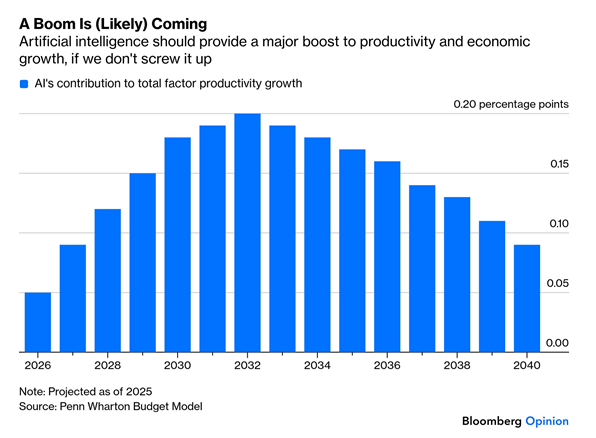
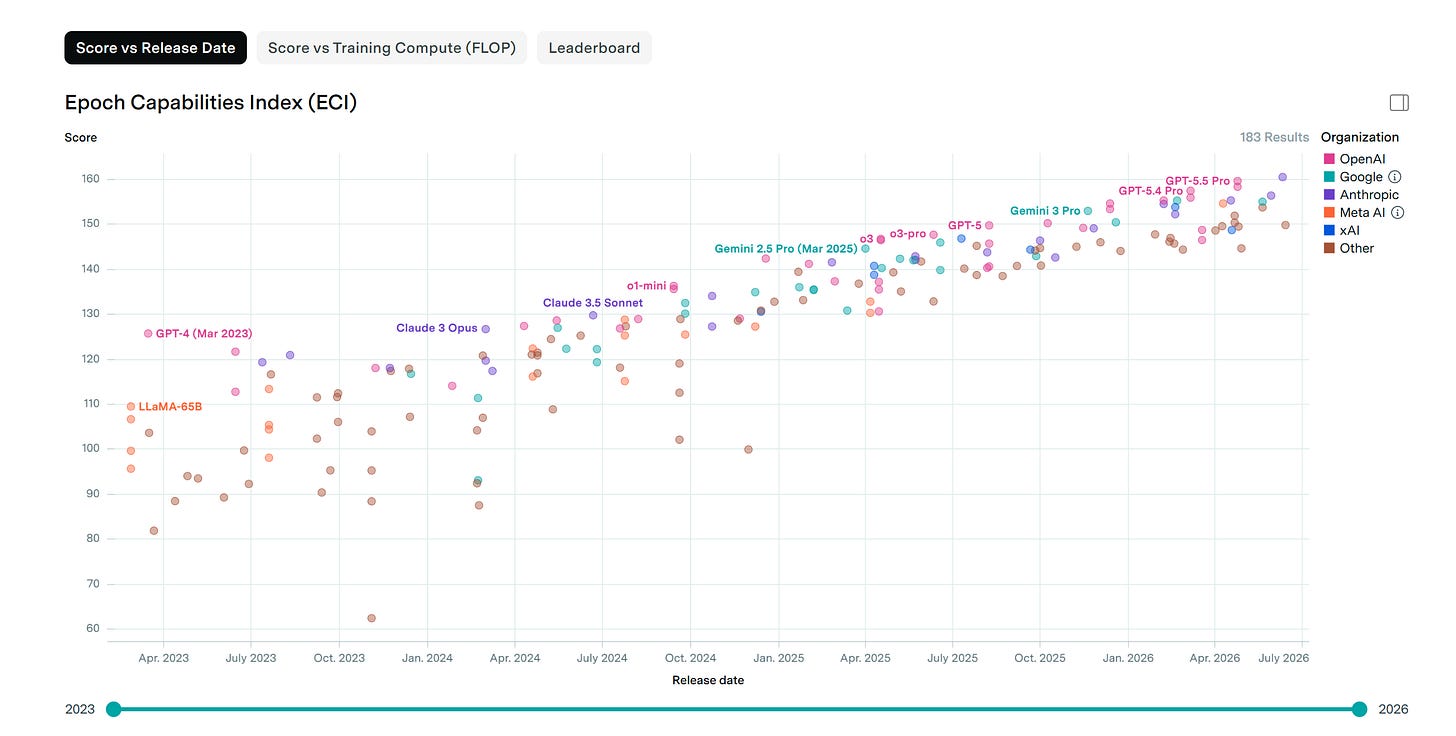
Furthermore, the pace of innovation in LLM capabilities appears to be decelerating, as illustrated by recent analyses of model improvement velocity. This slowdown is not necessarily a negative development; rather, it provides enterprises with the necessary breathing room to focus on strategic problem-solving. The era of simply "buying tech and hoping for fairy dust" is yielding to a more grounded approach where companies must actively engage in identifying high-value problems and architecting AI-driven solutions. This necessitates a shift from a broad "implementing AI" mindset to a focused effort on "applying AI" to specific business challenges.
Reengineering Business Processes: The True Value of Enterprise AI
The HR 2030 model, developed to serve as a blueprint for high-value AI solutions in human resources, exemplifies this paradigm shift. It demonstrates that achieving significant ROI from AI often requires more than just adopting a new tool; it demands strategic investment and a re-engineering of existing processes.
For instance, transforming hiring processes involves more than just acquiring AI agents or "Superagents." It necessitates collaboration with IT, a thorough redesign of talent acquisition workflows, and potentially a restructuring of roles within the HR department. Leading vendors in this space, such as Paradox, Maki, Radancy, and Smartrecruiters, are offering solutions that integrate AI to streamline these complex operations.
Similarly, enhancing employee service centers requires a comprehensive approach. Building solutions on platforms like Microsoft Copilot, Workday Sana Core, or ServiceNow, or leveraging specialized vendors like Leena.ai, involves significant project management. This includes policy consolidation, data governance, robust data management practices, and cross-functional teamwork. Such initiatives often lead to the reorganization of learning and development functions to support new skill sets and workflows.

Companies like Rolls Royce and Lockheed Martin are pioneering high-performance onboarding programs by building consensus on program elements, developing role-specific use cases, and establishing governance models to integrate tactical and strategic content effectively. In these cases, the LLM itself is a foundational component, but the true value is derived from the meticulous design and implementation of the broader solution.
The HR 2030 blueprint identifies approximately 130 distinct "Agents" that can be either purchased or built. This highlights the intricate nature of enterprise AI implementation, requiring prioritization, collaboration with IT, and proactive preparation of teams for new roles and skills.
The Relational Database Analogy: Applications Over Platforms
The current trajectory of the LLM market bears a striking resemblance to the relational database market in the late 1990s. At that time, companies like Oracle, Sybase, Informix, Ingres, and Postgres offered sophisticated database technologies with advanced features. However, as the market matured, the differentiation between these platforms diminished. The focus of businesses shifted from the intricacies of the database technology itself to the applications that leveraged these databases to solve real-world problems.
A similar evolution is now unfolding in the AI landscape. While the underlying capabilities of LLMs are impressive, their true business value is increasingly realized through their application within specific contexts. For example, at the company behind this analysis, Galileo has been instrumental in modeling entire organizations and addressing complex issues related to reorganization, pay structures, and skill analytics. However, the development of this sophisticated problem-solving capability took nearly four years of dedicated effort, involving extensive training, workflow integration, and strategic leveraging of LLM features.
The Path Forward: From Experimentation to Engineering
The $1.5 trillion investment in AI is poised to demand tangible returns. This will drive a fundamental shift in how businesses approach AI adoption. The emphasis will move from broad experimentation to strategic architecture and engineering. This transition requires HR and IT professionals to identify high-value problems and apply AI through a combination of building, buying, or customizing solutions. The "magic" of the LLM is becoming secondary to the practical application of that technology to solve specific business challenges.
As the AI market matures, the focus will increasingly be on the applications and data that drive tangible outcomes. This means a greater emphasis on re-engineering existing business processes, developing robust data governance strategies, and fostering cross-functional collaboration to unlock the full potential of AI. The companies that successfully navigate this transition will be those that move beyond the novelty of the technology and focus on its strategic integration into their operations, ultimately leading to significant and sustainable business value. The journey from frontier models to widespread enterprise adoption is well underway, marking a new chapter in the ongoing digital transformation.