
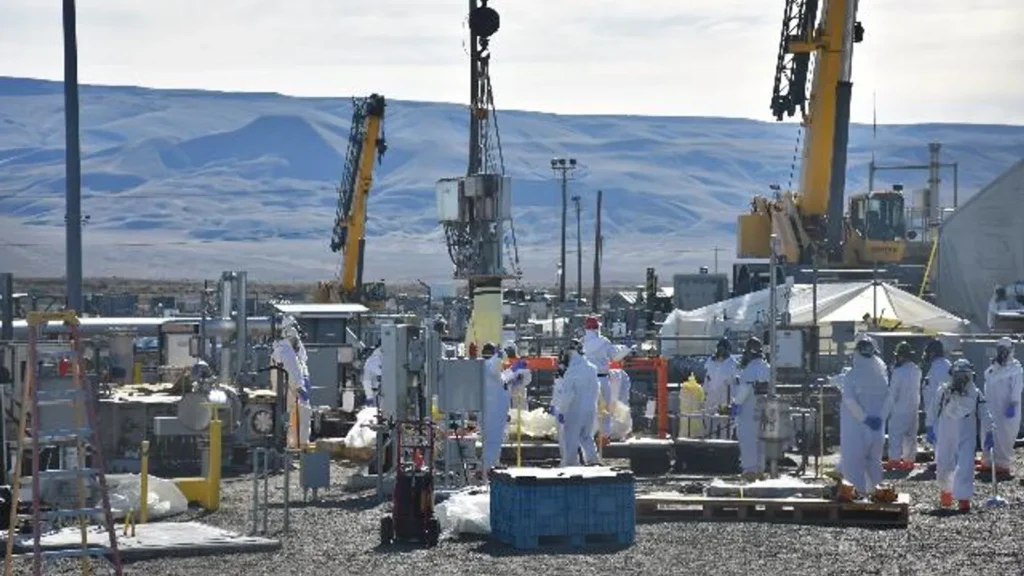
A lawsuit filed in the U.S. District Court for the Eastern District of Washington on behalf of a former apprentice electrician at the Hanford Vit Plant in Richland, Washington, alleges repeated and severe incidents of sexual harassment, creating a hostile work environment. The plaintiff, identified in court documents as the sole woman apprentice electrician at the massive nuclear waste treatment facility, claims she was subjected to persistent harassment, intimidation, and discrimination, ultimately leading to her departure from the project in September 2024. The legal action, which names a foreman, Waste Treatment Completion Co. (WTPC), and Bechtel National – the government services arm of Reston, Virginia-based Bechtel – as defendants, underscores the persistent challenges faced by women in male-dominated industries like construction and heavy industrial projects.
The allegations detail a pattern of harassment that extended beyond the plaintiff to include her husband, also an electrician at the plant, and involved multiple individuals, including the foreman’s father. This case brings into sharp focus the critical issues of workplace safety, corporate responsibility, and the systemic barriers to diversity and inclusion within the construction sector, particularly on projects of national significance. The Hanford Vit Plant, a cornerstone of the Department of Energy’s monumental effort to clean up decades of nuclear waste, relies heavily on a robust and diverse workforce, making the implications of such allegations particularly far-reaching.
Background of the Hanford Vit Plant and Its Critical Mission
The Hanford Site, located in southeastern Washington State, holds a complex and critical place in American history, having produced plutonium for the nation’s nuclear weapons program from 1943 to 1987. This legacy, however, left behind an immense environmental challenge: 56 million gallons of highly radioactive and chemical waste stored in 177 underground tanks. The cleanup of this waste represents one of the largest and most technically complex environmental remediation projects in the world, with an estimated cost running into the hundreds of billions of dollars over decades.
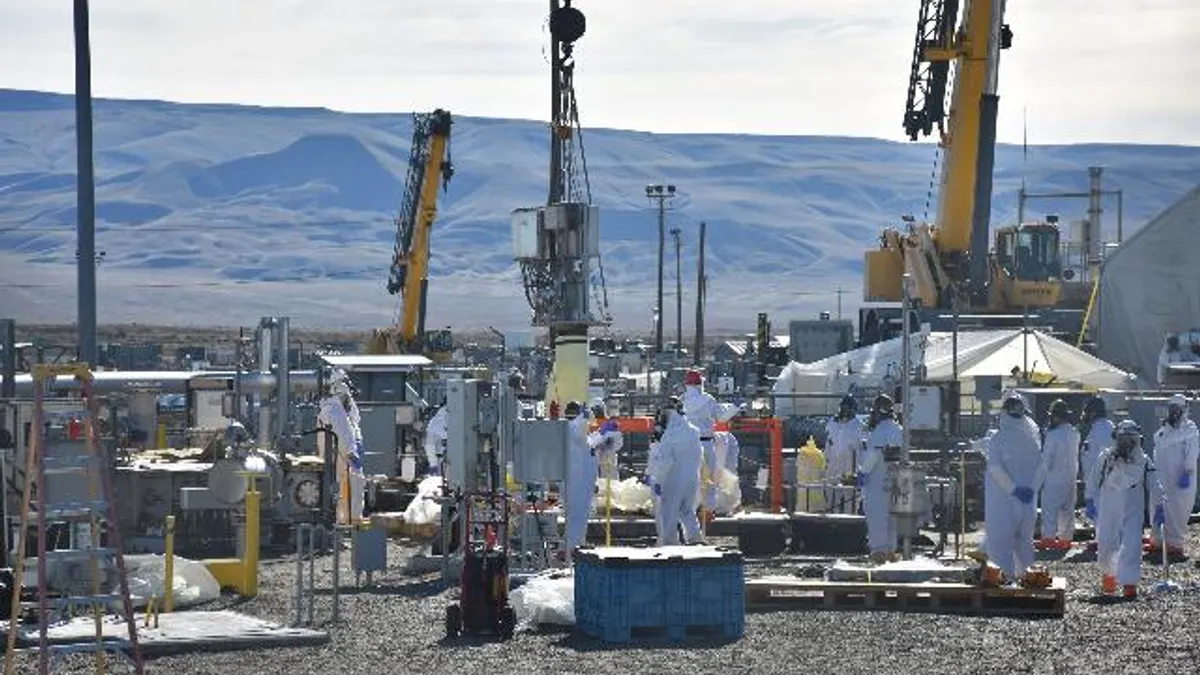
Central to this monumental undertaking is the Waste Treatment Plant (WTP), commonly known as the Hanford Vit Plant. This facility, a sprawling complex of massive buildings and specialized equipment, is designed to immobilize the radioactive waste through a process called vitrification. In this process, the liquid waste is mixed with glass-forming chemicals and heated to extreme temperatures, creating a stable, durable glass form that can be safely disposed of. The project is managed by the U.S. Department of Energy (DOE) Office of Environmental Management, with Bechtel National, Inc. as the prime contractor responsible for designing, constructing, and commissioning the plant. Waste Treatment Completion Co. (WTPC), a joint venture between Bechtel and AECOM, was specifically created to accelerate the completion of construction and lead the startup and commissioning phases of the plant. The successful operation of the Vit Plant is paramount to mitigating the long-term environmental and public health risks posed by the stored waste.
Given the project’s national importance, its advanced technological requirements, and the sheer scale of the workforce involved, maintaining a safe, respectful, and productive work environment is not merely a matter of compliance but a critical factor in the project’s success. The allegations of sexual harassment at such a high-profile and sensitive site raise serious questions about oversight and cultural enforcement within the project’s management structures.
Allegations of a Hostile Work Environment and Retaliation
According to the lawsuit, the plaintiff, an apprentice electrician, was subjected to a sustained campaign of sexual harassment. The specific incidents and the precise nature of the harassment are detailed in court documents, painting a picture of a workplace where inappropriate behavior was allegedly tolerated, and complaints went unaddressed. A particularly troubling aspect of the complaint is the alleged involvement of a foreman, who is a named defendant in the case. The lawsuit states that this foreman repeatedly asserted his "bulletproof" status and claimed to be "untouchable" due to his family’s deep, five-generation legacy as journeymen working at the Hanford site. Further emphasizing this perceived immunity, the complaint notes that the IBEW Local 112 union hall is named after the foreman’s grandfather, suggesting a deeply entrenched power dynamic that may have enabled the alleged misconduct.
The scope of the alleged harassment was not limited to the plaintiff alone. The lawsuit contends that her husband, who also worked at the plant as an electrician, was similarly harassed by the same foreman. This suggests a broader pattern of intimidation and an environment where those perceived as vulnerable or "outsiders" could be targeted. Adding another layer of concern, the complaint also outlines harassment directed at the worker by the foreman’s father, who was reportedly assigned to the jobsite’s material tent where the plaintiff was also assigned, indicating a pervasive and possibly familial culture of harassment.

The lawsuit further details an incident where the worker sustained a broken finger, rendering her unable to perform her assigned duties. Crucially, the complaint alleges that she did not receive reasonable accommodations for her injury, a failure that could constitute a violation of federal disability laws in addition to the harassment claims. The accumulation of these incidents, coupled with the alleged lack of appropriate response or accommodation, ultimately led the plaintiff to leave her position in September 2024. Her husband followed suit later that same month, reportedly due to the continued harassment he experienced. The departure of both workers underscores the severe impact of the alleged hostile environment on their livelihoods and well-being.
Defendants’ Response and Legal Pursuit
The lawsuit, filed against the foreman, Waste Treatment Completion Co., and Bechtel National, seeks comprehensive redress for the alleged harms. The requested relief includes compensation for lost wages, emotional distress, attorneys’ fees, and other damages. These demands reflect the significant personal and financial toll that workplace harassment can inflict on individuals and families.
In response to the allegations, Bechtel and WTPC, through spokesperson Staci West, issued a concise statement: "Bechtel does not tolerate harassment, intimidation, or discrimination of any kind and is committed to maintaining a safe and respectful workplace. Given that this matter is the subject of pending litigation, it would not be appropriate for us to comment further at this time." This standard legal response acknowledges the seriousness of the claims while adhering to the typical protocol of refraining from detailed commentary on ongoing litigation. While such statements affirm corporate policies, the lawsuit itself suggests that these policies may not have been effectively implemented or enforced on the ground. The outcome of the legal proceedings will likely scrutinize the effectiveness of the defendants’ anti-harassment policies, their investigative procedures, and their responsiveness to complaints.
A Broader Industry Challenge: Harassment in Construction

This lawsuit at the Hanford Vit Plant is not an isolated incident but rather highlights a deeply entrenched and persistent problem within the construction industry: a pervasive culture of harassment and discrimination, particularly against women and men of color. The industry has long been characterized by its male-dominated workforce, and while efforts to diversify have gained momentum, significant barriers remain.
Statistical data and reports consistently underscore the severity of this issue. In 2023, the U.S. Equal Employment Opportunity Commission (EEOC) issued a scathing assessment, lambasting the building sector for its "hostility to men of color and women of all races and ethnicities." The EEOC’s findings indicated that construction workplaces frequently exhibit an environment where discriminatory remarks, sexual harassment, and racial slurs are commonplace, contributing to high turnover rates among underrepresented groups. The economic implications of such a hostile environment are substantial, leading to a loss of talent, reduced productivity, and significant legal costs for companies.
Further substantiating these concerns, a comprehensive 2021 report from the Institute for Women’s Policy Research (IWPR) titled "A Future Worth Building: What Tradeswomen Say" painted a stark picture of the daily realities faced by women in construction. The report found that a staggering 26.5% of women working in construction reported that "they are always or frequently harassed just for being a woman." This statistic is particularly alarming as it represents a significant portion of the female workforce experiencing constant intimidation and discomfort. The harassment often takes various forms, from verbal abuse and unwelcome sexual advances to physical intimidation and sabotage of work. The IWPR report also highlighted that women in construction often face challenges related to lack of access to proper facilities, discriminatory hiring practices, and limited opportunities for advancement.
These reports and the current lawsuit at Hanford collectively illustrate that while the construction industry is vital to national infrastructure and economic development, it struggles with systemic issues that deter diversity and compromise the safety and well-being of its workers. The challenge is multi-faceted, involving not only individual perpetrators but also organizational cultures that may implicitly or explicitly tolerate such behavior, or fail to implement robust mechanisms for prevention, reporting, and accountability.
Implications for Corporate Responsibility and Workplace Culture
The lawsuit against Bechtel National and Waste Treatment Completion Co. carries significant implications, not only for the specific defendants but for the broader construction industry and large-scale government projects. For Bechtel, a global engineering, construction, and project management giant, and a key contractor for government agencies, the case scrutinizes their ability to maintain safe and equitable workplaces on their projects. As a company that prides itself on its commitment to safety and quality, these allegations pose a reputational challenge and highlight the importance of ensuring that corporate policies translate into tangible workplace practices.
The legal process will likely delve into the effectiveness of the companies’ existing anti-harassment training, reporting mechanisms, and investigative procedures. Were complaints adequately addressed? Was there a clear and accessible pathway for reporting? Was there a culture of fear that prevented workers from coming forward? These are critical questions that will be explored.
Furthermore, the case underscores the unique vulnerabilities faced by women, particularly those in apprentice roles, in male-dominated industries. Being the "only woman" in a particular trade or on a specific crew can amplify feelings of isolation and make individuals more susceptible to harassment, as well as making it harder to find allies or report incidents without fear of retaliation. The alleged claim of the foreman being "bulletproof" due to family legacy also points to the potential for entrenched power structures and nepotism to create environments where accountability is undermined.
Beyond the immediate legal ramifications, this case serves as a stark reminder of the continuous need for cultural transformation within the construction industry. This transformation requires more than just policies; it demands active leadership, consistent enforcement, bystander intervention training, and a genuine commitment to fostering inclusive environments where all workers feel safe, respected, and valued. The success of critical national projects like the Hanford cleanup depends not only on engineering prowess and technical expertise but also on the strength, diversity, and well-being of its entire workforce. The outcome of this lawsuit could set an important precedent for accountability and push for more proactive measures to combat harassment in workplaces across the nation.






