The rising costs of fuel, transportation, housing, and food are outpacing wage growth, creating a significant affordability crisis across the United States. This is not merely an episodic fluctuation but rather a deepening systemic issue with roots extending back decades. A recent analysis, drawing on economic data and expert commentary, suggests a complex interplay of factors contributing to this growing disparity between the cost of living and workers’ earnings, prompting a re-evaluation of corporate responsibility and economic policy.
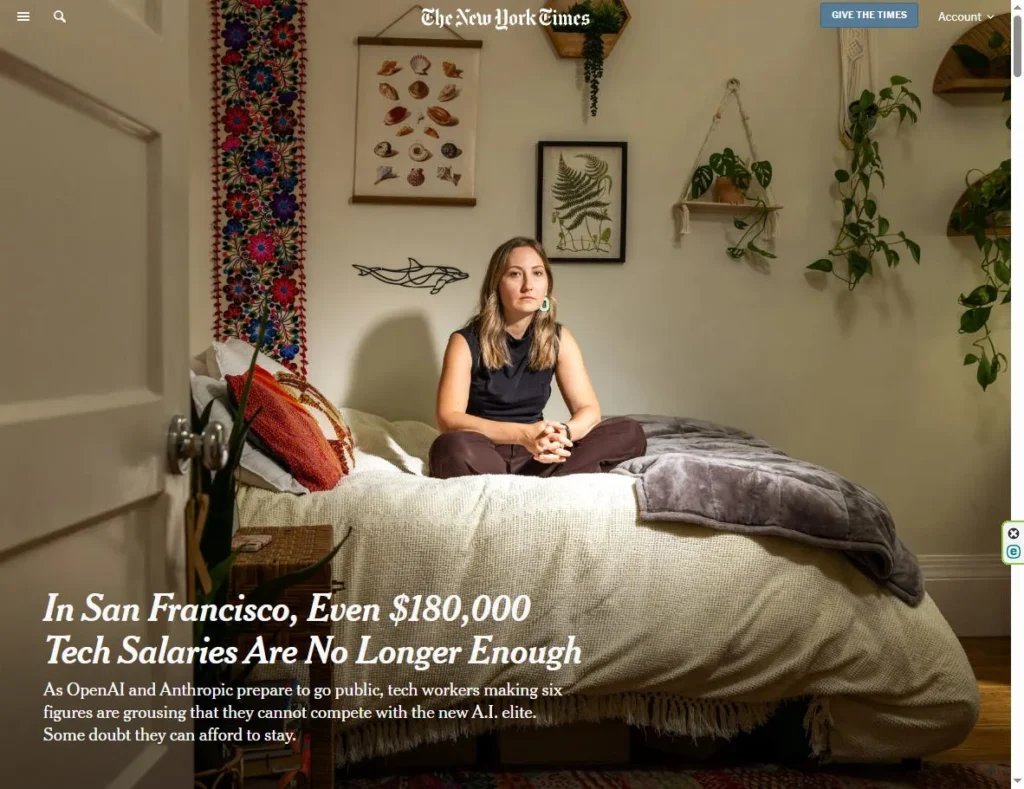
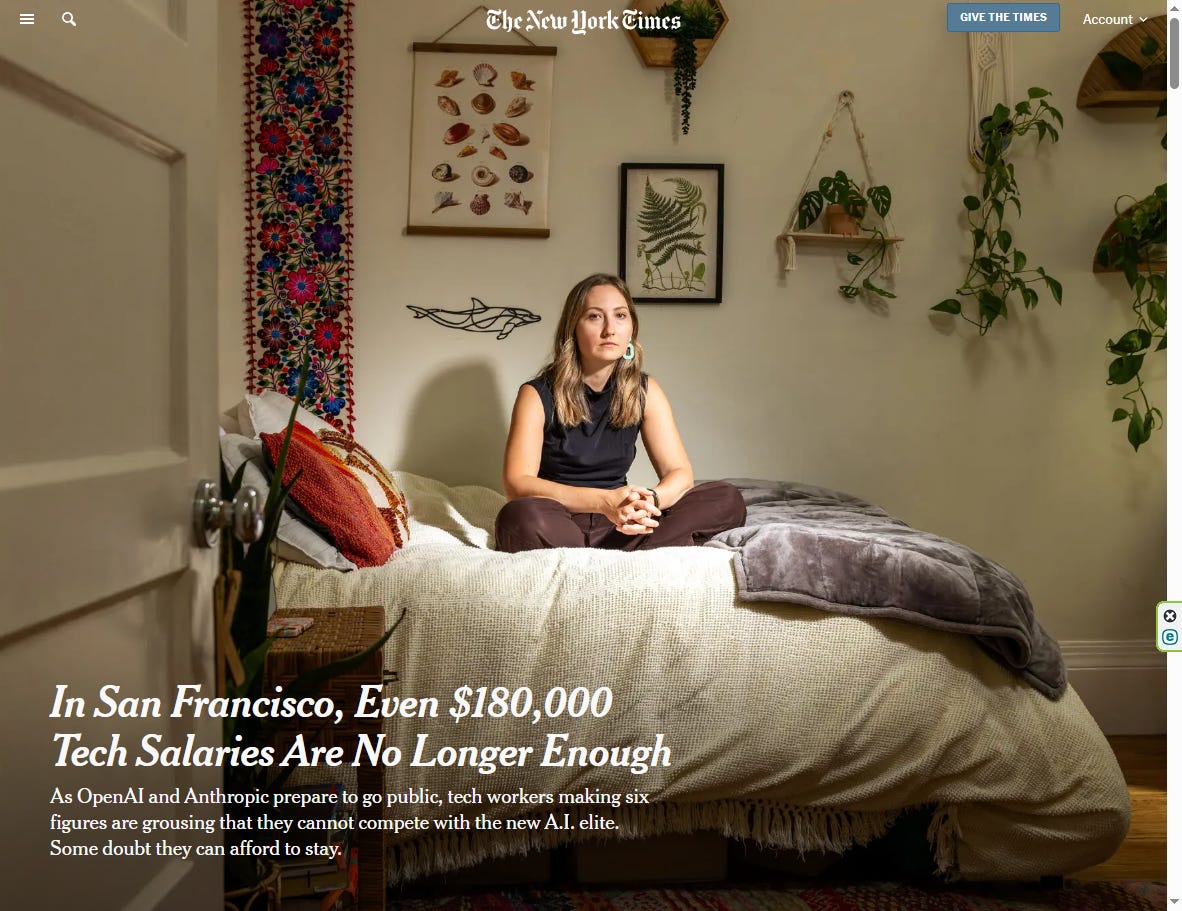
The stark reality of escalating expenses is evident nationwide. In San Francisco, a city often synonymous with high tech salaries, a combined household income of $370,000 is reportedly insufficient to secure a comfortable apartment, according to a New York Times report. This hyperbole, while specific to a high-cost-of-living area, reflects a broader national trend. For the year-to-date in 2026, gas prices have surged by 24%, energy costs by 27%, and airline fares by 26%. Even staple goods like fruits and vegetables have seen a 5% increase. In stark contrast, average private sector wages have risen by a mere 3.5% during the same period. This widening gap significantly impacts workers, families, and retirees alike, forcing many to reconsider their financial strategies.

The "Unretirement" Phenomenon: A Symptom of Economic Strain
One notable consequence of this economic pressure is the rise of "unretirement." Data from AARP indicates that a significant percentage of retirees are returning to the workforce. In 2026, 7% of retirees have chosen to "unretire," with an additional 12% of seniors re-entering employment. The primary driver behind this trend is the inability to afford essential costs such as healthcare, food, and energy on fixed incomes. This phenomenon underscores the erosion of financial security for a vulnerable demographic, highlighting the inadequacy of traditional retirement savings in the face of persistent inflation.
The Historical Roots of Declining Purchasing Power
To understand the current crisis, it’s crucial to examine the historical trajectory of American wages and economic trends. The current situation did not materialize overnight. As a micro-economist with extensive experience advising large employers, the analysis points to a systemic issue that has been developing for nearly 50 years.
1. Decades of Stagnant Real Wages
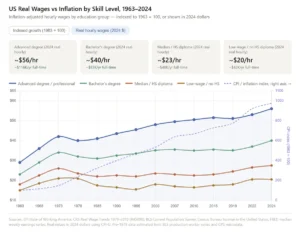
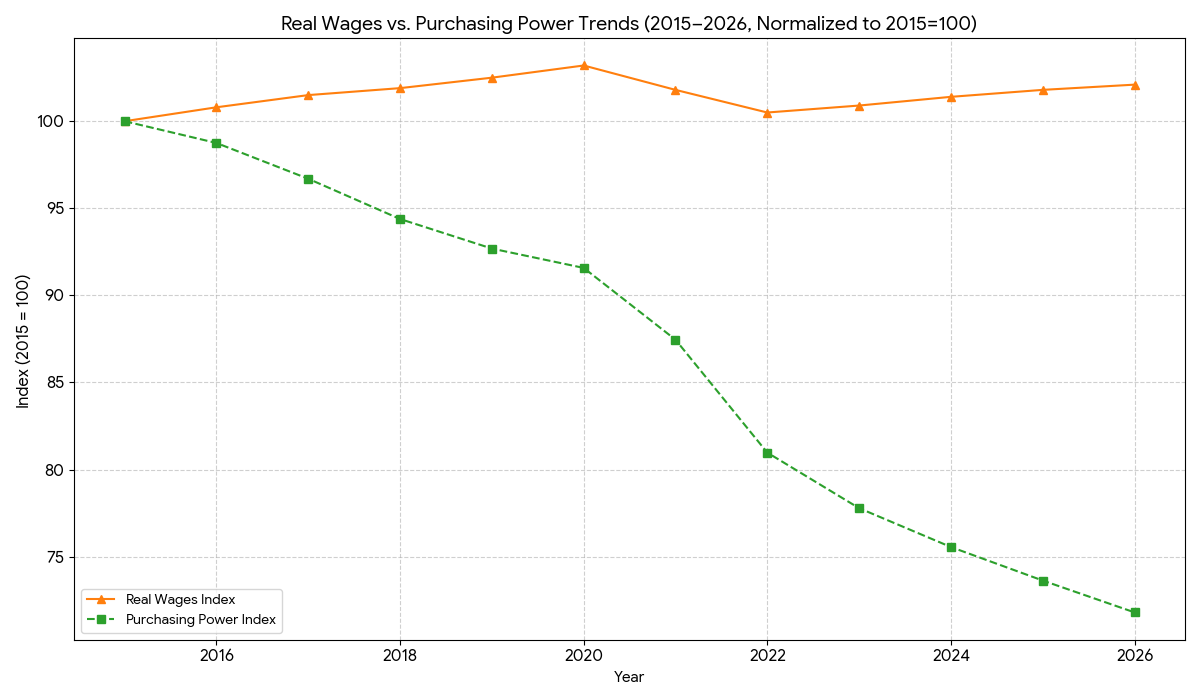
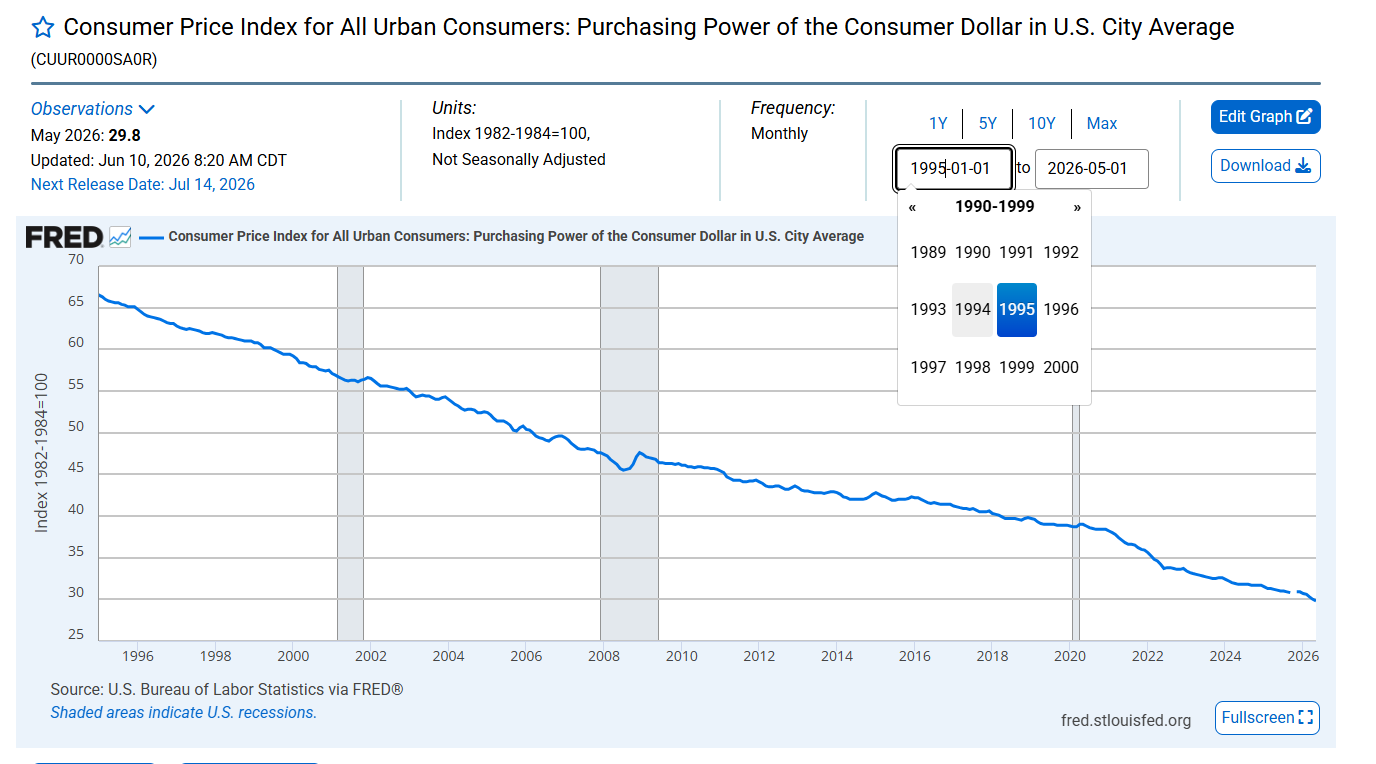
A critical examination of wage growth against inflation over the past two to three decades reveals a consistent decline in real purchasing power. After accounting for inflation, wages have seen only modest increases, often in the low single digits over the last ten years, while inflation has steadily climbed. Data from various economic sources, including analyses from the St. Louis Federal Reserve, illustrate this trend. Purchasing power, when adjusted for inflation, has seen a significant downturn, estimated to be as much as 40% over comparable periods. This sustained period of real wage decline means that despite nominal wage increases, individuals and families are effectively able to afford less than they could in previous decades.
2. Productivity Gains Not Reaching Workers
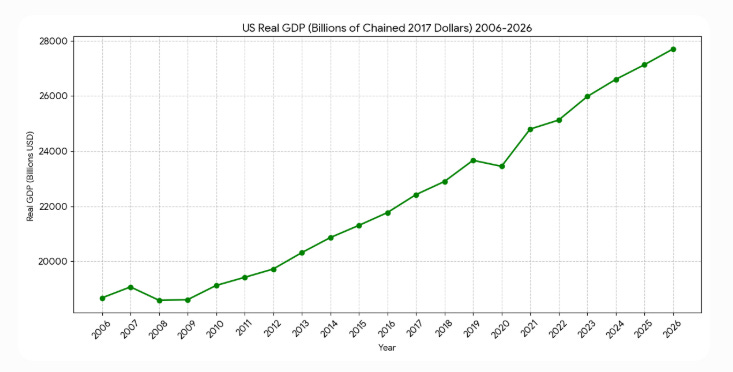
The period since the early 1990s has witnessed substantial technological advancements, particularly within the tech sector. This innovation has led to significant increases in productivity and overall economic output, as measured by Gross Domestic Product (GDP). However, the benefits of this increased productivity have not been equitably distributed. Instead, a substantial portion of these gains appears to have been retained by corporate leadership and shareholders, rather than being passed on to employees through higher wages or improved benefits.
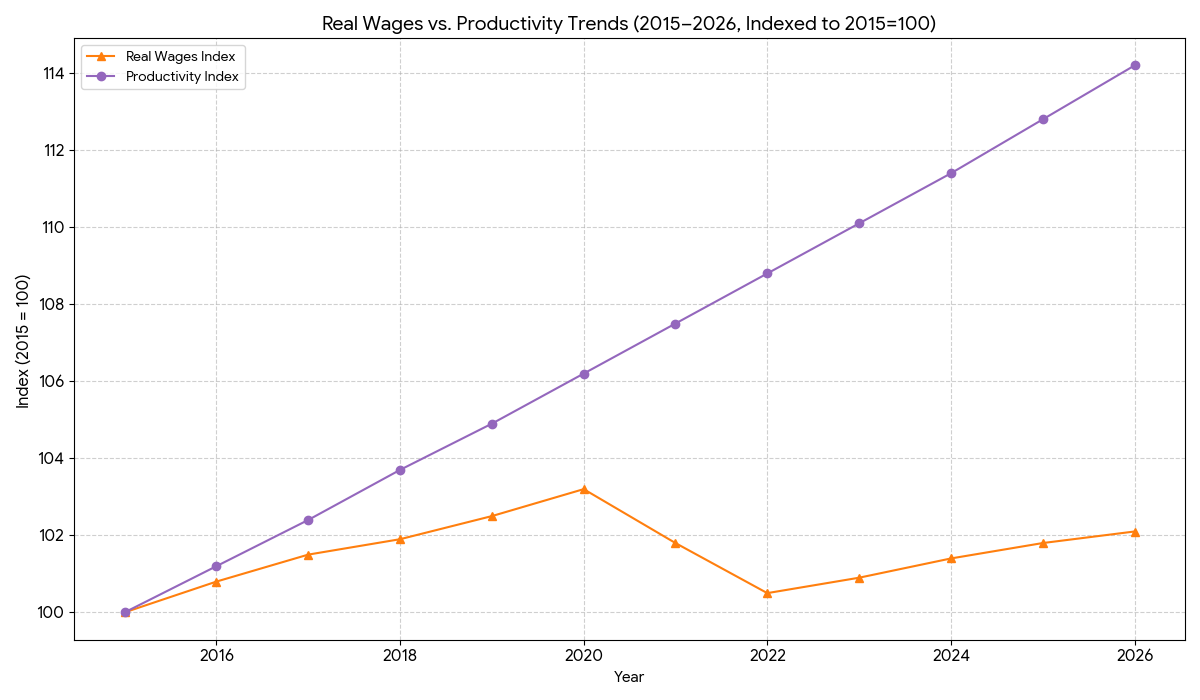
A closer look at productivity data reveals a striking divergence. While productivity has seen a notable percentage increase—for instance, a 14% rise in one observed period—wage growth during the same timeframe has been significantly lower, around 2%. This suggests a substantial "productivity gap," where approximately 12% of economic productivity gains have not translated into increased employee compensation. This widening gap has fueled a perception that corporate profits are being prioritized over worker well-being.
3. The Shift of Productivity Benefits: Shareholders Over Employees
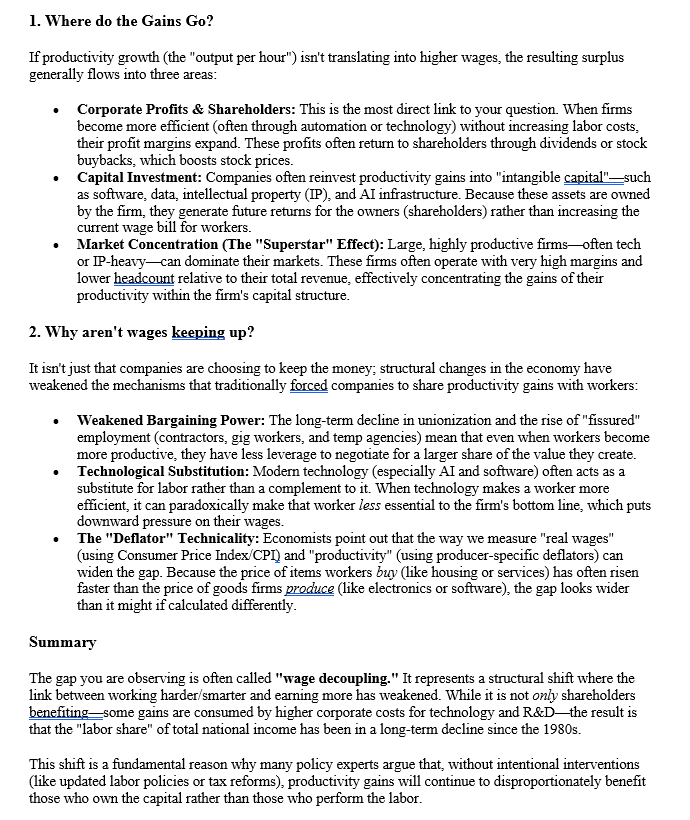
The question then becomes: where has this accumulated economic value gone? The data suggests it has largely flowed to shareholders and corporate owners. This is evidenced by the robust growth of the stock market, increased dividends, and a significant rise in corporate profits. The economic model that emerged, driven by a focus on shareholder value, incentivized capital investment and automation, often at the expense of labor costs.
This trend was further amplified by a shift in corporate governance philosophies, with some analysts, like Nobel laureate Paul Krugman, pointing to the rise of MBA-driven management strategies as a contributing factor. The emphasis on maximizing shareholder returns has, in many cases, led to a strategy of minimizing labor expenses, a move that has demonstrably benefited stock market performance and executive compensation.
4. The Rise of Executive Compensation
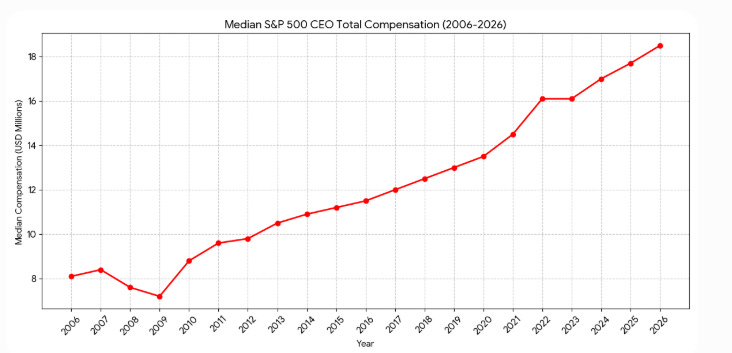
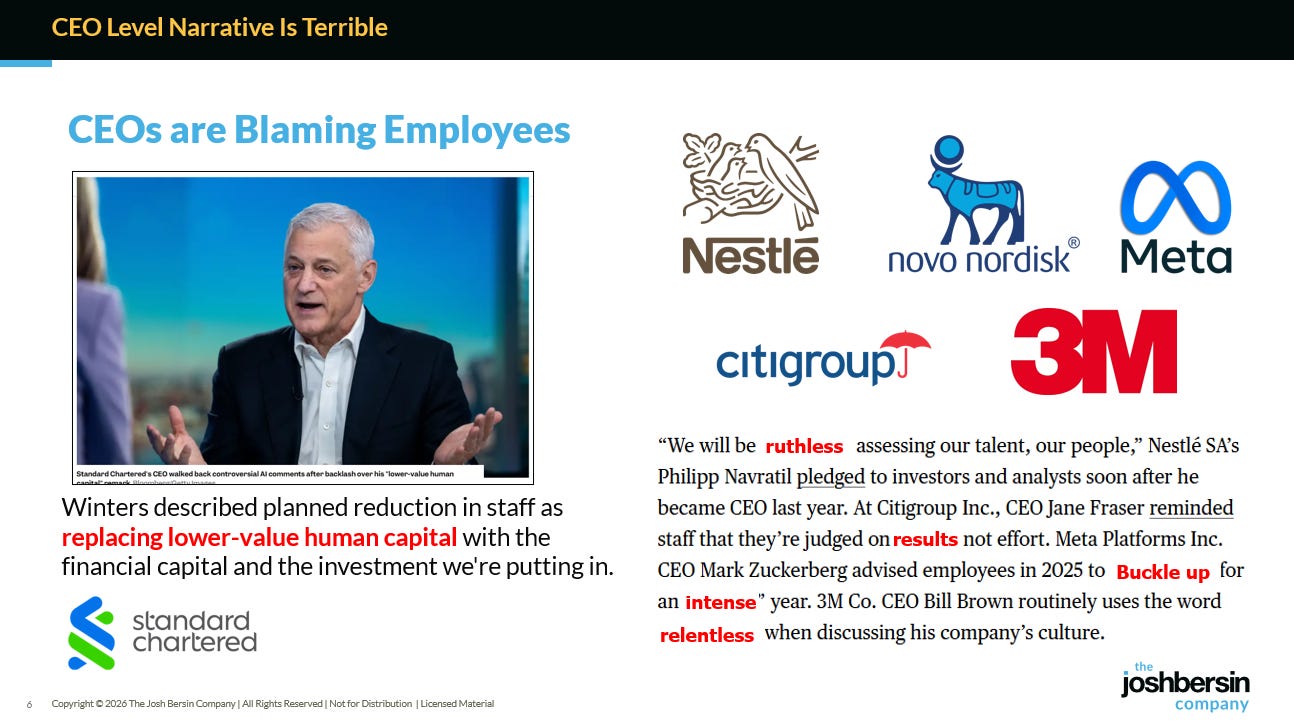
Concurrently with the stagnation of average worker wages, executive compensation has seen a dramatic increase. Reports indicate that the average pay for Chief Human Resources Officers (CHROs) has reached millions of dollars, with CEO compensation often being two to three times higher. This escalation in top-tier pay, often tied to stock performance, further widens the income disparity within corporations. The increasing adoption of AI and automation is also being cited by some CEOs as a rationale for further workforce reductions, potentially exacerbating the issue of employee displacement and undercompensation. This narrative suggests a business environment where the interests of executives and investors are prioritized, often to the detriment of the broader workforce.
5. The Stagnant Federal Minimum Wage
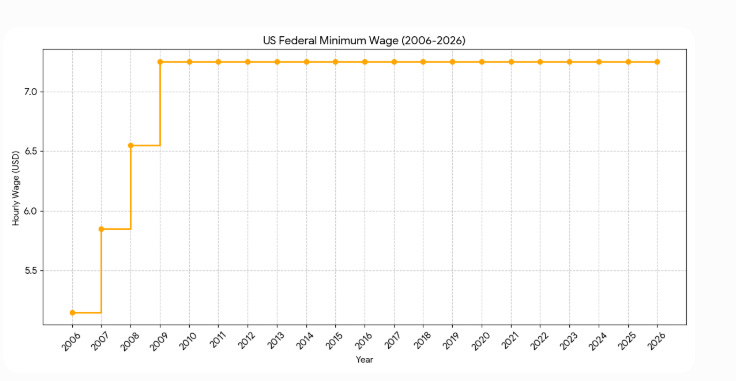
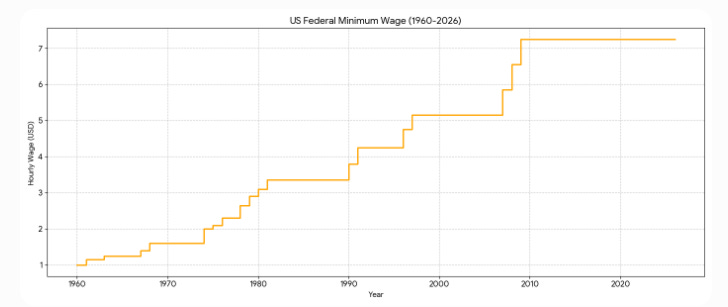
Adding to the affordability crisis is the protracted stagnation of the federal minimum wage. The current federal minimum wage remains at approximately $7.50 per hour, a level that has effectively lost significant purchasing power due to inflation over several decades. Historically, the minimum wage kept pace with inflation and economic growth. However, since the early 1980s, this trend reversed. The policy shift initiated in the 1980s, partly in response to the inflationary pressures of the 1970s, led to a decoupling of minimum wage increases from inflation and productivity gains. This has left a substantial segment of the workforce struggling to earn a living wage.
6. The Decline of Labor Union Participation
The weakening of labor unions has also played a role in the erosion of worker bargaining power. While policies aimed at curbing inflation and increasing corporate profits contributed to the decline in unionization, the broader narrative often involved a concerted effort to reduce the influence of organized labor. This shift coincided with a promotion of individualistic wealth-building strategies, such as 401(k) plans, as alternatives to collective bargaining. As a result, union membership has plummeted, diminishing a crucial mechanism for workers to negotiate for better wages and working conditions.
7. Inflationary Expectations and Their Impact
The current inflationary environment is a multifaceted issue, influenced by a confluence of factors including supply chain disruptions, geopolitical events, energy price shocks, and increased government spending. However, the sustained period of inflation exceeding the Federal Reserve’s target of 2% since 2021 has led to a normalization of higher prices. Consumers have become accustomed to significant price increases for everyday necessities, including groceries, fuel, and housing. This "baked-in" inflation, coupled with recent economic drivers like AI-driven capital expenditures and ongoing supply chain challenges, has further eroded consumer purchasing power and contributed to historically low levels of employee satisfaction with their pay, as noted by the Federal Reserve Bank of New York.
The Systemic Nature of the Affordability Crisis
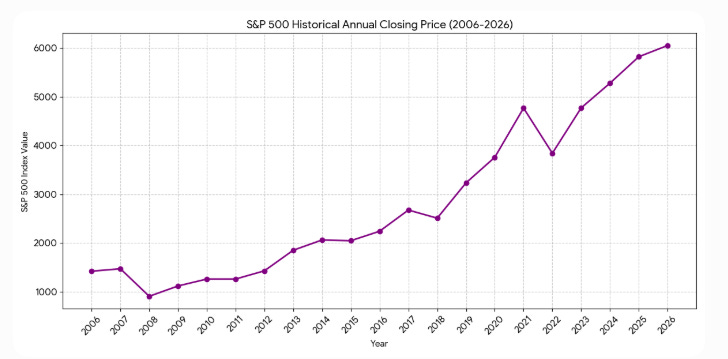
The convergence of these factors has created a systemic crisis of affordability. With inflation rates persistently high and wage growth lagging significantly, many households are finding it increasingly difficult to maintain their standard of living. This economic strain is manifesting in various ways, including increased participation in speculative markets like cryptocurrency and prediction markets, as individuals desperately seek avenues for financial uplift. Geopolitical uncertainties and fluctuating economic policies further contribute to an environment of instability, discouraging employers from significant wage increases and trapping many in a cycle of rising costs and stagnant earnings.
What Can Businesses Do?
While policy-level changes are crucial, businesses also have a significant role to play in addressing this affordability crisis. As leaders and HR professionals, a fundamental shift in perspective is required.
1. Reframe Labor as an Investment, Not an Expense
The most critical change businesses can implement is to view labor not as a cost to be minimized, but as a strategic investment. Investing in employees—through fair compensation, training, and development—yields long-term benefits. Research, including studies for the book "Irresistible: The Secrets of Enduring Employee-Focused Organizations," demonstrates that companies prioritizing employee well-being, including competitive pay, tend to outperform their peers in terms of growth and profitability. Employees are the only truly "appreciating asset" within an organization; their skills and engagement enhance their value over time.
2. Prioritize Skill Enhancement and Internal Mobility
Instead of focusing solely on hiring to fill immediate needs, businesses should prioritize enhancing the capabilities of their existing workforce. Even with the advent of AI, the value of human capital remains paramount. AI’s primary benefit lies in increasing speed and scale, not necessarily in outright job elimination. Investing in training and reskilling enables employees to leverage AI tools, transforming them into "superworkers" rather than making them redundant. This focus on "Talent Density"—cultivating a workforce of highly skilled and engaged individuals—allows for increased productivity that can fund wage growth. The "4R model" (Recruit, Retain, Reskill, Redesign) provides a framework for this approach, emphasizing enablement for growth and sustainable wage increases.
3. Recognize the Financial Benefits of Higher Wages
Paying employees a fair, above-average wage offers tangible benefits. It enhances the ability to attract top talent, improves employee retention, and encourages internal mobility. The cost of replacing an employee—factoring in lost knowledge, customer relationships, and recruitment expenses—can be substantial, often amounting to two to three times an employee’s annual salary. Retaining experienced employees through competitive compensation and incentives not only fosters loyalty but also creates opportunities for reskilling and redeployment, ultimately boosting overall productivity and profitability.
4. Foster Internal Mobility for Company Dynamism
Building a culture of internal mobility is crucial for long-term business success. High employee turnover is costly, both financially and operationally. Companies that excel at redeploying talent internally, rather than constantly relying on external hiring, tend to exhibit greater dynamism and achieve higher profitability. Studies, such as PwC’s CEO survey, indicate that companies with robust internal talent mobility programs are significantly more profitable over time. This approach allows for the efficient allocation of human capital and provides the financial flexibility to invest in employee compensation and development.
The Bottom Line: A Shared Responsibility for Affordability
While external factors like minimum wage policies and unionization rates are significant, employers bear a direct responsibility for ensuring the affordability of life for their workforce. Companies that adopt a philosophy of fair and above-average compensation, exemplified by organizations like Costco, consistently demonstrate superior financial performance. The narrative of Costco cashiers becoming millionaires due to competitive wages serves as a powerful testament to the economic viability of investing in employees.
As the economic landscape continues to evolve, a paradigm shift in business strategy is necessary. The principles espoused by early industrialists like Henry Ford, who understood the power of paying fair wages to create a thriving customer base, offer a valuable historical precedent. By prioritizing employee well-being and fair compensation, businesses can not only contribute to a more equitable economy but also foster sustainable growth and profitability. The current affordability crisis demands a proactive approach from employers, recognizing that their investments in people are fundamental to both individual prosperity and overall economic health.