Southeastern and northeastern states are attracting capital investment at a record pace, delivering growth all along the coastline. This surge in investment is being propelled by a trifecta of rapidly expanding industries: data centers, life sciences, and advanced manufacturing. These sectors, characterized by their demand for infrastructure, skilled labor, and innovation, are reshaping the economic landscape of numerous East Coast states, signaling a robust period of expansion and job creation.
Florida: Aviation Fuels Record Exports and Global Business Expansion
Florida continues to solidify its position as a magnet for global companies, with the aerospace and aviation sectors spearheading a diverse and substantial wave of investments. In 2025, Florida businesses achieved a record high in goods exports, reaching nearly $79 billion. This represents a significant increase of 8.9 percent compared to 2024 and a remarkable 37.8 percent jump from 2018 levels, underscoring the state’s growing influence in international trade.
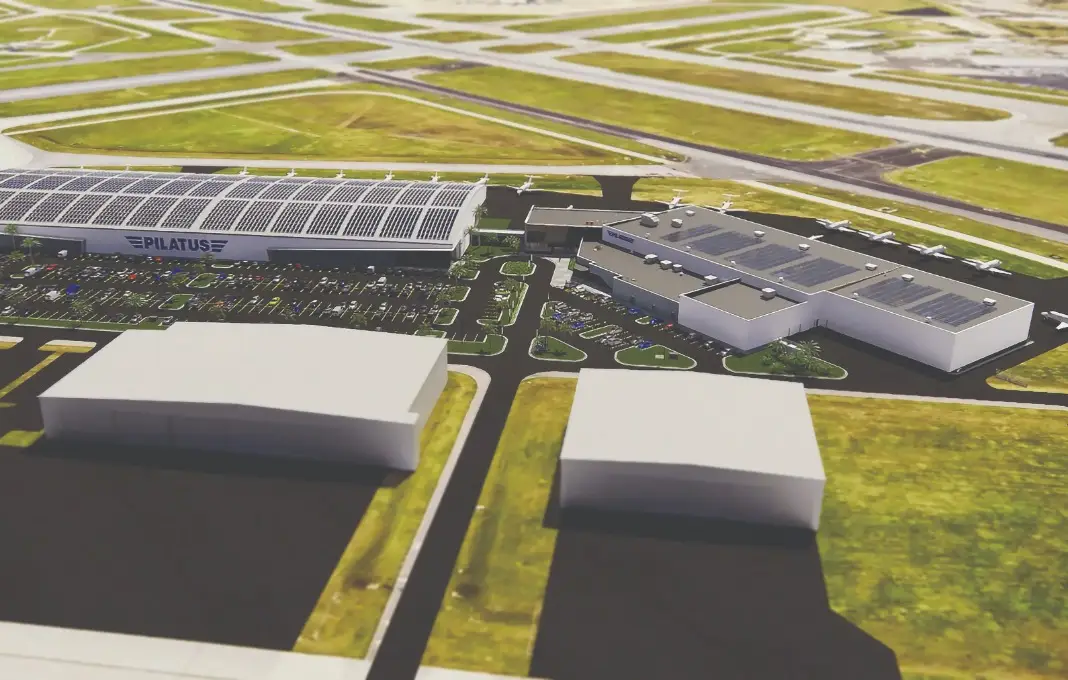
The state’s commitment to fostering aviation and aerospace growth is evident in several high-profile announcements. In October 2025, EPC Aerospace chose Orlando International Airport to establish its U.S. headquarters, a move expected to bolster the region’s aerospace ecosystem. Simultaneously, Swiss aircraft manufacturer Pilatus is undertaking the construction of a comprehensive campus at Sarasota International Airport, signaling a long-term commitment to its U.S. operations.
Beyond aviation, Florida is attracting leaders in other key industries. German energy technology giant Siemens Energy recently relocated its U.S. headquarters to the burgeoning Lake Nona Innovation District, a testament to the state’s appeal for technologically advanced companies. Further diversifying its economic base, Philip Morris announced in March a substantial $50 million investment in Tampa to establish a business solutions center, a project anticipated to generate 180 new jobs. These strategic investments highlight Florida’s multifaceted approach to economic development, leveraging its existing strengths while proactively attracting new growth sectors.
Tennessee: Pioneering the Quantum Future and Advanced Materials
Tennessee is strategically positioning itself at the vanguard of two of the most transformative technological frontiers: nuclear energy and quantum computing. This ambition is significantly fueled by a $70 million state fund dedicated to advancing these critical fields. Chattanooga is at the epicenter of this quantum revolution, currently constructing the nation’s first commercially available quantum network and quantum computer. This cutting-edge facility, housed within the city’s new Quantum Center, is slated to become operational in 2026, marking a significant milestone in the development of quantum technologies.
The initiative is further bolstered by a robust public-private partnership. EPB, the local power utility, has collaborated with Vanderbilt University to establish the Quantum Innovation Institute. This institute is designed to be a nexus for research and development, expected to accommodate approximately 200 faculty members, students, staff, and researchers, fostering a dynamic environment for groundbreaking discoveries.
The momentum in Tennessee extends beyond quantum computing. Novonix, a leader in battery materials, has committed to an investment exceeding $1 billion in Chattanooga over the next five years, with plans to create over 500 new jobs. This significant investment underscores the state’s growing importance in the clean energy supply chain. In the aerospace sector, aircraft manufacturer West Star Aviation is undertaking a major expansion in Chattanooga, a project projected to generate more than 700 jobs, further diversifying the state’s advanced manufacturing capabilities. Tennessee’s proactive investment in future-oriented technologies and its continued support for established industries are creating a powerful economic engine.
North Carolina: A Record Year for Economic Development and Life Sciences Innovation
North Carolina has experienced an unprecedented year for economic development, announcing a remarkable $24.1 billion in capital investments and creating over 35,500 new jobs. This performance marks the state’s best year in its recorded history for economic growth initiatives. A significant contributor to this success was the announcement by aircraft manufacturer JetZero, which committed a staggering $4 billion investment and pledged to create 14,000 new jobs, representing the largest job commitment in the state’s history.
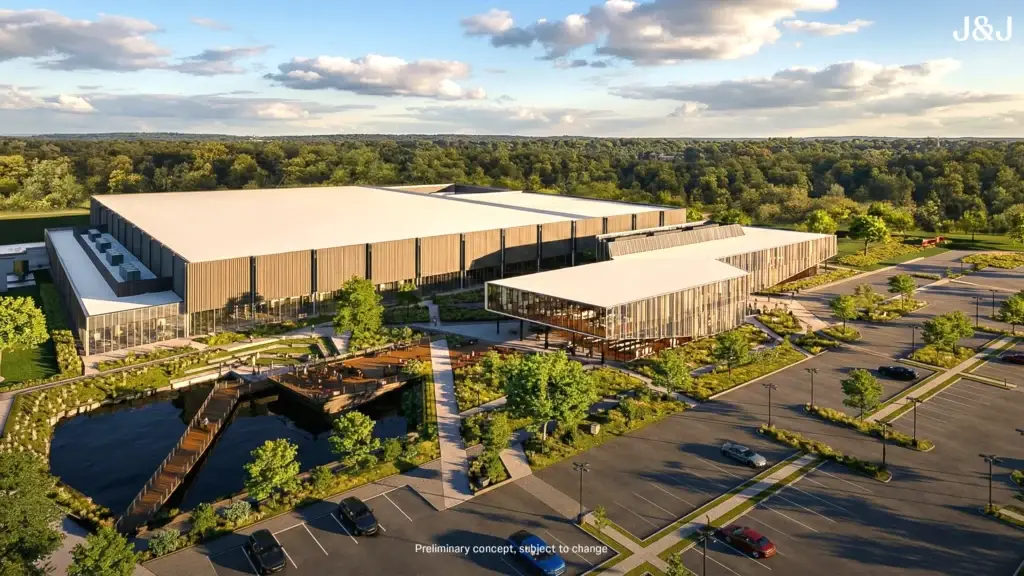
The fastest-growing industries within North Carolina are life sciences, aerospace, and advanced manufacturing. The life sciences sector, in particular, has seen substantial growth. In September 2025, FUJIFILM Biotechnologies inaugurated one of the world’s largest end-to-end cell culture facilities, a $3 billion investment that enhances the state’s biopharmaceutical manufacturing capacity. Following this, Biogen announced a $2 billion expansion in Durham County in October 2025, further solidifying the region’s prominence in biotechnology. Adding to this momentum, Johnson & Johnson (J&J) announced in January 2026 a $2 billion investment to construct a new biologics facility in Wilson County, underscoring North Carolina’s strategic importance in the global pharmaceutical supply chain. The state’s proactive economic policies and robust investment in key growth sectors are yielding substantial returns.
Georgia: A Record Economic Harvest Driven by Global Investment and Exports
Between July 2024 and June 2025, Georgia achieved a remarkable economic harvest, attracting over $26 billion in capital investments and generating more than 23,000 new private-sector jobs. The state’s export performance also surpassed expectations, with values exceeding $60 billion, marking a significant 12.7 percent year-over-year increase. This growth rate substantially outpaced the national average of 5.6 percent for exports, highlighting Georgia’s expanding role in global trade.
"Georgia is not just keeping pace; it is outpacing the nation in year-over-year growth for trade and export values," stated Pat Wilson, commissioner of the Georgia Department of Economic Development, in a press release. This sentiment is backed by concrete investments from global leaders. In March 2026, Belgian biopharma company UCB announced a substantial $2 billion investment to establish its first U.S. biologics manufacturing facility in Gwinnett County. This facility is poised to enhance domestic production of critical biopharmaceuticals.
Simultaneously, Georgia continues to attract global corporations seeking strategic U.S. locations. In March 2026, Japan’s Yamaha Motor announced its decision to relocate its U.S. headquarters from California to Kennesaw, a move that leverages the company’s existing workforce of over 2,300 Georgians and strengthens its operational presence in the Southeast. Georgia’s dynamic business environment, strategic logistical advantages, and commitment to fostering innovation are driving impressive economic outcomes.
South Carolina: Cultivating a Promising Tech Ecosystem
South Carolina is actively cultivating a promising technological future, evidenced by significant investments and job creation across various sectors. In January 2026, the SC Nexus technology hub received federal approval for an expansion of its operational footprint. This designation marks the first state-wide recognition for any U.S. tech hub, underscoring the state’s commitment to fostering innovation.
"It reinforces South Carolina’s commitment to advancing new, innovative technologies," commented Dorothy Weaver, director of marketing at the South Carolina Department of Commerce. The state’s economic development efforts in 2025 yielded substantial results, with more than $9 billion in capital investments and the creation of 8,100 new jobs. Notably, rural areas accounted for over 40 percent of these overall totals, demonstrating a commitment to equitable growth across the state.
Key investments highlight the state’s diverse industrial strengths. Wood materials manufacturer Homanit announced in May 2025 a $250 million investment and the creation of 300 jobs in Clarendon County. Power management technology company Eaton is expanding its operations in Union County with a $340 million investment and 700 new jobs announced in February 2025. Furthermore, Isuzu North America Corporation is making a significant investment of $280 million in Greenville County, creating 700 new jobs. South Carolina’s strategic approach to attracting investment, coupled with its focus on rural development, is fostering a resilient and growing economy.
Virginia: A Convergence of Defense, Biopharma, and Data Centers
Virginia, long recognized for its robust federal defense sectors, is now rapidly evolving into a significant hub for pharmaceutical manufacturing and data centers, demonstrating a strategic pivot towards high-growth, technology-driven industries. In February 2026, Italian aerospace company Avio USA announced a $500 million investment to construct a rocket motor manufacturing facility in Hurt, a project expected to create 1,000 new jobs and bolster the state’s advanced manufacturing capabilities. This was followed by L3Harris Technologies’ announcement of a $1.27 billion expansion and 350 new jobs at its Orange County facilities a few months later, further solidifying Virginia’s defense industry strength.
The burgeoning data center sector is also a major driver of growth. CleanArc Data Centers broke ground in November 2025 on a $3 billion campus in Caroline County, a development that will significantly enhance the region’s digital infrastructure. The pharmaceutical sector is experiencing a renaissance, with major players making substantial commitments. Merck, AstraZeneca, and Eli Lilly each announced significant new facilities or expansions in the Commonwealth in late 2025. Collectively, these projects represent over $1 billion in capital investments and are projected to create more than 2,000 jobs, signaling a strong reshoring trend in pharmaceutical manufacturing.
"This was an overnight success that took 20 years," remarked John Newby, CEO of Virginia Bio, reflecting on the decades of ecosystem-building that have fostered this remarkable growth in the life sciences sector. Virginia’s strategic investment in key industries, coupled with its skilled workforce and favorable business climate, is positioning it for continued economic expansion.
Kentucky: Driving Exports and Advancing Aerospace
Kentucky achieved a record-breaking $50.6 billion in exports in 2025, with the aerospace sector alone contributing $23 billion to this impressive total. Advanced manufacturing stands as the largest sector in Northern Kentucky, generating a substantial $32 billion gross regional product. This sector’s strength is significantly amplified by the region’s seamless connectivity to the broader Cincinnati metropolitan economy.
"Workers regularly commute across state lines via shared infrastructure and transit systems, and the presence of eight Fortune 500 companies and more than 20 billion-dollar companies draws talent from across the tri-state area," noted Lee Crume, CEO of BE NKY Partnership. This collaborative regional approach is a key factor in Kentucky’s economic success.
Notable investments in the manufacturing sector include a $105 million expansion by manufacturing solutions provider Jabil in Boone County, creating 900 new jobs. MarfoFMA announced a $37 million expansion and 78 new jobs in Covington in March 2026. Additionally, ADM is expanding its operations in Erlanger with a $26 million investment announced in January 2026. Kentucky’s strategic focus on leveraging its logistical advantages and fostering advanced manufacturing is yielding significant economic benefits.
New Hampshire: Attracting Expansion Through Pro-Business Policies and Strategic Location
New Hampshire’s economic resilience is being reinforced by a combination of stable pro-business policies, a strategic geographic location, and growing demand in key sectors such as medical devices, precision electronics, and aerospace components. The state’s proximity to major economic centers like Greater Boston and Quebec City, coupled with a comparatively lower cost of doing business, continues to attract entrepreneurs and established companies alike.
Significant recent wins underscore this trend. In December 2025, Analogic announced its relocation from Peabody, Massachusetts, to Salem, New Hampshire, bringing 500 jobs to the region. SynQor is also expanding its operations, a move expected to add 250 new jobs. Furthermore, New Hampshire is on track to achieve near-universal broadband coverage by the end of 2026, an initiative anticipated to unlock substantial new opportunities for rural economic development and digital innovation. The state’s consistent focus on creating a favorable business environment is proving effective in attracting and retaining companies.
Pennsylvania: Cementing its Role in Life Sciences Innovation
Pennsylvania has solidified its position as a leader in the life sciences sector, attracting significant private-sector investment and job growth. Over the past three years, the state has seen more than $40 billion in private-sector investment and the creation of over 22,000 jobs, with life sciences emerging as a pivotal industry.
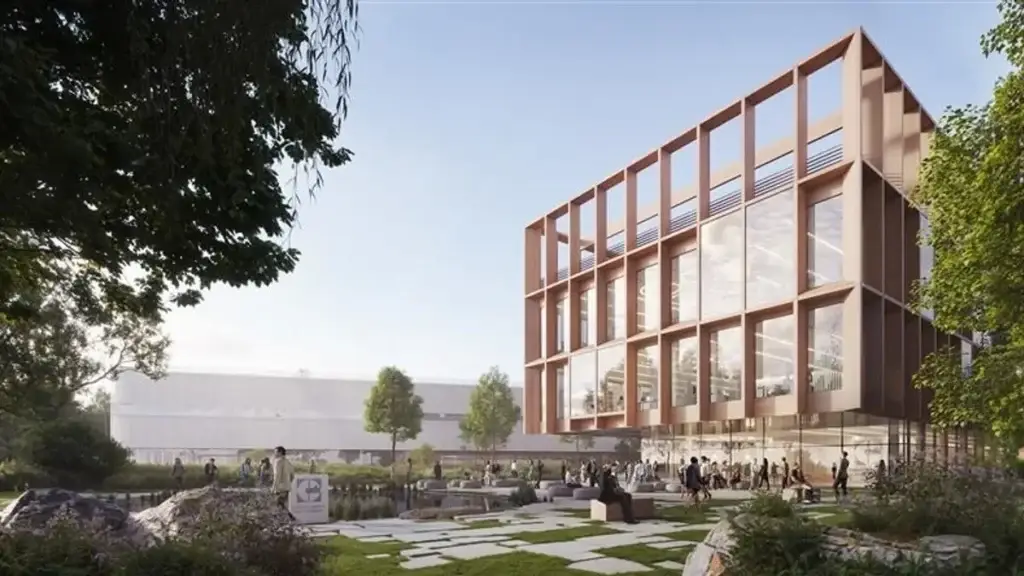
A major development occurred in January 2026 when Eli Lilly announced plans to build a $3.5 billion manufacturing facility in Fogelsville. This state-of-the-art facility is projected to create 850 jobs, significantly boosting the region’s biopharmaceutical manufacturing capacity. Further strengthening the state’s life sciences infrastructure, Johnson & Johnson (J&J) announced in February 2026 a $1 billion manufacturing facility in Montgomery County. This investment is part of J&J’s broader commitment to Pennsylvania, which includes an estimated $10 billion invested across 10 facilities, encompassing over 2 million square feet of manufacturing, research, and distribution operations.
"For 140 years, J&J has been a leading innovator in American healthcare, and we are honored to continue advancing that legacy in Pennsylvania," stated CEO Joaquin Duato in a press release. This significant investment from a global healthcare leader underscores Pennsylvania’s strategic importance in the pharmaceutical supply chain and its commitment to fostering a robust life sciences ecosystem.
Delaware: A Hub for Corporations, Biotech, and Advanced Manufacturing
Delaware continues to thrive as a premier destination for life sciences, fintech, and advanced manufacturing, building on its long-standing reputation as a favorable jurisdiction for corporate incorporation. Global industry leaders such as Solenis, DuPont, Corteva, and Agilent have made substantial investments in the state in recent years, reinforcing its economic diversity.
In 2025, Merck announced a significant $1 billion biotech facility in Wilmington, a move that will bolster the state’s burgeoning life sciences sector and create high-skilled jobs. In parallel, Aldi is investing $550 million in a fully automated distribution center in New Castle, a project expected to generate up to 775 jobs and enhance the efficiency of the company’s supply chain.
Beyond its industrial growth, Delaware’s preeminence in corporate law remains a significant economic driver. A study by the Harvard Law School Forum on Corporate Governance found that, on average, nearly 1,400 corporations choose Delaware as their legal domicile each week. Corporate formation growth in the state surged by 30 percent in 2025. According to the Delaware Department of State, 2.1 million legal entities are incorporated in the state, including 66.7 percent of Fortune 500 companies and 81.4 percent of U.S.-based IPOs in 2024. This consistent influx of corporate registrations underscores Delaware’s enduring appeal for businesses seeking a stable and advantageous legal framework.
Arkansas: Attracting Historic Data Center Investments Driven by AI Demand
Arkansas is experiencing an unprecedented surge in capital investments, largely driven by its competitive energy costs and a business-friendly environment that is particularly attractive to the burgeoning data center industry. In January 2026, AVAIO Digital Partners committed over $6 billion to develop an AI-ready data center campus in Pulaski County, marking the largest economic investment in Arkansas’s history. This monumental project is set to transform the state’s digital infrastructure capabilities.
"AVAIO Digital’s $6 billion data center hub represents the largest economic investment in Arkansas’s history," declared Governor Sarah Huckabee Sanders in a press release, highlighting the transformative nature of this development. The state’s proactive approach to attracting such investments is exemplified by its IMPACT legislation, which streamlines permitting processes and offers valuable sales and use tax exemptions for data centers, thereby significantly reducing operational costs for these capital-intensive facilities.
This trend is further reinforced by Google’s announcement of a multi-billion-dollar data center campus in West Memphis, which is expected to contribute significantly to the state’s digital economy and job market. The confluence of substantial private investment, favorable state legislation, and the rapidly growing demand for artificial intelligence infrastructure positions Arkansas as a key player in the future of data processing and technology.
Alabama: Record Year Fueled by Pharmaceutical and Automotive Manufacturing
Alabama concluded 2025 with a record-breaking year for economic development, securing 234 new projects, attracting more than $14.6 billion in capital investment, and generating over 9,000 new job commitments. A landmark announcement came in December 2025 when Eli Lilly revealed plans for a $6 billion advanced manufacturing facility in Huntsville. This represents the largest initial investment in the state’s history and signifies a major expansion of pharmaceutical production within Alabama.
"Huntsville’s track record of science and innovation, supported by advanced manufacturing expertise and a skilled workforce, makes Alabama an ideal location," stated Eli Lilly CEO David A. Ricks in a press release, underscoring the state’s appeal to high-tech industries. The automotive sector also continues to be a significant economic driver. In March 2026, Mercedes-Benz announced a $4 billion investment at its Tuscaloosa County plant, a facility that currently employs 5,800 people and has contributed over $7 billion to the state’s economy since its inception in 1997. Additionally, Taiwan-based auto supply group Minth Group Limited announced a $430 million investment and plans to create more than 1,300 jobs at a former steelmaking site in Gadsden, further diversifying Alabama’s manufacturing base.
Maine: Bolstering its Economy Through the Blue Economy
Maine’s economic vitality is increasingly being bolstered by its robust "blue ocean" economy, which already contributes more than $6.8 billion annually and supports over 90,000 jobs. This sector, encompassing marine research, aquaculture, and related industries, is a cornerstone of the state’s economic strategy. In December 2025, the Department of Economic and Community Development’s Blue Economy Task Force released a comprehensive report outlining a path for a more coordinated state approach. Key recommendations include continuous data collection, enhanced collaboration across industries, and building capacity to transition promising ideas into tangible businesses and job opportunities.
"Putting the Task Force’s recommendations to work will grow our marine economy and reach every corner of coastal Maine," stated Nick Battista, co-chair of the Blue Economy Task Force, in a press release. This strategic focus aims to maximize the economic potential of Maine’s extensive coastline and marine resources. Complementing these policy initiatives, marine research infrastructure continues to expand. Construction is currently underway on a $30 million expansion at Bigelow Laboratory for Ocean Sciences in East Boothbay. This expansion will add new classrooms, state-of-the-art laboratories, and flexible forum space, enhancing the laboratory’s capacity for groundbreaking research and educational programs.
West Virginia: Momentum in Digital Infrastructure and Advanced Manufacturing
Since October 2025, West Virginia has successfully secured more than $12 billion in investments across several key sectors, signaling a significant economic resurgence. The state is rapidly emerging as a hub for digital infrastructure, with major data center developments underway. In March 2026, real estate development firm Penzance Management announced plans to construct a $4 billion data center campus in Berkeley County’s Falling Waters District. This ambitious project is expected to create numerous jobs and significantly boost the region’s technological capabilities.
Simultaneously, Google announced a major data center development in Putnam County, further solidifying West Virginia’s growing presence in the digital infrastructure landscape. The state’s commitment to advanced manufacturing also continues to yield positive results. Toyota has announced a significant investment of $453 million in its plant in Putnam County, reinforcing the state’s capabilities in the automotive supply chain.
"Toyota’s continued investment in West Virginia demonstrates that our workforce, business climate, and communities deliver real results for companies," commented Governor Patrick Morrisey. This sustained investment from a global automotive leader underscores the state’s attractive business environment and its capacity to support large-scale manufacturing operations.
Maryland: Expanding in Biotech, Quantum Computing, and Port Infrastructure
Maryland is experiencing a period of dynamic expansion across critical sectors, including trade, life sciences, and quantum computing. In March 2026, South Korea-based biopharma contract manufacturer Samsung Biologics opened its first U.S. facility in Rockville, a $353 million acquisition that significantly enhances the state’s biopharmaceutical manufacturing capacity. This strategic move positions Maryland as a key player in the domestic production of critical medicines.
On the quantum computing front, the University of Maryland Discovery District broke ground in April 2026 on a $65 million headquarters for the Applied Research Laboratory for Intelligence and Security. This initiative, alongside the establishment of Finnish quantum computer developer IQM’s first U.S. Quantum Technology Center on campus, underscores Maryland’s commitment to advancing cutting-edge research and development in this transformative field.
The Port of Baltimore is also undergoing significant growth, a testament to Maryland’s strategic importance in global trade. In May 2026, Tradepoint Atlantic and Terminal Investment Limited broke ground on the $1.2 billion Sparrows Point Container Terminal. This massive infrastructure project is poised to significantly enhance the port’s capacity and efficiency, further solidifying its role as a critical gateway for international commerce.
Vermont: Fostering Grassroots Growth in Manufacturing and Agriculture
In fiscal year 2025, the Vermont Economic Development Authority (VEDA) facilitated significant economic activity by originating 173 loans totaling $61.5 million, which in turn leveraged $148.4 million in private and other capital. The VEDA 2025 Annual Report highlights manufacturing as a foundational pillar of the state’s economic strategy. Weidmann Electrical Technology is undertaking a $44 million expansion at its St. Johnsbury facility, a project expected to create 67 new jobs and bolster the state’s electrical component manufacturing sector.
Agriculture and food production also continue to attract substantial investment in Vermont. VEDA’s agricultural and forestry loan portfolio reached $82.9 million across 286 loans, supporting 553 farms and forest entities. This robust support for the agricultural sector underscores its vital role in the state’s economy and rural development. Furthermore, clean energy and infrastructure projects totaling $5.7 million were supported in 2025, including solar array installations for farms and a $1.3 million investment in Brighton Solar LLC, demonstrating Vermont’s commitment to sustainable energy solutions and green economic growth.
Rhode Island: Championing Small Business Innovation
Rhode Island is actively implementing a suite of programs designed to empower entrepreneurs, manufacturers, and inventors, thereby fostering the growth and retention of businesses within the state. The Innovation Initiative Portfolio offers a range of valuable tools, including the Innovation Voucher program, which provides funding of up to $75,000 for research and development partnerships. Since its launch in 2025, this program has successfully supported more than 153 projects across 117 companies, stimulating innovation and collaboration.
Complementing these efforts, the Invention Incentive Programs, also launched in 2025, reimburse individual investors and small businesses up to $5,000 toward patent application costs. This initiative aims to protect intellectual property and encourage the commercialization of new ideas. Demonstrating a commitment to sustainable business practices, the state launched the Small Business Energy Efficiency Program in March 2026. This program offers grants to reimburse small businesses up to $20,000 for energy efficiency improvements, supporting both cost savings and environmental stewardship.
Mississippi: Forging a New Digital Identity with Landmark Data Center Investments
Mississippi is actively rewriting its economic narrative by attracting monumental investments in the burgeoning data center sector, signaling a strategic pivot towards the digital economy. In January 2026, xAI, the artificial intelligence company founded by Elon Musk, announced a staggering $20 billion data center project in Southaven. This represents the largest corporate investment in the state’s history and is a testament to Mississippi’s capacity to host large-scale, cutting-edge technology infrastructure.
"xAI is scaling at an immeasurable pace… MACROHARDRR pushes our Colossus training compute to ~2GW—by far the most powerful AI system on Earth. This is insane execution speed by xAI and the state of Mississippi," stated Elon Musk in a press release, highlighting the rapid progress and collaborative spirit of the project. Further underscoring Mississippi’s growing importance in the data center landscape, Amazon announced in April 2026 an $11 billion expansion of its data center operations in Madison County, bringing its total investment in the state to $25 billion.
The state’s commitment to advanced manufacturing is also evident. In February 2025, German technology company Siemens Energy announced a $300 million expansion in Rankin County to produce electrical components, creating up to 300 jobs. Firehawk Aerospace has also established a $16.5 million rocket systems manufacturing facility in Crawford, further diversifying Mississippi’s industrial base and showcasing its capabilities in advanced aerospace technologies.
Louisiana: Multi-Billion Dollar Projects Drive Economic Transformation
Economic development officials in Louisiana have successfully orchestrated a strategic alignment of state agencies, industry partners, and workforce development programs to attract some of the largest investments in the state’s history. In March 2025, Hyundai Motor announced a transformative $5.8 billion steel manufacturing facility, marking the company’s first steel mill in North America. This project is projected to create more than 1,300 direct jobs with an average salary of $95,000, significantly boosting the state’s industrial sector and creating high-paying employment opportunities.
Adding to this impressive portfolio, Australia-based Woodside Energy is developing a $17.5 billion LNG project in Calcasieu Parish, which stands as the largest foreign direct investment in the state’s history. This project is crucial for global energy supply chains and represents a significant economic boon for Louisiana. The burgeoning data center sector is also making its mark, with Meta constructing a $27 billion data center in Richland Parish. Known as Hyperion, this massive 4-million-square-foot facility is set to become one of the largest AI infrastructure projects globally. Amazon is also investing $12 billion in multiple state-of-the-art data center campuses in Caddo and Bossier Parishes, a project expected to create 540 jobs and further enhance Louisiana’s digital infrastructure capabilities.
Connecticut: Adapting to AI and Strengthening Core Industries
Connecticut’s established strengths in advanced manufacturing, financial services, defense, and insurance are undergoing rapid transformation, driven by technological advancements and a strategic pivot towards artificial intelligence (AI). Many global insurance industry players maintain their headquarters in Hartford, while the state’s renowned shipbuilding capabilities are evident in Groton, where high-tech submarines are constructed. Furthermore, Fairfield County is a hub for semiconductor equipment engineering, showcasing the state’s diverse technological prowess.
"Each of these industries is accelerating, as the state’s deep university research base translates into real commercial advantage," stated John Bourdeaux, CEO of AdvanceCT. "Connecticut isn’t picking one bet; it’s running several at once." This multi-faceted approach to economic development ensures resilience and adaptability in a rapidly evolving global economy. The aerospace sector continues its strong performance, with nearly a quarter of all aircraft engine components manufactured in the U.S. being produced in Connecticut in 2025, highlighting the state’s enduring legacy in advanced aerospace manufacturing.
Massachusetts: Leading the Pack in Life Sciences and Biotech Innovation
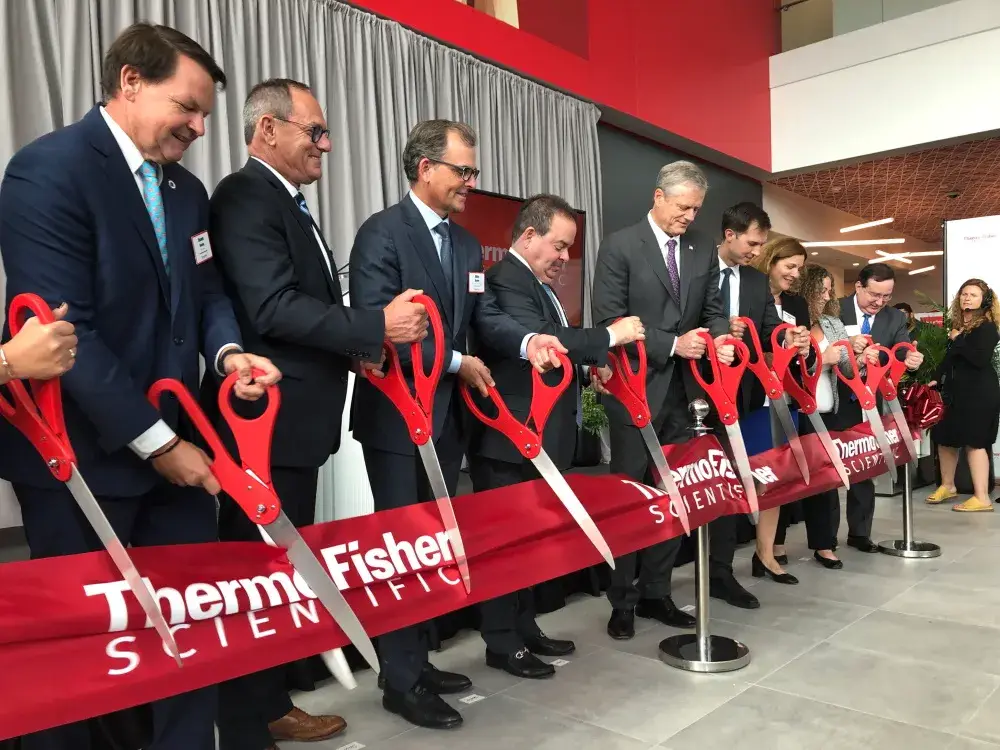
The Boston-Cambridge corridor remains a globally recognized epicenter for life sciences innovation, attracting significant investment and talent. In April 2026, Thermo Fisher Scientific opened its first U.S. Bioprocess Design Center in Plainville. This facility joins the company’s existing network of similar centers in China, Korea, Singapore, and India, underscoring Massachusetts’ role in global biopharmaceutical development and manufacturing.
The state continues to attract substantial foreign investment, further cementing its position as a leader in biotechnology. In March 2026, Copenhagen-based biotech company Zealand Pharma announced the establishment of its primary U.S. research hub in Cambridge. This facility will focus on AI-driven research, advanced automation, and the creation of next-generation molecules, with a particular emphasis on addressing obesity and metabolic health challenges. Massachusetts’s deep talent pool, robust venture capital ecosystem, and world-class research institutions create a fertile ground for groundbreaking advancements in life sciences.
New Jersey: A Dual Powerhouse in Film Production and Life Sciences
New Jersey is rapidly emerging as a top destination for film and television production, significantly boosted by its Film and Digital Media Tax Credit Program, which offers incentives of up to 40 percent. This program has attracted major players, with Netflix investing $1 billion to convert the former Fort Monmouth Army base in Eatontown into a 292-acre East Coast production campus, slated for a 2028 opening. Lionsgate also broke ground in December 2025 on a $125 million, 300,000-square-foot studio in Newark’s South Ward, signaling substantial growth in the state’s media production infrastructure.
In parallel, New Jersey’s life sciences industry continues its robust expansion. In May 2026, Garonit Pharmaceutical announced a $200 million investment and plans to create 1,000 jobs through its acquisition of the former Siemens Healthineers facility in Flanders. This acquisition enhances the state’s pharmaceutical manufacturing capabilities and creates significant employment opportunities. New Jersey’s strategic investments in both the creative economy and the life sciences sector are driving diversified economic growth and job creation.
New York: Powering the Future with Semiconductors and Digital Finance
New York is experiencing a significant wave of investment and innovation, particularly in the fields of artificial intelligence (AI) and fintech. Micron Technology’s monumental $100 billion project is poised to revolutionize semiconductor manufacturing in the United States. This ambitious undertaking will eventually encompass four fabrication plants, establishing the largest semiconductor facility in the nation and positioning New York as a critical hub for advanced chip production.
The financial capital of the world, New York City, remains a dominant force in fintech and digital commerce. In February 2026, Broadridge Financial Solutions announced a $78 million expansion on Long Island, a move that will enhance its technological capabilities and support its growing client base. Global sports platform Fanatics is also expanding its operations in Manhattan with a $50 million investment, further solidifying the city’s role in digital commerce and sports technology. In the cryptocurrency sector, Coinbase announced a $750 million expansion in New York City in March 2026, creating 630 new jobs. "New York has quickly solidified its role as a central hub for the global crypto ecosystem," stated Shan Aggarwal, chief business officer of Coinbase, in a press release, highlighting the city’s increasing importance in the digital asset landscape.