
The contemporary business landscape is grappling with a significant challenge: a pervasive decline in employee engagement, which is directly translating into a staggering economic cost. While the precise definition of employee productivity centers on the ability of individuals to focus on the right tasks, with appropriate resources and support, while making consistent progress free from undue obstacles, the current reality for many organizations falls far short of this ideal. Global data from 2025 revealed that a mere 20% of employees worldwide were actively engaged, a statistic that contributed to an estimated $10 trillion in lost productivity on a global scale. These inefficiencies are rarely attributed to dramatic failures but rather to systemic issues such as ambiguous priorities, fragmented technological ecosystems, inconsistent recognition practices, and work that often feels demanding without being intrinsically meaningful. Addressing this productivity deficit requires a strategic, multi-faceted approach that moves beyond superficial fixes to implement sustainable solutions.
Understanding the Nuances of Employee Productivity
At its core, employee productivity is often defined as the efficiency with which employees complete their assigned duties, typically measured by the output generated relative to the input of time and resources. However, a more nuanced understanding recognizes that productivity is not solely about the sheer volume of tasks completed. Instead, it necessitates finding a sustainable equilibrium between operational efficiency and employee well-being. The consequences of neglecting this balance are severe; overwork can precipitate burnout, which ultimately undermines results. Research from Gallup underscores this point, indicating that engaged employees are a remarkable 17% more productive than their disengaged counterparts. Therefore, the objective is to foster an environment that drives performance without compromising the mental and emotional health of the workforce, recognizing that a content and motivated team is intrinsically a more productive one.
A Strategic Blueprint for Enhancing Workplace Productivity
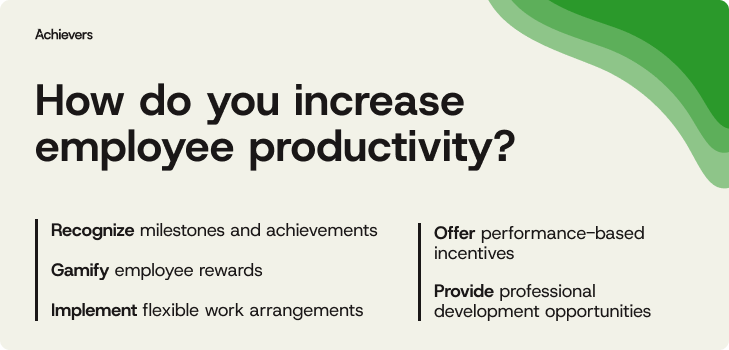
The pursuit of increased employee productivity is a perpetual objective for any forward-thinking organization. Crucially, this enhancement is not achieved by simply demanding more effort but by cultivating smarter working practices. By strategically addressing key factors such as recognition, goal clarity, communication efficacy, and the crucial element of work-life balance, companies can forge a workforce that is not only more efficient but also demonstrably more motivated and engaged. The following ten strategies offer a practical framework for achieving this vital equilibrium, ensuring that efficiency and engagement work in concert rather than in competition.
1. Cultivating a Culture of Recognition and Engagement
Recognition serves as a powerful reinforcement mechanism, highlighting and celebrating the behaviors that directly contribute to organizational success. When employees perceive that their contributions are acknowledged and valued, their intrinsic motivation to remain engaged and to direct their efforts towards impactful tasks significantly increases. Consistent and timely recognition builds not only morale but also momentum, providing tangible guidance on what constitutes high performance. This proactive approach ensures that employees understand the direct link between their efforts and positive outcomes.
2. Establishing Clear Goals and Expectations
Productivity is inevitably hampered when organizational priorities are ill-defined or subject to frequent, unannounced shifts. The establishment of clear, measurable goals provides employees with a unified understanding of what is most important and how success will be evaluated. Frameworks such as SMART goals (Specific, Measurable, Achievable, Relevant, Time-bound) empower teams to channel their focus and energy effectively, thereby minimizing rework and mitigating confusion. When expectations are transparent, individuals can proceed with confidence, unburdened by the need for constant second-guessing.
3. Enhancing Communication and Collaboration Channels
Effective workflow is fundamentally dependent on the seamless flow of information. Robust internal communication strategies and strong collaborative practices are instrumental in reducing delays, preventing duplication of effort, and minimizing unnecessary friction between teams. When individuals can readily share updates, pose questions, and align on critical decisions, the pace of work accelerates, and the occurrence of avoidable issues diminishes. This streamlined communication fosters a more agile and responsive operational environment.

4. Investing in Professional Development and Training
Employee productivity experiences a natural uplift when individuals are equipped with the necessary skills to adapt to evolving workplace demands. Comprehensive training and development programs not only enhance current job performance but also prepare employees for future challenges and opportunities. By actively supporting employee growth, organizations cultivate a workforce that is more confident, more capable, and more deeply invested in the quality and impact of their work.
5. Optimizing the Workplace Environment
The work environment, whether physical or virtual, exerts a more significant influence on productivity than is often acknowledged. Comfortable workspaces, thoughtful design considerations, and a reduction in avoidable distractions collectively facilitate a greater capacity for employee focus. When the environment is conducive to the tasks at hand, employees expend less energy compensating for suboptimal conditions and more energy producing valuable results.
6. Leveraging Technology and Automation Strategically
The judicious implementation of technology can dramatically reduce the burden of routine, time-consuming tasks, freeing employees to concentrate on higher-value activities. Automation can effectively manage repetitive processes, while advanced collaboration and planning tools ensure that teams remain organized and aligned. When technological systems are integrated and work harmoniously, productivity is enhanced not by individuals working faster, but by them working more intelligently and strategically.
7. Championing Work-Life Balance and Employee Well-being
Sustained productivity is fueled by energy and resilience, not sheer endurance. The provision of flexible work arrangements, comprehensive wellness support, and the establishment of realistic workloads are crucial for preventing burnout before it manifests as disengagement or errors. When employees have adequate opportunities to rest and recharge, their capacity for focused concentration, effective problem-solving, and consistent performance is significantly enhanced.
8. Streamlining Processes and Minimizing Unnecessary Meetings
Inefficient processes and an excessive number of meetings can insidiously erode productivity. By streamlining workflows and critically evaluating the necessity of meetings, organizations can reclaim valuable time for focused, deep work. A reduction in interruptions allows for clearer thinking, faster execution, and a less frustrating experience across all teams.
9. Implementing Robust Performance Tracking and Feedback Systems
Productivity can be systematically improved through the provision of timely and specific feedback. Ongoing performance tracking and regular check-ins enable employees to understand their progress, identify areas for development, and align their efforts with organizational expectations. Transparent feedback loops minimize surprises, foster continuous improvement, and ensure that progress remains consistent with strategic objectives.
10. Promoting Team Building and Workplace Connections
Strong interpersonal relationships within teams are foundational to effective collaboration. When employees trust one another and feel a sense of connection to their colleagues, communication flows more freely, and problems are resolved with greater alacrity. Productivity benefits significantly when individuals genuinely enjoy working together, not simply for the sake of camaraderie, but because these strong relationships remove operational friction and foster a more cohesive working dynamic.
The Multifaceted Drivers of Employee Productivity
Employee productivity does not exist in a vacuum; it is intricately shaped by a wide array of factors, ranging from the prevailing organizational culture to the technological infrastructure in place. A comprehensive understanding of these underlying drivers is essential for cultivating an environment where employees can not only perform effectively but also derive satisfaction from their work.
Workplace Culture and Environment
A positive and supportive workplace culture acts as a catalyst for employee potential, while a toxic environment can lead to high turnover and decreased output. The physical and psychological safety of the workspace directly impacts an individual’s ability to concentrate and perform.
Employee Engagement and Motivation
When employees are intrinsically motivated and feel a sense of purpose in their roles, their commitment and contribution levels are markedly higher. Conversely, disengagement can lead to passive participation and a lack of initiative.
Access to the Right Tools and Technology
The availability of appropriate and efficient tools can transform an employee’s ability to convert time into tangible output. Outdated or poorly integrated technology, however, can become a significant source of frustration and inefficiency, leading to wasted time in troubleshooting.
Workload Management and Role Clarity
Clearly defined roles and responsibilities, coupled with manageable workloads, allow employees to remain focused and avoid the detrimental effects of being overwhelmed or uncertain about their contributions.
Leadership and Management Style
Effective leadership provides direction, support, and motivation, empowering employees to perform at their best. In contrast, poor management can create obstacles, stifle initiative, and negatively impact morale and productivity.
The Impact of Employee Rewards on Productivity
Employee reward systems play a critical role in reinforcing the specific actions and behaviors that lead to desired organizational outcomes, thereby encouraging their repetition. According to the 2026 Engagement and Retention Report, compiled by Achievers Workforce Institute based on data from over 3,500 employees across eight global regions, 34% of individuals who redeem rewards reported experiencing productivity gains. When employees perceive rewards as relevant and meaningful to their personal circumstances, they establish a direct and tangible link between their work and personal benefits, motivating them to increase their efforts.
Four specific mechanisms through which rewards enhance productivity include:
- Connecting Effort to Personal Value: Rewards are most effective when they resonate with employees’ individual preferences and needs. When employees have the agency to select rewards that align with their interests, the perceived connection between their effort and the resulting outcome is significantly strengthened. This moves beyond simply acknowledging task completion to demonstrating a direct return on investment for their work.
- Reinforcing High-Value Actions: Individuals are inclined to repeat actions that yield clear and rewarding outcomes. The experience of redeeming a reward provides direct evidence of this connection, making employees more likely to replicate the behaviors that led to that positive reinforcement.
- Improving Follow-Through: When employees understand that their efforts will lead to something they personally value, their commitment to completing tasks, maintaining focus, and sustaining progress over time is demonstrably enhanced.
- Building Consistency and Performance Improvement: Rewards contribute to a more stable and consistent level of performance. By regularly observing the tangible benefits of their efforts, employees are motivated to maintain their commitment and deliver at a sustained high level.
Measuring Success: Tracking Productivity Improvements
Effective management of productivity hinges on accurate measurement; guesswork is an unreliable strategy. The initial step involves identifying Key Performance Indicators (KPIs) that align directly with organizational objectives, such as output per employee or project turnaround times. It is crucial to focus on genuine performance metrics rather than superficial indicators of activity, recognizing that rapid email responses, for instance, do not inherently equate to increased productivity.
However, quantitative data alone provides an incomplete picture. Employee feedback and engagement surveys offer invaluable qualitative insights into motivation levels and the perceived adequacy of support. Platforms that capture real-time sentiment can provide a more nuanced and accurate tracking of both engagement and productivity. For example, Sobeys, a major retail organization, successfully boosted both engagement and productivity across its extensive workforce of 131,000 employees by integrating recognition and feedback mechanisms through the Achievers platform. This case study highlights the efficacy of combining objective KPIs with qualitative employee feedback to achieve a comprehensive understanding of productivity and to inform targeted improvement strategies.
Driving Sustainable Productivity: The Path Forward
The objective of enhancing employee productivity should not be to extract maximum effort at the expense of well-being, but rather to cultivate a workplace environment where individuals are intrinsically motivated to perform at their best. The most effective strategies, from fostering a culture of recognition and setting clear objectives to streamlining operational tools and prioritizing employee well-being, are those that place people at the forefront of their design.
To achieve enduring results, organizations must move beyond reliance on superficial motivators and invest strategically in the right tools, actively listen to employee feedback, and cultivate an environment that supports their growth and success. When employees are empowered, engaged, and feel valued, genuine productivity naturally follows. The benefits of such an approach extend far beyond immediate performance metrics, contributing to increased employee retention, fostering innovation, and driving long-term organizational growth. Ultimately, prioritizing the well-being and empowerment of employees proves to be the most astute and effective business strategy available.