Intentional employee engagement strategies are fundamental to forging deep connections between individuals and their work, fostering strong peer relationships, and aligning the workforce with the overarching mission of an organization. When executed thoughtfully, these strategies yield tangible benefits, including heightened collaboration, superior performance metrics, and a significantly more stable, long-term workforce. Ultimately, the most effective engagement frameworks are instrumental in shaping a motivated, energized, and highly productive employee base, directly contributing to robust business success.
The Imperative of Employee Engagement in the Modern Enterprise
In an increasingly competitive global economy, where talent retention and attraction are paramount, employee engagement has transitioned from a desirable HR initiative to a critical business imperative. The landscape of work has evolved rapidly, particularly in the wake of recent global shifts, necessitating a more human-centric approach to management. Companies that prioritize and invest in engagement consistently report higher profitability, reduced absenteeism, improved customer satisfaction, and lower employee turnover rates. A 2023 study by Gallup, for instance, indicated that highly engaged teams show 23% higher profitability compared to disengaged teams. This underscores the profound impact that a deeply connected and valued workforce has on an organization’s bottom line and its long-term viability. The following 15 strategies represent a comprehensive framework for businesses aiming to cultivate such an environment, transforming employee potential into sustained organizational achievement.
1. Empowering Employee Voice and Actionable Feedback Mechanisms
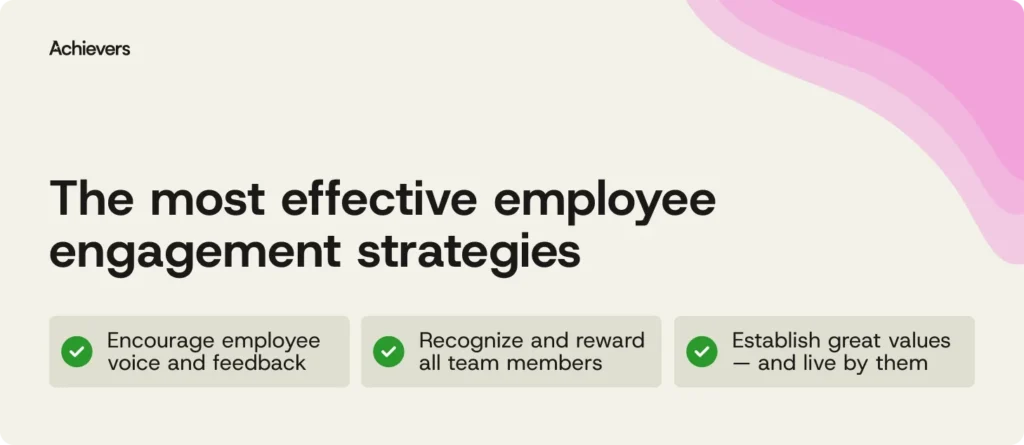
Central to fostering a culture of trust and belonging is the active encouragement and, more critically, the active response to employee voice. Implementing regular engagement surveys and providing always-on feedback channels ensures that employees feel genuinely heard. Beyond mere collection, the true impact lies in acting upon these insights. Advanced analytical tools, such as heat maps, can swiftly identify patterns and pinpoint areas requiring support. However, technology alone is insufficient; equipping managers with the necessary tools and training to interpret feedback and respond effectively is crucial. When employees observe their input directly leading to tangible organizational changes, trust is solidified, and engagement naturally flourishes. This creates a virtuous cycle where feedback drives improvement, which in turn encourages more candid feedback, fueling continuous organizational evolution.
2. Cultivating a Culture of Pervasive Recognition and Rewards
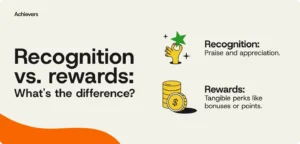
Effective recognition is characterized by its timeliness, specificity, and authenticity. It moves beyond generic praise to acknowledge specific contributions and behaviors. For example, recognizing an individual for a critical "save" during a challenging project meeting sends a powerful message. While social recognition—peer-to-peer appreciation through digital platforms—significantly boosts morale, integrating point-based rewards can add an extra layer of motivation. The democratized access to recognition tools, allowing any team member to acknowledge another at any time, whether through a simple emoji or reward points, is key. When recognition is seamless, frequent, and intrinsically linked to core values and performance drivers, it incentivizes behaviors that propel organizational success. This proactive dissemination of appreciation reinforces positive actions and strengthens team cohesion.
3. Activating and Embodying Core Company Values
Company values must transcend mere statements on an "About Us" page; they must serve as living principles that guide daily operations, leadership behaviors, and interpersonal support. Values should be clear, relevant, and authentically reflect the organizational culture, steering clear of vague corporate jargon. Their power is amplified when leadership consistently models these values, and employees are recognized for embodying them. This means actively celebrating individuals who exemplify the company’s ethos and integrating these values into everyday conversations and decision-making processes. When values genuinely drive action rather than eliciting cynicism, they profoundly shape culture and instill a sense of pride and purpose among employees.
4. Prioritizing and Integrating Diversity, Equity, and Inclusion (DEI)
A truly inclusive environment, where individuals feel respected, safe, and genuinely valued for their unique perspectives, is a fertile ground for innovation and optimal performance. The journey begins with rigorously measuring DEI efforts to identify and address existing gaps. Intentional hiring practices, active promotion of inclusivity, and the creation of safe spaces for open dialogue are foundational steps. Crucially, fostering psychological safety is paramount, ensuring that employees feel accepted for their authentic selves, not solely for their professional output. Building a culture that celebrates differences, amplifies diverse voices, and empowers every individual to contribute their full, brilliant self is not just an ethical imperative but a strategic advantage. Research consistently shows that diverse teams are more innovative and perform better financially.
5. Designing and Delivering Meaningful Employee Incentives
Even the most intrinsically motivated teams benefit from periodic external motivators. Effective incentives move beyond generic perks to offer meaningful, personalized motivators. These might range from a dedicated learning stipend, a unique travel experience, or a simple, well-communicated shout-out accompanied by reward points. The most impactful incentives demonstrate that the organization understands and values what its team members truly cherish. Proactive engagement through surveys to ascertain employee preferences is invaluable in tailoring incentive programs. When incentives are thoughtful and customized rather than one-size-fits-all, they cultivate a culture where employees feel deeply appreciated, re-energized, and consistently motivated to deliver their best work.
6. Championing Comprehensive Employee Wellness Initiatives
Employee wellness is no longer a fringe benefit but a strategic imperative. A healthy workforce is inherently stronger, sharper, and more motivated. foundational elements include robust support for mental health, encouragement of physical activity, and proactive strategies to combat burnout. Enhancing these with wellness challenges, educational sessions, and rewards tied to healthy habits can further boost participation. Integrating wellness tracking directly into a recognition platform, where employees earn points for achieving personal wellness goals, creates a synergistic effect where self-care directly contributes to engagement. The outcome is a workforce that not only feels good but consistently performs at its peak.
7. Fostering Continuous Employee Development and Growth
Employee retention is intrinsically linked to growth opportunities. Individuals thrive when they perceive a clear future within their organization, which necessitates defined career paths, fresh challenges, and unwavering support. Offering cross-training opportunities, sponsoring participation in industry events, and embedding upskilling into the core culture sends a powerful message: the company invests in its employees’ long-term growth, not just their immediate output. When employees recognize this commitment to their development, they reciprocate with increased energy, creativity, and loyalty. This cultivates a workplace where careers are not just jobs but opportunities to take root and flourish.
8. Equipping Leaders with Engagement-Focused Training
Effective engagement originates from the top. While not every manager instinctively possesses the skills to foster engagement, targeted training can bridge this gap. Leadership development programs should educate managers on how consistent recognition, real-time feedback, and clear communication directly fuel performance and retention. Equipping them with tools for active listening, empathetic leadership, and responsive action transforms engagement from an HR function into an everyday leadership skill. When managers embody these practices, their teams naturally follow suit, reinforcing the notion that the most impactful engagement strategy often resides in the quality of leadership. A 2022 survey by Forbes indicated that employees with supportive managers were significantly more engaged and less likely to seek new opportunities.
9. Optimizing the Employee Onboarding Experience

First impressions carry significant weight, particularly in the context of employee engagement. Onboarding transcends administrative tasks; it represents a critical opportunity to connect new hires with the company’s culture, values, and their individual purpose. A meticulously designed onboarding experience builds crucial early momentum, welcoming new talent, providing essential information, and igniting enthusiasm for their contributions. Facilitating introductions, providing comprehensive context, and encouraging early collaboration helps new hires integrate swiftly and feel like valued members of the team. A strong start correlates directly with higher long-term retention and faster assimilation into productive roles.
10. Implementing Transparent and Bidirectional Communication Channels
Effective communication extends beyond simply conveying information; it involves ensuring employees feel informed, aligned, and integral to a larger purpose. When teams grasp the ‘why’ behind strategic decisions and daily tasks, their engagement deepens considerably. This necessitates maintaining open, honest, and two-way communication channels, including regular updates, dedicated forums for questions, and leaders who actively listen. Clarity dispels confusion, while transparency builds foundational trust. Employees who understand their organization’s direction and their role within it are significantly more likely to commit their full efforts.
11. Leveraging Strategic Employee Surveys for Insight
To truly understand the sentiment of the workforce, organizations must commit to asking employees directly, frequently, and efficiently. Pulse surveys, functioning as quick check-ins, are invaluable for detecting nascent issues before they escalate. However, merely collecting data is insufficient. The critical element is demonstrating action tied to feedback, which progressively builds trust and enhances engagement. Surveys should be streamlined, regular, and most importantly, followed by visible closure of the feedback loop. The assurance of "we heard you" gains profound meaning when accompanied by tangible follow-up actions and demonstrable improvements.
12. Actively Encouraging Workplace Connections and Community
Robust workplace connections contribute significantly more than just a pleasant office atmosphere; they are powerful catalysts for engagement, collaboration, and loyalty. Whether through structured buddy systems, informal social events like trivia nights, or simply creating opportunities for genuine conversation, the objective is to cultivate a strong sense of belonging. When employees form meaningful relationships with their colleagues, they are more inclined to share ideas, offer support, and remain with the organization long-term. Initiatives such as inter-departmental mixers, mentorship programs, or scheduled coffee chats foster these vital connections, leading to synergistic outcomes.
13. Defining Clear, Measurable Goals and Objectives
Clear goals function as an organizational GPS, providing direction and purpose for the team. Without well-defined objectives, even the most talented individuals can lose focus and motivation. Establishing meaningful, realistic targets directly aligned with overarching company outcomes, coupled with regular check-ins, is essential. When employees understand what success entails and feel supported in their pursuit of it, their motivation to excel dramatically increases. Furthermore, celebrating progress towards these goals, not just their ultimate achievement, amplifies their impact, reinforcing effort and commitment. Implementing frameworks like OKRs (Objectives and Key Results) can provide a structured approach to goal setting and tracking.
14. Offering Competitive Compensation and Comprehensive Benefits
While intrinsic motivation is crucial, the foundational elements of fair compensation and robust benefits remain paramount. Competitive remuneration communicates to employees that their contributions are seen and valued. Augmenting this with comprehensive benefits packages, including healthcare, flexible work arrangements, and wellness support, demonstrates a holistic concern for employees as individuals, not merely as producers. This approach is not solely about talent retention; it is a fundamental driver of trust, sustained motivation, and the ability to attract top-tier talent committed to long-term engagement. Respecting and adequately rewarding work is a cornerstone of a healthy employer-employee relationship.
15. Cultivating a Purposeful and Positive Workplace Culture
Company culture is not defined by policy documents but by the lived experience of employees day-to-day. When employees are genuinely proud of their organizational culture, they arrive more energized, collaborative, and committed. Building an environment where individuals feel safe, seen, and celebrated is fundamental. This involves actively promoting openness, mutual support, shared values, and, critically, consistently recognizing exceptional work. A thriving culture empowers its people to thrive, and when individuals flourish, the organization experiences a transformative "magic" that transcends mere operational efficiency. A strong culture is the sum total of all these engagement strategies, creating an environment where employees feel a deep sense of purpose and belonging.
Strategic Implementation and Leadership’s Role
Implementing these 15 strategies requires a coherent, integrated approach, rather than treating them as isolated initiatives. They are interconnected pillars that collectively support a robust engagement framework. Leadership plays a pivotal role, not just in endorsing these strategies, but in actively championing and embodying them. Executive commitment signals to the entire organization that employee well-being and engagement are strategic priorities, deserving of sustained investment and attention. HR departments often spearhead these efforts, but their success hinges on widespread organizational adoption and accountability across all levels of management.
Measuring Success and Continuous Improvement
The effectiveness of employee engagement strategies must be continuously measured and evaluated. Utilizing engagement platforms that provide real-time data and analytics allows organizations to track progress, identify areas for improvement, and demonstrate return on investment. Metrics such as eNPS (employee Net Promoter Score), turnover rates, absenteeism, productivity, and feedback response rates offer valuable insights. This data-driven approach enables organizations to refine their strategies, adapt to evolving employee needs, and ensure that engagement initiatives remain relevant and impactful. Engagement is not a one-time project but an ongoing journey of listening, adapting, and investing in the human capital that drives organizational success.
Broader Impact and Future Outlook
The long-term implications of robust employee engagement extend far beyond internal metrics. An engaged workforce contributes to a stronger employer brand, attracting future talent and enhancing market reputation. It fosters a resilient organization capable of navigating change, innovating in competitive landscapes, and consistently delivering exceptional value to customers. In an era where human capital is arguably the most critical asset, mastering employee engagement is not merely about improving employee satisfaction; it is about building a sustainable, high-performing, and future-ready enterprise. The shift towards intentional, holistic engagement reflects a deeper understanding that organizational success is inextricably linked to the well-being and fulfillment of its people.
Start Boosting Engagement Today
Navigating the complexities of workforce engagement does not need to be an insurmountable challenge. Platforms like Achievers offer comprehensive tools and insightful analytics designed to help organizations understand the nuanced needs of their people and implement actions that genuinely move the needle. From continuous feedback mechanisms and pulse surveys to timely and meaningful recognition programs, such solutions empower companies to cultivate a culture where employees feel heard, valued, and intrinsically motivated to remain and contribute. By shaping the workforce with intention and strategic investment, organizations unlock profound benefits, initiating a ripple effect of positive outcomes that begin immediately and resonate throughout the enterprise.