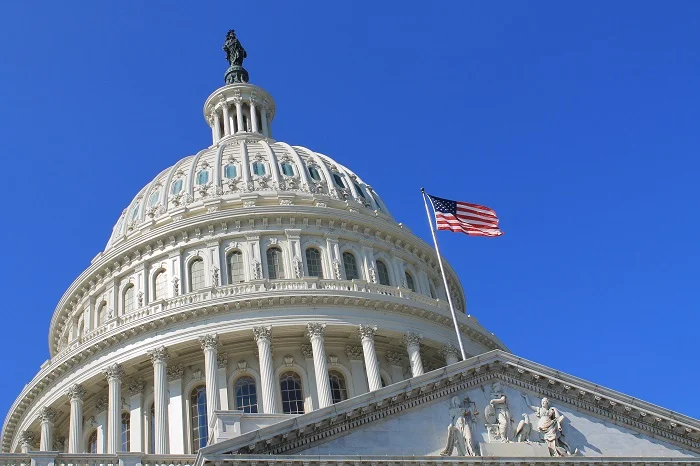
The U.S. Senate Committee on Health, Education, Labor, and Pensions (HELP) has taken a significant step towards confirming Keith Sonderling as the next Secretary of the Department of Labor (DOL). In a closely divided vote of 12-11 on Thursday, the committee advanced Sonderling’s nomination, setting the stage for a full Senate vote that is widely expected to secure his confirmation. This pivotal decision follows a comprehensive committee hearing earlier this month where Sonderling faced rigorous questioning on several high-stakes human resources policy areas, most notably independent contractor classification and overtime regulations. These issues have been central to policy shifts under the Trump administration, which have notably diverged from previous Biden-era approaches.
Key Policy Areas Under Scrutiny
During his confirmation hearing, Sonderling was pressed by committee members on his stance and the Department of Labor’s direction regarding independent contractor rules and overtime regulations. These are not merely bureaucratic distinctions but profoundly impact the livelihoods of millions of American workers and the operational structures of countless businesses. The classification of a worker as an "employee" versus an "independent contractor" has far-reaching implications for benefits, tax obligations, labor protections, and the overall cost of doing business. The Trump administration’s approach has sought to provide greater flexibility for businesses, often by reclassifying workers who previously might have been considered employees, a move that has drawn both praise for fostering innovation and criticism for potentially eroding worker protections.
Similarly, overtime rules, which dictate when and how employees must be compensated for working beyond a standard workweek, are crucial for maintaining fair labor practices and preventing worker exploitation. The DOL’s authority in setting and enforcing these regulations directly influences wage levels and work-life balance for a substantial portion of the American workforce. Sonderling’s testimony indicated a commitment to navigating these complex issues with a focus on both business needs and worker well-being, though the specific contours of this balance remain a subject of intense interest and debate.
Sonderling’s Vision for an AI-Driven Workforce
Beyond traditional labor issues, a significant portion of the committee’s focus was directed towards Sonderling’s perspective on the burgeoning influence of Artificial Intelligence (AI) on the American workforce. His past advocacy for federal AI curriculum development and his instrumental role in the creation of the AI Literacy Framework and text-based AI training for American workers underscore a proactive approach to preparing the nation for an AI-integrated future.
Sonderling has articulated a vision for the Department of Labor to transition from a purely compliance-focused entity to one that actively collaborates with organizations to foster success within the evolving AI economy. In an interview with HR Executive at last year’s HR Tech conference, he emphasized this shift. "What we’re starting to see is less focus on what these products can potentially do wrong versus how do we now compete on the global stage—not only for talent, but how can we start using AI to really help skill our workforce and also the next generation of workers," Sonderling stated. He further elaborated on the administration’s focus: "That’s what we’re focused on in the Trump administration and the DOL: how to get these baseline skills to workers, students, everyone involved so they can actually use the programs and we can see programs continue to be developed and purchased by corporations to really make workers more productive and businesses thrive in this new economy."
This perspective suggests a departure from a reactive stance on technological disruption towards a more strategic, forward-looking engagement. The development of AI literacy and training programs signals an understanding that the future of work will necessitate new skill sets and a workforce capable of adapting to and leveraging AI technologies.
Background and Career Trajectory
Keith Sonderling has been serving as the acting head of the Department of Labor since the spring, following the departure of former Secretary Lori Chavez-DeRemer. His nomination to officially lead the department marks the culmination of a distinguished career in public service. Prior to his tenure as acting Secretary, Sonderling served as the Deputy Secretary of Labor, a role that provided him with deep insights into the department’s operations and strategic priorities. His experience also includes service on the U.S. Equal Employment Opportunity Commission (EEOC), where he played a role in shaping policies related to workplace discrimination and equal opportunity. This diverse background, spanning regulatory enforcement, policy development, and departmental leadership, positions him to lead the DOL during a period of significant economic and technological transformation.
The Confirmation Process: A Look Ahead
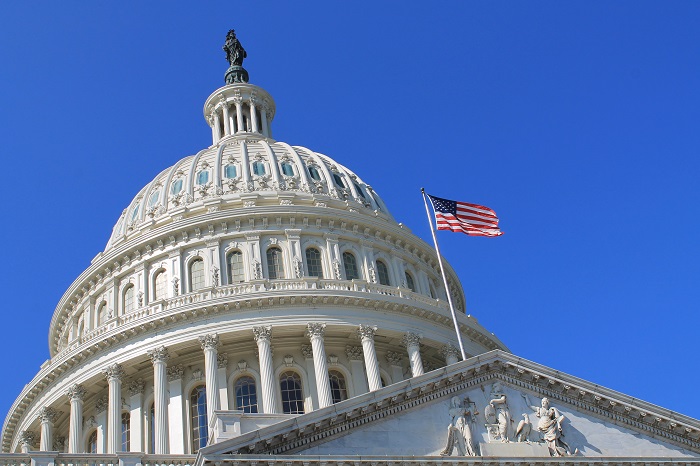
The HELP Committee’s vote, though narrow, signifies a crucial hurdle cleared for Sonderling’s confirmation. The committee’s recommendation will now be forwarded to the full Senate for consideration. Historically, nominations that advance from committee often proceed to a floor vote, and barring unforeseen circumstances, Sonderling’s confirmation as Secretary of Labor appears likely.
The party-line nature of the vote, however, underscores the partisan divisions that often characterize major appointments in Washington. This reflects broader debates surrounding labor policy, economic regulation, and the role of government in shaping the future of work. As the Senate prepares for a full vote, stakeholders across various industries, labor organizations, and worker advocacy groups will be closely observing the proceedings.
Supporting Data and Economic Context
The Department of Labor plays a critical role in the U.S. economy, overseeing a vast array of programs and regulations designed to promote the welfare of wage earners, job seekers, and retirees. Its purview includes unemployment insurance, job training, workplace safety and health, minimum wage and overtime laws, and the enforcement of anti-discrimination statutes.
Key Statistics and Trends Relevant to DOL’s Mission:
- Labor Force Participation: As of the latest available data, the U.S. labor force participation rate hovers around 62.5%, a figure influenced by demographic shifts, economic conditions, and evolving work patterns. Sonderling’s leadership will undoubtedly impact initiatives aimed at increasing participation and supporting workers’ re-entry into the workforce.
- Wage Growth and Inflation: While wage growth has shown some positive momentum, it has often been juxtaposed against periods of elevated inflation, impacting the real purchasing power of American workers. Policies related to minimum wage and overtime directly address these concerns.
- Independent Contractor Landscape: The growth of the gig economy has amplified the debate around independent contractor classification. Estimates suggest that millions of Americans operate as independent contractors, highlighting the significance of clear and fair regulations in this sector. For instance, a 2020 report by Upwork estimated that 59 million Americans had participated in freelance work in the preceding 12 months.
- AI Adoption in the Workplace: The rapid integration of AI across industries presents both opportunities and challenges. A 2023 report by McKinsey Global Institute projected that AI could automate work activities that currently occupy 60 to 70 percent of employees’ time. This necessitates a proactive approach to upskilling and reskilling the workforce.
Broader Impact and Implications
Keith Sonderling’s potential confirmation as Secretary of Labor carries significant implications for the future of work in America. His focus on AI fluency and workforce development suggests a commitment to equipping American workers with the skills needed to thrive in an increasingly automated and technologically advanced economy. This approach, emphasizing proactive adaptation rather than reactive regulation, could shape how the U.S. competes globally and ensures its workforce remains resilient.
The administration’s policy directions on independent contractors and overtime will also continue to be closely watched. Any shifts in these areas could have profound economic consequences, affecting business costs, worker benefits, and the overall structure of employment relationships. The balance struck between fostering business flexibility and ensuring robust worker protections will be a defining characteristic of Sonderling’s leadership.
Furthermore, Sonderling’s background on the EEOC suggests a continued emphasis on equal employment opportunity and the prevention of workplace discrimination. His tenure at the helm of the DOL will likely involve navigating complex legal and ethical challenges related to diversity, equity, and inclusion in the workplace.
As the Senate prepares for the final vote, the confirmation of Keith Sonderling represents more than just a personnel change; it signifies a potential direction for labor policy in the United States, particularly in navigating the transformative forces of artificial intelligence and the evolving nature of work. His ability to address these multifaceted challenges will be critical in shaping a future where American workers and businesses can prosper.