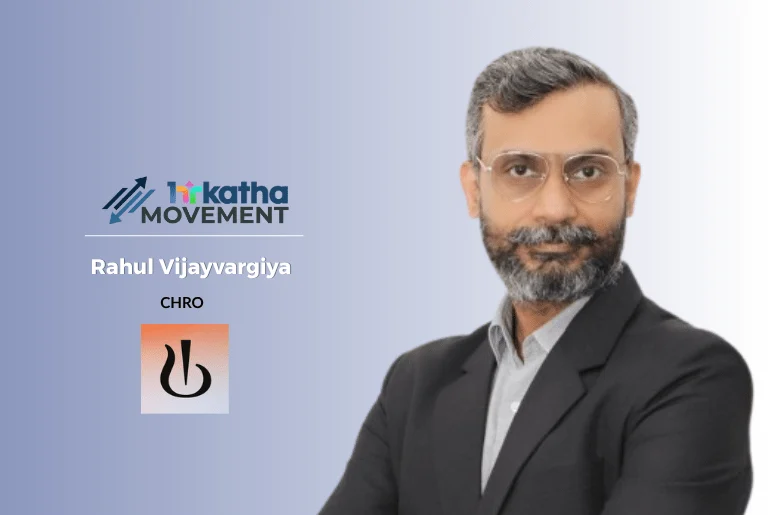
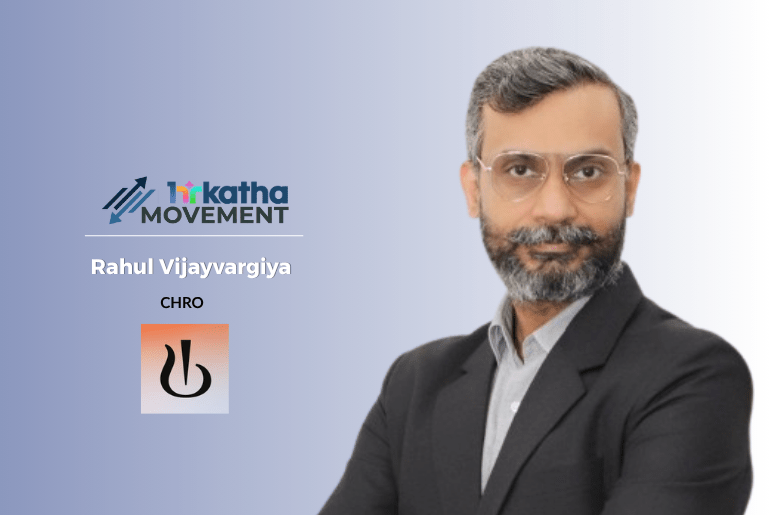
Novartis India has formally announced the appointment of Rahul Vijayvargiya as its new Chief Human Resources Officer (CHRO), with his tenure set to commence in July 2026. Based in Mumbai, Vijayvargiya will assume a pivotal role in shaping the pharmaceutical giant’s human capital strategy, focusing on critical areas such as strengthening employee experience, developing a robust leadership pipeline, and cultivating a future-ready organizational culture to support the company’s ambitious growth trajectory within India’s dynamic healthcare sector. This strategic appointment underscores Novartis India’s commitment to prioritizing its people strategy as a cornerstone of its continued success and market leadership.
The Strategic Imperative at Novartis India
Novartis India operates within one of the world’s fastest-growing pharmaceutical markets, characterized by rapid innovation, intense competition, and a complex regulatory environment. As a key player in this landscape, Novartis India consistently navigates the dual demands of delivering cutting-edge therapies and fostering sustainable business growth. The Indian pharmaceutical market, valued at approximately $42 billion in 2023 and projected to reach $65 billion by 2028, is driven by factors such as a large and aging population, increasing healthcare expenditure, growing prevalence of lifestyle diseases, and a burgeoning middle class with improved access to healthcare services. For a multinational corporation like Novartis, attracting, developing, and retaining top-tier talent is paramount to maintaining its competitive edge and achieving its strategic objectives, particularly in specialized areas like research and development, clinical trials, advanced manufacturing, and ethical marketing.
In this context, the role of a CHRO extends far beyond traditional personnel management. It encompasses strategic workforce planning, talent acquisition in a competitive market, fostering a culture of innovation and high performance, ensuring robust succession planning for key leadership roles, and navigating the complexities of employee engagement and well-being in a post-pandemic world. Novartis India, like many global pharmaceutical companies, is also undergoing significant digital transformation, which requires a workforce capable of adapting to new technologies, data analytics, and agile methodologies. Vijayvargiya’s mandate to focus on employee experience, leadership pipeline, and culture directly addresses these contemporary challenges, aiming to create an environment where employees are engaged, empowered, and equipped to drive the company’s mission of reimagining medicine. A strong, adaptive organizational culture is crucial for fostering innovation, collaboration, and ethical conduct, all of which are non-negotiable for a leading pharmaceutical entity.
A Career Defined by Diverse Leadership: Rahul Vijayvargiya’s Professional Journey
Rahul Vijayvargiya brings to Novartis India a rich tapestry of over two decades of experience, meticulously cultivated across diverse sectors including pharmaceuticals, retail, and human resources consulting. His career trajectory showcases a consistent ascent in HR leadership roles, marked by a deep understanding of talent management, organizational development, and strategic HR initiatives.
Early Career and Consulting Foundation:
Vijayvargiya commenced his professional journey as a Human Resources Consultant at Ma Foi Randstad (now Randstad India) in November 2003, serving until December 2004. This foundational experience in a leading HR consulting firm provided him with invaluable insights into various industry practices, talent acquisition strategies, and the fundamental principles of human resource management across different organizational structures. Working in a consulting capacity, he would have gained exposure to diverse client needs, developing a keen ability to analyze HR challenges and propose effective solutions, laying the groundwork for his future leadership roles.
Foray into Retail & Consumer Business:
His career then transitioned into the dynamic Indian retail sector, a period that significantly broadened his understanding of large-scale workforce management, rapid expansion, and customer-centric HR.
- Shoppers Stop (December 2004 – September 2006): At one of India’s pioneering department store chains, Vijayvargiya would have been instrumental in managing HR operations for a large, diverse workforce, focusing on recruitment, training, and employee relations in a fast-paced retail environment. The retail sector demands high-volume hiring, efficient onboarding, and effective retention strategies to manage attrition, skills which would have been honed during this period.
- Future Group India (September 2006 – March 2007): A brief but impactful stint at Future Group, a conglomerate known for its aggressive expansion in the retail space, would have exposed him to the challenges of scaling HR operations rapidly, managing multiple formats, and integrating new acquisitions.
- Aditya Birla Group’s Retail Business (April 2007 – June 2011): His most significant tenure in retail was with Aditya Birla Group’s extensive retail arm, spanning four years and covering operations in Mumbai, Ahmedabad, and Pune. This role would have involved managing human resources for a large, multi-location retail footprint, dealing with diverse employee demographics, and supporting business growth through talent development and organizational design. The retail sector in India during this period was undergoing massive transformation, characterized by the emergence of organized retail, intense competition, and the need for robust talent pipelines for store operations, merchandising, and supply chain management. Vijayvargiya’s experience here would have involved strategic HR planning to support business expansion, managing employee engagement across distributed teams, and developing performance management systems tailored for a high-volume, customer-facing workforce.
Deep Dive into Pharmaceuticals:
A significant portion of Vijayvargiya’s career, and arguably his core expertise, lies within the highly specialized pharmaceutical sector.
- Pfizer (July 2011 – December 2013): His entry into the pharmaceutical industry began with Pfizer, a global pharmaceutical giant. This experience would have provided him with an understanding of HR functions within a highly regulated industry, dealing with specialized scientific talent, complex salesforce structures, and global HR frameworks. Managing HR in a company like Pfizer involves strict adherence to compliance, ethical standards, and supporting research and development teams, which operate on long cycles and require specific talent profiles.
- Glenmark Pharmaceuticals (December 2013 – June 2021): Vijayvargiya spent a substantial seven years at Glenmark Pharmaceuticals, a leading Indian pharmaceutical company with a significant presence in both branded and generic markets, as well as R&D. This extended tenure would have seen him contribute significantly to Glenmark’s HR strategy during a period of growth and expansion. His responsibilities would likely have encompassed talent management for R&D scientists, manufacturing plant personnel, a vast sales and marketing force, and potentially global HR operations as Glenmark expanded its international footprint. The pharmaceutical industry faces unique HR challenges, including attracting and retaining highly specialized scientific talent, managing a performance-driven salesforce, navigating complex regulatory landscapes, and fostering a culture of compliance and innovation. His extensive experience here would have solidified his expertise in these nuanced areas.
Leadership at Reliance Retail’s Pharma Business:
- Head of HR (June 2021 – May 2024): Immediately before his most recent role, Vijayvargiya led HR for Reliance Retail’s nascent pharmaceutical business for three years. This role would have presented a unique challenge: building an HR function from the ground up within a rapidly expanding conglomerate, focusing on scale-up, integration of new acquisitions (such as Netmeds), and supporting a digital-first approach to healthcare and pharmacy. This period would have demanded strong strategic thinking, agility, and the ability to attract and integrate diverse talent pools to support a new venture within a dynamic market.
Head of HR at Alkem Laboratories:
- Head of HR (June 2024 – June 2026): His most recent role, prior to joining Novartis India, was as the Head of HR at Alkem Laboratories, a prominent Indian pharmaceutical company. In this capacity, he managed the full spectrum of people operations. This experience would have further consolidated his leadership capabilities, allowing him to oversee comprehensive HR strategies for an established Indian pharma player, focusing on operational excellence, talent development, and employee engagement across various business units.
Across these diverse roles, Rahul Vijayvargiya has consistently demonstrated a strong acumen in talent management, organizational development, and the implementation of strategic HR initiatives that align with business objectives. His exposure to both the intricacies of large-scale retail operations and the highly specialized demands of the pharmaceutical industry provides him with a unique, holistic perspective on human capital management.
The Evolving Landscape of Human Resources in India
The appointment of a seasoned CHRO like Rahul Vijayvargiya comes at a critical juncture when the role of HR is undergoing profound transformation globally, and particularly in India. The Indian talent market is characterized by several key trends that influence HR strategy:
- Talent Scarcity and Skill Gaps: Despite a large workforce, specialized skills, particularly in areas like advanced R&D, digital technologies, data science, and niche manufacturing processes, remain scarce. This necessitates robust talent acquisition strategies, aggressive upskilling, and reskilling programs. For pharmaceutical companies, attracting and retaining top scientific and medical talent is a continuous challenge.
- Digital Transformation in HR: The adoption of HR technology, analytics, artificial intelligence, and machine learning is revolutionizing HR functions. From AI-powered recruitment platforms to predictive analytics for attrition and advanced HRIS systems, digital tools are enhancing efficiency, improving employee experience, and providing data-driven insights for strategic decision-making.
- Employee Well-being and Experience (EX): Post-pandemic, there is an increased emphasis on holistic employee well-being, encompassing mental health, physical health, and financial wellness. Companies are investing more in creating a positive and supportive employee experience, understanding that it directly correlates with productivity, engagement, and retention. Flexible work models, empathetic leadership, and inclusive policies are becoming standard expectations.
- Diversity, Equity, and Inclusion (DE&I): DE&I initiatives are gaining significant traction in corporate India. Organizations are increasingly recognizing the business imperative of fostering diverse workforces and inclusive cultures, leading to enhanced innovation, better decision-making, and improved employer branding.
- Leadership Development and Succession Planning: With rapid changes in business environments, developing agile, resilient, and visionary leaders is crucial. Robust leadership development programs and clear succession planning are vital for ensuring business continuity and sustainable growth.
- Gig Economy and Contingent Workforce: The rise of the gig economy and the increasing reliance on contingent workers require HR functions to adapt their policies, engagement strategies, and legal frameworks to manage a hybrid workforce effectively.
Vijayvargiya’s stated focus areas at Novartis India—strengthening employee experience, building a robust leadership pipeline, and cultivating a positive culture—directly align with these contemporary HR trends. His vast experience across diverse industries positions him well to integrate these elements into a cohesive and forward-thinking HR strategy for Novartis India.
Implications for Novartis India and the Broader Industry
Rahul Vijayvargiya’s appointment is expected to have several key implications for Novartis India and could set a benchmark for strategic HR leadership within the Indian pharmaceutical industry:
- Enhanced Employee Experience: By prioritizing employee experience, Novartis India is likely to see investments in areas such as digital HR platforms, personalized learning and development pathways, comprehensive well-being programs, and more flexible work arrangements. This could lead to higher employee engagement, reduced attrition, and a stronger employer brand, crucial for attracting top talent in a competitive market.
- Robust Leadership Pipeline: The focus on a leadership pipeline indicates a proactive approach to succession planning and talent development. This will likely involve rigorous talent identification, mentorship programs, leadership academies, and cross-functional exposure for high-potential employees. A strong internal leadership bench ensures organizational stability and prepares the company for future challenges and opportunities.
- Future-Ready Culture: Cultivating an adaptive and innovative culture is vital for a pharmaceutical company. This could translate into initiatives promoting psychological safety, encouraging experimentation, fostering cross-collaboration between different functions (e.g., R&D, manufacturing, commercial), and embedding ethical decision-making into the organizational DNA. A strong culture can be a significant differentiator in attracting and retaining talent, particularly among younger generations who prioritize purpose-driven work environments.
- Strategic Alignment with Business Goals: Given Vijayvargiya’s extensive background, his HR strategies are expected to be deeply integrated with Novartis India’s overall business objectives. This means HR will act as a strategic partner, contributing directly to market expansion, product launches, operational efficiency, and innovation by ensuring the right talent is in the right place at the right time.
- Industry Benchmark: As a prominent appointment in a leading pharmaceutical company, this move could signal a broader industry trend towards elevating the strategic importance of the CHRO role. Other companies in the sector might follow suit, placing greater emphasis on comprehensive human capital strategies to navigate the evolving talent landscape.
In conclusion, the appointment of Rahul Vijayvargiya as CHRO marks a significant strategic move for Novartis India. His extensive and diverse experience, particularly within the pharmaceutical and rapidly evolving retail sectors, positions him uniquely to address the complex human capital challenges and opportunities facing a global healthcare leader in the Indian market. By focusing on employee experience, leadership development, and cultural transformation, Vijayvargiya is poised to play a crucial role in strengthening Novartis India’s organizational capabilities and ensuring its continued growth and success in the dynamic and competitive healthcare landscape.