In every professional ecosystem, there exists a cohort of individuals whose contributions, while often understated, are undeniably foundational to collective success. These are not always the most vocal in brainstorming sessions, nor necessarily those whose resumes boast the most glittering achievements or the swiftest ascent through corporate ranks. Yet, their presence is synonymous with efficiency, reliability, and a palpable sense of ease within their teams. Managers instinctively trust them; colleagues depend on them, confident that tasks will be executed with precision and foresight. The defining characteristics of these indispensable employees rarely stem from a singular, dramatic breakthrough. Instead, they are forged through a consistent accumulation of small, deliberate behaviors that, over time, coalesce into a formidable professional reputation. Insights from leading HR professionals shed light on these often-overlooked habits, revealing them as critical differentiators in today’s dynamic work environment.
The Evolving Definition of an Exceptional Employee in the Modern Workplace
The traditional markers of an exceptional employee have undergone significant transformation in recent decades. Historically, technical proficiency, specialized knowledge, and individual output were paramount. While these remain crucial, the rapid pace of technological advancement, the increasing complexity of global business operations, and the pervasive shift towards collaborative, agile team structures have necessitated a broader understanding of what truly constitutes workplace excellence. The advent of artificial intelligence, automation, and distributed work models further underscores the need for distinctly human attributes – adaptability, emotional intelligence, and proactive engagement – as central pillars of professional value.
The transition from a command-and-control management style to more empowering, trust-based leadership has amplified the importance of intrinsic qualities. Employees are no longer merely cogs in a machine but active contributors to strategy, culture, and innovation. This evolution is not a sudden shift but a gradual realization, particularly accelerated over the last decade, that while hard skills can be taught and refined, certain soft skills or "power skills" are inherently harder to cultivate yet yield disproportionately high returns. A 2023 report by LinkedIn Learning, for instance, highlighted that skills like problem-solving, analytical thinking, and communication consistently rank among the most in-demand by employers, often eclipsing purely technical competencies. This trend signals a broader recognition that an employee’s ability to navigate complex interpersonal dynamics, anticipate challenges, and contribute positively to the collective spirit is as valuable as their direct task execution.
The Power of Proactive Curiosity: Fueling Adaptability and Innovation
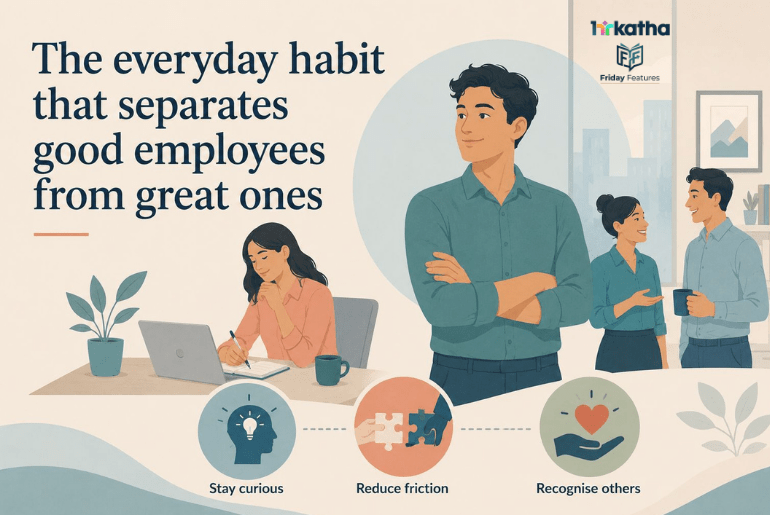
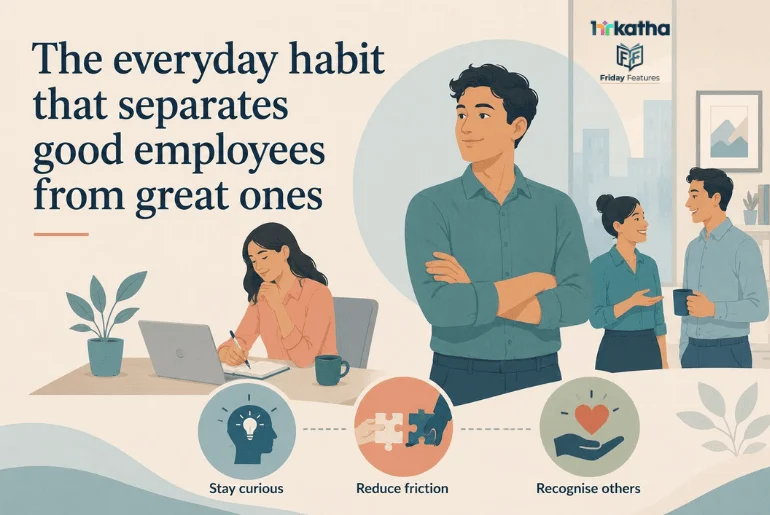
Amit Chincholikar, Group President HR at Hinduja Group, posits that the cornerstone habit for exceptional employees is an insatiable curiosity, critically paired with the readiness to act on it without requiring explicit permission. This isn’t merely about asking questions but about a deep-seated drive to understand the ‘why’ behind every ‘what.’ Good employees diligently complete their assigned tasks. Exceptional ones, however, delve deeper, seeking to comprehend the broader strategic relevance of their work, its interconnections within the larger organizational framework, and the knowledge gaps that may still exist.
This proactive pursuit of understanding extends beyond immediate job requirements. It manifests as independently researching subjects encountered in meetings, engaging with colleagues from diverse functions to gain varied perspectives on shared challenges, and actively seeking solutions before problems even fully materialize. For example, an employee might notice a recurring issue in a cross-departmental workflow and, instead of waiting for a directive, independently initiate conversations with affected teams to diagnose the root cause and propose improvements. This investigative mindset transforms employees from mere task executors into strategic partners.
In an era where skills obsolescence is a constant threat—with the World Economic Forum predicting that over half of all employees will require significant reskilling or upskilling by 2027—curiosity transcends being merely a desirable trait to become a vital survival skill. Employees who consistently nurture their intellectual curiosity are perpetually evolving, staying abreast of industry shifts, technological advancements, and emerging best practices. Conversely, those who rely solely on past experience risk stagnation, finding their expertise diminishing in value as the landscape rapidly changes. A study by Korn Ferry revealed that organizations with highly curious employees are 30% more innovative and 20% more productive. Furthermore, a Deloitte report emphasized that learning agility, a direct outcome of curiosity, is a key predictor of leadership potential and career success in the digital age. This continuous learning, driven by an intrinsic inquisitive nature, ensures that individuals and, by extension, their organizations remain agile and competitive. Curiosity, Chincholikar emphasizes, is not an innate talent possessed by a select few, but a cultivated habit—a conscious choice to peel back one more layer of understanding than the job description explicitly demands.
Eliminating Friction: The Unsung Heroes of Operational Excellence
Jaikrishna B, an Enterprise and Family Business Advisor and Leadership Coach, offers a surprisingly straightforward yet profoundly impactful insight into what makes certain employees truly indispensable: their ability to make everyone else’s work easier. He argues that the individuals organizations struggle most to replace are not necessarily those with the highest IQs or the most groundbreaking ideas, but rather those who consistently remove obstacles and streamline daily operations.
This habit manifests in a myriad of small, seemingly mundane actions that collectively create an environment of seamless workflow and heightened trust. These employees are the ones who respond to inquiries before reminders become necessary, proactively share crucial information before it is requested, and notice impending deadlines, offering assistance before potential issues escalate. They consistently circulate meeting notes promptly, facilitate connections between colleagues who stand to benefit from mutual interaction, and anticipate future needs, often resolving minor issues before they ever become visible problems to others. For example, a project manager might notice a potential bottleneck in a team’s workflow and, without being asked, suggest a tool or process adjustment that alleviates the pressure, preventing delays.

None of these actions typically command significant attention or feature prominently in formal performance reviews. They are often quiet acts of service and foresight. However, their cumulative effect is the cultivation of a priceless organizational asset: trust. When team members cease to worry about whether a task will be completed, or whether essential information will be available, because they implicitly trust the responsible individual, a significant competitive advantage has been forged. Research by Gallup indicates that highly engaged teams, often characterized by strong internal trust and collaboration, show 21% greater profitability. Furthermore, a study by Salesforce found that 86% of employees and executives cite lack of collaboration or ineffective communication as the cause for workplace failures. Employees who consistently reduce friction directly address these challenges, fostering an environment where collaboration thrives. This quiet dependability, built brick by brick through consistent reliability and proactive problem-solving, is what transforms a competent employee into an invaluable asset no organization wishes to lose.
The Leadership in Acknowledgment: Cultivating a Culture of Appreciation
Pradyumna Pandey, a Senior HR Leader and CEO of Promedieexcel Learning, highlights a habit so fundamental yet frequently overlooked: the genuine recognition of others’ contributions. Most organizations are adept at celebrating highly visible achievements—major project completions, significant sales targets, or successful product launches. However, they often fall short in acknowledging the individuals who quietly laid the groundwork for these successes, the unsung heroes whose efforts made the visible triumphs possible.
Exceptional employees, Pandey observes, possess a keen eye for these invisible contributions. They notice the teammate who consistently works late to solve a complex problem, the colleague whose insightful suggestion significantly improved a project but never sought personal credit, or the individual who consistently streamlines processes, making everyone else’s job easier without drawing attention to themselves. Their recognition isn’t just a generic "good job"; it is specific, timely, and authentic. For instance, instead of a general commendation, they might say, "Sarah, your dedication last week to debugging that system was crucial; it saved us days of potential delay and allowed us to hit our client deadline."
A sincere word of appreciation, though taking mere seconds to articulate, yields effects that reverberate far longer. It significantly strengthens professional relationships, elevates morale, and generates goodwill that no formal engagement initiative or sophisticated reward program can replicate. A study by Bersin by Deloitte found that organizations with robust recognition programs have 31% lower voluntary turnover. Furthermore, research by the American Psychological Association suggests that employees who feel valued are more productive, more engaged, and more likely to recommend their workplace to others. This human element of acknowledging effort directly combats the silent attrition caused by a lack of appreciation, fostering a sense of belonging and psychological safety.
More significantly, the act of consistently offering recognition reveals profound insights into the character of the person providing it. Individuals who habitually acknowledge others signal that they are observant, collaborative, and define success not merely by their own accomplishments but by the collective achievement of the team. They embody a mindset that values shared success over individual glory, a quality that, in many corporate environments, remains regrettably rarer than it should be. This habit transforms the individual offering recognition into an informal leader, fostering a more positive, supportive, and ultimately more productive work culture.

The Compounding Effect: Building Trust and Credibility
The modern workplace is replete with celebrations of significant milestones: promotions, blockbuster product launches, record-breaking sales figures, and the successful attainment of ambitious corporate objectives. While these moments are undoubtedly worthy of applause, they often overshadow the multitude of smaller, less dramatic behaviors that serve as the bedrock upon which these grand achievements are built.
Consider the cumulative impact of these subtle actions: asking one thoughtful, probing question that uncovers a critical insight; proactively addressing a minor operational glitch before it escalates into a major systemic problem for a colleague; or taking a brief moment to sincerely acknowledge a peer’s overlooked effort. Individually, each of these acts may seem inconsequential, barely registering on the corporate radar. Yet, when practiced with unwavering consistency, these small, intentional behaviors create a powerful compounding effect. They meticulously weave a fabric of trust, credibility, and robust professional relationships that are not only essential for career longevity but also for organizational resilience.
This continuous investment in what might be termed "relational capital" or "procedural goodwill" cultivates an environment where collaboration flourishes, risks are mitigated preemptively, and innovation is a natural byproduct of open communication and mutual support. Employees who consistently demonstrate these habits become pillars of their teams, often without holding formal leadership titles. Their presence alone can elevate team morale, streamline workflows, and foster a culture of proactive problem-solving. This quiet accumulation of positive interactions and reliable contributions ultimately transforms their professional standing.
Beyond Individual Habits: Organizational Implications
The insights from these HR leaders extend beyond individual career development; they offer a blueprint for organizations aiming to cultivate high-performing, resilient workforces.

- For Talent Attraction and Retention: Organizations that actively foster and reward these habits create a magnetic culture. Prospective employees are increasingly seeking workplaces where psychological safety, collaborative spirit, and continuous learning are prioritized. Employees, in turn, are more likely to remain loyal to environments where their contributions are valued, their proactivity is encouraged, and friction is minimized. High employee turnover, estimated to cost businesses billions annually in recruitment and training, can be significantly reduced by nurturing these foundational behaviors.
- For Innovation and Adaptability: A workforce characterized by curiosity is inherently more innovative and adaptable. Such employees are not just executing existing strategies but are actively looking for improvements, anticipating future challenges, and generating novel solutions. This agility is crucial for navigating rapidly changing market conditions and technological disruptions.
- For Leadership Development: These habits are not exclusive to individual contributors; they are fundamental leadership traits. Leaders who model curiosity, reduce friction for their teams, and consistently recognize others build stronger, more engaged teams. They empower their subordinates, foster a sense of ownership, and create pathways for future leaders to emerge.
- For Organizational Culture: Ultimately, these habits collectively shape the organizational culture. A culture where curiosity is celebrated, proactivity is the norm, and appreciation is freely given is one that promotes engagement, well-being, and sustained high performance. It moves beyond mere compliance to genuine commitment, where employees feel a deep connection to their work and their colleagues.
Cultivating These Habits: A Call to Action
The journey to becoming an indispensable employee, or to fostering such employees within an organization, is not about chasing dramatic, one-off achievements. It is about the consistent, deliberate practice of behaviors that, though seemingly ordinary in isolation, become extraordinary in their cumulative impact.
For individuals, it involves a conscious commitment to:
- Embrace intellectual humility: Always be willing to learn, unlearn, and relearn. Ask "why" and "how" relentlessly.
- Develop a service mindset: Look for opportunities to ease the burden on colleagues and proactively solve problems before they escalate.
- Practice active appreciation: Make it a daily habit to notice and acknowledge the efforts and contributions of others, both big and small.
For organizations and leaders, the call to action involves:
- Creating a culture of psychological safety: Where curiosity and questions are encouraged, not penalized.
- Empowering autonomy: Giving employees the space to act on their proactive instincts without excessive bureaucratic hurdles.
- Institutionalizing recognition: Moving beyond annual awards to integrate genuine, timely appreciation into daily operations and leadership practices.
- Investing in continuous learning: Providing resources and opportunities for employees to satisfy their curiosity and develop new skills.
Conclusion: The Enduring Value of the Intangible
In the complex tapestry of professional life, workplaces tend to laud the visible, the measurable, and the overtly impactful. Yet, the true architects of sustained success, the quiet pillars of organizational strength, are often those who master the art of the subtle, the consistent, and the inherently human. The employees who ascend to the ranks of the truly exceptional rarely do so by relying on raw talent alone. Instead, they are the diligent practitioners of habits so commonplace, so seemingly unremarkable, that they often go unnoticed individually. Until, one day, the profound positive impact of their cumulative actions becomes undeniable, and everyone realizes the indispensable value of the person behind them. These are the habits that define not just a successful career, but a thriving, resilient, and human-centric workplace.