The landscape of work has fundamentally shifted, moving far beyond the mere physical location of employees. The current challenge for organizations lies not in where work is done, but in whether companies possess the robust systems, refined processes, and unwavering operational discipline necessary to effectively support teams that may never physically convene in a shared office space. This critical juncture in the evolution of the workplace was the central theme of a recent episode of the Allwork.Space Future of Work Podcast, featuring insights from Darren Murph, a renowned expert in distributed work, founder of Page 52 Consulting, and former leader of workplace strategy at GitLab. Murph, instrumental in architecting GitLab’s pioneering operating model for its fully distributed workforce, has established himself as a leading authority on remote organizational design.
The in-depth conversation delved into the essential elements that underpin successful distributed companies: the necessity of intentional systems, the paramount importance of comprehensive knowledge management, and the adoption of novel collaborative approaches as artificial intelligence (AI) becomes increasingly interwoven into the fabric of daily professional life. This discussion arrives at a pivotal moment, as organizations globally grapple with the long-term implications of hybrid and remote work models, the accelerating integration of AI technologies, and the evolving expectations of the modern workforce.
The "Invisible Skyscraper": Building Infrastructure for Distributed Teams
The initial widespread shift to remote work during the global pandemic often led to a simplistic assumption: that sending employees home with laptops was a sufficient transition. However, as Darren Murph articulated, achieving true effectiveness in distributed work demands a far more strategic and deliberate approach. He draws a compelling analogy, comparing successful remote organizations to an "invisible skyscraper." While employees may be dispersed across various home offices, co-working spaces, and different cities, the organization still requires a foundational infrastructure equivalent to that of a physical workplace. This includes meticulously defined processes, sophisticated communication systems, accessible and comprehensive documentation, and clearly established shared expectations among team members.

Just as a physical office requires extensive planning and architectural design before employees can function optimally within its confines, distributed teams necessitate intentional structures that are carefully engineered around how individuals communicate and accomplish tasks. This infrastructure is not an afterthought but a prerequisite for sustained productivity and cohesion in a non-collocated environment. Without this underlying framework, the flexibility offered by remote work can devolve into inefficiency and fragmentation.
Knowledge Management: The Bedrock of AI Integration
One of the most significant hurdles confronting companies as they endeavor to integrate AI into their operations is the preparedness of their information architecture. The efficacy of AI tools is directly contingent on the availability and organization of the data they are designed to process. Murph highlighted that distributed companies, by their very nature, have historically been compelled to prioritize documentation. This is because remote employees cannot rely on the spontaneous, informal conversations that often occur in a traditional office to disseminate information. This practice, born out of necessity in distributed settings, is proving to be increasingly invaluable in the era of AI.
In the absence of centralized and well-organized knowledge repositories, AI systems can struggle to deliver accurate and relevant outputs. This is largely due to critical information being fragmented across individual devices, disparate communication channels, or disconnected platforms. Organizations that proactively invest in robust knowledge management practices are therefore building a stronger, more reliable foundation for AI adoption. By providing AI systems with dependable, easily accessible information, companies can unlock the true potential of these transformative technologies. This strategic imperative is underscored by industry trends; a recent study by Gartner predicted that by 2026, 70% of organizations will use AI-generated content in some capacity, emphasizing the need for a solid data strategy.

Evolving Skillsets: The Rise of Operational Fit
The seismic shifts in workplace dynamics, driven by distributed models and the burgeoning capabilities of AI, are also reshaping the essential skills that companies seek in their employees. Murph emphasized that the focus is moving beyond mere cultural alignment during the hiring process. Organizations are increasingly prioritizing "operational fit"—the ability of an individual to thrive within systems built on principles of comprehensive documentation, asynchronous communication, and clearly defined processes. This encompasses established practices such as adherence to meeting guidelines, the formation of explicit team agreements, the articulation of written goals, and the clear definition of communication expectations.
For managers, the responsibility of cultivating these operational structures does not always necessitate sweeping company-wide overhauls. Murph proposed a pragmatic approach: teams can begin by independently establishing their own agreements regarding communication protocols, the selection and use of tools, expected response times, and workflow methodologies. This decentralized yet coordinated approach allows for agile adaptation and empowers individual teams to optimize their operations. This aligns with the growing trend of "team autonomy," where empowered teams are given more latitude to define their working methods, fostering innovation and efficiency.
Coworking Spaces: A Vital Component of the Distributed Ecosystem
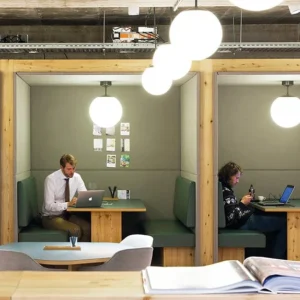
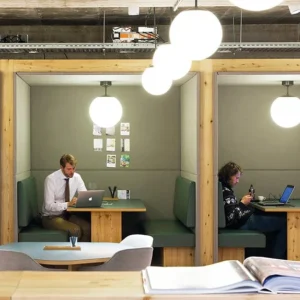
While remote work offers employees unprecedented flexibility, Murph acknowledged that the desire to work from home is not universal. A significant segment of the workforce may prefer to maintain a clear delineation between their living and working environments. This preference creates a substantial opportunity for coworking spaces to play a pivotal role in supporting distributed teams. These flexible workspaces can serve as valuable hubs, offering employees a professional environment outside of their homes while still adhering to the principles of distributed work.

Murph pointed to the implementation of coworking stipends as a tangible way for companies to provide employees with greater choice and autonomy, while simultaneously reinforcing a remote-first organizational philosophy. For distributed organizations, offering access to these alternative workspaces can be integrated into a broader strategy aimed at equipping employees with the essential tools and flexibility required to perform their roles effectively. This approach is gaining traction; a report by the Global Workspace Association indicated a significant uptick in corporate membership and partnerships with coworking providers in recent years, signaling a recognition of their strategic value.
AI’s Potential to Empower Smaller Enterprises
The discussion also ventured into the transformative impact AI is poised to have on the operational capacity of smaller companies and individual entrepreneurs. Murph posited that the synergistic combination of remote work principles and advanced AI capabilities is significantly lowering the barriers to entry for individuals aspiring to launch businesses. This dynamic allows small, agile teams to operate with greater efficiency and leverage resources that were previously the exclusive domain of larger, more established organizations.
Instead of mandating that every burgeoning enterprise must scale into a large, traditional organizational structure, Murph envisions a future where a greater number of businesses can thrive with lean teams. These teams will be built around specialized expertise, cutting-edge technology, and, crucially, robust operational systems. This shift represents a fundamental reimagining of business scalability, moving away from a one-size-fits-all model towards a more adaptable and technologically augmented approach. The implications are far-reaching, potentially fostering a more diverse and dynamic entrepreneurial landscape.

The Imperative of Infrastructure Beyond Flexibility
As organizations navigate the ongoing transformation of the workplace, Darren Murph’s central message resonates with profound clarity: flexibility alone is insufficient. The true measure of success in the future of work lies in the strength of the infrastructure that underpins this flexibility. This infrastructure encompasses clearly defined processes, readily accessible knowledge, and disciplined, intentional ways of working. Without these foundational elements, the promise of sustainable and productive distributed work remains elusive. The ongoing evolution of the workplace demands a strategic, systems-driven approach, acknowledging that the "invisible skyscraper" must be meticulously constructed to support the distributed workforce of today and tomorrow. The integration of AI and the persistent adoption of remote work models necessitate a renewed focus on operational excellence, transforming how organizations structure, communicate, and collaborate for enduring success.