
The persistent rise in the cost of essential goods and services, including fuel, transportation, housing, and food, is outpacing wage growth, creating significant financial strain for American workers, families, and retirees. This widening disparity, marked by a notable increase in everyday expenses while average wages lag considerably, raises critical questions about the underlying economic forces at play. While recent price surges might appear episodic, a deeper analysis suggests a more profound, systemic issue rooted in decades of economic policy and corporate strategy.

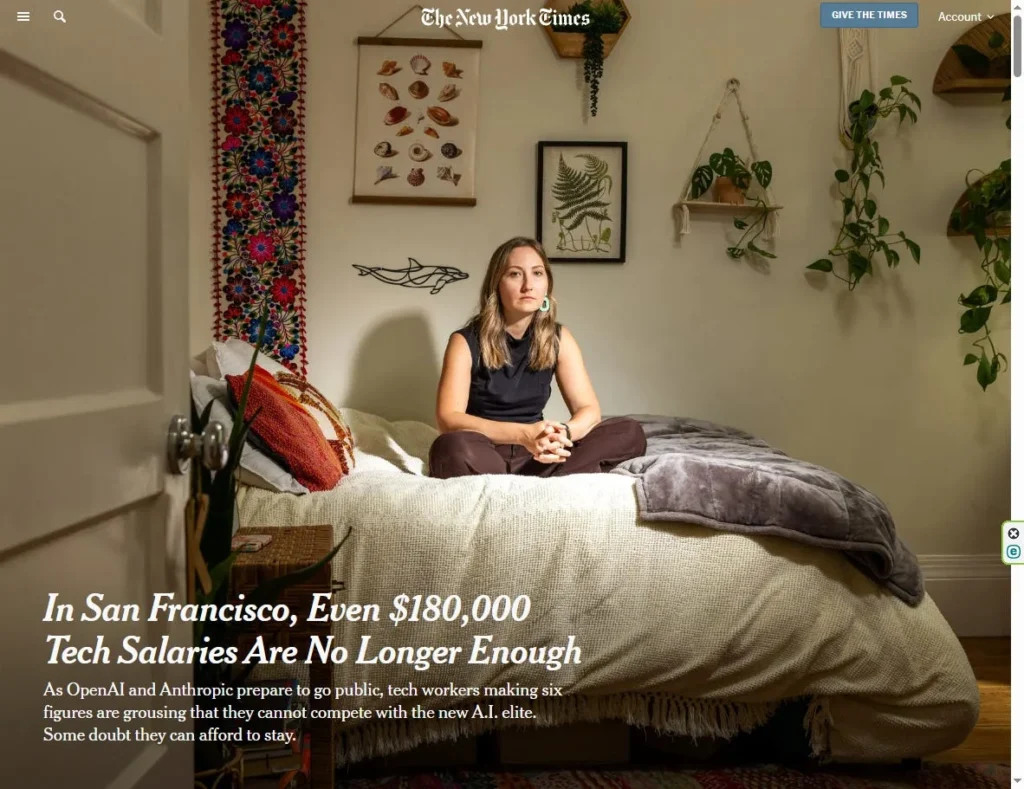
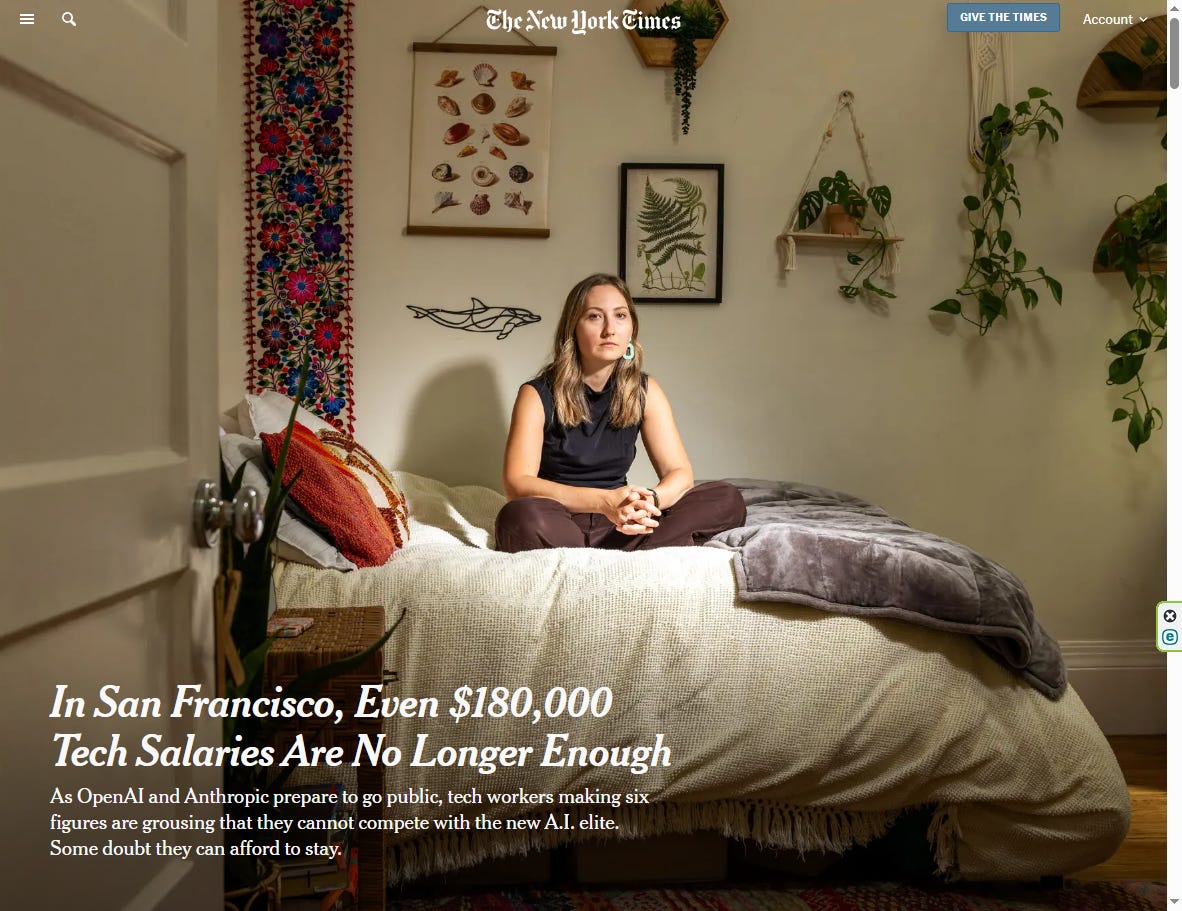
A recent report highlighted the severity of the housing crisis, noting that in San Francisco, a combined annual salary of $370,000 is reportedly insufficient to secure a desirable apartment. This challenge is not confined to a single metropolitan area but reflects a national trend. Data for 2026 year-to-date illustrates a sharp uptick in consumer costs: gas prices have surged by 24%, energy by 27%, airline fares by 26%, and fruits and vegetables by 5%. In stark contrast, average private sector wages have only increased by a modest 3.5% during the same period. This imbalance is forcing many individuals, particularly retirees, back into the workforce to cover basic necessities. AARP research indicates that 7% of retirees have "unretired" in 2026, with an additional 12% of seniors returning to work, primarily driven by the inability to afford healthcare, food, and energy costs.
This article delves into the multifaceted causes of this economic imbalance and explores potential solutions for business leaders and policymakers.
The Erosion of Purchasing Power: A Decades-Long Trend
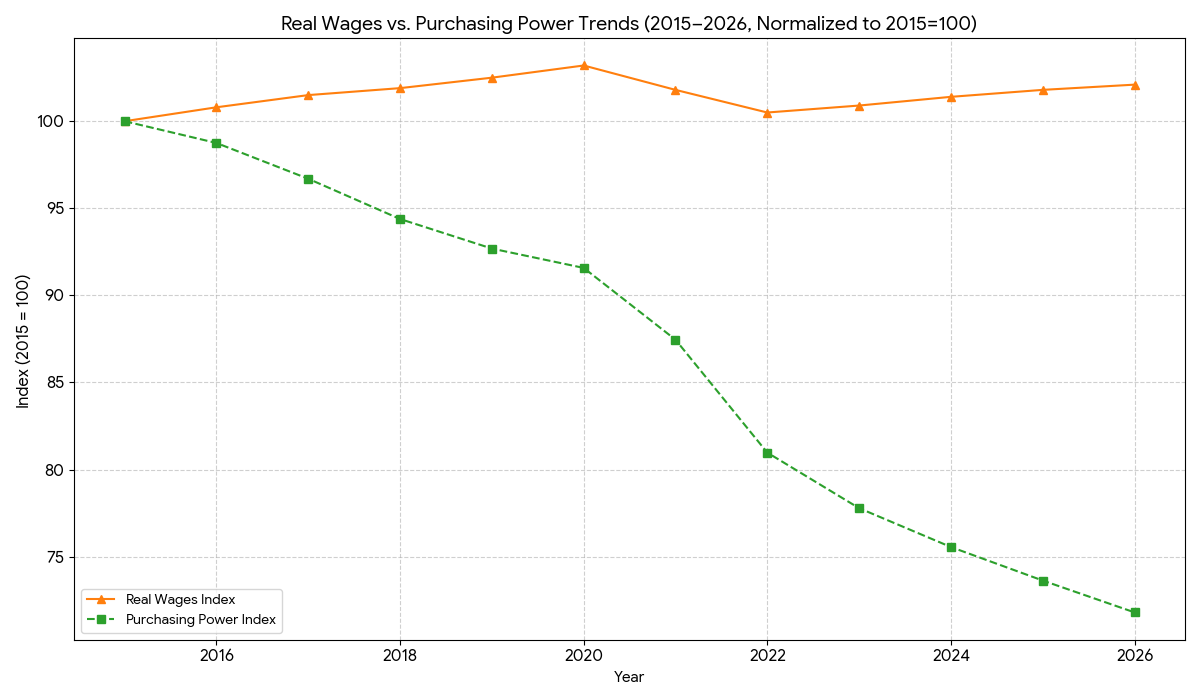
The current economic pressures are not a sudden development but rather the culmination of a trend that has been unfolding over several decades. When examining wage growth against inflation over the past 20 to 30 years, a clear picture emerges of declining real purchasing power in the United States. While nominal wages have seen increases, the erosion caused by persistent inflation has significantly diminished the actual value of those earnings. For instance, over the last decade, real wages have grown by a mere few percentage points, while inflation has experienced substantial surges.
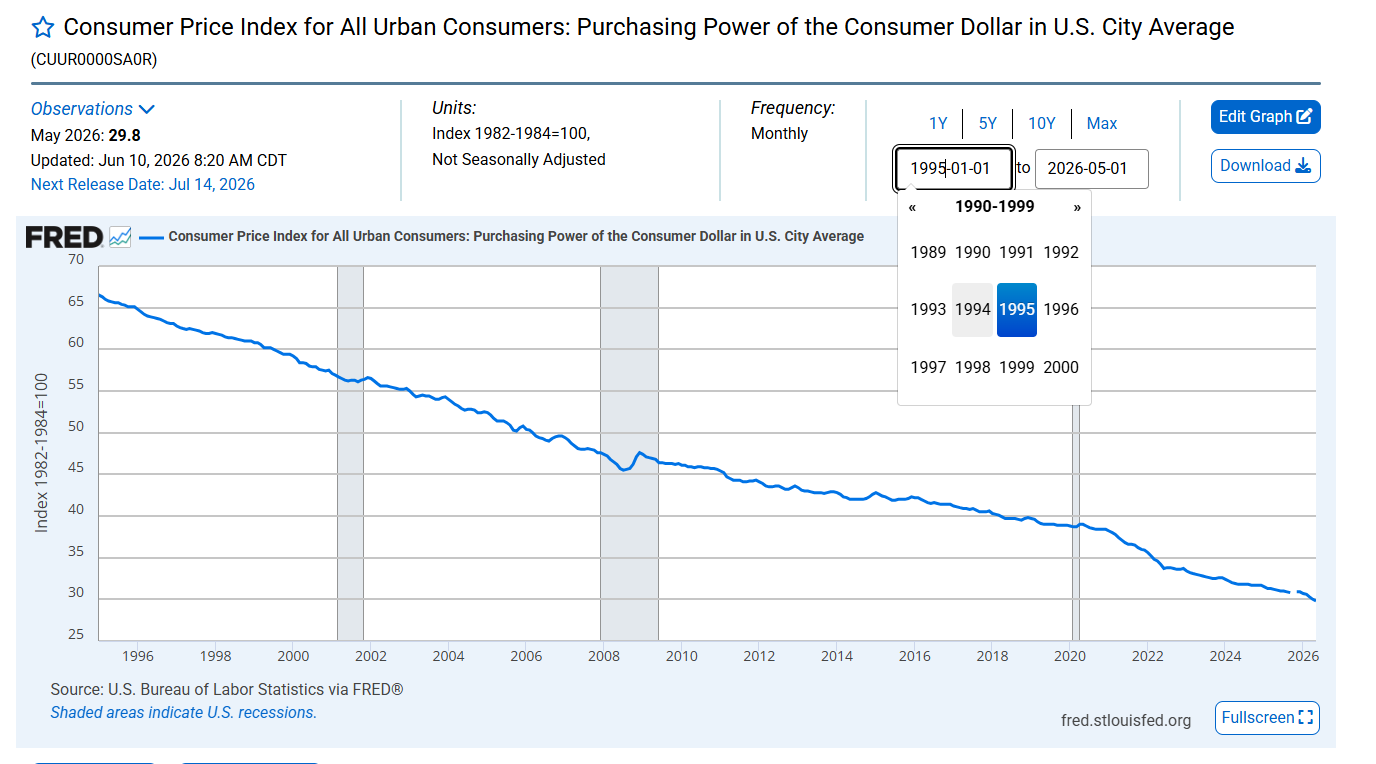
This phenomenon can be visually represented through economic data charting purchasing power over time. Studies by institutions like the St. Louis Federal Reserve consistently show a downward trend in purchasing power, with some analyses indicating a decline of nearly 40% over a comparable period. This sustained decrease means that the average American worker’s earnings command less in terms of goods and services than they did in previous decades, even if their nominal paychecks have increased.
Productivity Gains: Where Did the Benefits Go?
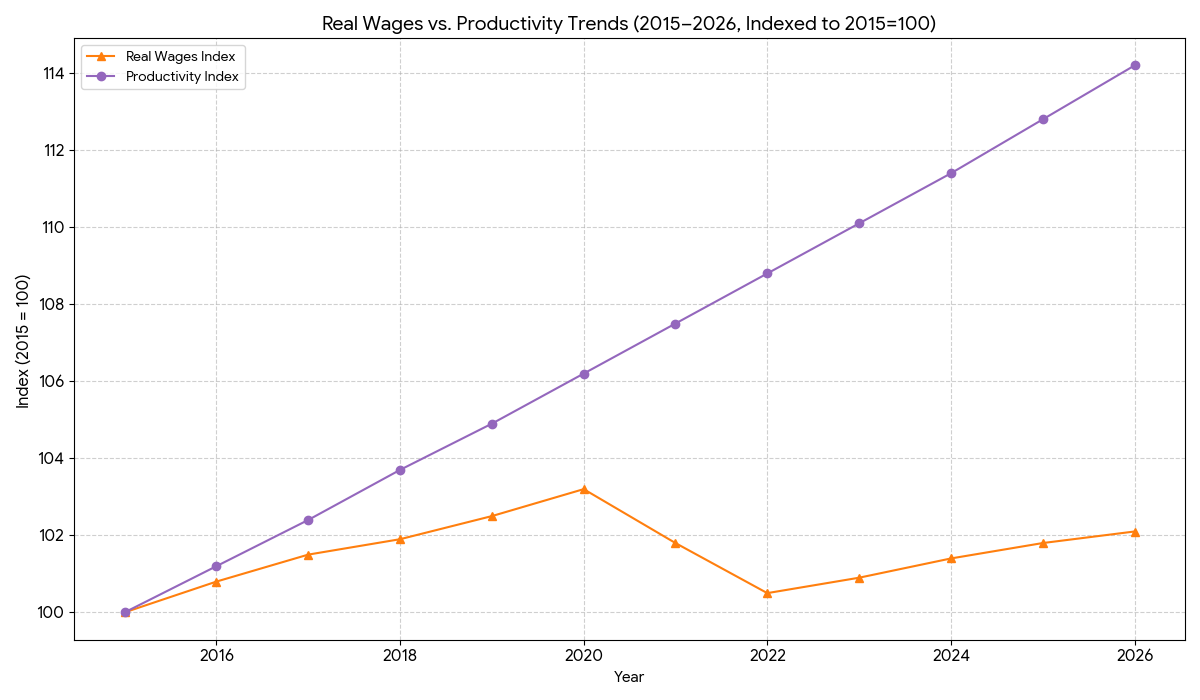
A significant factor contributing to the wage-price disparity is the persistent growth in U.S. productivity, particularly within sectors like technology, over the past thirty years. Technological advancements have undeniably boosted output per worker, yet the benefits of this increased efficiency have not been equitably distributed. Instead, a substantial portion of these gains has been retained by corporate leadership and shareholders, rather than being passed on to employees through higher wages or improved benefits.
Data illustrates this divergence starkly. Over the last three decades, while productivity has seen considerable increases, wage growth has remained comparatively stagnant. One analysis indicates that productivity rose by approximately 14%, a significant figure, while wages only saw a 2% increase. This leaves a gap of roughly 12% of U.S. economic productivity that did not translate into employee compensation. This discrepancy suggests a strategic prioritization of capital investment and shareholder returns over labor compensation.
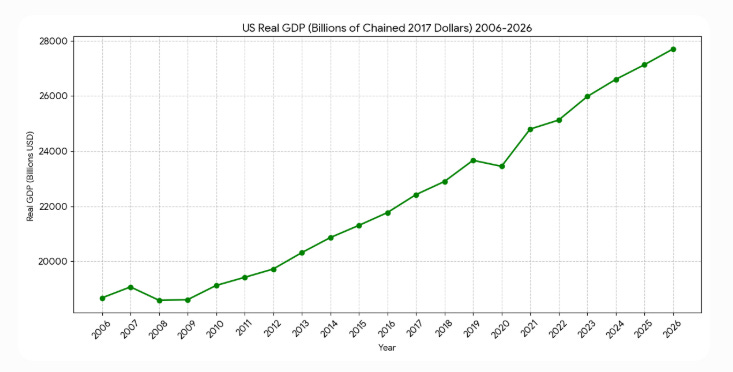
Furthermore, Gross Domestic Product (GDP) has also shown consistent growth, reflecting the overall expansion of the U.S. economy. However, the disconnect between GDP growth, productivity gains, and wage increases points to a fundamental shift in how economic prosperity is shared.
The Concentration of Wealth: Shareholders and Executives Reap the Rewards
The substantial gains in productivity that have not been distributed to employees have largely flowed to shareholders and corporate executives. This has manifested in several ways:
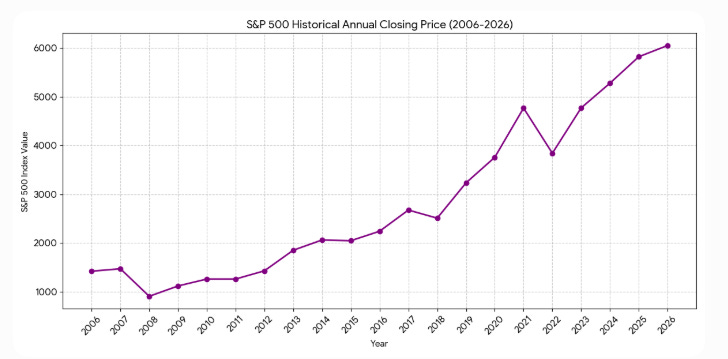
- Stock Market Growth: The stock market has experienced significant growth, driven by corporate profits and efficiency gains. Dividends and capital appreciation have provided substantial returns to investors.
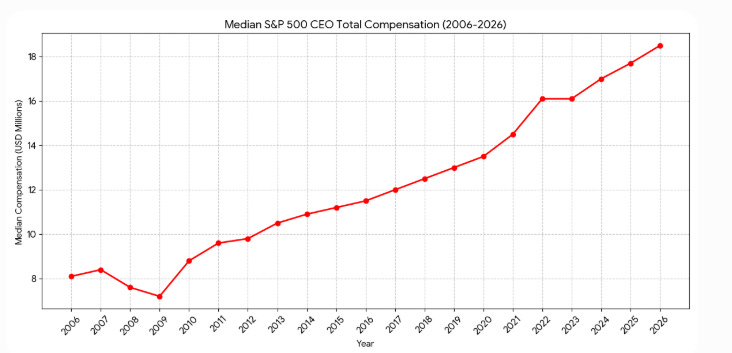
- Executive Compensation: CEO and executive pay has dramatically increased, often disproportionately to the wage growth of the average worker. Reports indicate that average Chief Human Resources Officer (CHRO) pay now stands at approximately $3.7 million, with average CEO compensation likely two to three times higher. This trend, some analysts suggest, is influenced by an emphasis on shareholder value maximization, sometimes referred to as the "MBA effect" or the influence of business schools prioritizing financial metrics.
- Capital Investment and Automation: Companies have increasingly invested profits in capital expenditures, automation, and artificial intelligence, often with the stated goal of reducing labor costs and increasing efficiency. While these investments can drive long-term growth, they have also been a mechanism for capturing productivity gains without direct benefit to the workforce.
The narrative suggests a business strategy that has, for decades, focused on minimizing labor costs as an expense to be managed rather than an investment to be cultivated. This approach has contributed to the wealth accumulation at the top of the economic pyramid.
Policy Shifts: The Stagnation of the Minimum Wage and Decline of Unions
Several policy decisions over the past forty years have exacerbated the wage stagnation issue:
- Federal Minimum Wage Freeze: The federal minimum wage has remained largely unchanged for extended periods, failing to keep pace with inflation and the rising cost of living. Since the early 1980s, the federal minimum wage has effectively lost significant purchasing power, making it increasingly difficult for low-wage workers to meet basic needs. While some states and cities have implemented higher minimum wages, the federal floor remains inadequate.
- Decline in Labor Union Participation: Concurrently, labor union membership has seen a significant decline. Historically, unions played a crucial role in advocating for better wages, benefits, and working conditions for their members. The shift in policy and public perception, influenced by administrations that prioritized corporate deregulation and individualistic approaches to wealth building (e.g., the promotion of 401(k) plans over defined-benefit pensions), has weakened the collective bargaining power of workers. This decline in unionization has removed a key mechanism for employees to negotiate for a larger share of productivity gains.
The Entrenchment of Inflationary Expectations
The current inflationary environment is not solely a product of recent supply chain disruptions or geopolitical events. It is also a consequence of entrenched inflationary expectations that have developed over several years. Since 2021, inflation rates have consistently remained above the Federal Reserve’s target of 2%, fueled by a confluence of factors including:
- Supply Chain Disruptions: The COVID-19 pandemic exposed vulnerabilities in global supply chains, leading to shortages and price increases for various goods, from semiconductors to consumer electronics.
- Geopolitical Factors: International conflicts and trade policies, such as tariffs, have also contributed to increased costs for imported goods and raw materials.
- Energy Price Volatility: Fluctuations in global oil prices, exacerbated by geopolitical tensions and shifts in energy policy, have a direct impact on fuel and transportation costs, which ripple through the economy.
- AI Capital Spending: The rapid investment in artificial intelligence infrastructure has also contributed to demand for specific resources like chips and memory, driving up prices in those sectors.
These persistent price increases have led consumers to become accustomed to higher costs for everyday essentials. The "inflationary expectation" has become embedded, making it more challenging for the Federal Reserve to bring inflation under control without significant economic intervention. This creates a difficult environment for workers whose wages are not keeping pace, further eroding their financial stability.
What Can Employers Do?
The current economic landscape presents a clear challenge for businesses and their employees. As leaders in the business community, there are proactive steps that can be taken to address the affordability crisis and foster a more sustainable economic model.
Rethinking Labor as an Investment, Not an Expense
The traditional view of labor as merely an operational expense that needs to be minimized is fundamentally flawed. Instead, employers should recognize that investing in their workforce is a strategic imperative that yields significant returns. This perspective shift is crucial for long-term business success and societal well-being.
- Valuing Human Capital: Employees are not interchangeable units of labor but rather dynamic assets capable of growth, innovation, and customer engagement. By investing in training, development, and fair compensation, companies can cultivate a highly skilled and motivated workforce.
- Boosting Productivity and Innovation: A well-compensated and engaged workforce is more likely to be innovative and productive. Research indicates that companies prioritizing employee well-being and fair pay often outperform their competitors in terms of growth and profitability. The concept of "Talent Density," which focuses on maximizing the potential of every employee, underscores this point.
Strategic Workforce Management: Beyond Headcount Reduction
While artificial intelligence and automation offer opportunities for increased efficiency, their primary benefit should not be viewed as wholesale headcount reduction. Instead, these technologies should be leveraged to augment human capabilities and enhance productivity.
- AI as a Supercharger: AI tools can empower existing employees, enabling them to perform tasks more efficiently and at a greater scale. This "superworker" creation allows businesses to increase output without necessarily reducing their workforce.
- Focus on Upskilling and Redesigning Roles: Rather than replacing workers, companies should focus on upskilling and reskilling their existing employees to adapt to new technologies and evolving business needs. The "4R model" – Recruit, Retain, Reskill, and Redesign – provides a framework for this approach, emphasizing employee enablement for continuous growth.
The Power of Fair Compensation and Internal Mobility
Competitive and fair compensation is not merely a cost; it is a critical driver of employee attraction, retention, and engagement.
- Attracting Top Talent: Offering above-average wages and benefits can significantly enhance a company’s ability to attract the most skilled and ambitious individuals.
- Enhancing Retention and Engagement: When employees feel valued and fairly compensated, they are more likely to remain with the company, reducing the substantial costs associated with employee turnover. This also fosters a culture where employees are more willing to embrace new roles and responsibilities.
- Cultivating Internal Mobility: Companies that prioritize internal mobility, encouraging employees to move into new roles and develop new skills, build greater organizational dynamism. This practice not only improves employee engagement but also frees up capital that can be reinvested in employee compensation and development. Studies, such as PwC’s CEO study, suggest that companies with high rates of internal talent redeployment tend to be more profitable over the long term.
The Employer’s Responsibility
While external factors like government policy and market forces play a role, employers bear a significant responsibility in addressing the affordability crisis. Companies that adopt a strategy of fair and above-average compensation, such as Costco, have demonstrated that such practices can lead to both employee prosperity and superior business performance. The example of Costco cashiers earning a living wage and becoming millionaires highlights the tangible benefits of investing in employees.
The current economic climate demands a re-evaluation of corporate priorities. By embracing a more employee-centric approach that views labor as an investment, businesses can not only contribute to greater economic equity but also build more resilient, innovative, and profitable organizations. The long-term sustainability of the U.S. economy may depend on this fundamental shift in how businesses operate and how they value their most critical asset: their people.







