
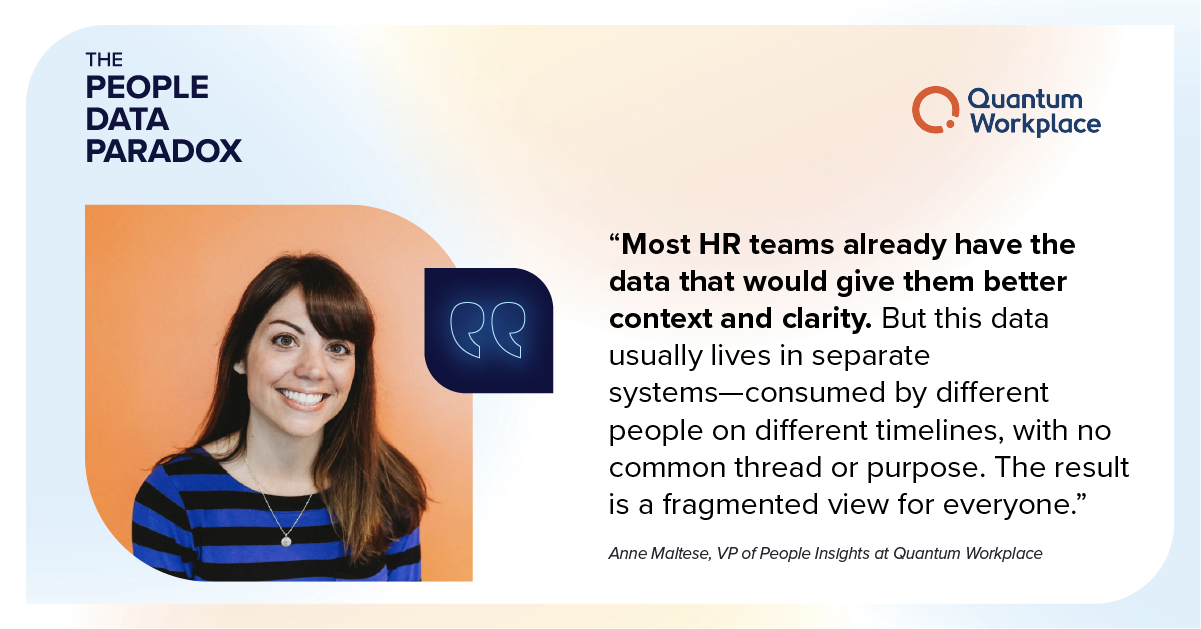
The modern HR technology stack, often a meticulously curated collection of engagement surveys, performance review platforms, recognition tools, development planning software, and a central HRIS, appears robust on the surface. Each component functions effectively in isolation, fulfilling its designated purpose. However, the true challenge emerges in the silent spaces between these systems. A subtle decline in employee engagement might never reach a manager’s attention for a crucial one-on-one conversation. A high performer’s exceptional contributions could go unacknowledged, severing the vital link to a growing retention risk. The signals are undeniably present, but they remain siloed, never converging in a single, actionable view.
This pervasive issue, the "disconnected data problem," is more than a mere IT inconvenience. It directly impacts an organization’s ability to confidently answer critical questions posed by senior leadership, to proactively identify flight risks, and to reclaim valuable hours spent manually piecing together disparate reports instead of deriving actionable insights. The good news, according to HR technology experts, is not the acquisition of more data or the wholesale replacement of existing tools, but rather the critical imperative to foster communication and integration among these disparate systems. Understanding the quiet financial drain of disconnected data and the transformative power of its unification is paramount for contemporary HR strategy.
Defining Disconnected People Data
Disconnected people data refers to the fragmentation that occurs when essential HR systems – encompassing engagement surveys, performance evaluations, recognition programs, individual development plans, and core HRIS records – operate as independent silos. These systems, often procured from different vendors, were not inherently designed to interoperate, leaving HR professionals with a mosaic of partial stories rather than a cohesive narrative of their workforce. Consequently, instead of a clear, holistic understanding of team dynamics and individual performance, organizations are left with scattered snapshots that require significant manual effort to synthesize into actionable intelligence. This fragmentation is not a recent phenomenon; indeed, the proliferation of specialized HR tech solutions over the past decade has exacerbated the challenge, creating a complex ecosystem where valuable insights remain buried.
The Substantial Cost of Fragmented People Data
The financial implications of disconnected people data are staggering, translating into millions of dollars lost annually through diminished productivity, avoidable employee turnover, and missed opportunities for talent optimization. For a mid-sized company with 2,500 employees, the estimated annual loss can approach $4 million, primarily attributed to the ripple effects of underequipped managers and the departure of high-potential employees. This figure underscores a critical reality: the inability to effectively leverage people data is not a minor operational inefficiency but a significant drain on organizational resources and potential.
Many HR professionals can relate to the arduous process of extracting data from multiple systems to answer a single executive query. The knowledge that the answer resides within the data is undeniable, yet its accessibility, clarity, and the confidence to act upon it are severely compromised. This gap is not a reflection of individual shortcomings or technological failures but rather a systemic issue. Research consistently highlights the challenge: HR leaders typically utilize between two and four HR solutions from various providers, with a concerningly low percentage, often hovering around 39%, reporting effective integration between these systems. The volume of data continues to swell, yet the clarity required for strategic decision-making often lags behind.
The ramifications of this data fragmentation manifest most acutely in several key areas:

The Compounding Cost of Underequipped Managers
Managers serve as the primary conduit for employee engagement and performance enhancement. When managers are empowered and effective, their teams flourish. Conversely, when they falter, this struggle permeates the entire unit. The root cause of managerial struggles often lies not in a lack of inherent talent but in the absence of adequate support and resources. The average manager now shoulders approximately 51% more responsibility than is realistically manageable, and a significant portion, around 39%, has never received formal leadership training.
The business impact is profound. Managers operating within the top decile of leadership effectiveness are capable of generating twice the net revenue of their less effective counterparts. This disparity represents not merely a development concern but a palpable performance deficit embedded within the organizational structure. The ability to equip managers with the insights derived from connected people data can directly translate into improved team performance and increased revenue generation.
The Lost Potential of Overlooked High-Potential Talent
High-performing employees are not simply valuable; their contributions are disproportionately impactful, often generating between 400% and 800% of the output of an average employee. Despite this undeniable value, a substantial portion of organizations, approximately 57%, lack a formal, data-driven process for identifying these critical individuals.
In the absence of connected data, talent identification frequently relies on subjective factors like visibility and advocacy. Employees who are more vocal, more visible, or who have stronger internal networks are more likely to be nominated or recognized, potentially eclipsing those who are quietly delivering exceptional results. Each quarter that these high-impact individuals go unrecognized represents a lost opportunity for the organization to fully leverage their outsized contributions. Integrated data from performance reviews, project contributions, and development progress can provide a more objective and comprehensive picture of true high potential.
The Escalating Cost of Unseen Retention Risks
The decision for a high-performing employee to resign is rarely sudden. More often, it is the culmination of months of brewing dissatisfaction, signaled by subtle shifts in engagement survey responses, a cessation of development conversations, or a decline in recognition. Individually, these signals may not trigger alarms. However, when aggregated and analyzed collectively, they paint a clear, albeit often belated, narrative of impending attrition.
The financial burden of replacing an employee is substantial, ranging from 50% to 200% of their annual salary. Furthermore, research indicates that a significant proportion of departing employees – as many as one in three – believe their exit could have been prevented. The precursors to these departures are often embedded within existing data streams, but their fragmentation renders them invisible until it is too late. Proactive identification of these subtle indicators through connected data allows for timely intervention and mitigation of costly turnover.
The Cumulative Financial Impact of Disconnected Data
To illustrate the tangible financial consequences, consider an organization with 2,500 employees and 250 managers. If 50 of these managers are identified as underequipped and this leads to a 10% disengagement among their direct reports, the resulting loss in productivity can amount to approximately $1.7 million annually.
When retention risk is factored in, the financial impact escalates further. If 10 high-performing employees depart due to a lack of recognition or development opportunities, and their replacement costs are double their salaries, this adds another $2 million to the organizational deficit.
Collectively, these figures reveal nearly $4 million in financial losses directly attributable to disconnected data. This calculation does not even encompass the broader consequences of teams operating without optimal conditions, such as misdirected effort, slow skill development, and unrealized potential. The true cost is far more pervasive, impacting efficiency, innovation, and overall organizational agility.
The Transformative Power of Connected Data
For years, the prospect of integrating insights across fragmented systems seemed an insurmountable challenge, demanding excessive time and resources from already stretched HR teams. However, advancements in artificial intelligence and data analytics are rapidly changing this landscape. AI can now continuously analyze data from engagement surveys, performance management, development plans, recognition programs, and HRIS systems, cross-referencing it against industry benchmarks and surfacing patterns that were previously undetectable.
This shift is not about accumulating more data; it is about finally deciphering the valuable messages that existing data has been attempting to convey. When these disparate signals are connected, organizations can begin to address the most pressing concerns of HR and executive leadership:
- Proactive Identification of Flight Risks: By correlating dips in engagement, reduced development activity, and a decline in recognition, HR can identify employees exhibiting early warning signs of attrition, enabling targeted retention efforts before a resignation occurs.
- Uncovering Hidden High-Potential Talent: Integrating performance data, project contributions, and feedback from multiple sources can reveal individuals who are consistently exceeding expectations but may not be formally recognized or nominated.
- Diagnosing Managerial Effectiveness: By linking performance metrics, team engagement scores, and manager feedback, organizations can pinpoint areas where managers may need additional support, training, or resources.
- Understanding the Drivers of Engagement and Disengagement: Analyzing how recognition, development opportunities, and performance feedback correlate with engagement levels allows for more strategic interventions to foster a positive and productive work environment.
- Measuring the ROI of People Initiatives: Connected data provides a clear line of sight between HR programs, employee behavior, and business outcomes, enabling a more accurate assessment of the return on investment for talent management strategies.
Bridging the Gap: From Fragmented Data to Connected Talent Insights
The true value of understanding the complete picture lies in its ability to inform and guide subsequent actions. This is where specialized HR technology solutions, designed to unify and interpret people data, become indispensable. Platforms that integrate engagement, performance, development, and recognition signals into a single, cohesive view empower leaders to move beyond piecing together fragmented snapshots and gain a genuine understanding of their teams’ dynamics.
AI-powered insights can illuminate the subtle patterns that lie dormant within disparate systems. Crucially, each finding is accompanied by clear, prioritized next steps, contextualized by the organization’s specific goals and benchmarks, and delivered directly to leaders within their daily workflow. This approach transforms raw data into actionable intelligence, enabling HR teams to:
- Drive Strategic Workforce Planning: With a clear view of talent distribution, skill gaps, and retention risks, organizations can make more informed decisions about recruitment, development, and succession planning.
- Enhance Managerial Coaching and Support: Equipping managers with real-time, data-driven insights empowers them to have more impactful conversations with their teams, fostering growth and addressing issues proactively.
- Optimize Talent Development Programs: By understanding which development initiatives yield the greatest impact on performance and engagement, organizations can refine their programs for maximum effectiveness.
- Foster a Culture of Recognition and Appreciation: Data that highlights consistent contributions and positive impact can fuel more meaningful and targeted recognition efforts, boosting morale and reinforcing desired behaviors.
- Improve Employee Experience and Retention: By addressing the root causes of disengagement and dissatisfaction identified through connected data, organizations can create a more positive and supportive work environment, leading to higher retention rates.
In an era where talent is increasingly recognized as an organization’s most critical asset, the ability to effectively harness and interpret people data is no longer a competitive advantage but a fundamental necessity. The era of fragmented HR technology is giving way to a new paradigm where integrated data fuels intelligent insights, enabling organizations to unlock the full potential of their workforce and navigate the complexities of the modern business landscape with greater confidence and strategic clarity.