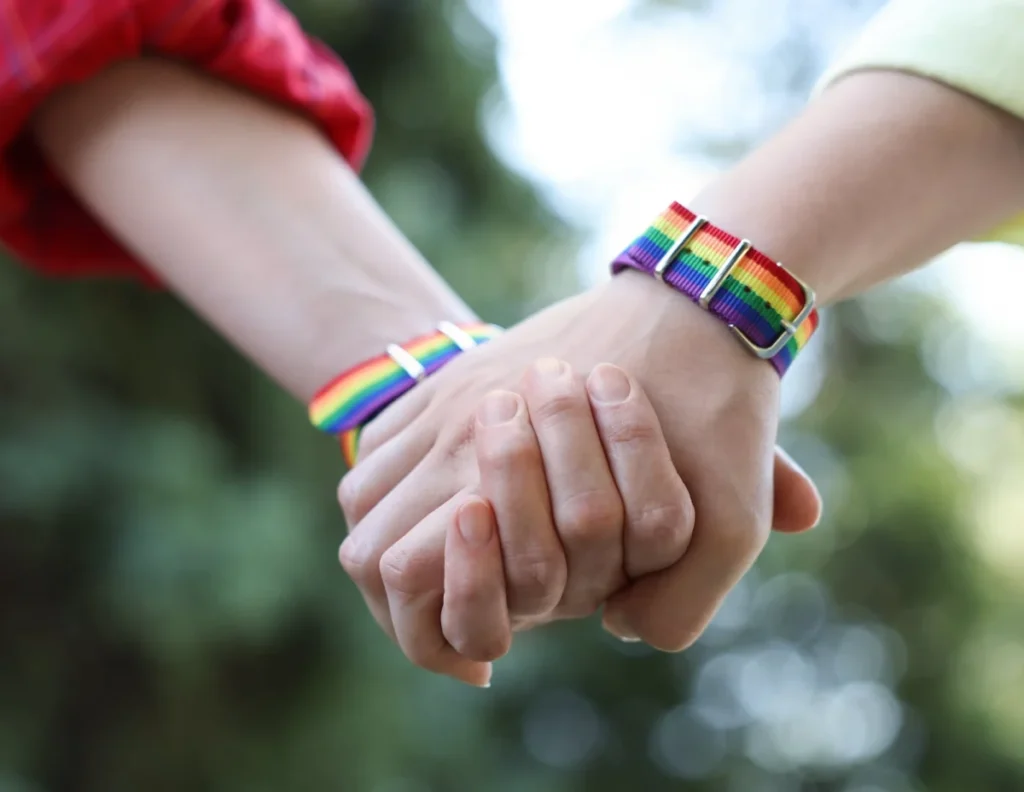
June is Pride Month, a global observance dedicated to celebrating LGBTQIA+ (Lesbian, Gay, Bisexual, Transgender, Queer, Intersex, Asexual, and more) individuals, their history, and their ongoing fight for equality. While for many, Pride is a vibrant and eagerly anticipated celebration, for others, it may evoke feelings of unfamiliarity or even discomfort. This comprehensive exploration aims to shed light on the profound importance of Pride Month, particularly for those seeking a deeper understanding of its origins and purpose.
The Enduring Importance of Pride Month: Saving Lives Through Acceptance
The significance of Pride Month is rooted in its direct impact on the well-being and survival of LGBTQIA+ individuals. Recent data from The Trevor Project, a leading organization providing crisis intervention and suicide prevention services to LGBTQIA+ youth, paints a stark picture. According to their 2023 National Survey on LGBTQ Youth Mental Health, a staggering 41% of LGBTQIA+ young people reported having seriously considered suicide in the past year. Furthermore, the survey highlights a critical correlation: LGBTQIA+ youth who reported having access to affirming spaces and supportive communities were significantly less likely to experience mental health challenges, including suicidal ideation.
These statistics underscore a crucial truth: acceptance is not merely a matter of social comfort; it is a life-saving imperative. The mental health difficulties experienced by many LGBTQIA+ youth are not inherent to their identities but are rather the direct consequence of living in unaccepting environments, facing discrimination, stigma, and rejection. This highlights the vital role that visible demonstrations of acceptance, such as Pride celebrations, play in fostering a sense of belonging and safety for individuals of all ages within the LGBTQIA+ community. For parents and allies, recognizing that supporting LGBTQIA+ individuals can literally save lives makes the advocacy and celebration inherent in Pride Month a profoundly important endeavor.
Navigating Discomfort: Understanding the Roots of Unfamiliarity with Pride
For individuals who did not grow up with an explicit understanding of gender diversity or alternative family structures, the increased visibility and discourse surrounding Pride Month can sometimes feel unfamiliar or even awkward. This sentiment is particularly common among older generations who were raised in societal climates where such topics were rarely discussed or openly acknowledged.
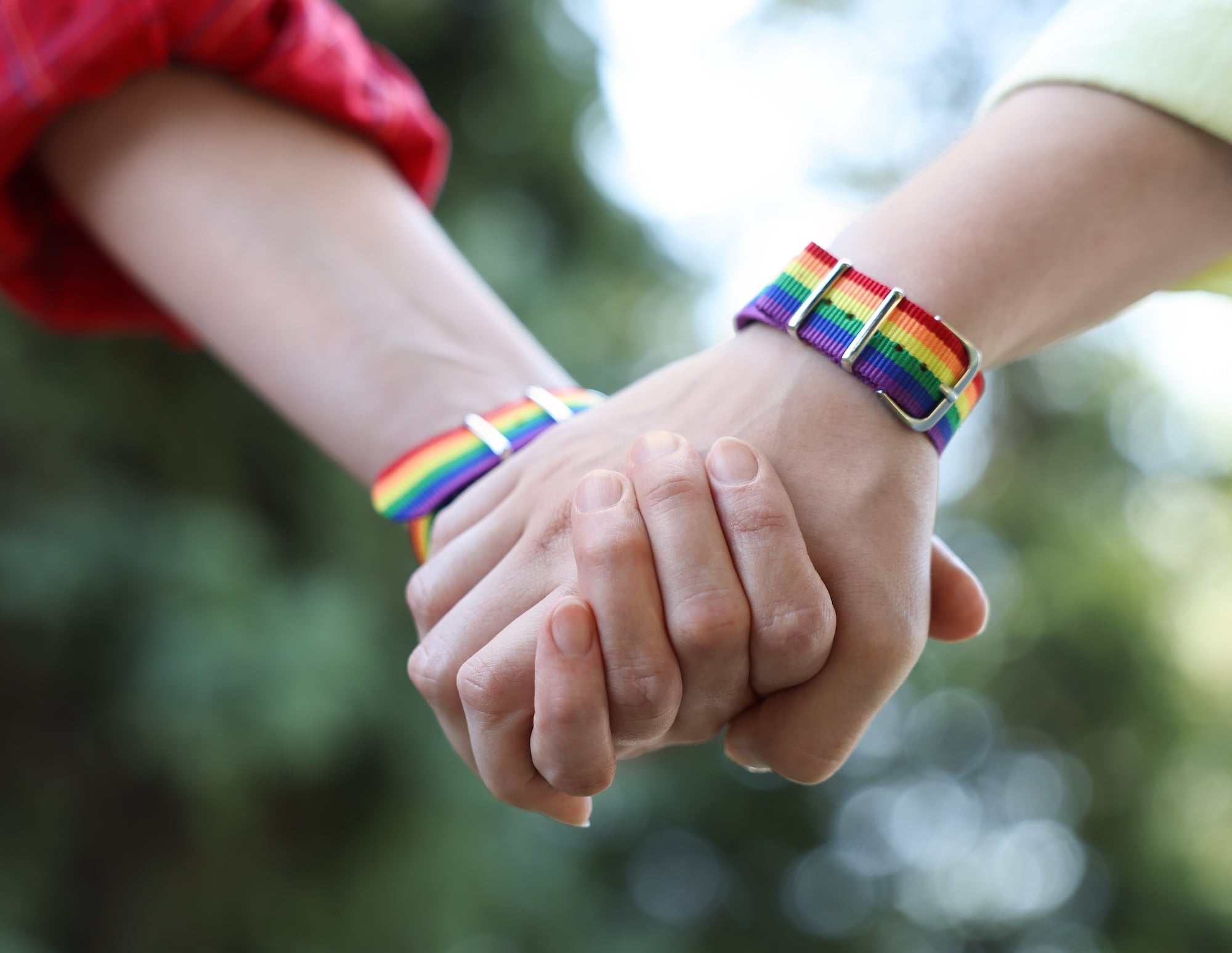
The shift in societal perspectives on gender and sexuality represents a significant evolution in cultural understanding. For instance, individuals who came of age in the 1970s or 1980s, like many in Generation X, may recall a time when openly identifying as LGBTQIA+ was less common and often met with significant societal disapproval. The absence of visible LGBTQIA+ individuals in their immediate social circles or in mainstream media could have contributed to a worldview where such identities were perceived as rare or non-existent. This lack of lived experience or educational exposure can understandably lead to a sense of unfamiliarity when these identities are now openly celebrated and discussed.
However, it is crucial to recognize that the increased awareness and understanding of gender and sexuality do not signify their novelty. Historical and anthropological evidence points to the existence of same-sex relationships and diverse gender expressions across numerous cultures and throughout history. The American Psychological Association, for example, references evidence of same-sex love and attraction in ancient societies, including Ancient Israel, Ancient Greece, and among various Native American peoples. Therefore, any feelings of strangeness or discomfort associated with Pride are not a reflection of the LGBTQIA+ community itself, but rather a consequence of past educational shortcomings and societal norms that limited a comprehensive understanding of human diversity.
A Timeline of Progress: The Evolution of Pride
The origins of Pride Month are deeply intertwined with the fight for civil rights and the struggle against systemic discrimination faced by the LGBTQIA+ community.
- The Stonewall Uprising (June 1969): Often considered the catalyst for the modern LGBTQIA+ rights movement, the Stonewall Inn in New York City was raided by police on June 28, 1969. Patrons, predominantly members of the LGBTQIA+ community, fought back against the harassment and police brutality, sparking days of protests and demonstrations. This act of defiance galvanized the community and led to the formation of numerous LGBTQIA+ advocacy groups.
- The First Pride Marches (1970): To commemorate the one-year anniversary of the Stonewall Uprising, the first Pride marches were held in New York City, Los Angeles, and Chicago. These events were not just celebrations but also powerful demonstrations of visibility and demands for equal rights.
- Expansion of the Movement: Throughout the 1970s and 1980s, LGBTQIA+ rights organizations gained momentum, advocating for legislative changes and challenging societal prejudices. The AIDS epidemic in the 1980s, while devastating, also spurred greater activism and solidarity within the community and among allies.
- Official Recognition: Over the decades, Pride celebrations grew in scale and scope, becoming a global phenomenon. While the specific dates and events vary by location, June has become the designated month for Pride in many parts of the world, honoring the legacy of Stonewall. In 2016, the United States officially recognized June as LGBTQ+ Pride Month.
Broader Impact and Implications: Fostering Inclusive Societies
The implications of Pride Month extend far beyond the celebratory parades and events. It serves as a crucial annual reminder of the ongoing struggle for full equality and acceptance for LGBTQIA+ individuals.
- Increased Visibility and Representation: Pride Month significantly boosts the visibility of LGBTQIA+ individuals, challenging stereotypes and promoting a more nuanced understanding of their lives and experiences. This increased representation in media, public discourse, and corporate messaging can have a profound impact on public perception and acceptance.
- Advocacy for Legal Rights: Pride events often serve as platforms for activism and advocacy, raising awareness about discriminatory laws and policies that still affect LGBTQIA+ people worldwide. They encourage engagement with lawmakers and support for legislation that protects LGBTQIA+ rights.
- Economic and Social Impact: The growing acceptance fostered by Pride Month contributes to more inclusive workplaces and communities, which can have positive economic and social outcomes. Diverse and inclusive environments are increasingly recognized as drivers of innovation and talent attraction.
- Mental Health Support: The emphasis on acceptance and community during Pride Month directly contributes to improved mental health outcomes for LGBTQIA+ individuals by combating isolation and providing a sense of belonging.
Official Responses and Corporate Engagement
In recent years, there has been a notable increase in official recognition and corporate engagement with Pride Month. Governments at various levels often issue proclamations and participate in events, signaling a growing acknowledgment of LGBTQIA+ rights and contributions.
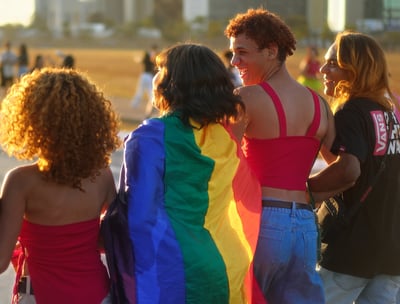
Corporations have also become increasingly vocal in their support, with many brands launching dedicated Pride campaigns, sponsoring events, and implementing internal policies to support their LGBTQIA+ employees. While these initiatives are often welcomed as steps towards greater inclusivity, they are also subject to scrutiny. Critics sometimes question the authenticity of corporate support, particularly when it appears to be driven more by marketing opportunities than genuine commitment to LGBTQIA+ rights. However, when genuine, these corporate actions can translate into tangible support for LGBTQIA+ organizations and provide a more inclusive environment for employees.
Pathways to Education and Understanding
For those seeking to deepen their understanding and become better allies to the LGBTQIA+ community, education is key. Engaging with reliable resources can foster empathy and informed support.
- Reputable LGBTQIA+ Organizations: Websites of organizations like The Trevor Project, GLAAD (Gay & Lesbian Alliance Against Defamation), HRC (Human Rights Campaign), and PFLAG (Parents, Families, and Friends of Lesbians and Gays) offer extensive information, resources, and educational materials on LGBTQIA+ history, terminology, and issues.
- Academic and Historical Research: Exploring academic studies and historical accounts of LGBTQIA+ movements and experiences can provide a deeper context for understanding the ongoing fight for equality.
- Personal Narratives and Literature: Reading books, articles, and personal stories from LGBTQIA+ individuals can offer invaluable insights into their lived experiences and perspectives.
- Attending Local Events: Participating in local Pride events, workshops, or educational sessions can provide opportunities for direct engagement and learning from community members.
In conclusion, Pride Month is a multifaceted observance that encompasses celebration, remembrance, and advocacy. It is a testament to the resilience and courage of the LGBTQIA+ community and a vital reminder that fostering a truly inclusive society requires ongoing education, empathy, and a commitment to equal rights for all. By understanding its historical roots and present-day significance, individuals can move beyond discomfort and embrace the opportunity to become active allies in the pursuit of a world where everyone is free to live authentically and without fear.