

The artificial intelligence landscape is undergoing a significant transformation, moving away from the initial hype surrounding foundational models towards a more pragmatic focus on applications and data that deliver tangible return on investment (ROI). While companies like Anthropic and OpenAI command substantial valuations, the true economic value of AI in the enterprise is increasingly being derived from how these powerful models are integrated into specific business solutions and leveraged with proprietary data, mirroring a historical shift seen in the relational database market during the 1990s.
This evolution signifies a maturation of the AI market, where the initial excitement of "frontier models" and the availability of both proprietary and open-source options—including those from OpenAI, Anthropic, Google, Microsoft (MAI), and open-source alternatives like GLM, Deepseek, Kimi, Mistral, and IBM’s Granite—are prompting businesses to re-evaluate their AI strategies. The question is no longer simply about "buying AI" because it is a novel and impressive technology, but rather about viewing it as a powerful tool within a broader ecosystem for building practical business solutions.
Microsoft CEO Satya Nadella has articulated a similar perspective, emphasizing in a recent Wall Street Journal op-ed that "We Can’t Let AI Giants Eat the Economy." This sentiment aligns with the growing understanding that the ultimate value of AI lies not in the models themselves, but in their application to solve specific business challenges.
The Emerging Reality: Application-Centric AI Adoption
Recent research, including an ongoing report on an "Enterprise AI Playbook" based on insights from over 200 companies, indicates that only approximately 8% of organizations are currently building "real enterprise apps" powered by AI. A significant portion of AI adoption appears to be driven by a more diffuse approach, where companies purchase AI tools with the hope that individual employees will discover valuable use cases. This often resembles an employee benefit, with the expectation that innovation will organically emerge.

The practical challenges of this approach are becoming increasingly apparent. For instance, the use of AI tools like Galileo, which leverages models such as Claude but is designed to be adaptable to various AI architectures, highlights a crucial point: without a clear focus on specific domains and problem areas, significant time can be spent on experimentation with limited practical outcomes. This is especially true when considering the consumption costs associated with advanced AI models.
Economic Expectations Realign with Practicality
The initial inflated expectations surrounding AI’s immediate economic impact are beginning to be tempered by a more grounded assessment of its implementation. Economists and industry analysts are observing a shift from speculative enthusiasm to a demand for demonstrable business value. This recalibration is crucial for sustainable AI integration within the corporate world.
The "Normal" Trajectory of Enterprise Technology Adoption
In a typical enterprise technology adoption cycle, the process is far more structured. Organizations identify a specific business need, develop a robust business case, collaborate with IT departments to ensure security and data integration, and then procure systems with clearly defined goals and measurable ROI. This methodical approach is evident in the adoption of specialized AI applications, such as those offered by Paradox, Eightfold, Radancy, or Sana. These platforms are designed as solutions rather than raw AI models, facilitating a more direct path to business value.
However, simply acquiring access to a foundational AI model like Claude and encouraging widespread, unfocused experimentation often fails to yield significant returns. The inherent capabilities of generative AI—whether in coding, image creation, data analysis, or question answering—while impressive, do not automatically translate into business value, especially when associated with high consumption costs. The true payoff emerges when these AI capabilities are married with an organization’s unique data, context, and specific applications.
The substantial investments made by venture capitalists and forward-looking industrialists, estimated to be in the trillions of dollars, have subsidized the widespread experimentation with AI. This capital has funded the development of engineers, data centers, specialized hardware like NVIDIA processors, and the necessary power infrastructure. As these investments mature and companies seek to monetize their AI offerings, the era of "free" experimentation is drawing to a close. The recent price adjustments observed in the market, such as Apple’s notable price increase, signal a broader trend towards a more cost-conscious AI environment.
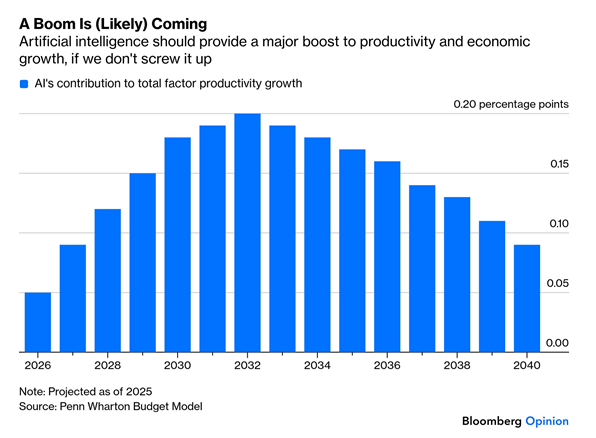
The Emergence of a Commodity Market: Price Wars and Shifting Value
The recent emergence of "price wars" among leading AI vendors, as reported by The Wall Street Journal, underscores this market maturation. The intense competition among frontier AI providers, coupled with Microsoft’s strategic move to offer its MAI models at a fraction of the cost of leading proprietary offerings, points towards AI becoming a more commoditized technology. This dynamic is characteristic of markets where switching costs are low and differentiation shifts from the core technology to the value-added applications and services built upon it.
Microsoft’s approach, aiming for MAI models that are significantly more cost-effective than current frontier offerings, exemplifies this shift. This competitive pressure suggests that the core AI models are becoming increasingly interchangeable, driving down prices and forcing vendors to compete on factors beyond raw model performance. As Satya Nadella articulated, the goal is to prevent a scenario where a few dominant AI players extract excessive value from the broader economy.
The Slowdown in Model Improvement: A Catalyst for Practical Application
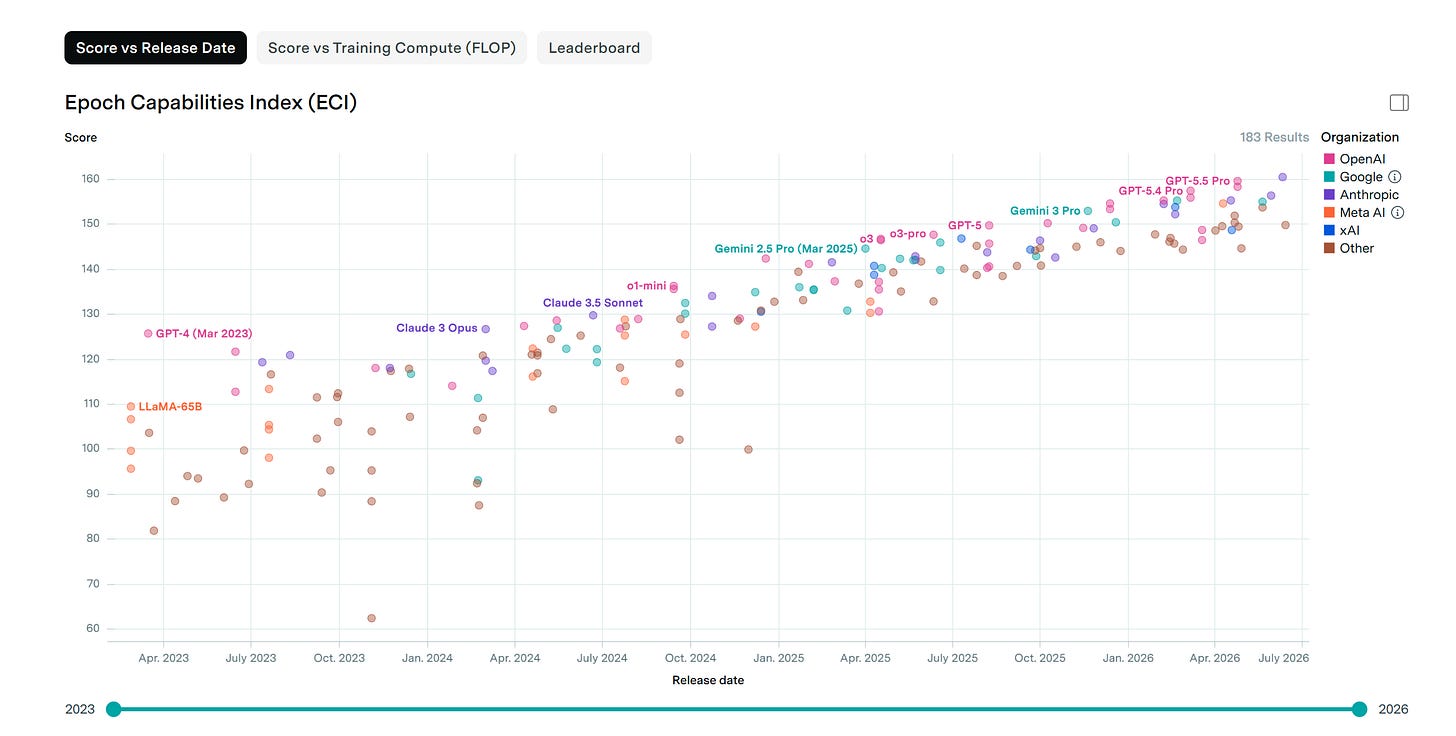
Data illustrating the velocity of model improvement reveals a discernible slowdown. This deceleration is not a negative indicator but rather a positive sign, suggesting that the industry is moving beyond rapid, incremental advancements in model capabilities. This allows organizations to pause and focus on the more critical task of problem-solving, rather than simply "buying tech and hoping the fairy dust creates value." In the corporate sphere, this translates to a necessary shift towards identifying and addressing specific business challenges through AI-powered solutions.
Reengineering the Enterprise with AI: A Strategic Imperative
The HR 2030 model, a framework for high-value AI solutions in human resources, exemplifies how impactful AI implementations require more than just access to advanced models. Transforming and accelerating hiring processes, for instance, necessitates the strategic deployment of AI agents and Superagents. This endeavor involves close collaboration with IT departments and a fundamental redesign of talent acquisition workflows. Prominent vendors in this space, such as Paradox, Maki, Radancy, and Smartrecruiters, offer solutions that go beyond the core AI model to encompass broader operational changes, often leading to significant shifts in talent acquisition roles.
Similarly, revolutionizing employee service centers requires a strategic approach. Platforms like Microsoft Copilot, Workday Sana Core, and ServiceNow, alongside specialized vendors like Leena.ai, can be leveraged. However, these initiatives are substantial "projects" that demand policy consolidation, robust governance, meticulous data management, and cross-functional teamwork. Such transformations often lead to the reorganization of learning and development functions.

Building high-performance onboarding programs, as demonstrated by companies like Rolls Royce and Lockheed Martin, further illustrates this point. These initiatives require broad consensus on program elements, the development of numerous global and role-specific use cases, and the creation of a governance model to integrate tactical and strategic content effectively. While the underlying Large Language Model (LLM) is a component, it represents a minor fraction of the overall solution’s complexity and value.
The HR 2030 blueprint identifies approximately 130 distinct AI agents, some of which can be purchased and others built in-house. For organizations aiming to realize substantial benefits from AI, the focus must shift to prioritizing implementation efforts, collaborating with IT, and preparing teams for evolving roles, new skill requirements, and streamlined workflows.
The Relational Database Parallel: Applications Over Infrastructure
The current evolution of the LLM market bears a striking resemblance to the relational database market in the late 1990s. At that time, vendors like Oracle, Sybase, Informix, Ingres, and Postgres offered sophisticated database management systems with advanced features. However, over time, the core RDBMS technology became increasingly commoditized, and the competitive advantage shifted to the applications built upon these databases. The focus moved from the underlying infrastructure to the solutions that addressed specific business needs.
A similar paradigm shift is now underway in the AI sector. While advanced AI models are crucial, their true value is unlocked through their application to solve complex organizational problems. For instance, the company’s own AI platform, Galileo, which models entire organizations and addresses challenges in reorganization, pay structure, and skills analytics, took nearly four years of dedicated effort to develop. This involved not just leveraging LLMs but also extensive training, workflow integration, and the meticulous refinement of features to achieve its current problem-solving capabilities.
The Future of Enterprise AI: Engineering Solutions, Not Just Deploying Tech
The path forward for enterprise AI involves a transition from broad experimentation to a more disciplined approach of architectural design and engineering. As the market matures and investor expectations for returns grow, companies must move beyond simply "applying AI" and focus on building, buying, or customizing solutions that address high-value problems. The "magic" inherent in the LLM itself is rapidly becoming less of a differentiator and more of a foundational component.
This strategic reorientation is essential for unlocking the immense potential of AI. By concentrating on specific business challenges and engineering robust solutions, organizations can achieve significant payoffs. This journey requires a commitment to strategic planning, cross-functional collaboration, and a deep understanding of how AI can be integrated into existing business processes to drive tangible outcomes. The era of widespread, subsidized AI experimentation is giving way to a more focused, application-driven approach that promises substantial returns for those who can effectively navigate this evolving landscape.
Further exploration of this evolving market can be found in a recent podcast, "Is AI Becoming A Commodity? Or Is it Just A Normal Enterprise Technology like other?", which delves into these themes. Additionally, discussions on building robust rules, policies, and security frameworks into AI applications are crucial for responsible and effective enterprise AI deployment.







