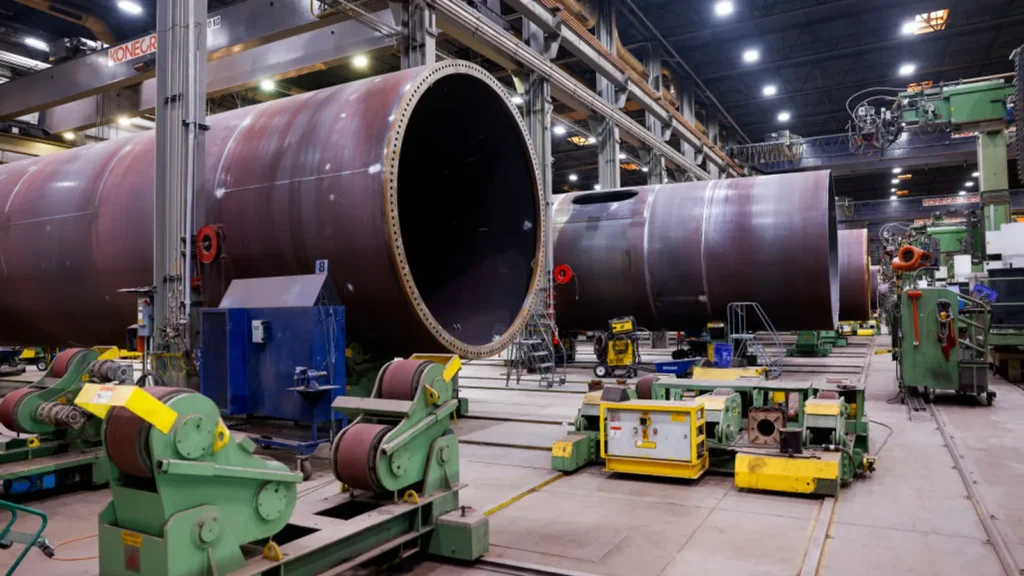
The American manufacturing sector, experiencing an unexpected and robust resurgence, faces a critical paradox: a significant increase in job applicants is not translating into successful hires. A recent report from ICIMS, a leading talent cloud company, reveals a widening disparity between the burgeoning demand from employers, heightened candidate activity, and the actual hiring outcomes, particularly within the manufacturing industry. This disconnect threatens to impede the sector’s impressive growth trajectory, as companies struggle to effectively bridge the gap between interest and employment, signaling a potential bottleneck in the nation’s industrial revitalization efforts.
A New Dawn for American Manufacturing: Background and Context
The narrative of American manufacturing has undergone a dramatic transformation in recent years. Following decades of decline and outsourcing that led to significant job losses and a weakening of domestic industrial capacity, the sector has entered a period of robust revitalization. This resurgence is driven by a confluence of geopolitical shifts, supply chain vulnerabilities exposed during the global pandemic, and significant governmental policy interventions aimed at strengthening domestic production.
Key legislative actions, such as the CHIPS and Science Act, enacted in August 2022, have committed billions of dollars to boost domestic semiconductor manufacturing and research. The goal is to reduce reliance on foreign supply chains, enhance national security, and position the U.S. as a leader in advanced technological production. Similarly, the Inflation Reduction Act of August 2022 has provided substantial incentives for clean energy manufacturing, including electric vehicles, batteries, and renewable energy components, sparking a wave of new factory constructions and expansions across the nation. These policies, coupled with a broader push for "reshoring" and "friend-shoring" production, have fueled a tangible increase in manufacturing activity and, consequently, job creation. Companies are investing heavily in advanced manufacturing technologies, automation, and sustainable practices, envisioning a modern, high-tech industrial landscape that contrasts sharply with the sector’s historical image.
This renewed emphasis on domestic production has, in turn, generated considerable interest among job seekers, who now view manufacturing as a sector offering stability, innovation, and long-term career prospects. The U.S. Bureau of Labor Statistics (BLS) reported that the manufacturing industry added 5,000 jobs in July 2026, marking a substantial 145% increase compared to July 2025, when the sector experienced a cut of 11,000 jobs. This turnaround underscores the positive momentum but simultaneously highlights the escalating challenge of converting applicant interest into filled positions. The paradox lies in the simultaneous existence of high demand, increasing applicant interest, and persistent hiring difficulties.
The ICIMS Report: Unpacking the Data and the Growing Disparity
The ICIMS report, which forms the core of this analysis, meticulously examined an extensive dataset comprising over 3.1 million user interactions and 691 million candidate profiles. This comprehensive scope allowed ICIMS to identify nuanced trends in talent acquisition dynamics across various industries, with manufacturing emerging as a sector exhibiting particularly acute challenges. The primary finding points to an "increasing disparity between employer demand, candidate activity and hiring outcomes." This suggests that while job postings are up and applications are flowing in, the efficiency of the recruitment funnel is severely hampered, indicating a fundamental disconnect in the talent pipeline.
Trent Cotton, head of talent insights at ICIMS, articulated the surprising resilience and growth of the sector, stating, "If there’s one sector that keeps defying expectations this year, it is manufacturing. Every time we think the growth has peaked, the next month proves us wrong." This sentiment reflects the robust economic indicators and the sector’s unexpected momentum. However, Cotton’s enthusiasm is tempered by a crucial observation: "growth alone does not fill a role." His analysis highlights the operational bottlenecks within recruitment organizations that are "being asked to keep pace with demand that is climbing faster than their hiring engines can absorb, and that gap is where the real story is." This "gap" represents a complex interplay of factors, from candidate skills misalignment to outdated hiring processes, employer branding issues, and potentially uncompetitive compensation structures. The report’s findings suggest that without addressing these underlying issues, the sector’s growth could be significantly constrained by its inability to staff its expanding operations.
A Shifting Demographic Landscape: Younger Applicants Emerge
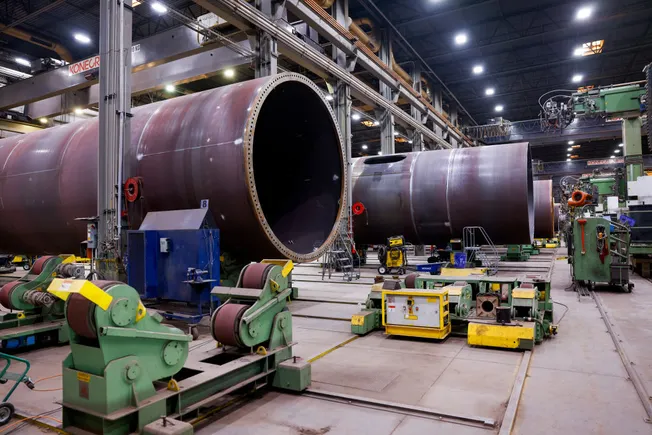
One of the most significant demographic shifts identified by the ICIMS report is the changing age profile of the manufacturing applicant pool. In July 2026, applicants under 45 years old constituted an impressive 85% of all manufacturing applicants, a notable increase from 79% just one year prior. This trend indicates a strong and growing interest from younger generations in manufacturing careers, a positive development given the historical challenges of attracting new talent to the sector. This influx of younger applicants is particularly vital when viewed against the backdrop of the existing manufacturing workforce. The report highlights that workers aged 45 and older still represent nearly half (47%) of the sector’s current workforce. This demographic reality underscores a looming talent drain due to retirements, making the successful integration of younger talent even more critical for long-term sustainability and knowledge transfer. The image accompanying the original article, depicting wind turbine towers under construction, subtly reinforces this point by showcasing a modern, forward-looking aspect of manufacturing that might appeal to younger, environmentally conscious job seekers.
The attraction of younger generations to manufacturing can be attributed to several factors:
- Modernization of the Industry: The perception of manufacturing has evolved from dark, dirty, and dangerous to one of innovation, automation, and advanced technology. Robotics, AI, data analytics, and sustainable practices are now integral to many manufacturing operations, appealing to tech-savvy individuals.
- Job Security and Stability: In an increasingly volatile global economy, the tangible nature of manufacturing jobs and the government’s commitment to domestic production offer a sense of stability that is attractive to those seeking reliable career paths.
- Career Pathways: Many modern manufacturing roles offer clear pathways for skill development and career advancement, moving beyond repetitive tasks to involve complex problem-solving and technical expertise in fields such as engineering, quality control, and process optimization.
- Competitive Compensation: As demand for skilled labor increases, so too do wages and benefits in the sector, making it an attractive option compared to some service industries, especially when considering the potential for upward mobility.
However, the challenge lies in effectively converting this interest into hires. The younger applicant pool, while enthusiastic and digitally native, may not possess the specific skill sets required for increasingly sophisticated manufacturing roles. This points to a potential "readiness gap" where fundamental technical skills, digital literacy for industrial systems, and problem-solving abilities tailored to advanced manufacturing environments may be lacking or not adequately assessed by current hiring mechanisms. The enthusiasm must be met with effective training and onboarding.
The Conversion Conundrum: Why Aren’t Applicants Being Hired?
The disparity identified by ICIMS — abundant applicants but insufficient hires — can be attributed to a multifaceted set of challenges faced by both employers and candidates.
-
Skills Mismatch and the Evolving Nature of Work: The most frequently cited reason for hiring difficulties across industries is the skills gap, and manufacturing is no exception. Modern manufacturing requires a workforce proficient in areas such as robotics programming, data analytics, industrial internet of things (IIoT), additive manufacturing, cybersecurity for operational technology (OT) systems, and advanced materials science. Many incoming applicants, particularly those from traditional educational backgrounds or entering the workforce, may not possess these highly specialized skills. While younger applicants bring enthusiasm and digital native instincts, they often lack the specific vocational training or hands-on experience needed for immediate integration into high-tech factory floors. This gap necessitates significant investment in post-hire training, which many companies are ill-equipped to provide.
-
Outdated Recruitment Strategies and Technology: Many manufacturing companies, particularly small to medium-sized enterprises (SMEs), still rely on traditional recruitment methods that may not resonate with or effectively evaluate a younger, digitally fluent applicant pool. These methods might include reliance on paper applications, infrequent job fair participation, or applicant tracking systems (ATS) that are not optimized for candidate experience or efficient screening. In an era where candidates expect seamless digital interactions, rapid feedback, and personalized engagement, slow or cumbersome application processes can lead to high dropout rates. The recruitment process itself can inadvertently filter out potentially suitable candidates who are disengaged by an antiquated system.
-
Employer Branding and Perception: Despite the industry’s modernization, outdated perceptions of manufacturing jobs persist among some segments of the population. The historical image of manufacturing as dirty, dangerous, and low-skilled can deter potential applicants, especially those not directly exposed to advanced facilities. Companies that fail to effectively communicate their modern work environments, technological advancements, and career opportunities struggle to attract and retain top talent. A strong employer brand that highlights innovation, sustainability, safety, and a positive work culture is crucial to reshaping these perceptions and attracting a diverse pool of qualified candidates.

-
Lack of Investment in Training and Development: Given the pervasive skills gap, an ideal strategy for manufacturers would be to invest heavily in upskilling and reskilling programs. However, many companies may not have the resources, infrastructure, or strategic foresight to implement comprehensive internal training academies, apprenticeships, or robust partnerships with vocational schools and community colleges. Without such investment, the gap between available talent and required skills remains unaddressed, creating a perpetual cycle of hiring difficulties.
-
Compensation and Benefits Competitiveness: While manufacturing wages have been rising, the sector must compete with other industries for talent. If compensation packages (including wages, benefits, and work-life balance initiatives) are not competitive with tech, healthcare, or other growing sectors, even highly motivated applicants may opt for alternative career paths. The perceived value of manufacturing careers must be clearly articulated and backed by attractive remuneration and a comprehensive benefits package that meets modern employee expectations.
Official Responses and Industry Perspectives
While the ICIMS report points to a systemic issue, responses from industry leaders and professional bodies often highlight the urgent need for collaborative solutions. Associations like the National Association of Manufacturers (NAM) frequently advocate for increased funding for STEM education, vocational training programs, and apprenticeships. They stress the importance of industry-education partnerships to tailor curricula to meet evolving skill demands, ensuring that academic programs produce graduates with relevant, in-demand skills.
Inferred statements from manufacturing executives would likely acknowledge the talent challenge as a top strategic priority. They might emphasize the need for:
- More efficient and technology-driven recruitment processes that leverage AI and data analytics to identify and engage suitable candidates more effectively.
- The growing importance of internal training academies and on-the-job learning initiatives to upskill new hires and existing employees in advanced technologies.
- A focus on creating inclusive and appealing workplace cultures to attract and retain younger, diverse talent, moving beyond traditional hierarchical structures.
- The necessity of demonstrating clear career progression paths within manufacturing, showing how entry-level positions can lead to highly skilled and well-compensated roles.
Government agencies, particularly those focused on workforce development, would likely reiterate their commitment to funding programs that bridge the skills gap. For example, the U.S. Department of Labor often supports apprenticeship initiatives and grants for training in high-demand sectors like manufacturing. The Department of Commerce, through initiatives related to the CHIPS Act, also emphasizes workforce development as a critical component of successful industrial revitalization, recognizing that technological advancement must be matched by human capital development. These agencies often facilitate collaborations between industry, educational institutions, and local workforce boards to create targeted training solutions.
Broader Implications for the Economy and National Security
The inability to convert a growing applicant pool into filled manufacturing roles carries significant implications beyond individual companies. At a macroeconomic level, a persistent talent shortage can severely hinder economic growth. Manufacturing is a cornerstone of a robust economy, driving innovation, exports, and high-wage jobs. If factories cannot operate at full capacity due to labor shortages, production targets may be missed, supply chains could remain fragile, and the overall economic recovery could slow down. This would impact not only the manufacturing sector itself but also downstream industries and the broader consumer market.
Furthermore, the issue has profound national security ramifications. The push for domestic manufacturing of critical goods, from semiconductors and advanced electronics to defense components and pharmaceuticals, is driven by a desire for strategic independence and resilience. A lack of skilled labor could undermine these efforts, leaving the nation vulnerable to geopolitical disruptions and dependent on foreign sources for essential products. The aging workforce in manufacturing also presents a risk of significant knowledge loss as experienced workers retire without adequate replacements. The younger generation, while keen to enter the sector, needs to be rapidly brought up to speed and effectively mentored to ensure continuity and transfer of invaluable institutional knowledge and specialized expertise. Failure to do so could lead to a decline in productivity and innovation.

Charting a Path Forward: Solutions and Strategies
Addressing this complex challenge requires a multi-pronged approach involving manufacturers, educators, and policymakers working in concert.
-
Modernizing Recruitment and Onboarding:
- Technology Adoption: Manufacturers must leverage advanced recruitment technologies, including AI-powered applicant screening, virtual reality for job previews, and streamlined mobile application processes. This can improve efficiency, reduce bias, and enhance the candidate experience.
- Skills-Based Hiring: Shifting focus from traditional credentials to demonstrable skills and competencies can broaden the talent pool. Implementing robust skills assessments and performance-based interviews can help identify promising candidates, even if they lack formal experience.
- Personalized Candidate Experience: Providing timely feedback, transparent communication, and a positive application journey can significantly improve conversion rates and employer branding. Candidates are more likely to accept offers from companies that demonstrate respect and engagement throughout the hiring process.
- Internal Mobility and Referrals: Encouraging internal promotions and employee referral programs can tap into existing networks and leverage known talent, often at a lower cost and with higher retention rates than external hires.
-
Investing in Workforce Development:
- Apprenticeships and Internships: Expanding registered apprenticeship programs, which combine on-the-job training with related technical instruction, is crucial. These programs are highly effective in building specific skills and integrating new talent directly into the workforce.
- Industry-Education Partnerships: Closer collaboration between manufacturers, community colleges, vocational schools, and universities can ensure that curricula align with industry needs. This includes co-developing training modules, offering factory tours, providing equipment for educational purposes, and creating specialized degree programs.
- Upskilling and Reskilling Programs: Companies must invest in continuous learning for their existing workforce and new hires, especially in areas like automation, digital tools, data analytics, and cybersecurity for operational technology (OT) systems. This ensures the workforce remains adaptable to technological advancements.
- Targeted Outreach: Proactive engagement with high schools, technical schools, and diverse community groups can build a pipeline of future talent by showcasing the exciting opportunities in modern manufacturing.
-
Enhancing Employer Branding and Culture:
- Showcasing Modern Manufacturing: Actively promoting the high-tech, innovative, and sustainable aspects of modern manufacturing through digital content, facility tours, and employee testimonials. Debunking outdated stereotypes is critical.
- Fostering Inclusive Work Environments: Creating diverse, equitable, and inclusive workplaces can attract a broader range of talent and improve retention. This includes addressing gender disparities, promoting opportunities for underrepresented groups, and ensuring a culture of respect and belonging.
- Competitive Compensation and Benefits: Regularly benchmarking salaries and benefits against industry standards to ensure competitiveness. Offering flexible work arrangements where feasible and comprehensive health and wellness programs can differentiate employers in a tight labor market.
-
Policy Support and Government Initiatives:
- Continued Funding: Government support for workforce development programs, grants for training equipment, and incentives for companies investing in training are essential. This reduces the financial burden on employers and educational institutions.
- Streamlined Regulations: Simplifying processes for establishing and running apprenticeship programs and vocational training initiatives can encourage broader participation from businesses.
- Data-Driven Policy: Utilizing reports like ICIMS’ to inform policy decisions and target resources effectively where the skills gaps are most acute ensures that government interventions are impactful and efficient.
Conclusion
The resurgence of American manufacturing is a testament to strategic policy and renewed industrial ambition. However, the ICIMS report serves as a critical warning: growth without effective talent acquisition is an unsustainable path. The increasing number of applicants, particularly from younger demographics, represents a golden opportunity for the sector to rejuvenate its workforce and secure its future. Yet, the persistent struggle to convert these applicants into skilled, productive employees highlights deep-seated challenges in recruitment, training, and employer perception. By embracing modern talent acquisition strategies, investing aggressively in comprehensive workforce development programs, and fostering robust collaborations across industry, education, and government, the manufacturing industry can transform this paradox into a powerful engine for sustained economic prosperity and national strength. The future of American manufacturing hinges not just on building new factories and deploying cutting-edge technology, but on successfully building, nurturing, and