The landscape of financial fraud has been dramatically reshaped by the rapid proliferation of deepfake technology, transforming what was once a niche cybercrime into one of the fastest-growing and most insidious forms of financial deception. A recent, comprehensive report by BrokerChooser has unveiled a stark reality: reported incidents of deepfake scams surged by an astonishing 982.14% in 2025 alone. This alarming escalation has resulted in a staggering estimated loss of $893 million for individuals in the United States over the past year, a figure that underscores the urgent need for greater awareness and more robust countermeasures.
The report, which meticulously analyzed the burgeoning threat of AI-driven fraud, identified celebrity impersonations as a particularly potent and prevalent tactic employed by malicious actors. These sophisticated scams leverage the inherent trust and recognition associated with well-known public figures to deceive unsuspecting victims. According to BrokerChooser’s findings, fake videos and images of celebrities were implicated in a significant 52% of all reported deepfake incidents during 2025. The financial toll of these "celeb-baiting" operations is equally alarming, with an estimated $1.13 billion in global losses attributed to these schemes. Fraudsters are adept at exploiting the credibility of familiar faces, using AI-generated endorsements to promote a wide array of fraudulent offerings, including fictitious investment platforms, dubious cryptocurrency schemes, and other predatory financial products. This strategy capitalizes on the ingrained tendency of consumers to place a degree of trust in endorsements from individuals they admire or recognize.
The escalating sophistication of AI-powered scams presents a multifaceted and growing cyber risk that demands continuous monitoring. Beyond individual financial losses, employers are increasingly likely to witness the ripple effects of these evolving threats across various insurance claims, including those related to cyber incidents, identity theft, and outright fraud. Consequently, businesses are being urged to take a proactive role in educating their workforces about these emerging dangers and the telltale signs of sophisticated AI-driven deception.
The Evolving Nature of Deepfake Technology
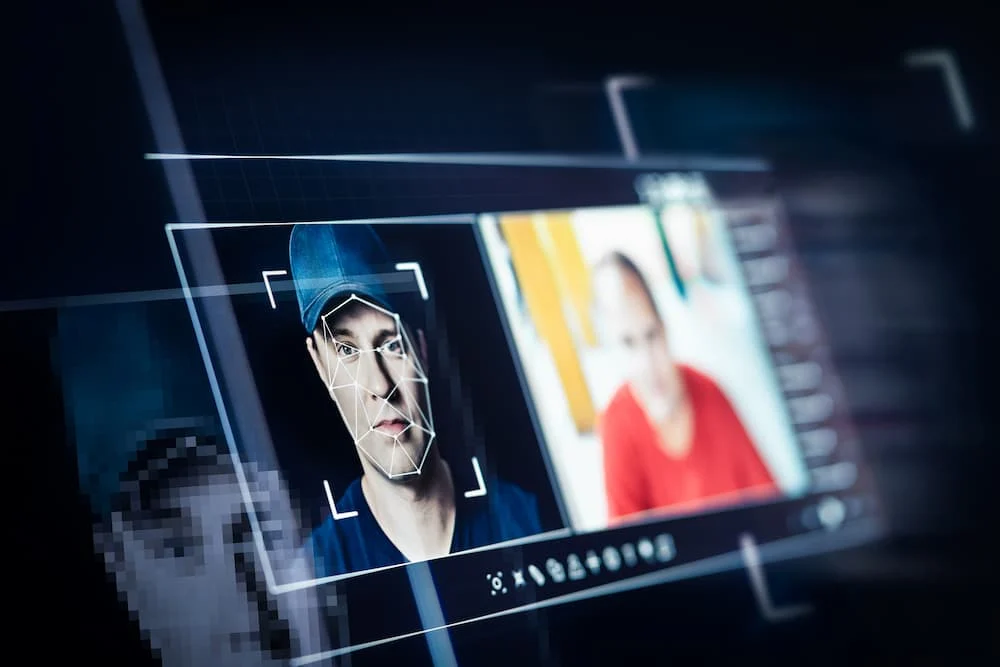
Deepfakes, a portmanteau of "deep learning" and "fake," are synthetic media in which a person in an existing image or video is replaced with someone else’s likeness. This technology, powered by advanced artificial intelligence algorithms, has become increasingly accessible and capable of producing highly realistic and convincing fabricated content. Initially, deepfake technology was primarily associated with non-consensual pornography and political disinformation campaigns. However, its application has rapidly expanded into the realm of financial fraud, where its ability to create seemingly authentic endorsements and representations can be exploited for illicit gain.
The underlying technology involves sophisticated neural networks, often Generative Adversarial Networks (GANs). GANs consist of two competing neural networks: a generator, which creates synthetic data (e.g., images or audio), and a discriminator, which tries to distinguish between real and fake data. Through a process of iterative refinement, the generator becomes increasingly adept at producing content that can fool the discriminator, leading to highly realistic outputs. This technological advancement, while offering creative possibilities, has also paved the way for its misuse in criminal enterprises.
A Rapid Ascent: The Chronology of Deepfake Fraud
The rise of deepfake scams has not been an overnight phenomenon, but rather an accelerating trend that has gained significant momentum in recent years. While isolated incidents may have occurred earlier, the widespread impact and reporting began to surge dramatically.
- Early Development and Public Awareness (Pre-2020s): The underlying AI technologies for deepfakes began to mature, with early examples and research appearing. Public awareness was largely limited to tech enthusiasts and those within cybersecurity circles.
- Emergence of Niche Scams (Early 2020s): As the technology became more accessible, rudimentary deepfake scams started to surface, often targeting individuals with less sophisticated understanding or through less polished fabricated content. These were often limited in scope and financial impact.
- The 2025 Surge (Reported Data): The BrokerChooser report highlights a dramatic inflection point in 2025, with reported incidents skyrocketing. This period likely saw a confluence of factors: increased accessibility of deepfake creation tools, greater sophistication in their application, and a widening gap between the prevalence of these scams and public awareness.
- Escalating Financial Losses (Past Year): The $893 million in U.S. losses over the past year, as reported by BrokerChooser, signifies the maturation of these scams into highly profitable criminal enterprises. The $1.13 billion in global losses from celebrity-focused scams further contextualizes the scale of the problem.
The rapid ascent underscores the agile nature of cybercriminals, who are quick to adopt and exploit emerging technologies for financial gain. The lack of widespread understanding about the capabilities of AI in generating realistic fake content has created a fertile ground for these scams to flourish.
The Power of Impersonation: Celeb-Baiting’s Dominance
The BrokerChooser report meticulously details the methodology behind these evolving scams, with celebrity impersonations standing out as a particularly effective, albeit disturbing, tactic. The allure of a trusted celebrity endorsing a financial opportunity is a powerful psychological lever that fraudsters are adept at pulling.
Key Findings on Celebrity Impersonations:
- Prevalence: Fake videos and images of well-known public figures were involved in 52% of all reported deepfake incidents in 2025.
- Financial Impact: "Celeb-baiting" scams are responsible for an estimated $1.13 billion in global losses.
- Common Modus Operandi: Fraudsters leverage AI-generated endorsements to promote:
- Fake Investment Platforms: Promising unrealistic returns and exclusive opportunities.
- Cryptocurrency Schemes: Often involving fake coin launches or fraudulent trading advice.
- Other Financial Products: Including dubious insurance policies or high-yield savings accounts that never materialize.
This tactic exploits the inherent trust and aspirational qualities associated with celebrities. Consumers are often more inclined to believe a financial opportunity presented by a beloved actor, musician, or public figure, especially when the endorsement appears visually and audibly authentic. The emotional connection and perceived credibility of the celebrity are weaponized to bypass critical thinking and due diligence.
The Celebrity Hit List: Who is Being Targeted?
The BrokerChooser report also sheds light on the specific celebrities who are most frequently targeted by deepfake scammers, highlighting the individuals whose likenesses are most often co-opted for fraudulent purposes. The data provides a quantitative measure of this exploitation:
- 1. Donald Trump: 19.58% of total deepfake reports. The former President’s high public profile and often controversial pronouncements make his likeness a frequent target for those seeking to lend an air of authority or notoriety to their scams.
- 2. Elon Musk: 10.49% of total deepfake reports. Musk’s association with innovation, technology, and cryptocurrency makes him a prime target for scams promoting new ventures or speculative investments.
- 3. Brad Pitt: 3.26% of total deepfake reports. The esteemed actor’s broad appeal and perceived trustworthiness make him a valuable asset for scammers aiming to create a sense of legitimacy.
- 4. Taylor Swift: 3.03% of total deepfake reports. Swift’s massive global fanbase and positive public image make her a compelling figure for scams targeting a wide demographic.
- 5. Scarlett Johansson: 3.01% of total deepfake reports. Known for her roles in major blockbusters and her articulate public persona, Johansson’s image can be used to lend credibility to financial schemes.
- 6. Tom Cruise: 2.10% of total deepfake reports. Cruise’s reputation for charisma and action-hero persona can be leveraged to create compelling, albeit fake, endorsements.
- 7. Joe Biden (tie): 1.94% of total deepfake reports. As the current President, Biden’s image is often used in political disinformation but also increasingly in financial scams that mimic official pronouncements.
- 7. Kamala Harris (tie): 1.94% of total deepfake reports. The Vice President’s public profile also makes her a target for similar fraudulent activities.
- 9. Kanye West: 1.86% of total deepfake reports. West’s often outspoken and controversial nature can be exploited by scammers aiming to create buzz or appear edgy.
- 10. Mark Zuckerberg (tie): 1.4% of total deepfake reports. As the founder of Meta, Zuckerberg’s association with technology and social media platforms makes him a relevant figure for scams related to digital assets or online ventures.
- 10. Barack Obama (tie): 1.4% of total deepfake reports. The former President’s enduring popularity and gravitas make his likeness a valuable tool for scammers.
The concentration of these figures at the top of the list is not coincidental. It reflects a strategic targeting of individuals with broad public recognition, diverse fan bases, and established reputations, thereby maximizing the potential reach and impact of their fraudulent schemes.
A Chasm of Ignorance: Low Public Awareness as a Key Vulnerability
Despite the exponential growth of deepfake scams, a critical disconnect persists: public awareness. The BrokerChooser report highlights a concerning reality: nearly two-fifths of Americans (37%) report having little to no understanding of what deepfakes are or how they are created. This pervasive lack of knowledge leaves a significant portion of the population vulnerable to increasingly sophisticated AI-generated content that can be virtually indistinguishable from reality.
This knowledge gap is a critical enabler of deepfake fraud. When individuals do not understand that their eyes and ears can be deceived by AI, they are less likely to exercise the necessary skepticism when encountering seemingly credible endorsements or urgent financial requests. The ease with which deepfakes can be produced and disseminated online further exacerbates this vulnerability. Social media platforms, while vital for communication, have also become fertile ground for the rapid spread of deceptive content.
The implications of this low awareness extend beyond individual financial losses. It contributes to a broader erosion of trust in digital information and can have significant societal consequences. As AI-powered scams become more sophisticated, the need for widespread digital literacy and critical thinking skills becomes paramount.
Broader Implications: A Growing Cyber Risk Landscape
The rise of deepfake scams is not an isolated phenomenon but rather a symptom of a larger, evolving cyber risk landscape. The BrokerChooser findings underscore several critical implications for individuals, businesses, and society as a whole:
- Escalating Financial Losses: The sheer volume of money lost to AI-driven fraud signals a significant drain on individual and potentially national economies. This trend is likely to continue as the technology matures and criminal enterprises become more adept at exploiting it.
- Erosion of Trust: The proliferation of convincing fake content can lead to a general distrust of online information, including legitimate news sources, financial advice, and even personal communications. This can have a chilling effect on online commerce and social interaction.
- Impact on Businesses: Employers are facing increased exposure to cyber, identity theft, and fraud-related claims. This necessitates a re-evaluation of cybersecurity protocols, employee training programs, and insurance coverage.
- The Future of Identity Verification: As deepfakes become more sophisticated, traditional methods of identity verification, such as video calls or facial recognition, may become less reliable. This will require the development of new, more robust authentication technologies.
- Regulatory and Legal Challenges: The rapid evolution of deepfake technology poses significant challenges for regulators and law enforcement. Developing effective legal frameworks to address the creation and dissemination of malicious deepfakes, and to prosecute perpetrators, is a complex and ongoing task.
- The Role of Employers in Education: The report implicitly calls for a more active role from employers in educating their workforce. This includes not only technical training on cybersecurity but also fostering a culture of critical thinking and skepticism towards online content. This could involve workshops, regular informational bulletins, and simulated phishing or deepfake detection exercises.
Moving Forward: Strategies for Mitigation and Defense
Addressing the escalating threat of deepfake scams requires a multi-pronged approach involving technological advancements, enhanced public awareness, and robust regulatory frameworks.
Technological Countermeasures:
- Deepfake Detection Tools: Continued research and development of AI-powered tools capable of detecting deepfakes are crucial. These tools analyze subtle inconsistencies in video, audio, and image data that may be imperceptible to the human eye.
- Digital Watermarking and Provenance Tracking: Implementing systems that can digitally watermark authentic content and track its origin can help users verify the legitimacy of media.
- Blockchain Technology: Blockchain’s immutable ledger can be explored for verifying the authenticity and integrity of digital assets and communications.
Public Awareness and Education:
- Media Literacy Campaigns: Broad-based public awareness campaigns are essential to educate individuals about deepfakes, their capabilities, and common scam tactics. This should be integrated into educational curricula at all levels.
- Employer-Led Training: As highlighted, businesses have a significant role to play in training their employees. This should be an ongoing process, not a one-time event, to keep pace with evolving threats.
- Skepticism and Verification: Encouraging a healthy degree of skepticism and promoting verification of information from multiple reputable sources are vital personal defense mechanisms.
Regulatory and Legal Responses:
- Legislation Against Malicious Deepfakes: Governments worldwide are grappling with how to legislate against the creation and dissemination of harmful deepfakes, particularly those used for fraud, defamation, or harassment.
- Platform Accountability: Social media platforms and content hosting services are under increasing pressure to develop and enforce policies that combat the spread of malicious deepfakes.
- International Cooperation: Given the global nature of cybercrime, international cooperation is essential for tracking down perpetrators and disrupting cross-border fraud operations.
The BrokerChooser report serves as a critical wake-up call. The exponential rise of deepfake scams, fueled by increasingly sophisticated AI technology and a significant gap in public awareness, poses a profound and escalating threat to financial security. Proactive, collaborative efforts from technology developers, policymakers, educators, businesses, and individuals are imperative to navigate this complex and rapidly evolving landscape and to safeguard against the insidious reach of AI-driven financial fraud. The future of digital trust and financial integrity hinges on our collective ability to adapt and respond effectively to this emergent challenge.