
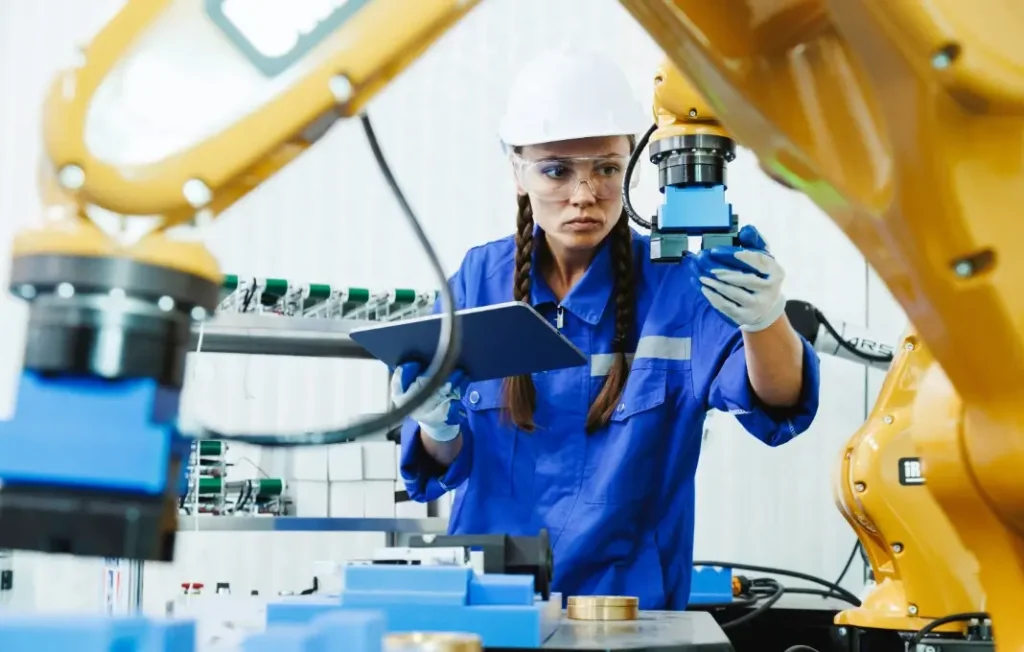
The landscape of American manufacturing is undergoing a profound transformation, marked by a strategic pivot towards technological advancement and workforce adaptation rather than a nostalgic pursuit of historically prevalent job roles. Following a period of significant disruption and recalibration at the dawn of the decade, the sector has coalesced around a renewed focus on growth and recovery. This resurgence is being fueled by substantial investments in cutting-edge technology, with manufacturers actively scaling smart manufacturing initiatives and embracing digital solutions to optimize operations and enhance resilience in the face of ongoing industry-wide challenges. A comprehensive survey conducted in late 2024 and early 2025 revealed a clear commitment from industry leaders: an overwhelming 80 percent of manufacturing executives indicated plans to allocate at least 20 percent of their improvement budgets toward the acquisition and implementation of smart manufacturing tools and technologies.
The Manufacturing Employment Paradox: Declining Numbers, Rising Expectations
Despite a palpable desire to bolster domestic manufacturing capabilities and elevate employee productivity through technological enhancements, the employment narrative presents a complex paradox. While the broader job market continues its dynamic fluctuations, the U.S. manufacturing sector experienced a notable contraction. Data from the Federal Reserve Bank of St. Louis indicates that between January 2025 and January 2026, the nation’s manufacturing sector shed an estimated 103,000 jobs. This decline can be attributed to a confluence of factors, including the lingering effects of trade tariffs, periods of subdued consumer and industrial demand, inherent productivity constraints within certain operational models, and persistent economic uncertainty that has dampened investment and expansion plans across various industries.
While these economic indicators provide a diagnostic framework for understanding the current challenges, they do not inherently chart a clear, actionable roadmap for future progress. The imperative to revitalize and fortify the domestic manufacturing workforce remains paramount. However, a critical question emerges: what kind of jobs are being created in this evolving environment? The prevailing consensus among industry analysts and forward-thinking executives is that the future prosperity of American manufacturing will not be determined by the successful restoration of employment levels seen in past decades. Instead, success will hinge on cultivating a workforce equipped with the skills to effectively leverage and maximize the potential of increasingly sophisticated technological tools. Manufacturers that strategically align their investments in digital solutions with a parallel commitment to strengthening their workforce’s requisite skill sets are poised to emerge as the leaders in this new era of industrial production.
Automation’s Dual Impact: Headcount Shifts and Evolving Skill Demands
The transformative influence of automation and digital technologies on the manufacturing sector is undeniable. According to insights from Deloitte’s research, a commanding 92 percent of manufacturing firms believe that smart manufacturing will serve as the primary catalyst for their competitive advantage over the next three years. This belief is directly translating into a surge in strategic technology investments. The widespread integration of automation, artificial intelligence (AI), and advanced smart factory technologies into existing operational infrastructures is driven by an overarching objective: to streamline processes, enhance efficiency, and elevate overall performance.
A significant byproduct of this intensified investment in AI and automation is a projected reduction in the reliance on purely manual labor roles. Concurrently, this technological infusion is sparking an increased demand for workers capable of engaging in more connected, data-driven, and insight-oriented tasks. As traditional production-centric roles see a gradual decline, the need for individuals proficient in data analysis, interpretation, and the management of AI-augmented systems is on the rise. This shift is not arbitrary; the potential benefits of these advanced manufacturing technologies are substantial and well-documented. Early adopters of smart manufacturing practices have reported impressive gains, including production output improvements ranging from 10 to 20 percent, employee productivity enhancements between 7 and 20 percent, and the unlocking of new capacity by 10 to 15 percent. However, realizing these significant benefits—such as productivity gains, cost reductions, and enhanced product quality—is inextricably linked to the workforce’s ability to adapt and keep pace with the rapid tempo of technological innovation. The true measure of a digital solution’s effectiveness is not determined by the sheer number of personnel employed by a facility, but rather by the depth of solution-specific expertise possessed by each individual worker. Therefore, maximizing the value derived from escalating investments in manufacturing technology will critically depend on empowering the existing workforce and effectively closing the burgeoning digital skills gap.
Bridging the Manufacturing Skills Gap: A Strategic Imperative
Addressing the pervasive skills gap within the manufacturing sector necessitates a concerted effort to overcome several entrenched structural workforce challenges. An aging demographic within the existing workforce, coupled with earlier-than-anticipated retirements and a persistent shortage of qualified young talent entering the field, contributes to a chronic deficit of skilled labor. This situation is further exacerbated by the ongoing job losses, creating a cycle of unfilled positions and operational inefficiencies. While the temptation might be to view automation as a straightforward solution to fill these voids, a more nuanced perspective reveals that a complete, wholesale automation of all production tasks is not yet a universally viable option.
Contemporary AI solutions, while increasingly sophisticated and capable, are not yet fully equipped to autonomously manage the entirety of complex production workflows. The most effective implementations of today’s AI technologies often involve a human element—a trained operator to oversee operations, interpret outcomes, and deliver the most informed and robust results. Instead of replacing human workers entirely, AI is increasingly positioned to augment their capabilities, helping to reduce cognitive load, accelerate decision-making processes, and enhance overall performance, provided that the workforce possesses the requisite skills to effectively interact with these advanced systems.
To foster this symbiotic relationship between human expertise and AI augmentation, manufacturers must strategically evolve frontline roles rather than seeking to replace or eliminate them. This evolution requires comprehensive training that extends beyond the mere technical operation of new tools and an understanding of how digital solutions function. It also involves educating workers on the critical nuances of when to apply these technologies throughout various manufacturing processes, fostering a sense of informed judgment and strategic application. The core competencies that upskilled workers will increasingly need to embrace include:
- Digital Literacy and Data Fluency: The ability to understand and interpret digital interfaces, navigate complex software systems, and grasp the fundamental principles of data collection, analysis, and application.
- Problem-Solving and Critical Thinking: The capacity to identify, analyze, and resolve issues that arise during automated or AI-assisted processes, utilizing both technological insights and human intuition.
- Adaptability and Continuous Learning: A mindset geared towards embracing new technologies, readily acquiring new skills, and adapting to evolving operational demands and workflows.
- Collaboration and Communication: The ability to work effectively with both human colleagues and AI systems, communicating insights, challenges, and solutions clearly and concisely.
- Technical Proficiency with Advanced Tools: Hands-on competence in operating and maintaining sophisticated machinery, robotics, and digital platforms integral to modern manufacturing.
Beyond these foundational capabilities, workers will require specialized training in solution-specific skills and processes to ensure they are maximizing the return on investment for the advanced tools and technologies that businesses are procuring.
Cultivating the Smart Manufacturing Talent Pipeline: A Sustained Effort
Building these essential skills within the existing workforce demands a deliberate and strategic approach to upskilling. This is not a one-time endeavor but rather an ongoing commitment. Initial pre-deployment training is crucial for enabling teams to rapidly acclimate to new solutions as they are introduced. However, regular post-deployment sessions are equally vital to ensure that workers remain abreast of the latest advancements and functionalities of all digital manufacturing solutions.
To embed this continuous improvement ethos, organizations should integrate ongoing evaluation and upskilling initiatives with their key production performance indicators. Metrics such as "time-to-proficiency" and "total adoption rate" should be meticulously measured as specific, intentional business outcomes. By reorienting their focus to prioritize training and upskilling as core, quantifiable business objectives, manufacturers can foster consistency, ensure alignment across different teams, and guarantee that these initiatives receive the necessary prioritization.
Strategic partnerships also represent a significant force multiplier in addressing the skills gap. The challenge of bridging the technological skills divide is an industry-wide issue that transcends the capacity of any single manufacturer or academic institution. A collaborative approach, characterized by the sharing of knowledge and best practices, offers the most effective path forward. By fostering alliances with industry peers, universities, vocational colleges, and engineering programs, manufacturers can collectively enhance digital literacy across the entire sector, rather than concentrating improvements within isolated organizations.
Smarter Manufacturers Will Secure the Competitive Edge
As the manufacturing workforce increasingly embraces data-driven decision-making and advanced analytics, the demand for new digital skill sets will inevitably escalate. It is imperative that manufacturers proactively prepare their workforces for these impending changes, rather than reacting haphazardly by adopting new tools without the commensurate investment in necessary training and skill development.
A cornerstone of successfully integrating smart technology onto the factory floor will involve ensuring that these solutions are readily available and accessible through a robust, interconnected, and consistent industrial data infrastructure layer. The ultimate success of any deployment of these connected solutions will be directly contingent upon the manufacturer’s commitment to equipping its teams with the skills necessary to operate harmoniously alongside AI and other advanced digital tools. Those organizations that make early and sustained investments in data, analytics, and AI-ready talent—not merely in the technologies themselves—are the most likely to achieve enhanced productivity, build greater operational resilience, and foster sustainable, long-term growth in the competitive global marketplace.








