The artificial intelligence industry is currently captivated by the impending public offerings of OpenAI and Anthropic. These two prominent AI research labs, each spearheaded by influential CEOs, represent the vanguard of a rapidly evolving technological frontier. As details surrounding their potential IPOs emerge, a keen interest has been piqued regarding their competitive strategies and market positioning. This heightened scrutiny is amplified by ongoing discussions about the cultural dynamics within these burgeoning AI giants, a topic recently explored in depth.
However, a compelling counter-narrative suggests that while the enterprise AI market is crowded with established tech titans such as Google, Amazon, Nvidia, and Oracle, alongside the aforementioned AI labs, the most significant beneficiary might well be Microsoft. This analysis will delve into the multifaceted nature of the enterprise AI market to elucidate this proposition.
The Three Pillars of Enterprise AI Adoption
The enterprise market for artificial intelligence can be broadly segmented into three critical components: the foundational AI models, the user-facing application layers, and the overarching ecosystem that supports their integration and scalability.
1. The AI Model: Specialization Over Universalism
The first and perhaps most fundamental aspect of enterprise AI is the AI model itself, and the critical challenge of determining which specific applications each model is best suited to serve. The initial broad-stroke approach of a single model attempting to address all needs is rapidly giving way to a more nuanced understanding of specialization.

For instance, developers are increasingly discerning about the optimal model for distinct tasks. Coding and analytical applications might leverage Anthropic’s Claude, while narrative generation and document processing could favor OpenAI’s models. Google’s Gemini is being considered for analytical and scientific applications, and even newer entrants like Grok are being eyed for robotics and motion-related tasks. The eventual role of world models, such as those being developed by Nvidia, remains an open question.
This product-market fit is still in its nascent stages. AI labs are continually optimizing their algorithms and training data to cater to diverse enterprise requirements. It is now evident that a singular AI model cannot effectively address every conceivable business need. The complexity extends beyond raw computational power; the meticulous collection, labeling, and refinement of training data are paramount. A pharmaceutical company, for example, would require a model specifically trained on biological data, such as proteins and advanced genetics, to achieve optimal performance.
Anthropic has notably set a high benchmark in code generation, a capability foundational to many AI-driven tasks. Yet, the critical question remains: will OpenAI pivot towards healthcare, or will Google delve deeper into biology? Which model will ultimately excel in optimizing for the physical world, encompassing applications in robotics, manufacturing, and transportation? Nvidia and potentially Grok are strong contenders in this domain.
Consequently, business buyers will likely require a portfolio of AI models. The assertion that a single AI solution can fulfill all needs is increasingly losing credibility. Specialized, vertical AI systems, much like dedicated software solutions, tend to improve significantly over time with focused development. For example, AI platforms dedicated to human capital management, such as AI Galileo, have demonstrated remarkable intelligence by concentrating on specific domains like HR, labor markets, skills, and management, effectively serving as consultants for complex human capital challenges.
2. The AI Harness: The Crucial Application Layer
The second critical component is the "surface," or the application experience that surrounds and interacts with the AI model. This encompasses the desktop interfaces, toolkits, integration capabilities, and development environments that facilitate user interaction. These are, in essence, applications built around the models, rather than the models themselves. Factors such as memory capacity, personalization features, user experience (UX), and the seamless integration with external data sources and existing systems are paramount.
This layer of software is often referred to as the "AI Harness." In today’s technology landscape, user experience is of paramount importance. If a virtual assistant like Apple’s Siri were to achieve a high degree of intelligence and ease of use, it could quickly garner a user base of billions. The underlying model would be a secondary consideration compared to the overall user experience.
Microsoft’s historical success in the personal computer market provides a valuable analogy. The company achieved dominance not only by licensing and adopting graphical user interfaces but also by relentlessly focusing on the application experience of its productivity suite, including Excel, PowerPoint, and Outlook, integrated within the Windows operating system. While competitors like Lotus 1-2-3 and Multiplan may have reached the market earlier, the superior "fit and finish" of Microsoft’s offerings ultimately prevailed, evidenced by its 450 million paying users.
Similarly, business developers and IT professionals are increasingly prioritizing the user experience and integration capabilities of AI solutions. This necessitates a robust "AI Harness" that seamlessly connects with existing enterprise systems such as SAP, Oracle, Workday, Salesforce, ServiceNow, QuickBooks, and HubSpot.
3. The Ecosystem: Fostering Growth and Interoperability
The third pillar is the ecosystem surrounding AI platforms. Businesses demand AI solutions that offer a rich tapestry of applications, integrations, tools, and third-party support. When developing platforms like Galileo, the immediate feedback from customers often revolved around integration needs: "How can we connect Galileo to XYZ?" This requirement extends to connecting with policy databases, leadership models, and compliance training modules, among others. Addressing these integration demands has become a core function, even for platforms not initially designed for such broad connectivity.
In the enterprise space, where significant AI-driven profit potential resides, vendors must cultivate ecosystems of partners who can generate revenue by building upon their platforms. Discussions with HR and IT leaders consistently reveal a dual demand: readily available, packaged AI tools for immediate employee needs, and, more critically, a robust platform for building, purchasing, and managing agentic applications. These platforms must complement and, in time, replace existing trillions of dollars invested in legacy systems, without locking businesses into a single vendor in a rapidly evolving and creative market.
Therefore, in the current AI paradigm, the "engine" – the underlying model – is becoming less critical than the "surface" – the application experience and its surrounding ecosystem.
The "Surface" vs. The "Model": A Paradigm Shift
The discourse in the AI industry has shifted from solely focusing on "models" to increasingly discussing "surfaces." An AI "surface" represents the application experience, distinct from the underlying Large Language Model (LLM). It is the application built on top of AI that truly matters, not solely the AI itself. The synergy between the surface and the model creates the ultimate user experience.
For corporate environments, the "surface" encompasses the tools, speed, user interface, historical data accessibility, and the efficacy of the semantic connectivity layer. When an AI is connected to an HR system or email, the integration should yield valuable data, not just random outputs.
An illustrative example of a failed integration involved Claude’s connection with HubSpot. Despite promotional efforts by both companies, the integration faltered when asked to retrieve a list of largest clients and their recent marketing interactions. The system struggled to find data, timed out, and ultimately failed. This highlights a deficiency in the "surface" – specifically, the "context layer" responsible for enabling Claude to formulate the correct queries – rather than a flaw in the underlying model.
The challenge for Anthropic and OpenAI lies in their ability to facilitate such integrations effectively. They are reliant on third parties like ServiceNow, Microsoft, or Accenture to build these crucial interfaces. If these integration applications are poorly executed, the platform’s reputation and adoption rates suffer.
Enter Microsoft: Dominating the AI Landscape
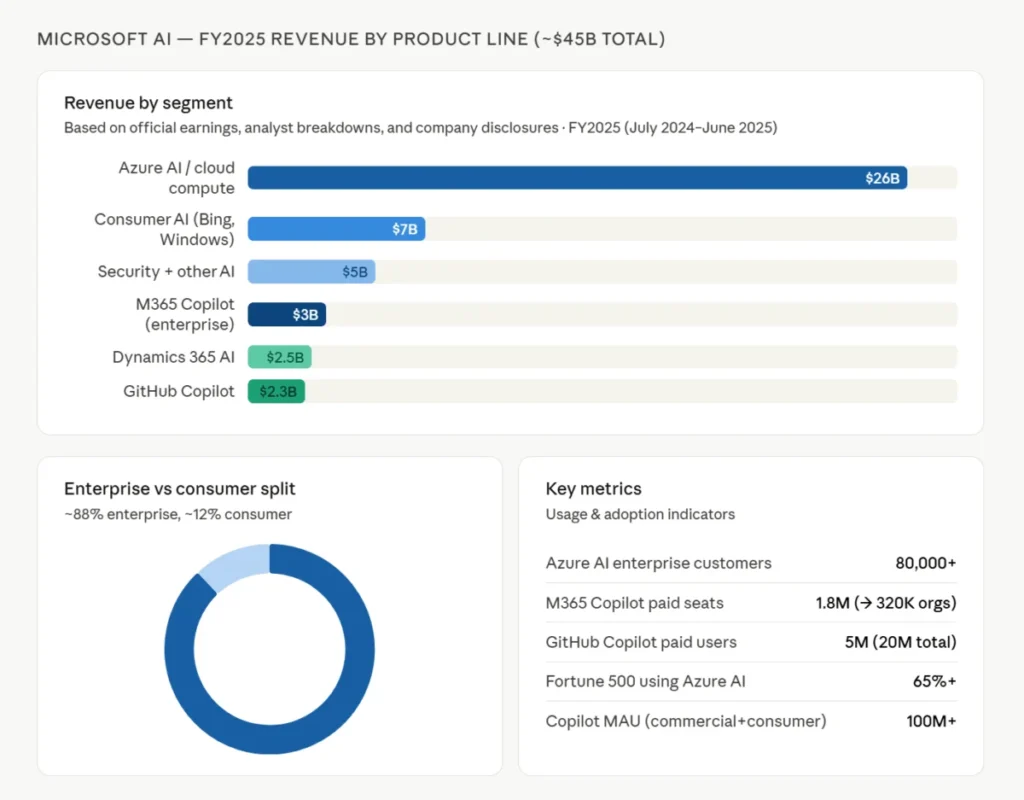
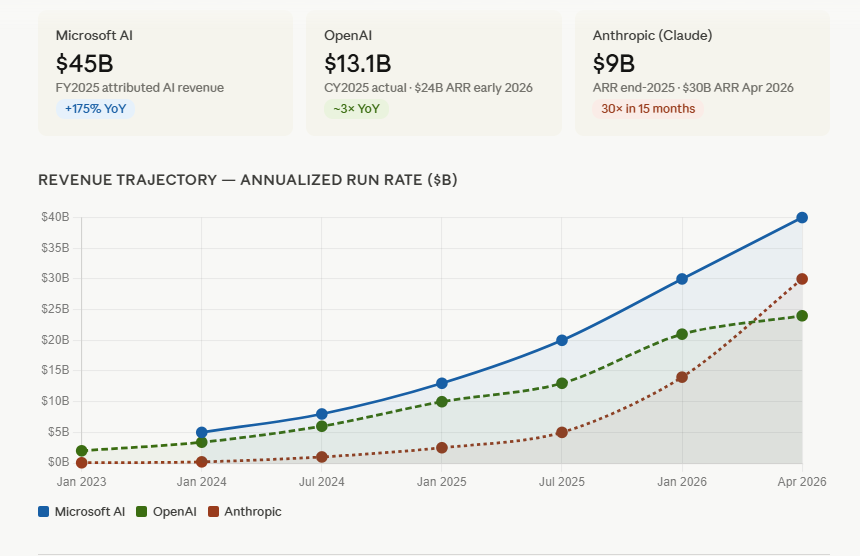
An examination of the reported revenue streams of OpenAI and Anthropic reveals a significant reliance on consumer subscriptions and the sale of AI compute power to other providers, respectively. Estimates suggest OpenAI’s revenue could approach $30 billion, driven by a substantial consumer user base paying monthly fees. Similarly, Anthropic’s revenue projections, also around $30 billion, are largely derived from large enterprise clients.
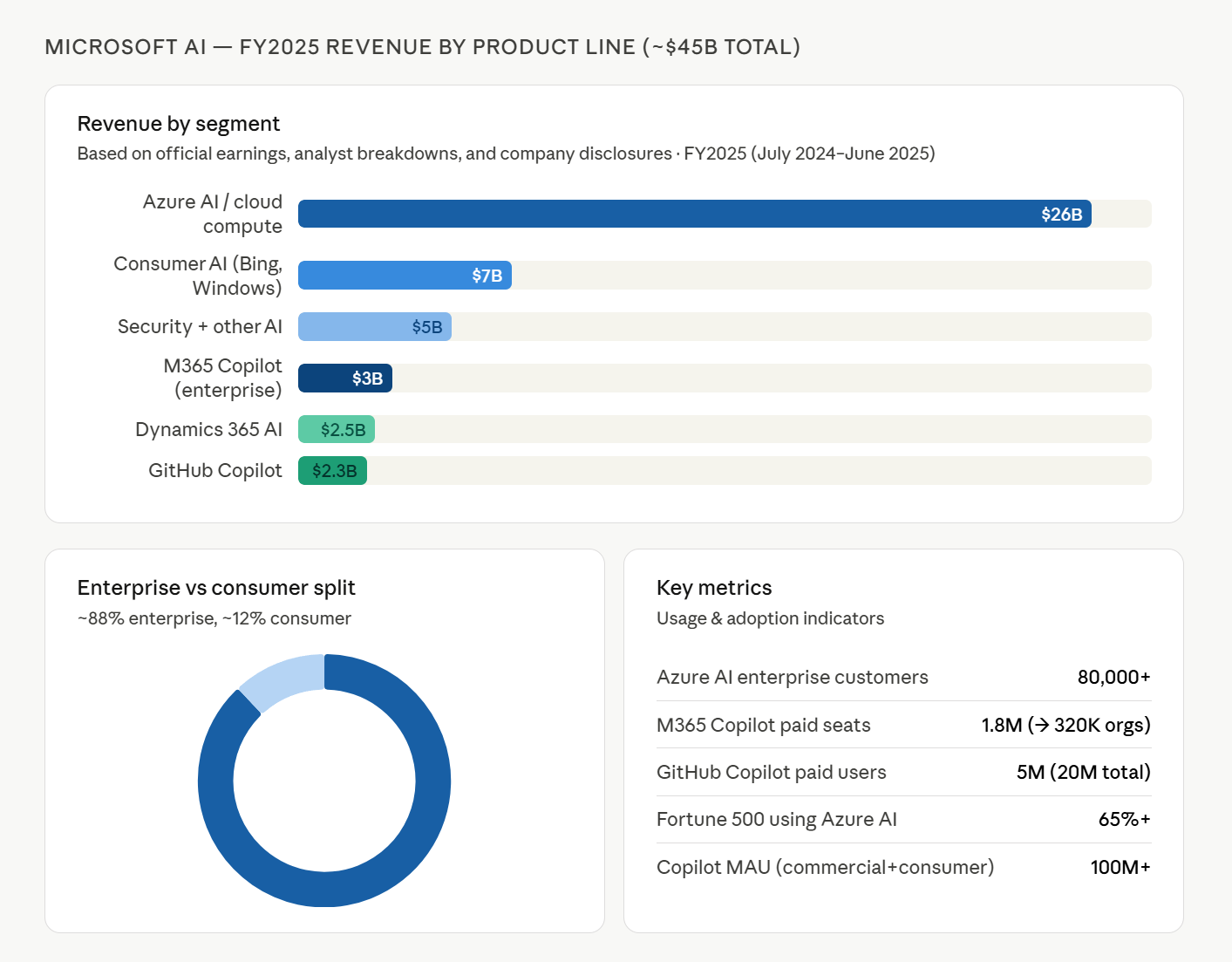
However, the true revenue generation from the "surface" – the integrated application experience – appears to be dominated by Microsoft. The company boasts approximately 15 million licensed users of its Copilot, generating an estimated $4.5 to $5 billion annually based on an average monthly price of $25. Factoring in Azure API services, Microsoft’s AI revenue is projected to exceed $25 billion, with its AI segment experiencing robust growth.
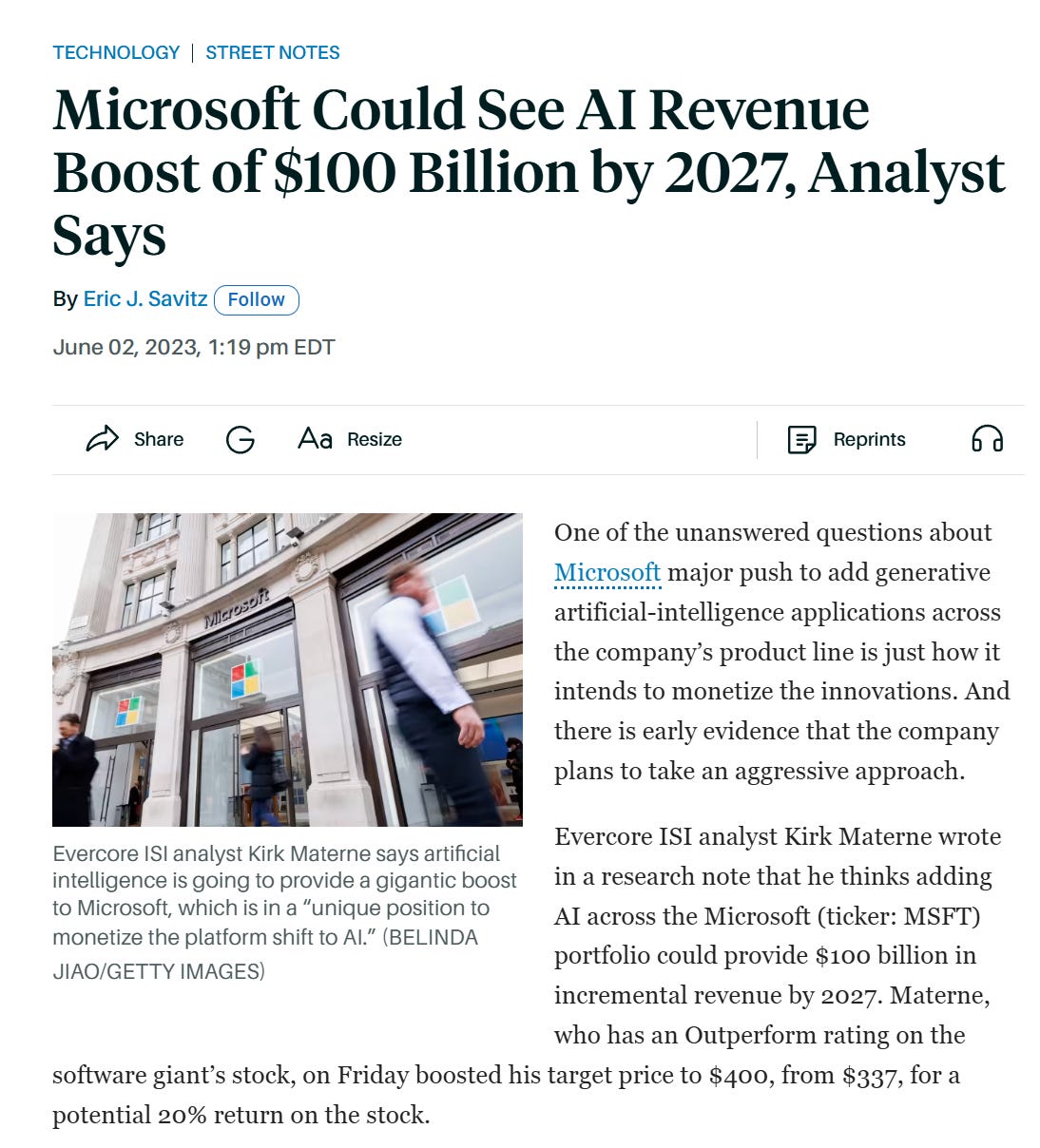
Microsoft’s own projections anticipate over $100 billion in new AI revenue within the next three years, a target that some analysts believe could be surpassed.
Why Microsoft is Gaining Ground
Several key factors contribute to Microsoft’s ascendant position in the enterprise AI market. Recent discussions with Seth Patton, Head of Microsoft Copilot Product Marketing, underscore a significant evolution in Copilot’s strategy. It has transformed from a collection of product-specific plugins into an integrated platform capable of harnessing OpenAI, Anthropic, and internal Microsoft models, alongside proprietary corporate data.
Copilot’s Evolution: From Disparate Components to a Unified Platform
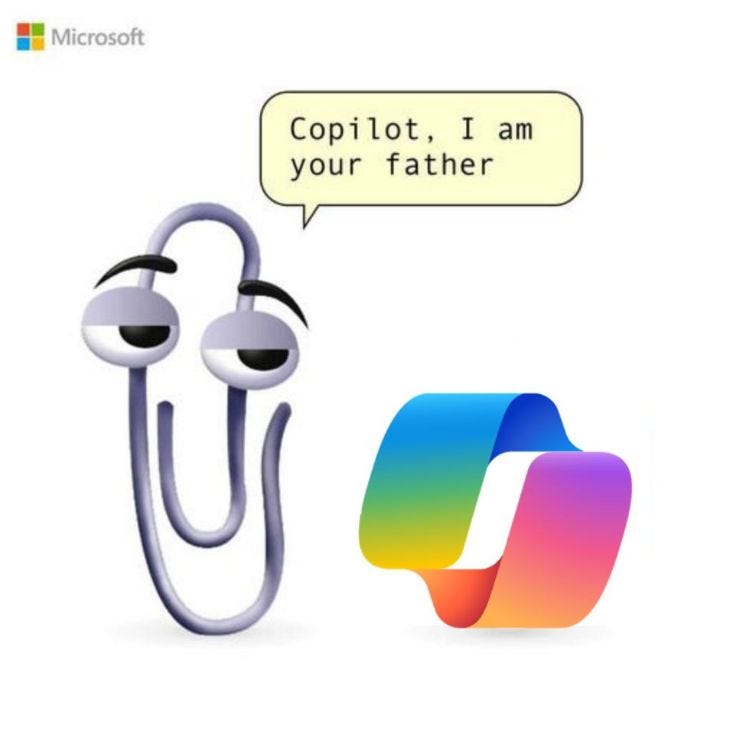
In its early stages (circa 2022), Copilot was largely perceived as an integration of OpenAI’s ChatGPT into Microsoft’s Bing search engine. This evolved into the broader Microsoft Copilot vision, initially reminiscent of the helpful but sometimes intrusive "Clippy" assistant.
Microsoft rapidly expanded Copilot’s reach, launching versions for Microsoft 365, Dynamics, Excel, GitHub, and numerous other applications. The company’s product teams demonstrated ambition by developing a proliferation of "surfaces" atop ChatGPT. This rapid development led to the introduction of Copilot Studio, Agent 365, Work IQ, and various other Copilot-powered tools. Simultaneously, Microsoft fortified its infrastructure with M365 Graph Connectors for data integration, fine-tuning capabilities for personalized intelligence, and essential IT management tools. The sheer pace of innovation, while impressive, initially resulted in a somewhat disjointed product offering.
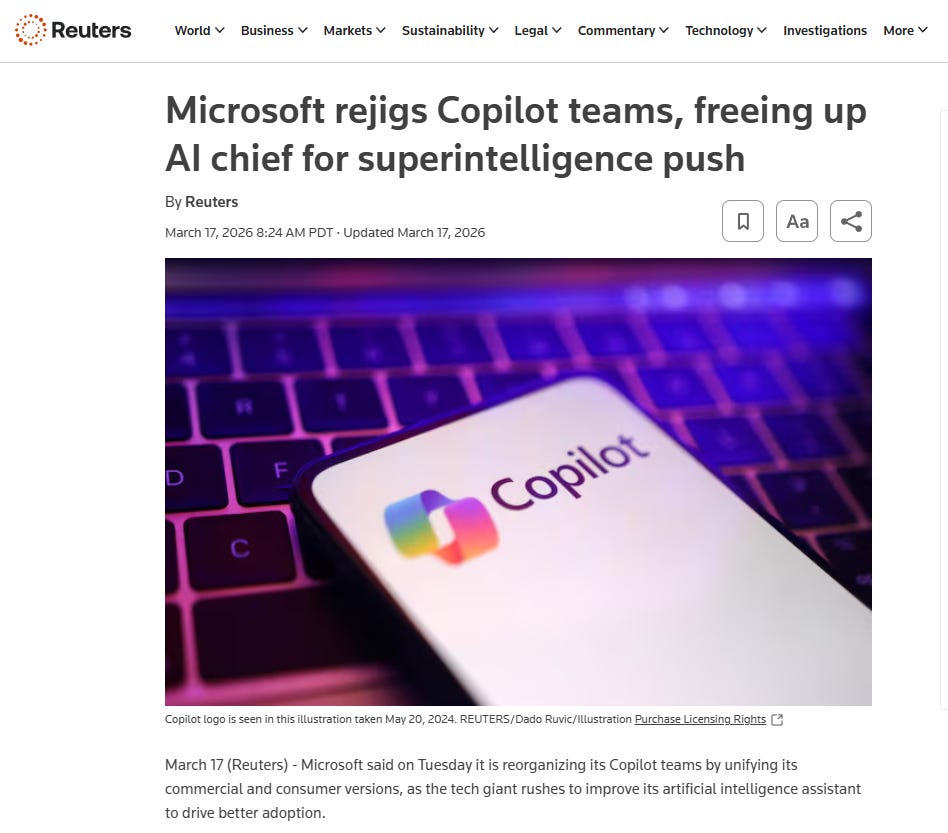
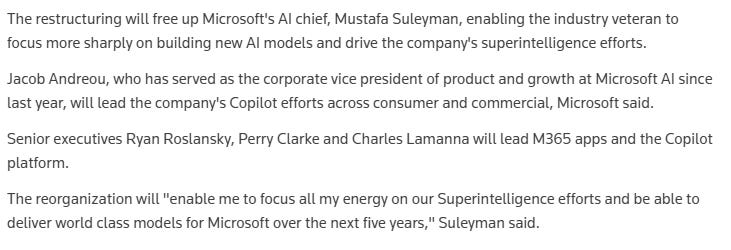
However, a strategic reorganization under Satya Nadella has consolidated Copilot product teams into a single, unified organization. This move addresses customer confusion and allows Microsoft’s AI engineering group to focus on its own model development. The leadership of this unified Copilot effort, including Jacob Andreou (ex-Snap), Ryan Roslansky (LinkedIn), Perry Clarke (Copilot Core), and Charles Lamanna (Agents and Apps), signals a clear strategic direction. This integrated approach enables Microsoft to operate with the efficiency and strategic alignment seen in companies like Nvidia, where all engineering layers are unified under a single vision.
This consolidation effectively:
- Streamlines the user experience: Offering a more coherent and intuitive interface across all AI-powered applications.
- Enhances integration capabilities: Providing a unified framework for connecting with diverse data sources and enterprise systems.
- Accelerates innovation: Allowing for more focused development and deployment of new AI features and functionalities.
- Strengthens the ecosystem: Creating a more attractive platform for third-party developers and partners.
While the journey to this integrated platform has had its complexities, the outcome is a significantly more cohesive and powerful offering.
Microsoft’s Value Proposition
Microsoft’s increasing market share is driven by several critical factors. The corporate market increasingly demands integrated toolsets encompassing desktop applications, development tools, IT management for AI agents, and seamless connectivity with legacy systems. While competitors like ServiceNow and Okta play significant roles in this ecosystem, Microsoft’s ability to build out these capabilities, in conjunction with its partners, is a distinct advantage. The ongoing development of Work IQ and the substantial investments in Agent365 and Copilot Studio underscore this strategy.
Furthermore, the application development world, a vast and critical sector, is poised to benefit from a more integrated set of tools. This means that ERP, financial, productivity, analytics, and other software vendors will increasingly provide APIs to integrate with the "Copilot-land" ecosystem. Navigating the array of integration options – whether it’s Teams, Graph, Work IQ, or Fabric – is becoming clearer.
From an end-user perspective, the integration of AI applications into the familiar Microsoft desktop environment is a compelling proposition. The current Copilot experience is steadily improving, and it is reasonable to expect Microsoft to dedicate top UI design talent to this area, refining its aesthetic and usability.
Microsoft’s extensive partner network is also poised for significant acceleration. As APIs for Work IQ become available, a multitude of corporate cloud vendors, many of whom are concerned about potential disruption from AI agents, will seek opportunities to integrate their offerings.
Deepening Value-Add with an Open Platform
The transition of Copilot into an open platform unlocks substantial value-add opportunities:
- Advanced Research Capabilities: Features like "Researcher" allow Copilot to perform in-depth analyses of data within the Microsoft Graph, providing insights and advice based on calendar information and other personal data. While still evolving, this capability offers immense value to individuals and leaders.
- Intelligent Routing: New Microsoft Agents enable users to compare query performance across different AI models, optimizing token usage and cost. Over time, these agents will be capable of decomposing complex AI tasks and distributing them among various specialized agents.
- Agentic Interfaces for Microsoft Apps: The enhanced Copilot allows for dynamic interaction with complex documents, enabling users to ask questions, modify tables, run reports, and create graphs directly within Copilot, with changes reflected in applications like Word, Excel, and PowerPoint. This extends the "in-app" Copilot experience across the entire Microsoft suite.
- Intelligent Context Layer in Work IQ: The forthcoming Work IQ API will empower companies to import and build "context" into Copilot, transforming it into a truly agentic system for HR, finance, sales, and other business functions. This allows for the creation of specialized AI agents deeply embedded within corporate workflows.
This evolution, as discussed in recent podcasts and articles concerning semantic layers, opens the door for sophisticated plugins from corporate applications, which can then be intelligently leveraged and "agentified" within the Copilot framework.
Platforms like Galileo are already integrating through Graph connectors and fine-tuned models, enabling employees to access specialized AI advisory services for leadership, management, HR, and training. This expanded API ecosystem allows for the incorporation of even more use cases, positioning Galileo as a leading management and HR advisor for any employee.
The trajectory of OpenAI and Anthropic’s public offerings will undoubtedly shape the AI landscape. However, Microsoft’s strategic focus on building a comprehensive "surface" – an integrated, user-friendly, and ecosystem-driven AI experience – positions it exceptionally well to capture a dominant share of the enterprise AI market. Its ability to leverage existing infrastructure, vast partner network, and a clear vision for agentic applications suggests that the company is not merely a participant but a potential architect of the future of enterprise AI.