
A New York federal judge has issued a significant ruling in the ongoing legal battle between global delivery giants and the City of New York, dismissing the majority of a lawsuit brought by Uber Technologies Inc. and DoorDash Inc. The decision, handed down on August 21, 2026, largely upholds the city’s regulatory authority over the digital interfaces of delivery platforms, though it leaves the door open for a targeted challenge regarding the First Amendment and compelled speech.
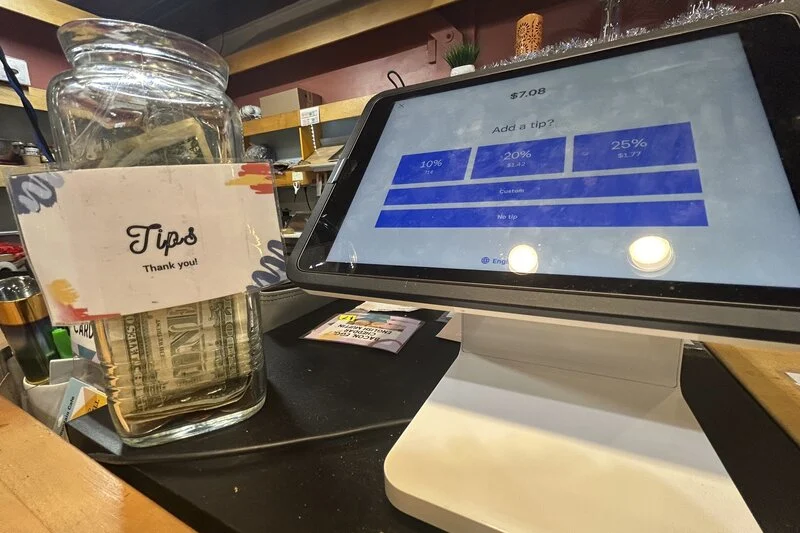
The litigation centers on a New York City mandate that requires third-party delivery services to display a specific tipping prompt at or before the point of checkout. This prompt must include an option for customers to tip at least 10% of the order total. While the court dismissed five of the six claims brought by the platforms—including allegations of due process violations and state-law preemption—it allowed the "compelled speech" challenge to proceed toward trial.
The Core of the Judicial Ruling
The ruling, delivered in the U.S. District Court for the Southern District of New York, serves as a partial victory for the city’s Department of Consumer and Worker Protection (DCWP). The judge determined that the city possesses the broad regulatory power to oversee the gig economy and protect the earnings of the estimated 65,000 delivery workers operating within the five boroughs.
The dismissed claims primarily focused on the argument that the city had overstepped its legislative bounds and that the tipping mandate was arbitrary or capricious. The court found these arguments unpersuasive, noting that the city provided a rational basis for the regulations: ensuring transparency for consumers and financial stability for workers who rely on a combination of base pay and gratuities.
However, the survival of the compelled speech claim represents a significant hurdle for the city. Under the First Amendment, the government is generally prohibited from forcing private entities to convey a specific message. Uber and DoorDash have argued that by requiring a specific 10% tipping option to be prominently displayed at a specific stage of the transaction, the city is effectively hijacking their proprietary software to broadcast a government-sanctioned financial recommendation.
Historical Context and the Minimum Pay Conflict
To understand the current legal impasse, one must look back to the implementation of New York City’s landmark delivery worker pay laws in 2023. At that time, the city established a minimum pay rate for app-based delivery workers, which was set to increase annually. As of 2026, that rate has risen to nearly $20 per hour, excluding tips.
Following the initial implementation of the pay floor, Uber, DoorDash, and Grubhub adjusted their app interfaces. Most notably, they moved the tipping prompt from the initial checkout screen to a stage after the order had been placed and delivered. The platforms argued that since workers were now earning a guaranteed hourly wage, the urgency of pre-delivery tipping had diminished. They also suggested that moving the tip prompt helped keep upfront costs lower for consumers, thereby maintaining order volume.
Labor advocates and the NYC Council viewed this move as a retaliatory tactic designed to suppress worker earnings. In response, the city passed the legislation currently under fire, which mandates that the tipping option be returned to the pre-checkout or checkout phase and that it include a 10% suggestion as a baseline.
A Timeline of Regulatory Tension
The friction between New York City and the "Big Three" delivery platforms—Uber, DoorDash, and Grubhub—has followed a consistent timeline of legislation followed by litigation:
- June 2023: New York City announces the first-of-its-kind minimum pay rate for app-based delivery workers, aiming to bring earnings in line with the city’s standard minimum wage.
- July–November 2023: Platforms file lawsuits to block the pay rate. After several delays, the courts allow the city to proceed.
- December 2023: The pay law officially takes effect. Shortly thereafter, Uber and DoorDash move tipping prompts to the post-delivery phase of the user experience.
- Early 2024: Delivery workers report a sharp decline in total take-home pay as customer tipping frequency drops by an estimated 30% to 50% due to the UI changes.
- Late 2024: The NYC Council introduces and passes a series of "Transparency and Fairness" bills, including the requirement for pre-checkout tip prompts with a 10% minimum suggested option.
- 2025: Uber and DoorDash file a joint federal lawsuit challenging the tip prompt mandate, alleging it violates the First Amendment, the Due Process Clause, and the Equal Protection Clause.
- August 21, 2026: The federal court dismisses five of the claims but allows the First Amendment compelled-speech claim to move forward.
Supporting Data: The Impact on Worker Earnings
Data released by the NYC Department of Consumer and Worker Protection in early 2026 highlighted the economic stakes of the tip prompt placement. According to the report, when tipping prompts were moved to the post-delivery phase in 2024, the average tip per order fell from $4.50 to $1.25.
While the platforms argued that the higher base pay compensated for this loss, worker organizations such as Los Deliveristas Unidos countered that the loss of tips resulted in a net stagnation of income, especially when factoring in the increased costs of e-bike maintenance and inflation.
The city’s data suggested that:
- Consumer Behavior: Approximately 65% of consumers are less likely to tip if the prompt appears after the service has been rendered rather than during the initial payment flow.
- Platform Revenue: By moving the tip prompt, platforms saw a 4% increase in total order volume, as the perceived "sticker price" of a meal appeared lower at checkout.
- Worker Retention: Delivery worker turnover rates in NYC increased by 12% in the year following the UI changes, which advocates attributed to the "tipping cliff."
Official Statements and Reactions
Following the judge’s ruling, both sides expressed a mix of resolve and caution. A spokesperson for the New York City Law Department praised the court’s decision to dismiss the majority of the platforms’ claims.
"We are pleased that the court recognized the city’s clear authority to regulate these platforms and protect the livelihoods of essential workers," the statement read. "The city’s laws are designed to ensure transparency for New Yorkers and a fair day’s pay for a fair day’s work. We remain confident that the remaining claim regarding the tip prompt will eventually be resolved in the city’s favor, as these are common-sense consumer disclosures."
Conversely, a spokesperson for DoorDash characterized the survival of the First Amendment claim as a victory for the principle of corporate autonomy.
"While we are disappointed that the court did not dismiss the entirety of this overreaching legislation, we are encouraged that our primary concern regarding compelled speech will move forward," the DoorDash representative stated. "The government should not be in the business of dictating the design of private apps or forcing companies to solicit payments under specific, government-mandated terms. We believe this mandate interferes with our ability to provide a seamless experience for our customers."
Uber echoed these sentiments, suggesting that the city’s "micromanagement" of app interfaces sets a dangerous precedent for the tech industry at large.
Legal Analysis: The Compelled Speech Threshold
The survival of the First Amendment claim is the most legally complex aspect of the case. In constitutional law, "compelled speech" cases often hinge on whether the required disclosure is "purely factual and uncontroversial" (the Zauderer standard) or if it forces an entity to adopt a specific viewpoint.
The city argues that the 10% tip prompt is a factual disclosure about customary tipping practices and worker compensation. Uber and DoorDash, however, argue that the 10% figure is not a "fact" but a policy preference that the city is forcing them to endorse. They contend that by mandating the 10% option, the city is effectively making a value judgment on what a delivery is worth, which interferes with the platforms’ own dynamic pricing and marketing strategies.
Legal observers suggest that if this case reaches the Supreme Court, it could redefine the boundaries of "commercial speech" in the digital age. As more cities move to regulate the "gig economy," the question of who controls the "digital shelf"—the government or the software developer—becomes a central constitutional conflict.
Broader Implications for the Gig Economy
The outcome of this case will likely serve as a blueprint for other major metropolitan areas, including Seattle, San Francisco, and Chicago, which have considered similar pay and transparency mandates. If the 10% tip prompt is ultimately struck down as unconstitutional compelled speech, cities may have to find other ways to influence worker earnings, such as further raising the mandatory base pay rate.
Furthermore, the ruling underscores a growing tension in the "platform-to-consumer" business model. As delivery apps become essential infrastructure for urban life, they are increasingly being treated like public utilities rather than private software companies. This transition brings with it a higher level of scrutiny regarding how their algorithms and user interfaces affect the public interest.
For the 65,000 delivery workers in New York City, the immediate impact of the ruling is a state of legal limbo. While the 10% prompt remains a requirement for now, the looming trial on the compelled speech claim means the digital landscape of the delivery industry is far from settled.
As the case moves toward the discovery phase, legal teams on both sides will likely delve deeper into the data regarding consumer psychology and the financial mechanics of the tipping economy. The final resolution of the "Uber, DoorDash Tip Prompt Suit" will ultimately determine the extent to which a city can dictate the "look and feel" of the apps that power its modern economy.








