The current economic climate is marked by a stark and growing disparity: the cost of essential goods and services like fuel, transportation, housing, and food continues to climb, while wage growth lags significantly behind. This situation is prompting widespread concern, leading many to question whether these are isolated economic fluctuations or symptoms of a deeper, systemic issue. Recent reports and analyses suggest the latter, painting a complex picture of decades-long trends that have eroded the purchasing power of average Americans.

The Escalating Cost of Living: A National Concern
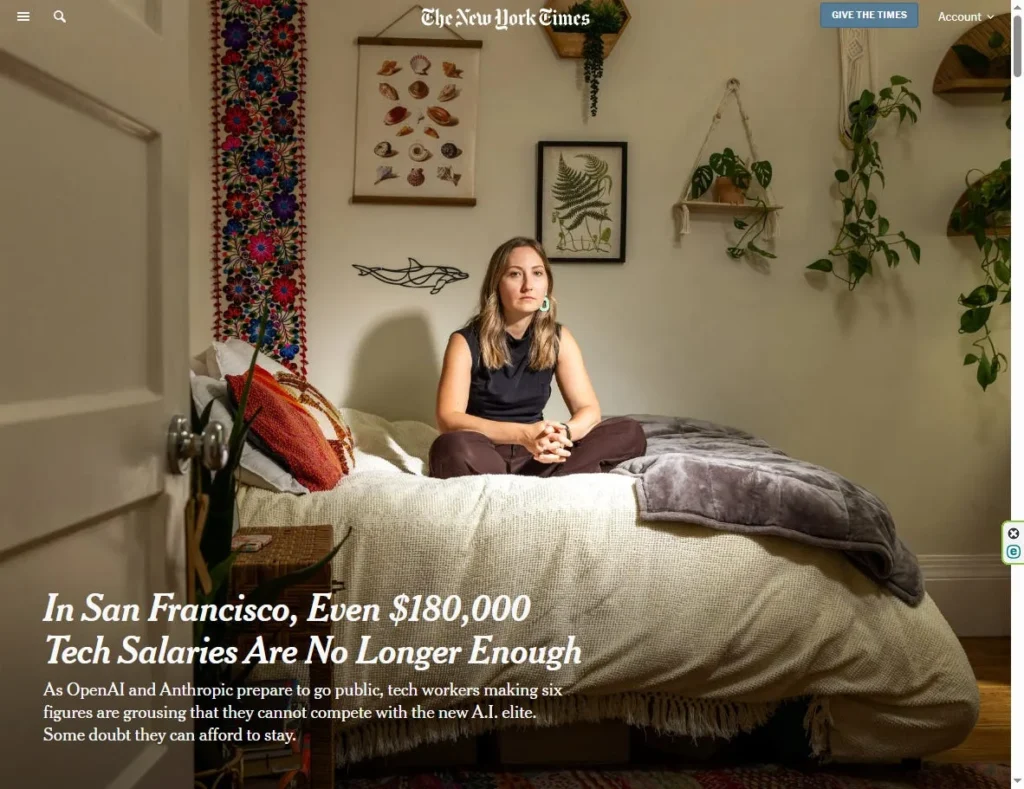
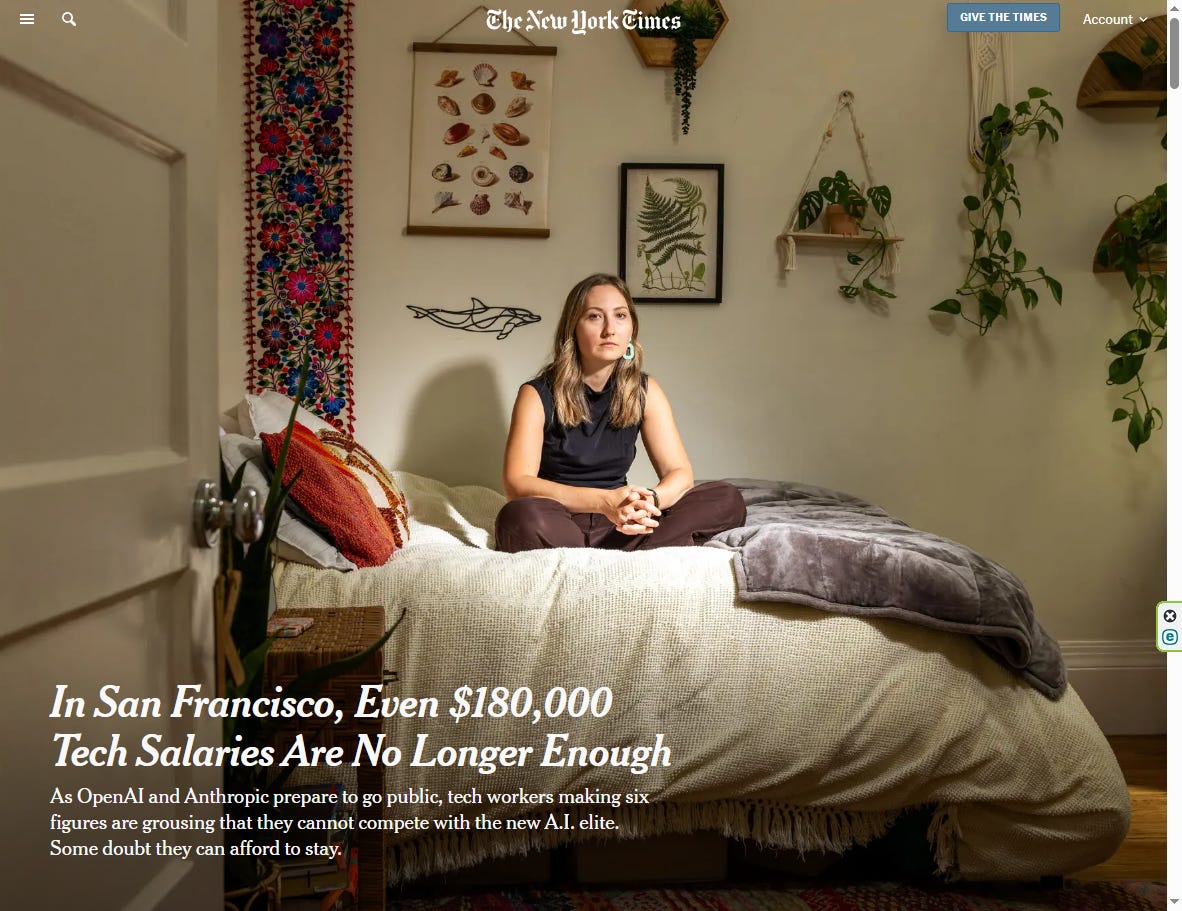
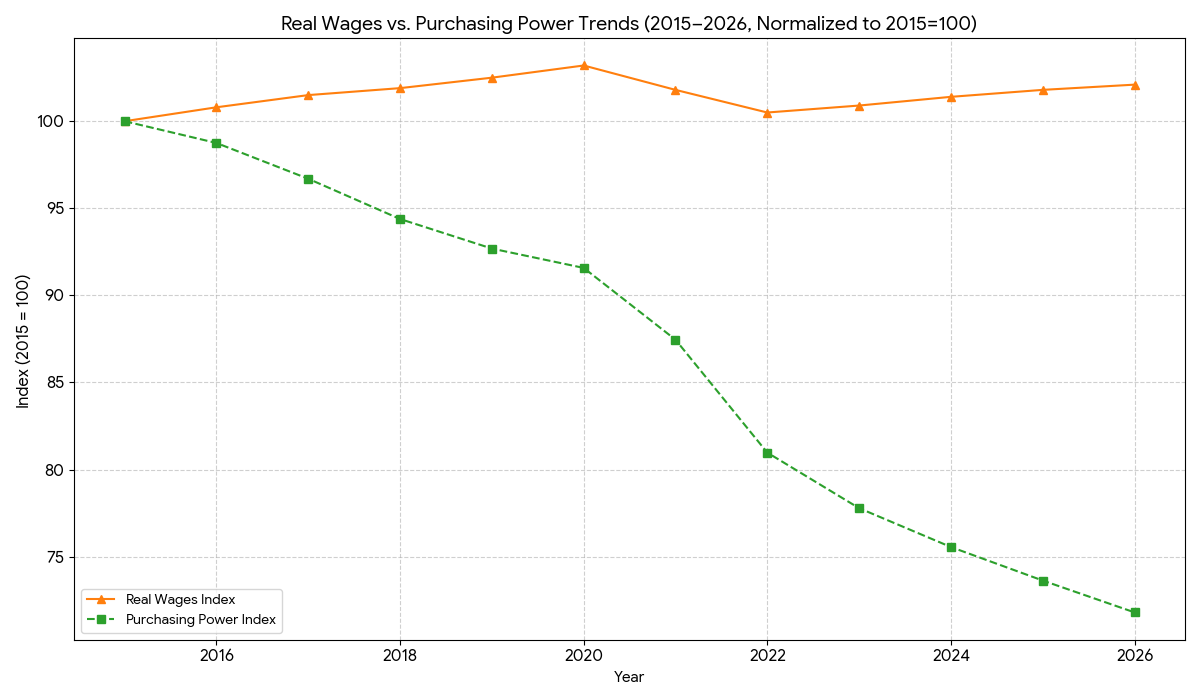
The financial pressures are palpable across the country. A recent New York Times article highlighted the stark reality for tech professionals in San Francisco, where a combined household income of $370,000 is reportedly insufficient to secure a "nice" apartment. This anecdotal evidence is supported by broader economic data. For the year 2026 to date, key cost indicators have seen substantial increases: gas prices have risen by 24%, energy costs by 27%, airline fares by 26%, and essential food items like fruits and vegetables have seen a 5% increase. In stark contrast, average private sector wages have only climbed by 3.5% during the same period.
This widening gap between income and expenses is not confined to high-cost urban centers or specific industries. It is a national phenomenon impacting a broad spectrum of the population, including workers striving to make ends meet, families struggling to balance budgets, and retirees whose fixed incomes are increasingly strained.
The "Unretirement" Phenomenon: A Symptom of Financial Strain
The impact of these rising costs is so profound that it is driving a notable trend: "unretirement." According to research from AARP, a significant percentage of individuals who had retired are now returning to the workforce. In 2026, approximately 7% of retirees have reportedly "unretired," and a further 12% of seniors have returned to work. The primary driver behind this phenomenon is the inability to afford the escalating costs of healthcare, food, and energy on a fixed retirement income. This signals a critical juncture where the traditional safety net of retirement is no longer sufficient for many.
Unpacking the Economic Roots: A Micro-Economist’s Perspective
As professionals who advise companies on leadership and Human Resources, a deeper dive into the underlying causes of this economic imbalance is warranted. From a micro-economic standpoint, examining the long-term trends in wage growth, productivity, and corporate financial strategies reveals a pattern that extends far beyond short-term market fluctuations. The current "high cost of living" is not a sudden development but rather a consequence of trends that have been unfolding over nearly half a century, and employers are in a unique position to contribute to the solution.
Declining U.S. Purchasing Power: A Historical Perspective
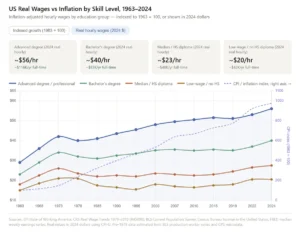
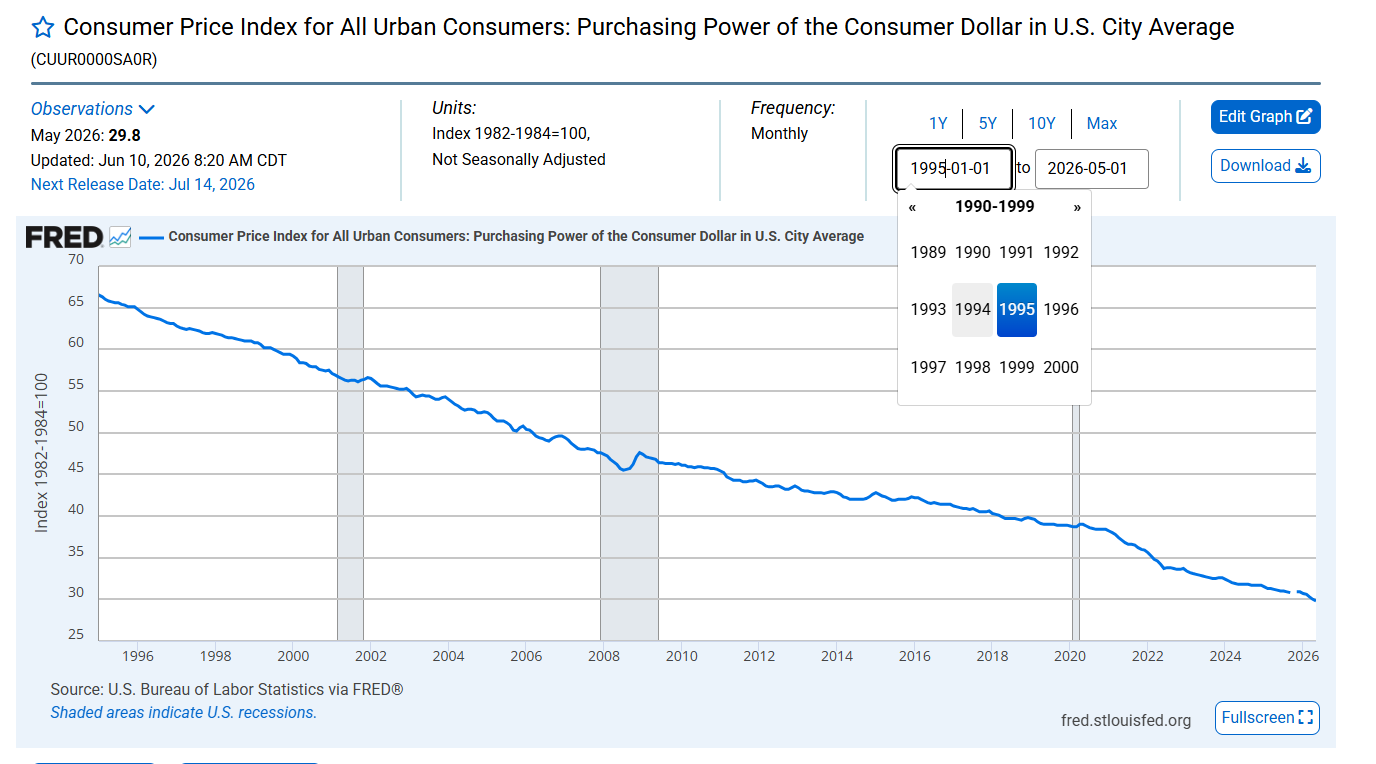
The erosion of American purchasing power is not a recent event. Analysis of wage growth against inflation over the past two to three decades reveals a steep decline in real purchasing power. While wages have seen modest gains, inflation has consistently outpaced them, leading to a situation where the money earned simply does not stretch as far as it used to. Data from various economic sources, including historical analyses that mirror St. Louis Fed data, show a significant drop in purchasing power. Charts illustrating this trend often depict a nearly 40% decline in real wages over a comparable period. This sustained period of inflation, coupled with stagnant wage growth for many segments of the workforce, has created a persistent affordability crisis.
The Productivity Paradox: Growth Without Shared Gains
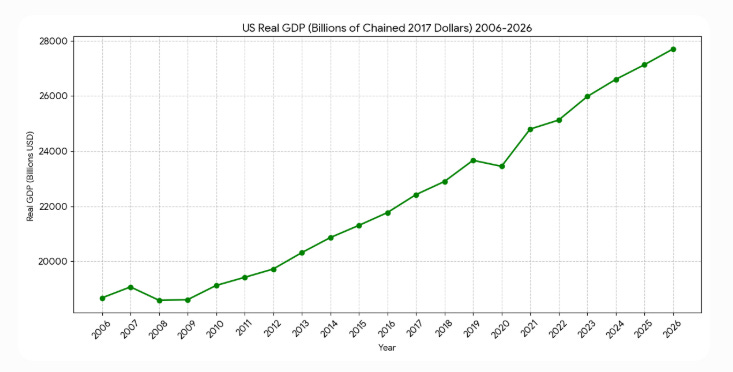
Over the past thirty years, the United States has witnessed unprecedented technological advancements, particularly within the tech sector. This innovation has led to significant increases in productivity and economic output, as reflected in Gross Domestic Product (GDP) growth. However, a critical question arises: where have the benefits of this increased productivity gone?
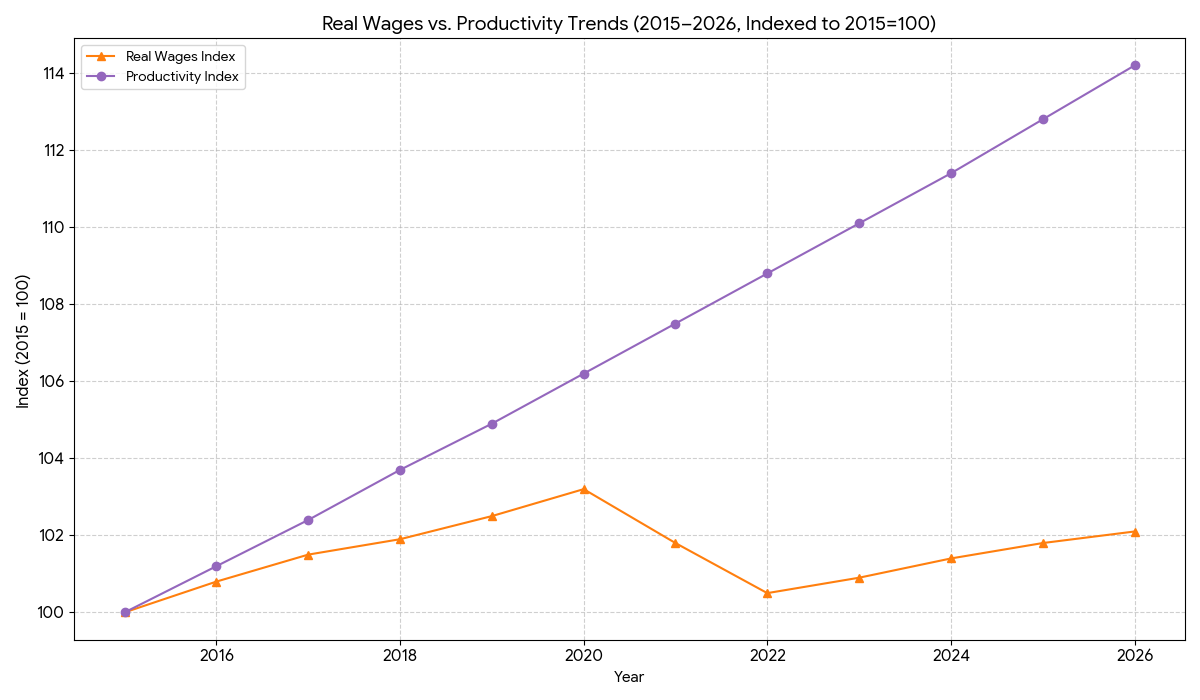
Data indicates a substantial disconnect between productivity gains and wage increases. For instance, one analysis shows productivity increasing by approximately 14% while wages grew by only 2% over a specific period. This suggests that a significant portion of the economic benefits generated by increased efficiency and innovation has not been distributed to employees. Instead, these gains appear to have been retained by corporate leadership and shareholders. The accompanying charts depicting productivity growth versus wage growth starkly illustrate this divergence, with GDP also showing a consistent upward trend during this period.
The Shareholder Dividend: Where Did the Productivity Gains Go?
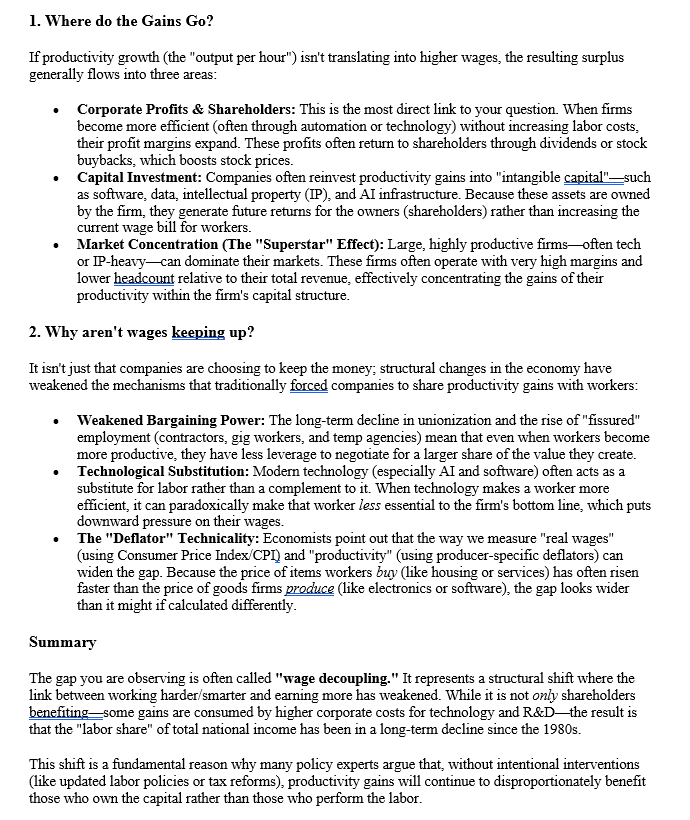
The substantial gap between productivity growth and wage growth, estimated to be around 12% or more of U.S. economic output over two decades, represents trillions of dollars. This "non-wage" economic growth has predominantly flowed to shareholders, manifesting in increased stock market valuations, higher dividends, and amplified returns for corporate owners. This trend has been facilitated by corporate strategies that prioritize capital investment, automation, and shareholder returns over direct investment in employee compensation and benefits.
The role of business education and corporate governance in this dynamic is also a subject of discussion. Some analyses suggest that a focus on maximizing shareholder value, often emphasized in business school curricula and incentivized by executive compensation structures, has contributed to this trend. This approach, while benefiting investors, has inadvertently widened the economic divide for the average worker.
The Stagnation of the Federal Minimum Wage
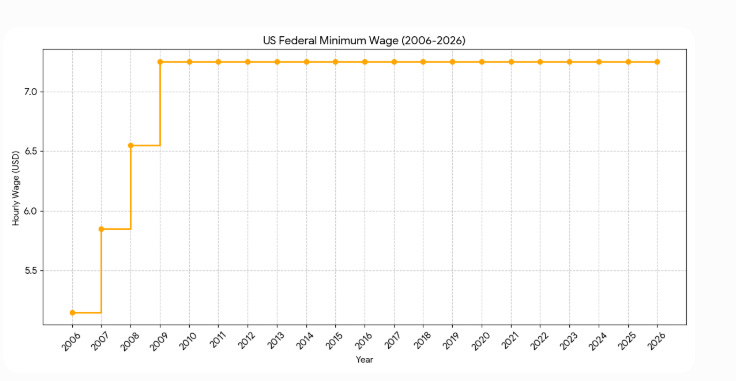
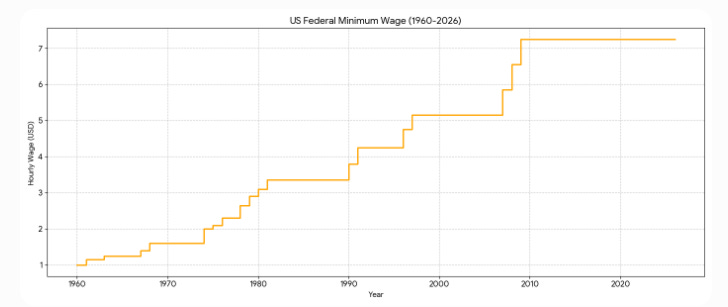
Compounding the issue of lagging wage growth is the stagnation of the federal minimum wage. For years, the federal minimum wage has remained largely unchanged, hovering around $7.50 per hour. This level of compensation is virtually meaningless in today’s economy, failing to provide a living wage in virtually any region of the country. Historically, the federal minimum wage kept pace with inflation and economic growth. However, this trend reversed around 1980, coinciding with a broader shift in economic policy.
The Decline of Labor Unions and Collective Bargaining Power
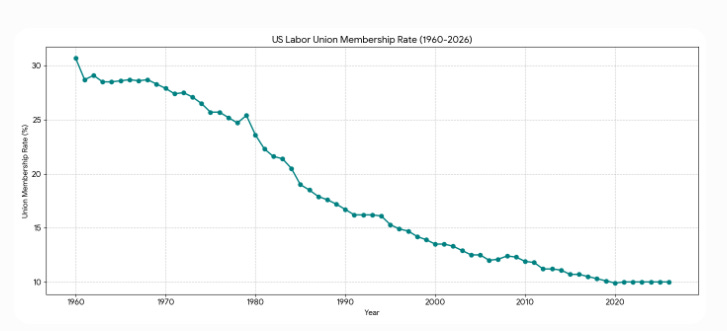
The decline in the power of labor unions has also played a significant role in the widening wage gap. Following policies enacted in the early 1980s, which shifted the focus towards individual wealth-building mechanisms like 401(k)s and away from collective bargaining, union participation has plummeted. This erosion of union membership has weakened the negotiating power of workers, making it more challenging to secure fair wages, benefits, and improved working conditions. While proponents of these policy shifts argued for their necessity in combating inflation and fostering economic growth, critics contend they have disproportionately benefited capital over labor.
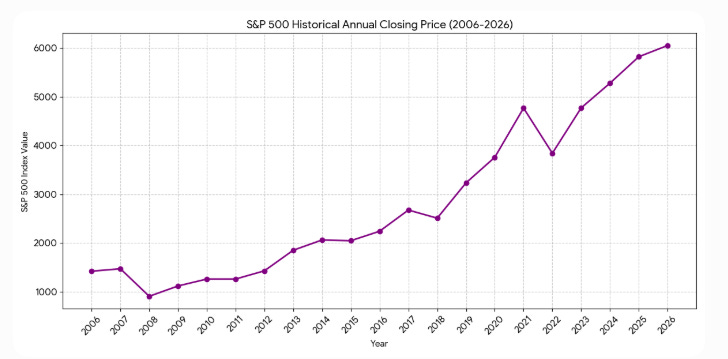
Inflationary Expectations: A New Economic Reality
The current inflationary environment is a multifaceted issue with numerous contributing factors, including supply chain disruptions, geopolitical events, and global economic policies. However, the sustained period of inflation exceeding the Federal Reserve’s target of 2% since 2021, exacerbated by the pandemic, has fundamentally altered economic expectations.
Consumers have become accustomed to continuous price increases for essential goods and services, from groceries to gasoline and housing. This has created a self-perpetuating cycle where businesses anticipate rising costs and adjust their pricing accordingly, while consumers, expecting further price hikes, may accelerate purchases, further fueling inflation. The rise of AI and its associated capital spending, coupled with ongoing shortages in critical components like semiconductors, continues to put upward pressure on prices across various sectors. This sustained inflationary pressure has led to a significant decline in employee satisfaction with their pay, reaching levels not seen since 2014, according to data from the Federal Reserve Bank of New York.
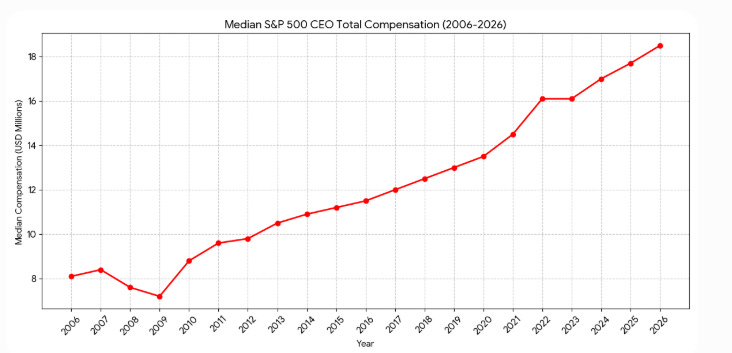
The Systemic Nature of Affordability Challenges
The convergence of these factors—stagnant real wages, declining unionization, static minimum wage, and persistent inflation—has created a systemic affordability crisis. The speculative investment in assets like cryptocurrencies, the surge in online gambling, and the heightened interest in volatile markets like Bitcoin and gold can be interpreted as desperate attempts by individuals to find any avenue that might offer a chance to keep pace with the rising cost of living.
This complex economic landscape is further complicated by factors such as U.S. tariff policies, global conflicts, and general governmental uncertainty. These external pressures can make businesses hesitant to implement significant wage increases, trapping many in a cycle where prices rise, speculative behaviors increase, and purchasing power diminishes.
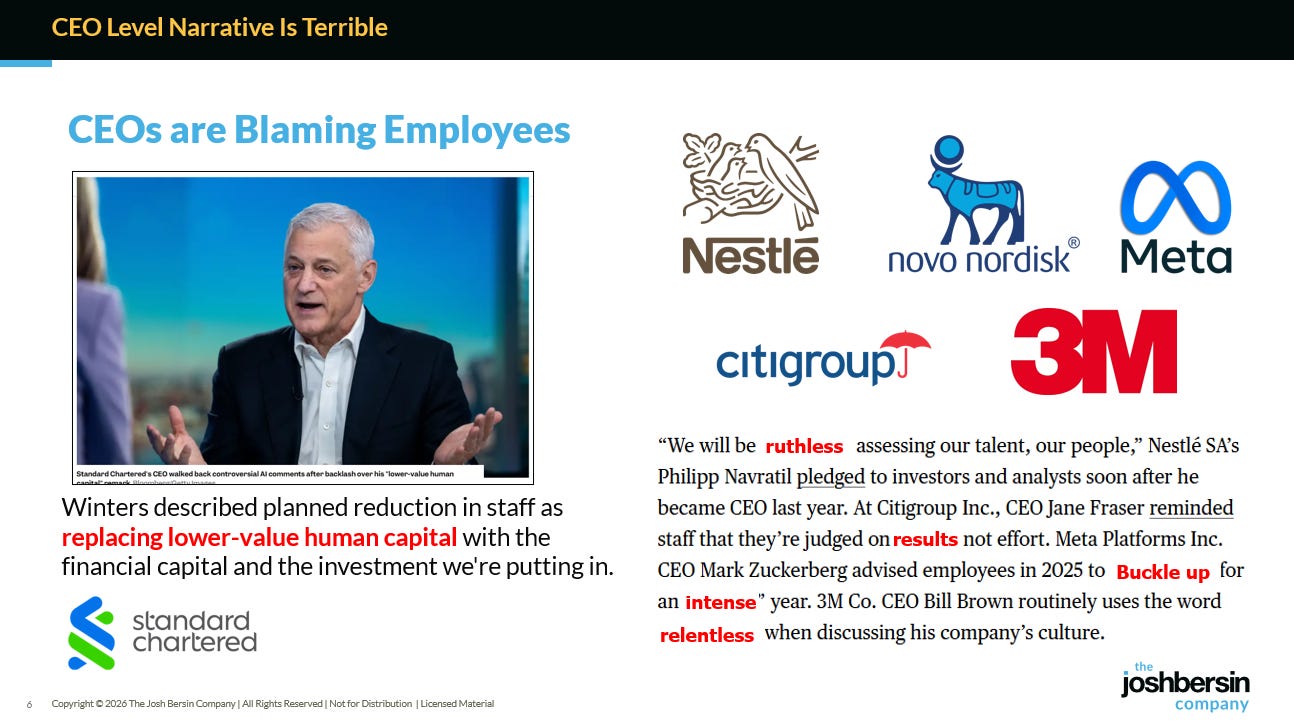
What Businesses Can Do: A Path Towards Affordability
While external economic policies and global events play a role, businesses themselves have a significant capacity to influence the affordability crisis. From a leadership and HR perspective, several strategic shifts can be considered:
1. Rethinking Labor as an Investment, Not an Expense
A fundamental shift in perspective is required: viewing labor not as a cost to be minimized, but as a strategic investment. The traditional business model often treats wages as an expense line item. However, investing in employees through competitive compensation, robust benefits, and professional development yields substantial returns.
- Attracting and Retaining Top Talent: Fair and above-average wages are crucial for attracting highly skilled and motivated individuals. This strengthens the talent pipeline and reduces the costly churn associated with high employee turnover.
- Enhancing Employee Value: Investing in employee training and engagement transforms them into appreciating assets. As their skills and knowledge grow, so does their capacity to contribute to customer satisfaction and business innovation. Research, including studies for the book "Irresistible," demonstrates that organizations that prioritize employee well-being and fair compensation often outperform their peers in terms of growth and profitability.
- Reducing Turnover Costs: The cost of replacing an employee can range from 50% to over 200% of their annual salary, factoring in lost knowledge, disrupted client relationships, and the expenses of recruitment and onboarding. Retaining experienced employees through competitive pay and incentives is a far more cost-effective strategy.
2. Focusing on Upskilling and Internal Development
Instead of solely focusing on hiring new personnel, businesses should prioritize enhancing the capabilities of their existing workforce. Even with the advent of Artificial Intelligence (AI), human workers remain essential for designing, testing, and scaling complex systems.
- AI as a "Superworker" Enabler: Studies on AI implementation reveal that its primary benefit is not necessarily headcount reduction but an increase in speed and scale. AI tools can empower existing employees, transforming them into "superworkers" who can achieve more. The productivity gains from AI can therefore be reinvested in higher wages and improved employee benefits.
- Cultivating Talent Density: The concept of "Talent Density"—creating an environment where highly skilled and motivated individuals thrive—is critical. This involves viewing each employee as a continuously learning and improving asset, rather than a disposable resource. When business units face slowdowns, the focus should shift from layoffs to retraining and redesigning roles to enhance productivity.
- The 4R Model: The "4R model" (Recruit, Retain, Reskill, Redesign) provides a framework for sustainable workforce management. By minimizing employee churn and investing in internal development, companies can foster a culture of "enablement for growth," leading to higher wages for all.
3. Recognizing the Financial Returns of Fair Compensation
Investing in employees through higher wages is not merely an act of corporate social responsibility; it is a sound financial strategy. Companies that offer fair, above-average compensation often experience greater profitability and sustained success.
- Competitive Advantage: Paying competitively attracts and retains the best talent, which is a significant competitive advantage. This leads to higher quality work, improved customer service, and greater innovation.
- Increased Employee Engagement and Loyalty: When employees feel valued and fairly compensated, their engagement and loyalty increase. This translates into higher productivity, reduced absenteeism, and a stronger organizational culture.
- Long-Term Profitability: Companies like Costco exemplify the benefits of investing in their workforce. Their policy of paying above-average wages has resulted in highly engaged employees, excellent customer service, and strong financial performance. Recent reports highlight how such compensation strategies have enabled employees to achieve significant financial milestones, such as becoming millionaires.
4. Championing Internal Mobility for Business Dynamism
Building a culture of internal mobility is crucial for fostering business dynamism and reallocating resources effectively. It is often more cost-effective and beneficial to redeploy existing employees than to repeatedly hire and then potentially lay off staff.
- Cost-Effectiveness: The expenses associated with recruitment, hiring, and onboarding new employees can be substantial. Maintaining open positions can also lead to opportunity costs as essential work remains undone. Internal mobility mitigates these costs by leveraging existing talent.
- Enhanced Engagement and Retention: Offering employees opportunities for career advancement within the company boosts engagement and retention. This creates a more stable and experienced workforce.
- Proven Profitability: Studies, such as PwC’s CEO study, indicate that companies with high rates of internal talent redeployment (20% or more of the workforce annually) tend to be significantly more profitable over the long term. This practice fosters a more adaptable and resilient organization.
The Employer’s Responsibility in Affordability
Ultimately, employers bear a significant responsibility in addressing the wage-price disparity and the broader affordability crisis. While external factors like minimum wage policies and unionization rates are important, corporate decisions regarding compensation and employee investment are equally critical. Companies that prioritize fair and above-average wages not only contribute to a more equitable economy but also position themselves for enhanced long-term profitability and sustainability. The enduring success of companies like Costco, which reinvests in its employees, serves as a compelling case study for businesses seeking to navigate the current economic challenges and build a more prosperous future for both their organizations and their workforce. The economic policies of the past may be evolving, and a return to principles that emphasize shared prosperity, reminiscent of historical figures like Henry Ford, may be on the horizon.