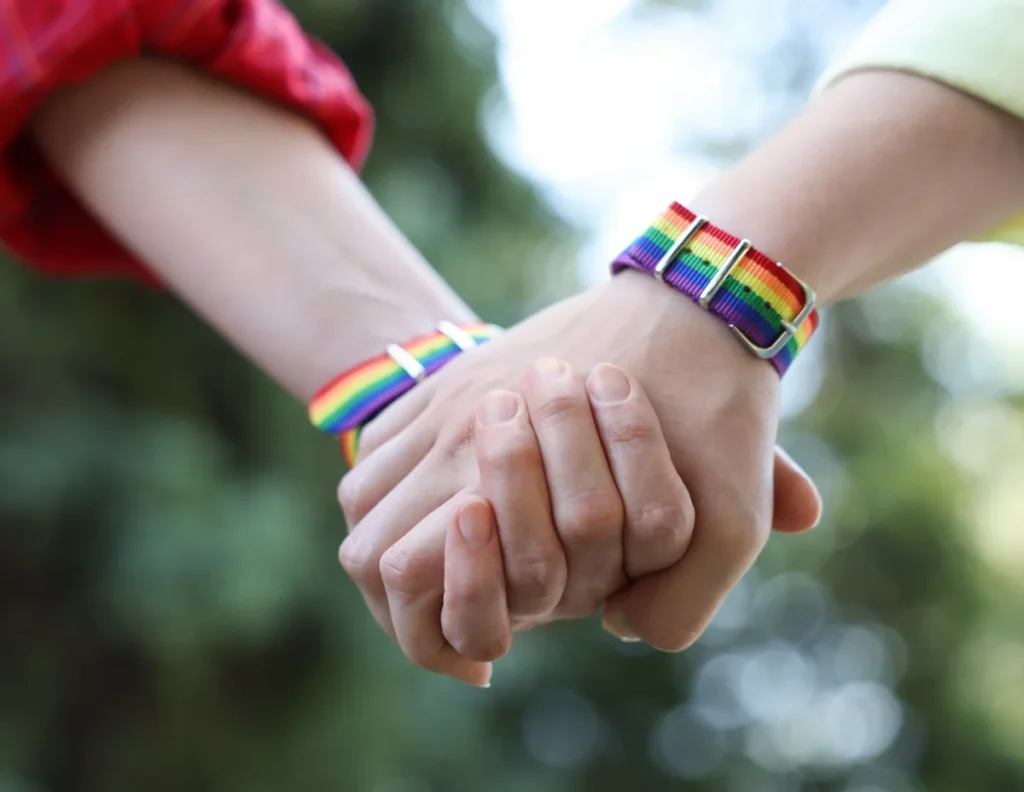
June marks Pride Month, a global observance dedicated to celebrating the LGBTQIA+ (Lesbian, Gay, Bisexual, Transgender, Queer, Intersex, Asexual, and others) community, commemorating the history of LGBTQIA+ rights movements, and advocating for continued equality and acceptance. While for many, Pride is a joyous and anticipated period of vibrant parades and community gatherings, for others, particularly those less familiar with its origins and purpose, it can evoke feelings of uncertainty or discomfort. This article aims to provide a comprehensive understanding of why Pride Month is celebrated, its profound importance, and how individuals can foster greater allyship and education.
The Historical Roots and Enduring Significance of Pride Month
Pride Month’s origins are deeply rooted in the struggle for LGBTQIA+ rights, most notably the Stonewall Uprising. In the early morning hours of June 28, 1969, patrons of the Stonewall Inn, a gay bar in New York City’s Greenwich Village, fought back against a police raid. This spontaneous act of resistance, fueled by years of police harassment and discrimination, is widely considered a pivotal moment that galvanized the modern LGBTQIA+ rights movement. The patrons, a diverse group including transgender women of color, drag queens, and gay men, courageously stood their ground, sparking days of protests and demonstrations.
In commemoration of the Stonewall Uprising, the first Pride marches were held in cities across the United States on June 28, 1970, marking the one-year anniversary. These early marches were not merely celebrations but powerful demonstrations of visibility and demands for equal rights in a society that largely marginalized and criminalized LGBTQIA+ individuals. Over the decades, these commemorations evolved into the global phenomenon that Pride Month is today, encompassing parades, festivals, educational events, and advocacy initiatives.
The profound importance of Pride Month lies in its direct correlation with the well-being and safety of LGBTQIA+ individuals. Data from organizations like The Trevor Project, a leading suicide prevention and crisis intervention organization for LGBTQIA+ youth, underscores this critical connection. According to their 2023 National Survey on LGBTQ Youth Mental Health, a staggering 41% of LGBTQIA+ youth reported having seriously considered suicide in the past year, and a significant portion of these youth cited experiences of discrimination and lack of acceptance as contributing factors.
The survey further highlights that LGBTQIA+ youth who reported experiencing high levels of acceptance from family and from people in their community were significantly less likely to attempt suicide. This powerfully illustrates that societal acceptance, visibly demonstrated through events like Pride, is not merely a symbolic gesture but a literal life-saving intervention. Mental health challenges experienced by LGBTQIA+ youth are often not inherent to their identity but are a consequence of living in unaccepting and hostile environments. For parents, educators, and community leaders, understanding this dynamic makes the imperative to foster inclusive spaces and celebrate Pride an undeniable priority.
Addressing Discomfort and Fostering Understanding
For some individuals, particularly those from older generations or those who grew up in environments where discussions about gender identity and sexual orientation were absent or stigmatized, Pride Month might initially feel unfamiliar or even uncomfortable. This discomfort often stems not from animosity towards the LGBTQIA+ community, but from a lack of prior exposure and education.
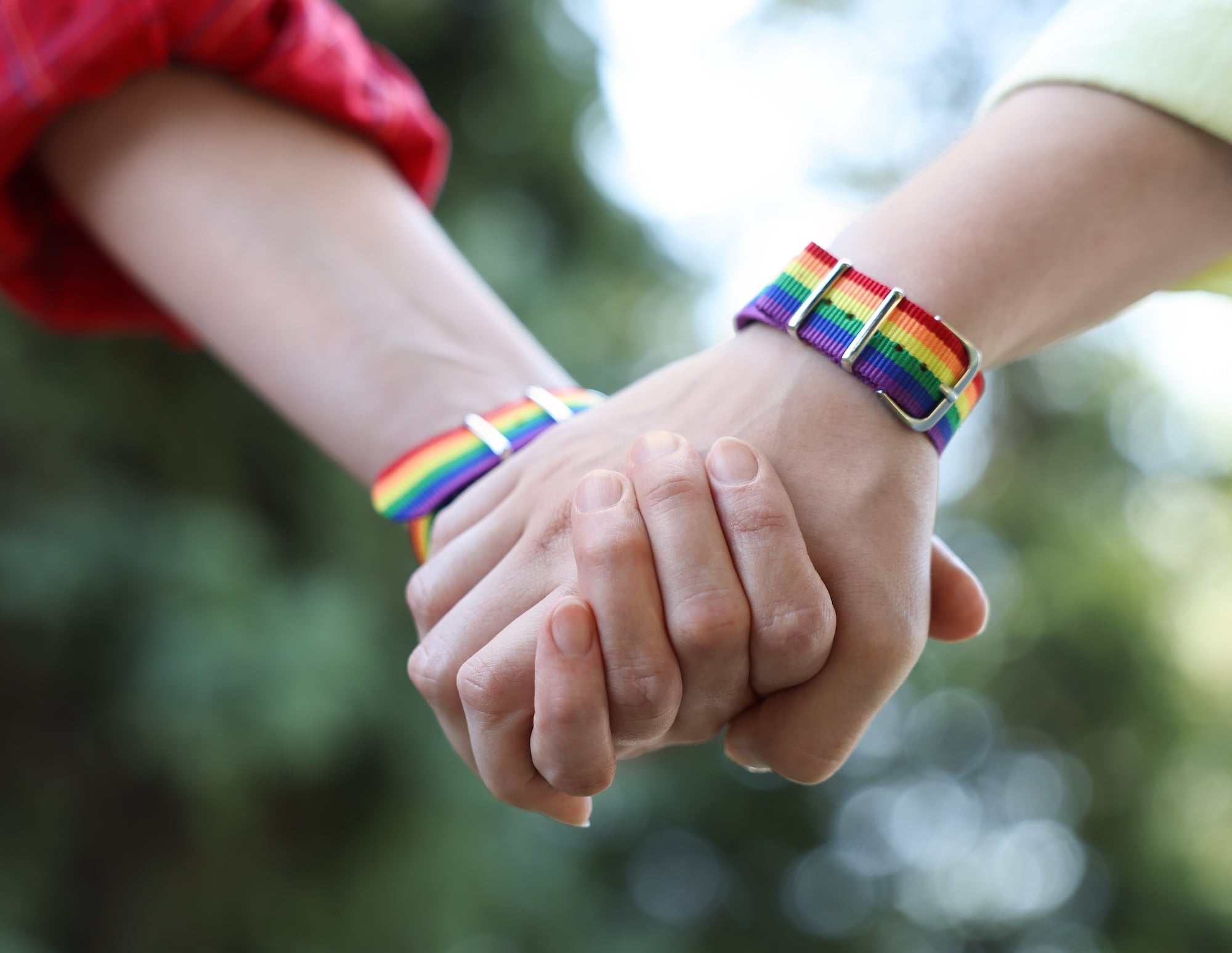
During the latter half of the 20th century, societal norms in many Western cultures were heavily influenced by heteronormative and cisnormative expectations. This meant that the existence of same-sex relationships or gender identities outside the binary of male and female was often invisible, ignored, or actively suppressed. Consequently, many individuals did not grow up with a framework for understanding the diversity of human sexuality and gender.
The significant societal shifts in awareness and acceptance of LGBTQIA+ identities have been a gradual process. As understanding expands and visibility increases, it is natural for individuals who have not had prior experience or education to feel a sense of awkwardness or disorientation. However, it is crucial to recognize that this feeling is a reflection of past educational gaps, not an indictment of the LGBTQIA+ community itself.
Evidence of diverse sexualities and gender expressions exists throughout human history, across various cultures and civilizations. Anthropological and historical research indicates the presence of same-sex relationships and non-binary gender roles in ancient societies, including Ancient Israel, Ancient Greece, and among numerous Indigenous peoples globally. The APA’s historical reviews and extensive research consistently point to the universality of diverse human experiences, suggesting that current understandings of gender and sexuality are not novel phenomena but rather an increasing recognition of long-standing human diversity. Therefore, any discomfort felt by individuals unfamiliar with these concepts is more a testament to the limitations of their own upbringing or education than a reflection of anything inherently new or unusual about LGBTQIA+ identities.
Pathways to Education and Allyship
Cultivating a deeper understanding and becoming a more effective ally to the LGBTQIA+ community is an ongoing journey that involves active learning and engagement. Here are several avenues for education and support:
-
Engage with Reputable LGBTQIA+ Organizations: Organizations such as GLAAD (Gay & Lesbian Alliance Against Defamation), HRC (Human Rights Campaign), PFLAG (Parents, Families, and Friends of Lesbians and Gays), and The Trevor Project offer a wealth of resources, including educational materials, advocacy updates, and guides on allyship. Their websites provide factual information, historical context, and current issues facing the community.
-
Consume LGBTQIA+ Media and Literature: Diversifying one’s media consumption to include books, films, documentaries, and podcasts created by and featuring LGBTQIA+ individuals can offer invaluable insights into their lived experiences, perspectives, and the nuances of their identities. This can range from historical accounts of the movement to contemporary narratives.
-
Attend Educational Events: Many communities and organizations host workshops, panel discussions, and film screenings during Pride Month and throughout the year that are specifically designed to educate the public about LGBTQIA+ history, terminology, and contemporary issues. Participating in these events provides opportunities for direct learning and asking questions in a safe environment.
-
Listen and Learn from LGBTQIA+ Individuals: The most direct way to understand is to listen to the experiences of those within the community. This involves approaching conversations with humility, empathy, and a willingness to learn, without expecting individuals to be spokespeople for the entire community. Respecting personal boundaries and privacy is paramount.
-
Educate Yourself on Terminology: Understanding key terms related to sexual orientation and gender identity is crucial for respectful communication. Resources from reputable organizations often provide glossaries and explanations of terms such as cisgender, transgender, non-binary, pansexual, asexual, and others.
-
Support LGBTQIA+ Advocacy and Policy: Allyship extends beyond personal understanding to active support for policies and initiatives that promote LGBTQIA+ equality and protect their rights. This can involve contacting elected officials, supporting inclusive legislation, and advocating for anti-discrimination protections in workplaces and public spaces.
-
Challenge Homophobia and Transphobia: Actively speaking out against discriminatory remarks, jokes, or actions is a critical component of allyship. This includes intervening when witnessing microaggressions or overt acts of prejudice.
The Broader Impact and Implications of Pride
Pride Month serves as a vital platform for visibility, fostering a sense of belonging and community for LGBTQIA+ individuals who may otherwise feel isolated. It is a time to acknowledge the progress made in the fight for equality, while also recognizing the significant challenges that remain. Discriminatory laws, social stigma, and violence against LGBTQIA+ individuals persist in many parts of the world, underscoring the ongoing need for advocacy and education.
From a societal perspective, the increasing acceptance and celebration of LGBTQIA+ diversity contribute to a more inclusive and equitable society for everyone. When all members of a community feel safe, respected, and valued, it strengthens social cohesion and fosters a richer cultural landscape. Businesses and organizations that embrace diversity and inclusion, including visible support for Pride, often benefit from enhanced employee morale, increased innovation, and a stronger brand reputation.
In conclusion, Pride Month is an essential observance that honors the struggles and triumphs of the LGBTQIA+ community, celebrates their identities, and advocates for a future where all individuals can live authentically and without fear of discrimination. By actively engaging in education, fostering empathy, and supporting the pursuit of equality, individuals can contribute to a more understanding and accepting world, affirming the fundamental truth that acceptance literally saves lives.