AUGUST 25, 2026
International businesses are transforming global hiring strategies by moving away from legacy Business Process Outsourcing (BPO) centers toward direct, highly selective virtual assistant (VA) placements. This seismic shift, detailed in the comprehensive "State of the Filipino Virtual Assistant Industry 2026" report, signals a maturation of the global remote workforce and a re-evaluation of how companies engage with offshore talent. The findings, derived from an exhaustive analysis of 166,350 applications, reveal a burgeoning virtual assistant market that is not only expanding rapidly but also fundamentally altering the operational blueprints of businesses worldwide.
The global VA market, currently valued at an impressive $6.5 billion in 2026, is on an exponential growth trajectory, with projections indicating it will surge to a staggering $34 billion by 2030. Spearheading this remarkable expansion is the Philippines, which has firmly established itself as the primary engine of global VA talent. The Southeast Asian nation currently supplies a substantial 38% of the world’s virtual assistant professionals, underscoring its critical role in the evolving landscape of remote work. This dominance is attributed to a confluence of factors, including a highly skilled and English-proficient workforce, a strong work ethic, and a deep understanding of Western business practices.
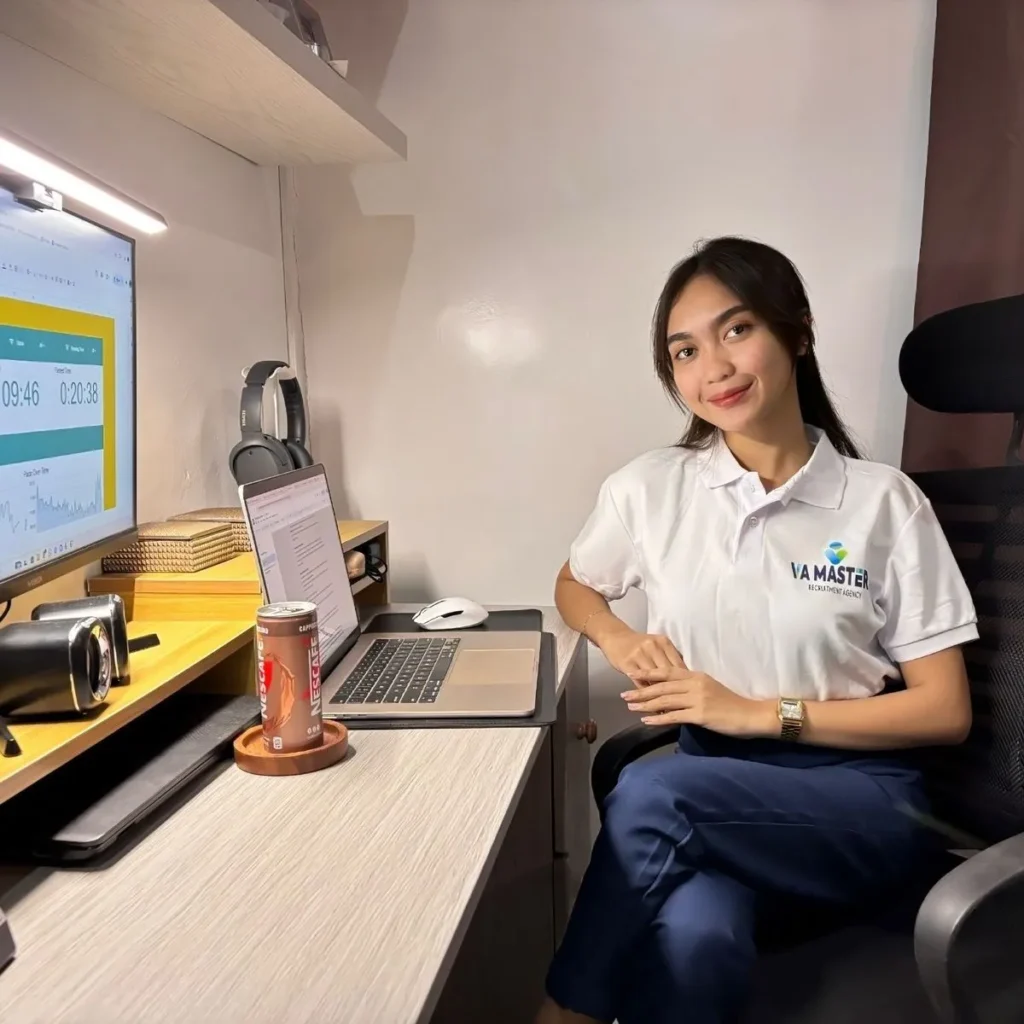
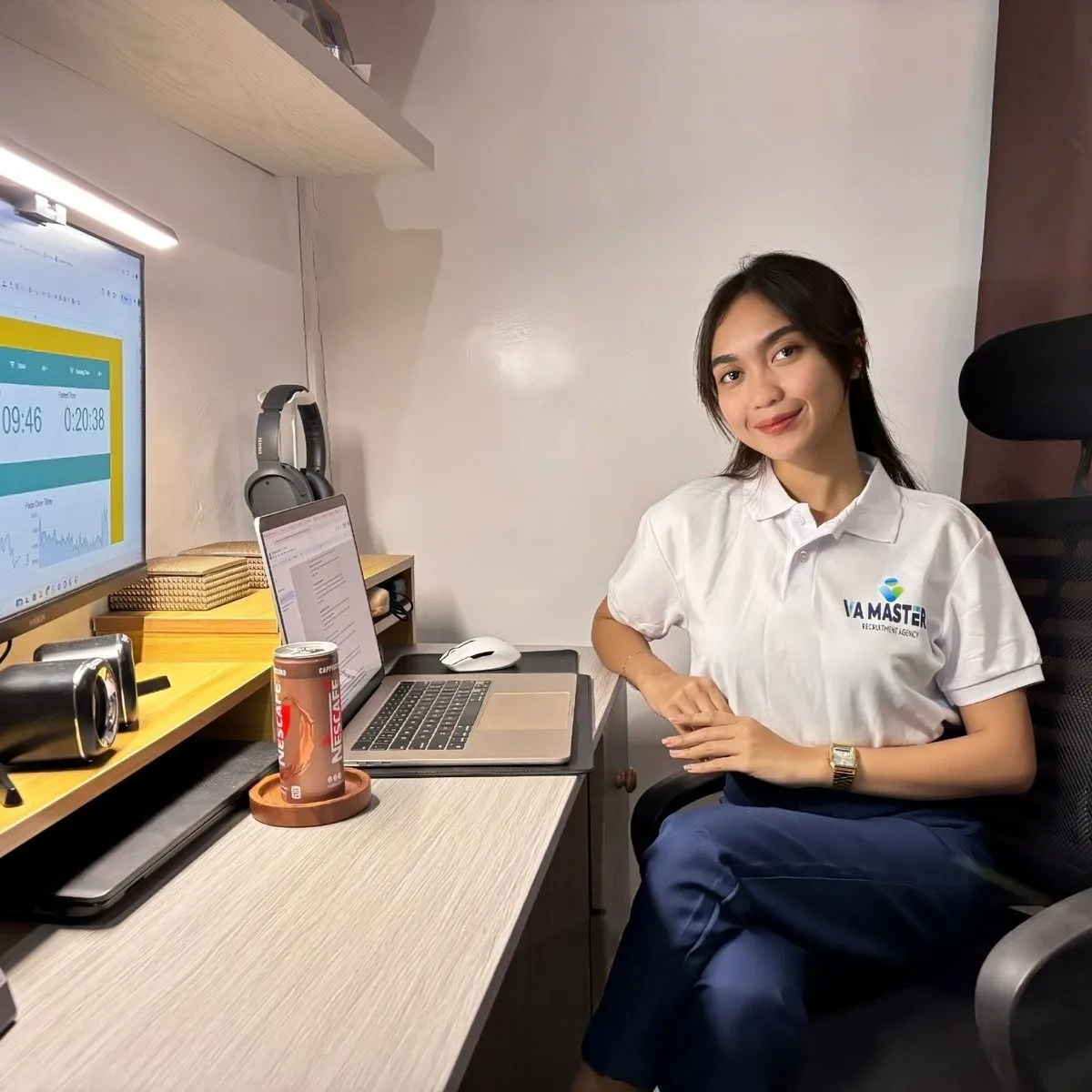
The transition away from traditional BPO models is particularly pronounced among small and medium-sized enterprises (SMEs) and startups in Western countries. These agile organizations are increasingly recognizing the strategic advantages of direct engagement with virtual assistants, moving beyond the often rigid and layered structures of established BPO providers. VA Masters, a prominent global recruitment agency specializing in virtual assistant placements, notes that Filipino virtual assistants have seen a surge in demand precisely because businesses are seeking to enhance revenue streams and expand their talent pools through strategic offshore hiring. This demand is not merely for cost savings, but for specialized skills and direct integration into core business functions.
Startups and SMEs Fueling the Direct Placement Revolution
The report highlights a clear demographic shift in client adoption, with small enterprises and early-stage companies forming the bedrock of the direct offshore hiring movement. These businesses are actively diverging from the conventional corporate call center models, seeking more integrated and flexible staffing solutions. Analysis of client placements reveals that businesses with fewer than 50 employees constitute a dominant 87% of all client engagements. Delving deeper, micro-businesses, defined as those employing between two and 10 individuals, account for a significant 53% of total demand. Small businesses, employing between 11 and 50 team members, contribute another substantial 30%. This indicates that the primary drivers of this new hiring paradigm are entities that prioritize agility, cost-efficiency, and direct access to talent. Mid-size companies, with 51 to 200 employees, represent 5% of the demand, while larger enterprises with over 201 staff comprise the remaining 8%, suggesting that while smaller entities are leading the charge, larger corporations are also beginning to explore the benefits of this direct engagement model. Solo founders, a critical segment for emerging businesses, account for 3% of the demand.
The adoption rate for this direct placement model has been nothing short of extraordinary. Client sign-ups witnessed a dramatic 110% increase between the first and second quarters of 2026 alone, demonstrating a rapid embrace of this innovative approach. This surge in adoption appears to be largely organic, with a remarkable 81% of new clients discovering the service through direct web searches, a testament to the growing awareness and perceived value of direct VA placements. Referrals follow as a significant channel, accounting for 8% of new clients, while paid advertising contributes 5%. Geographically, the United States remains the dominant market, representing 69% of active contracts, underscoring the strong appetite for these services in the world’s largest economy. The United Kingdom follows with 11%, while Australia and New Zealand collectively account for 9%. Other English-speaking hubs contribute the remaining 11%, illustrating the global appeal of this hiring strategy.
The Filipino VA: A Profile in Proficiency and Dedication

The "State of the Filipino Virtual Assistant Industry 2026" report also sheds light on the demographic composition and qualification standards of the virtual assistant talent pool. Notably, women constitute the majority of the remote talent pipeline across all evaluation tiers, representing 61.5% of total applicants. Their success rate in converting through technical skill assessments is also higher, leading them to represent 69% of all placed virtual assistants globally. This highlights the significant contribution of female professionals to the growth and success of the VA industry. The median age of professionals within the talent pool is 28 years, indicating a dynamic and relatively young workforce eager to engage in global employment opportunities.
The rigorous evaluation standards employed in the vetting process ensure that placed virtual assistants significantly exceed baseline applicant averages in key performance indicators. While 62% of the general applicant pool demonstrates fluent or native English proficiency, this figure escalates to an impressive 80% among hired talent. This emphasis on communication prowess is crucial for seamless integration into international business environments. Furthermore, candidates possessing three or more years of specialized domain experience, a critical factor for many specialized roles, make up 36% of the general pool but constitute a substantial 65% of successful hires. This indicates a strong alignment between the skills offered by experienced VAs and the specific needs of businesses seeking direct placements. The efficiency of the pipeline is also noteworthy, with 55% of applicants completing their technical evaluations within a mere 24 hours of submission, allowing for rapid assessment and deployment.
Unprecedented Selectivity and Seamless Integration
The operational efficiency of the direct placement model is underscored by its exceptionally stringent screening process. With over 20,000 monthly applications being submitted – an average of one application every two minutes – the screening standards are exceptionally high, admitting only 0.2% of applicants. This translates to a highly selective ratio of one successful candidate for every 508 applicants. This meticulous approach stands in stark contrast to traditional BPO frameworks, which often prioritize mass-volume seat-filling and rely on external teams that can be disconnected from the client’s core operations by multiple layers of management.

The direct placement model facilitates a profound level of integration, embedding virtual assistants directly into a company’s existing software ecosystem, such as Slack and HubSpot. This seamless integration eliminates the need for separate communication channels or bespoke training on intermediary platforms. Moreover, this direct approach leads to significant cost reductions, with companies reporting overhead cost savings of up to 80%. The hiring timeline is also dramatically accelerated. The average hiring process takes just 18 days, with a remarkable 42% of roles being filled in under two weeks. Onboarding is equally swift, often completed within 48 hours, a stark contrast to the four to eight weeks typically required by legacy BPO providers, who often contend with their own internal recruitment and allocation processes.
The Rise of Fractional and Flexible Workflows
In response to the dynamic needs of modern businesses, especially those operating with leaner budgets and a focus on operational efficiency, the direct VA placement model increasingly accommodates fractional and part-time workflows. A significant 64% of companies opt for these flexible arrangements rather than committing to immediate full-time hires, a strategy that allows them to manage operational expenses effectively without incurring undue financial strain. The most popular entry-level allocation is 80 hours per month, equivalent to a half-time commitment, which accounts for 41% of initial placements. This flexibility allows businesses to scale their support services precisely to their current needs.
Full-time roles, defined as 160 hours per month, represent 20% of contracts, indicating a continued demand for dedicated, full-time remote staff. Light part-time schedules, ranging from 40 to 60 hours per month, constitute 14% of engagements. The remaining placements are distributed across various configurations, with 120 or more hours per month making up 11%, 100 hours per month accounting for 10%, and custom scheduling structures representing 4% of the total. This diverse range of options caters to a wide spectrum of business requirements, from project-based support to comprehensive operational assistance.

Alon Pearl, Founder and CEO of VA Masters, articulates the fundamental difference driving this trend: "Traditional BPOs were built for repetitive tasks managed through middle management layers that separate the client from the worker. Everyone talks about the Philippines as a source of affordable labor, but the story here is selectivity. Business owners want dedicated team members who understand their brand, work directly in their company software, and execute high-level work." This statement encapsulates the core value proposition of the direct placement model: fostering a direct, engaged, and highly competent workforce that functions as an extension of the client’s own team.
The operational stability and long-term success of direct placements are further validated by client retention rates. Fewer than 4% of client partnerships terminate due to performance dissatisfaction, a testament to the quality of talent and the effectiveness of the direct engagement model. Furthermore, the model fosters growth and expansion within client organizations; one in five clients opt to expand their remote workforce by hiring additional virtual assistants following their initial placement. This organic growth and high satisfaction rate solidify the direct VA placement model as a robust and enduring alternative to traditional outsourcing methodologies, fundamentally reshaping how businesses approach global talent acquisition. The strategic implications of this shift are profound, enabling companies to access highly skilled professionals, enhance operational efficiency, and achieve greater cost savings while fostering a more integrated and productive remote work environment. The Philippines, with its vast and qualified talent pool, is poised to remain at the forefront of this transformative global hiring revolution.