The initial moments of a new employee’s journey with a company are pivotal, shaping their perception and setting the stage for their long-term engagement and productivity. This critical phase, known as onboarding, is far more than a procedural checklist; it is a strategic initiative designed to cultivate clarity, instill confidence, and foster a profound sense of belonging. Organizations that excel in their onboarding practices often witness a significant return on investment, with studies indicating up to an 82% higher new hire retention rate. This success is directly attributable to a deliberate effort to set employees on a trajectory of achievement from their very first day.
Beyond the First Day: The Evolving Landscape of Onboarding
The notion that onboarding concludes with the signing of paperwork and a brief office tour is an outdated one. In today’s dynamic business environment, effective onboarding transcends its initial transactional nature to become a continuous, strategic experience. It is the launchpad for sustained employee success, designed to build robust connections, bolster confidence, and drive genuine engagement. Forward-thinking organizations understand that a comprehensive onboarding strategy extends well beyond the initial week, often encompassing the entire first year of employment. This prolonged support system provides new hires with the essential guidance, consistent feedback, and unwavering support necessary not merely to adapt, but to truly thrive. The tangible outcomes of such a sustained approach include reduced employee turnover, demonstrably higher performance metrics, and the cultivation of a workforce that is intrinsically motivated to remain with the company.
The Pillars of an Impactful Onboarding Experience
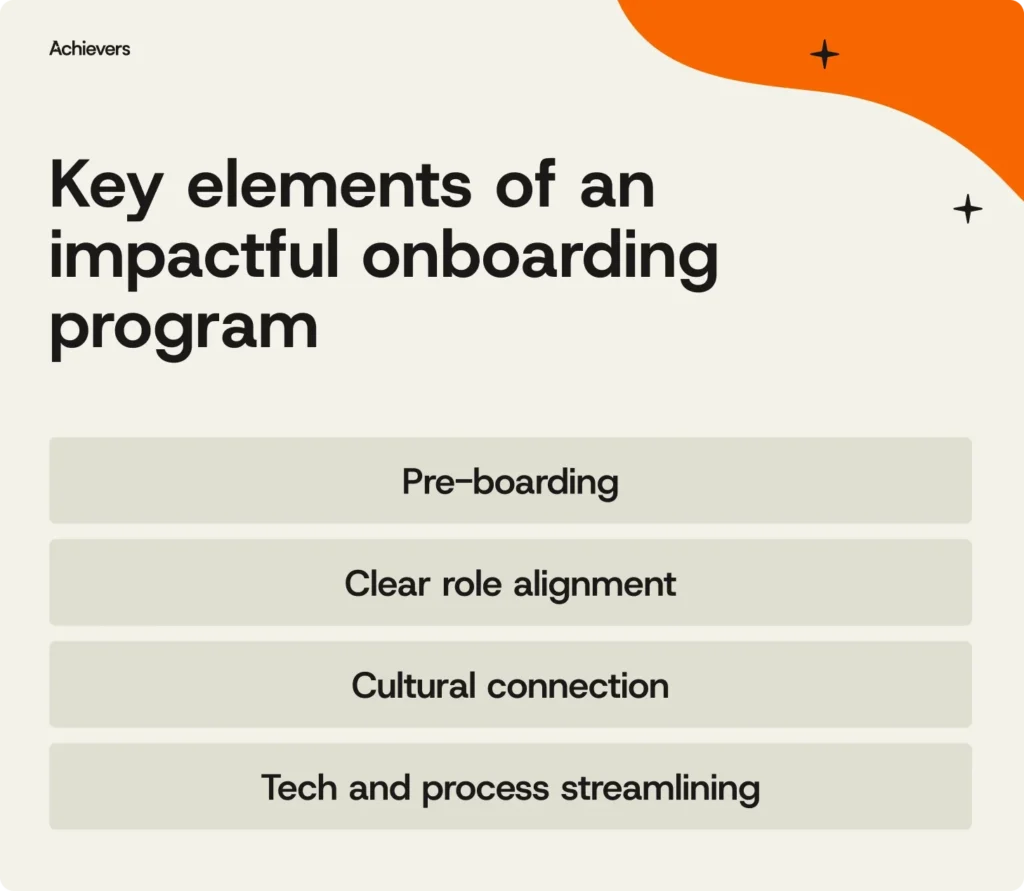
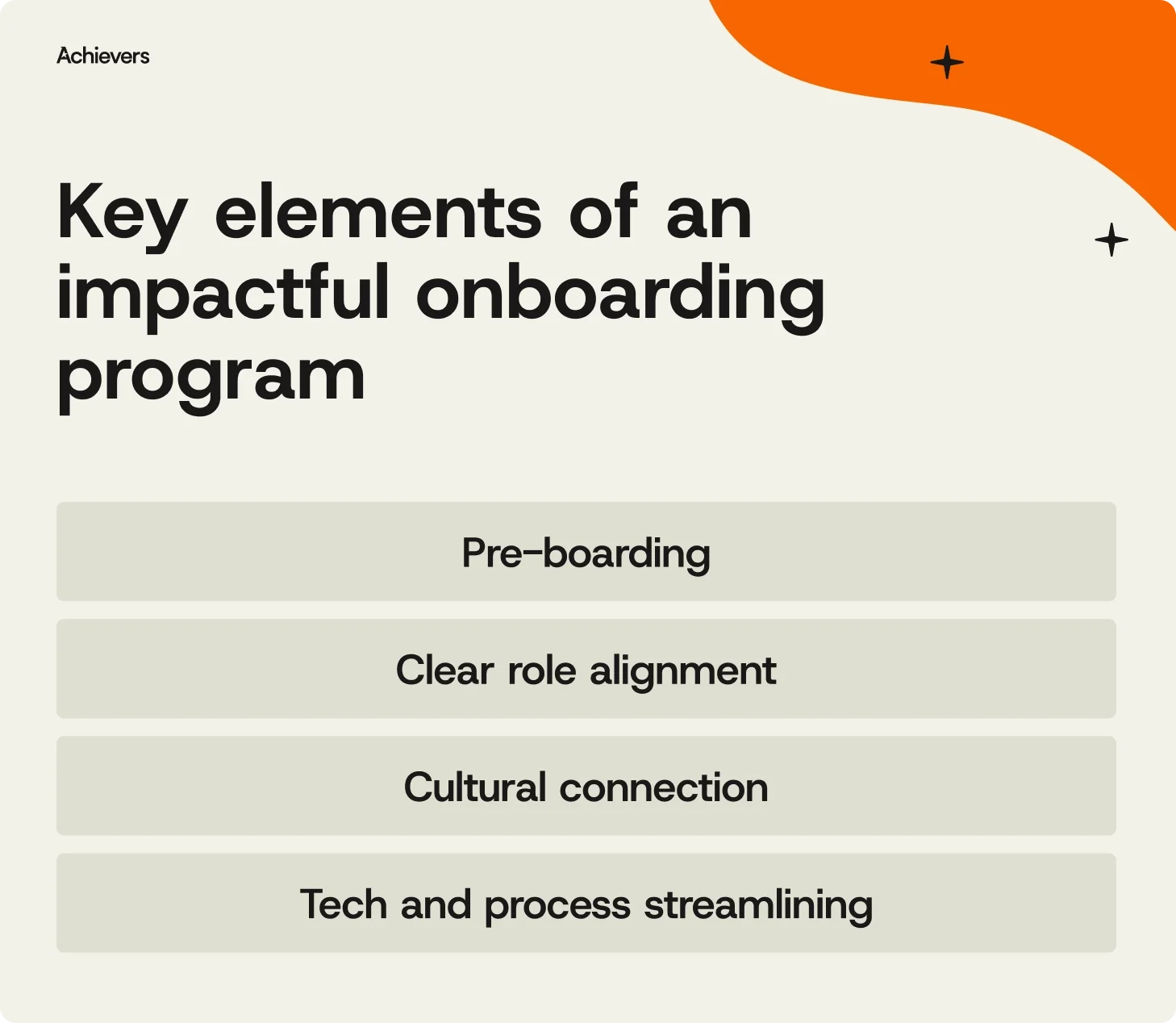
A truly effective onboarding program transcends the rudimentary distribution of company badges and login credentials. Instead, it lays a robust foundation for enduring engagement, peak performance, and steadfast retention. The overarching objective is to ensure that employees feel not only prepared and recognized but also genuinely integrated into the organizational fabric, ideally before their second cup of coffee on the job. Several key elements contribute to an onboarding experience that is not only theoretically sound but demonstrably successful in practice:
Pre-Boarding: Igniting Enthusiasm Before Day One
The onboarding process should commence long before an employee’s official start date. The pre-boarding phase presents an invaluable opportunity to extend a warm and anticipatory welcome, thereby empowering new hires with a sense of confidence, connection, and even excitement. This can be achieved through various thoughtful gestures, such as a personalized welcome video, early introductions to key team members, or the provision of a welcome kit containing company swag and essential login information. These seemingly small acts can have a profound impact, effectively mitigating first-day anxieties and establishing a positive trajectory for a smooth, supportive, and ultimately outstanding onboarding experience. By equipping employees with the necessary tools and information in advance, organizations can significantly enhance their initial impression and set a clear tone for what is to come.
Role Clarity: Eradicating Ambiguity for Enhanced Performance
A lack of clarity regarding responsibilities and expectations can significantly disrupt a new hire’s initial momentum. Establishing clear role alignment is not merely beneficial; it is fundamental to successful integration. Well-defined responsibilities, clearly articulated goals, and established feedback mechanisms empower new employees to understand precisely what constitutes success and how to achieve it. The integration of a mentor or buddy system further amplifies this effect, providing invaluable early guidance and accelerating the ramp-up period. This structured approach not only builds stronger confidence but also drastically reduces instances of confusion and uncertainty, such as the common "Am I supposed to be doing this?" query. Ambiguity, in the context of onboarding, is an unnecessary impediment to a positive and productive start.
Cultural Integration: Fostering a Sense of Belonging and Purpose
Joining a new organization should feel like being welcomed into an ongoing conversation, not like an outsider stumbling into a room. Onboarding serves as a crucial opportunity to facilitate genuine connections between new hires and the company’s overarching purpose, core values, and distinct culture. Through storytelling, the sharing of established traditions, and the implementation of peer recognition programs (such as those facilitated by platforms like Achievers), a strong cultural connection helps new employees feel a genuine sense of belonging. This integration reinforces that their contributions are meaningful and that they are part of something larger than their individual role. When employees feel deeply connected to the organizational mission, engagement naturally follows. A compelling mission statement, clearly communicated and embedded within the onboarding process, is far more inspiring than one buried deep within an employee handbook.
Seamless Technology and Process Integration: Enabling Efficiency
An onboarding process that is hampered by cumbersome technology or inefficient processes, such as a protracted struggle to access essential systems, can quickly become a source of frustration. A smooth onboarding experience is intrinsically linked to the reliability and user-friendliness of the technological infrastructure and administrative processes. From secure system access to intuitive training tools, all essential resources should be readily available and easily navigable. Platforms designed to centralize information and streamline workflows, such as those offered by Achievers, enable new hires to locate necessary resources, track their progress, and begin contributing effectively without the need for constant IT intervention. When technology functions seamlessly, the focus shifts from troubleshooting to learning and development, allowing employees to concentrate on acquiring the skills and knowledge required to excel in their roles.
Quantifying Onboarding Success: The Power of Data

The principle of "you can’t improve what you don’t measure" is particularly relevant to onboarding initiatives. The diligent tracking of key metrics provides invaluable insights into the efficacy of current practices, highlighting areas of strength and identifying opportunities for improvement. This data-driven approach ensures that new hires not only navigate their initial year but actively thrive within the organization. Several critical onboarding metrics warrant close attention:
- Time to Productivity: This metric measures the duration it takes for a new hire to reach a predetermined level of performance or output. A shorter time to productivity indicates a more efficient and effective onboarding process.
- New Hire Retention Rates: Tracking the percentage of new hires who remain with the company after specific intervals (e.g., 90 days, 6 months, 1 year) is a direct indicator of onboarding success and overall employee satisfaction.
- New Hire Satisfaction Scores: Regularly soliciting feedback from new employees through surveys or pulse checks regarding their onboarding experience provides qualitative data on what is working well and what needs refinement.
- Manager Satisfaction with New Hires: Gauging the perception of hiring managers regarding the preparedness and integration of their new team members offers a crucial perspective on the effectiveness of the onboarding program.
- Engagement Scores of New Hires: Monitoring the engagement levels of recent hires, compared to tenured employees, can reveal early signs of connection and commitment, or potential areas of disengagement that require attention.
Ultimately, successful onboarding is not a matter of chance but a cultivated habit, rigorously informed by data. The most effective way to shape a high-performing workforce begins with an onboarding process that is consistently measured, analyzed, and iteratively improved.
Navigating Common Onboarding Challenges: Strategies for Success
Onboarding is the genesis of employee engagement, but it can also be a point where engagement falters. From information overload to inconsistent experiences, even highly reputable companies can encounter obstacles. The good news is that every challenge presents an opportunity for a well-defined solution.
Challenge 1: Information Overload on Day One
Bombarding new employees with a deluge of policies, organizational charts, and procedural documents on their first day is counterproductive, leading to stress rather than enlightenment.
Solution: Phased Information Delivery
The most effective approach is to segment the onboarding process into manageable phases. Begin with the most critical information – essential tools, introductions to the immediate team, and an overview of the company culture. Gradually introduce more detailed information as the employee progresses. The objective is not to cram an overwhelming amount of data but to build confidence through clear, sequential steps.
Challenge 2: The "One-Size-Fits-All" Approach
A generic onboarding experience can leave new hires feeling disconnected and questioning the relevance of their role within the broader organizational context.
Solution: Role-Specific Customization
Develop tailored onboarding pathways that cater to the unique needs of different functions and departments. Engineers, for instance, will require different tools and training than marketing professionals. Sales teams will benefit from specific product knowledge, while finance departments will focus on their respective financial systems. Personalizing the onboarding experience significantly enhances its relevance and overall effectiveness.
Challenge 3: Disconnection for Remote and Hybrid Employees
The adage "out of sight, out of mind" can unfortunately hold true for remote and hybrid employees, leading to feelings of isolation.
Solution: Cultivating Virtual Connection
Leverage technology, such as integrated recognition and communication platforms, to ensure that interaction and appreciation flow seamlessly across geographical boundaries. Regularly celebrate team and individual achievements, share positive feedback, and actively ensure that remote employees feel recognized and connected, even if their "commute" is simply to another room in their home.
Challenge 4: Ambiguous Performance Expectations
When the definition of success remains unclear, it becomes challenging for new hires to gauge their progress or feel a sense of accomplishment.
Solution: Early and Clear Goal Setting
Clearly outline key responsibilities and define achievable short-term objectives from the outset. Implement regular check-in meetings to provide ongoing feedback and foster accountability. This combination of clear expectations and consistent support creates an environment conducive to both accountability and encouragement.
Challenge 5: Inconsistent Onboarding Across Departments
When each department operates with its own disparate onboarding playbook, the overall experience can become fragmented and confusing.
Solution: Standardizing Core Elements, Customizing the Nuances
Establish a unified onboarding framework that provides a consistent foundation across the entire organization. Empower individual teams to then personalize the specific components that are most relevant to their departmental functions and roles. This hybrid approach ensures that every employee receives a standardized, high-quality welcome, augmented with the specialized information pertinent to their specific position.
Best Practices in Employee Onboarding Recognition
The integration of recognition into the onboarding process is paramount for fostering a positive and inclusive environment.
Initiate Recognition Before Day One
The practice of recognition should commence even before an employee officially starts. Welcome messages, introductions to the team, and early acknowledgments of their upcoming arrival can significantly enhance their sense of value and belonging from the outset. This proactive approach generates excitement and establishes a strong initial connection.
Align Recognition with Company Values
Recognition serves as a powerful tool for reinforcing an employee’s sense of belonging. Acknowledging contributions, celebrating milestones, and welcoming new hires into the company culture underscores their integration into the team and the significance of their work. When employees feel genuinely included, their connection to their roles, their colleagues, and the organization as a whole deepens, leading to increased engagement.
Ensure Recognition is Visible and Social
The visibility and social aspect of recognition are crucial for new hires. Public acknowledgments help them build relationships with colleagues more rapidly and feel a stronger sense of team membership. When recognition is shared openly, employees gain insight into what constitutes success across the organization, fostering a stronger collective identity.
Sustain Recognition Beyond the Onboarding Period
Recognition should not be a fleeting gesture limited to the initial onboarding phase. Ongoing celebrations of milestones, contributions, and achievements throughout an employee’s first year serve to continually reinforce their sense of connection, confidence, and engagement. Consistent recognition assures employees that they are supported as they grow in their roles and deepen their commitment to the organization.
Conclusion: Architecting Onboarding for Lasting Success
Effective onboarding is not a singular event but a comprehensive, year-long experience designed to equip new hires with the tools, confidence, and sense of belonging necessary to thrive and remain with the company. By moving beyond superficial gestures and embracing a strategic, data-driven approach, organizations can cultivate a workforce that is not merely present but actively engaged and committed. Platforms like Achievers play a pivotal role in this endeavor, enabling organizations to celebrate successes consistently, foster a culture of appreciation, and offer meaningful rewards tied to genuine achievements. From the crucial first day to the culmination of the first year, Achievers empowers companies to build more connected, confident, and committed workforces, one new hire, one recognition, and one reward at a time. This strategic investment in the foundational stages of employment yields significant returns in employee loyalty, productivity, and overall organizational success.