
For three decades, the human resources profession has grappled with persistent narratives of its obsolescence, often dismissed as "useless," a "waste of time," or a function "going away." This sentiment, frequently voiced by managers who believe they possess inherent expertise in people management, has been amplified by recent pronouncements from industry leaders. However, a comprehensive analysis of labor market data paints a starkly different picture, indicating not an impending demise, but a significant transformation and expansion of the HR field.
The most recent catalyst for this debate emerged at this month’s SHRM (Society for Human Resource Management) conference, where, according to a report by Bloomberg, a prominent CEO declared that "the field of HR faces extinction," urging HR professionals to adapt. This assertion, while provocative, stands in direct contradiction to extensive research and job market analytics. Data compiled from sources like Lightcast job posting data and proprietary research indicates a consistent and, more recently, accelerating growth in HR-related employment.

Unpacking the Data: A Surge in HR Demand
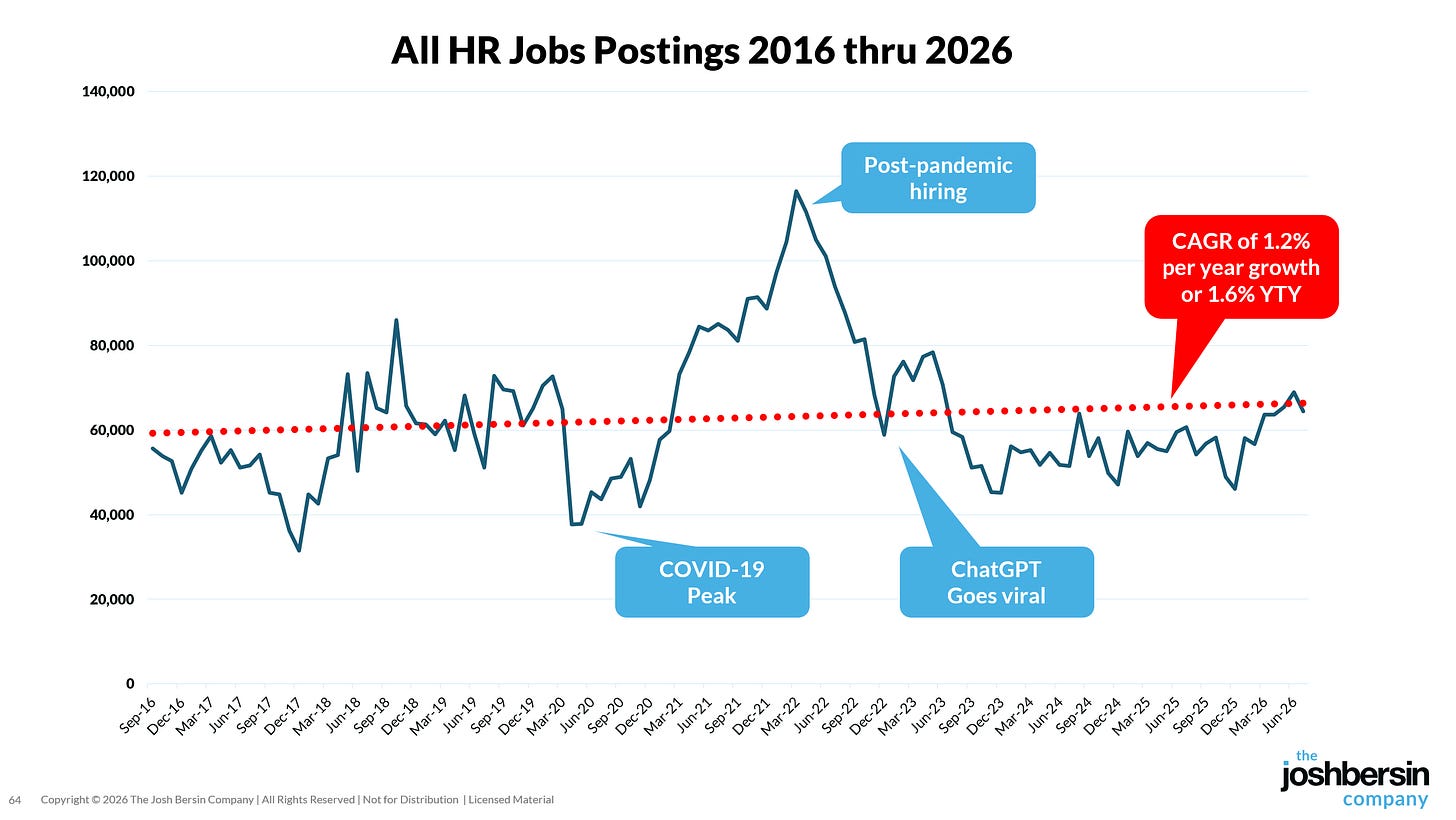
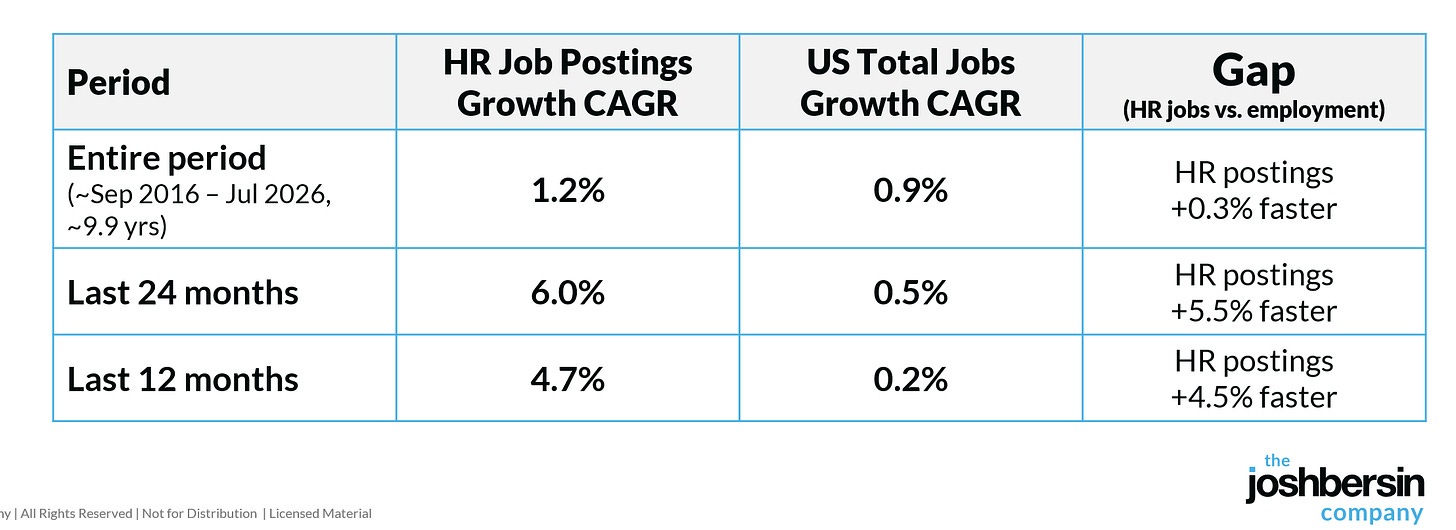
Contrary to the notion of HR’s decline, empirical evidence points towards a burgeoning demand for HR professionals. Analysis of job posting data over the past two decades, encompassing roles from recruiters and training specialists to HR technology experts and general HR professionals, reveals a steady compound annual growth rate of approximately 1.2%. This growth, while significant, becomes even more compelling when examining the most recent period.
In the last 24 months, a timeframe coinciding with the rapid, albeit nascent, development of Artificial Intelligence (AI) and its integration into business operations, the growth rate in HR job postings has surged to an impressive 6%. This recent acceleration is particularly noteworthy, as it directly challenges the narrative that AI is poised to replace human capital management functions.
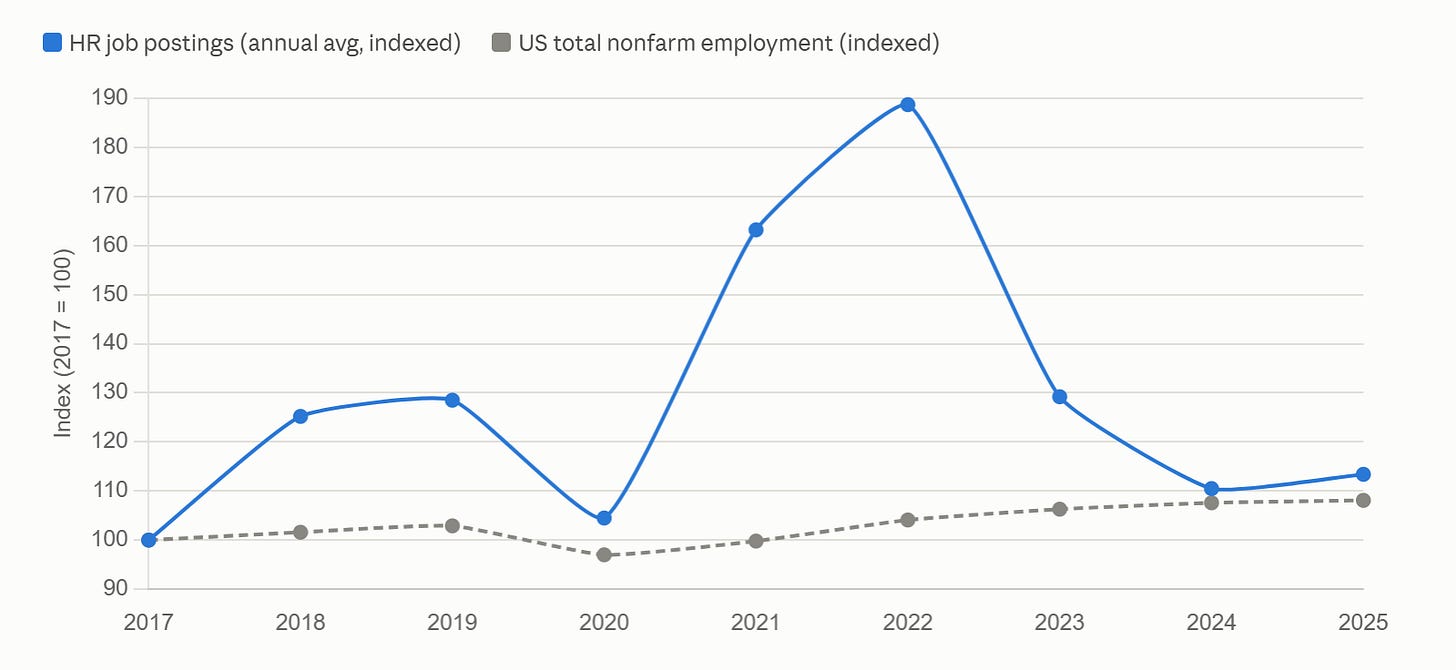
To put this growth into perspective, it is crucial to compare it against the overall growth of the U.S. workforce. The data unequivocally shows that HR jobs are expanding at a faster rate than total employment. This suggests that organizations are not reducing their investment in HR; rather, they are increasing it, albeit with a shift in the nature of the roles and responsibilities.
A Visualizing the Trend: Job Postings and Workforce Comparison
The trends are visually represented in charts that illustrate the compound annual growth of HR job postings over a 20-year period, showing a consistent upward trajectory. Further graphical representations highlight the recent acceleration in HR job growth compared to the broader U.S. workforce expansion. These visuals underscore a critical point: the number of HR professionals relative to the total number of employees is increasing.
Beyond Job Numbers: The Rise in HR Salaries
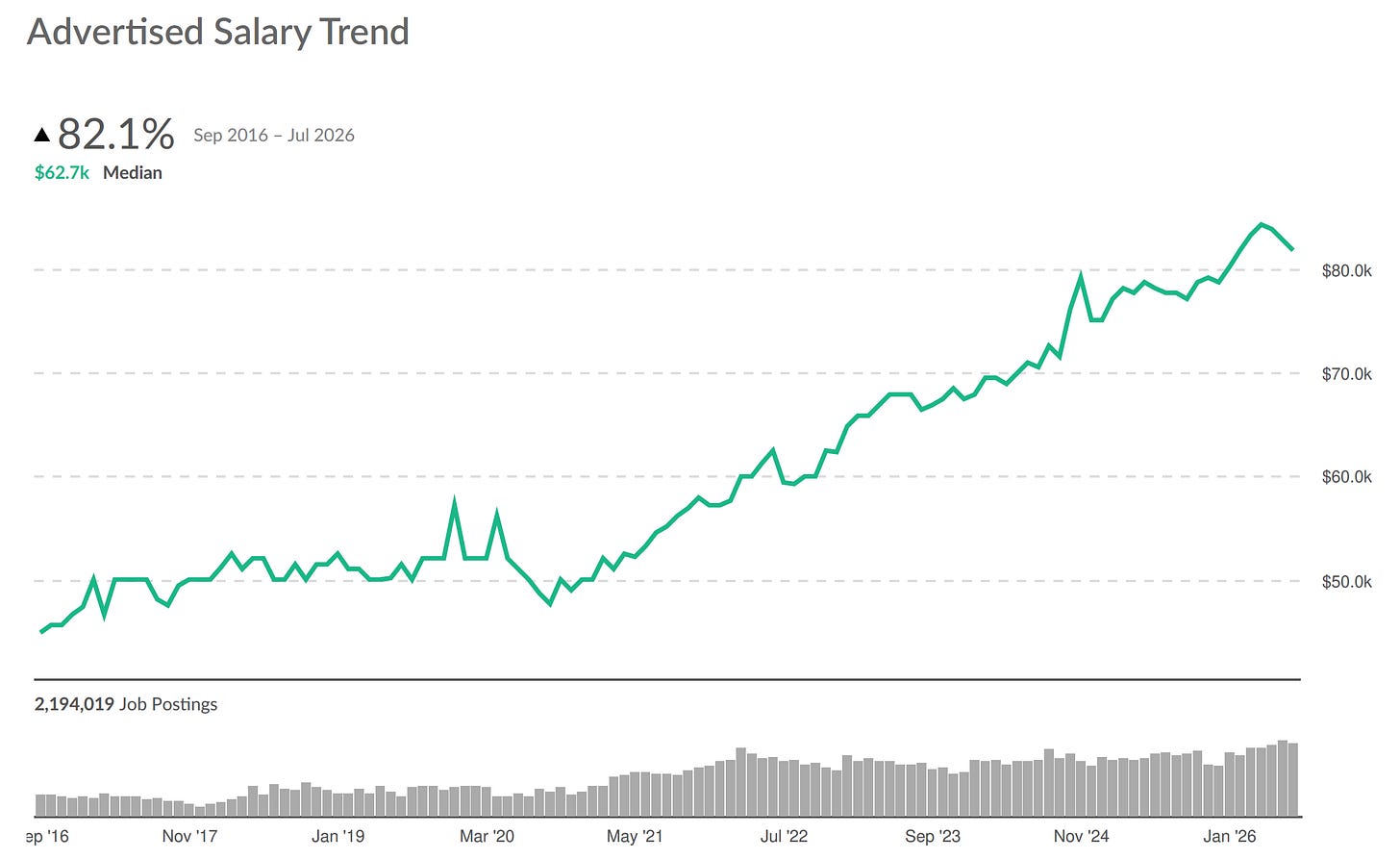
The positive trend extends beyond mere job creation; it is also reflected in compensation. Analysis of HR salaries reveals a substantial increase, outpacing inflation. Over the observed period, HR salaries have risen by an average of 82%, equating to a compound annual growth rate of 3.1%. This growth significantly exceeds the U.S. inflation rate of 66%, or 2.1% per year, during the same timeframe. This indicates that HR professionals are not only in higher demand but are also experiencing real wage growth, a trend not universally observed across all professions. This upward trend in compensation suggests a growing recognition of the value and strategic importance of HR functions within organizations.
The Transformation, Not Extinction, of HR Roles
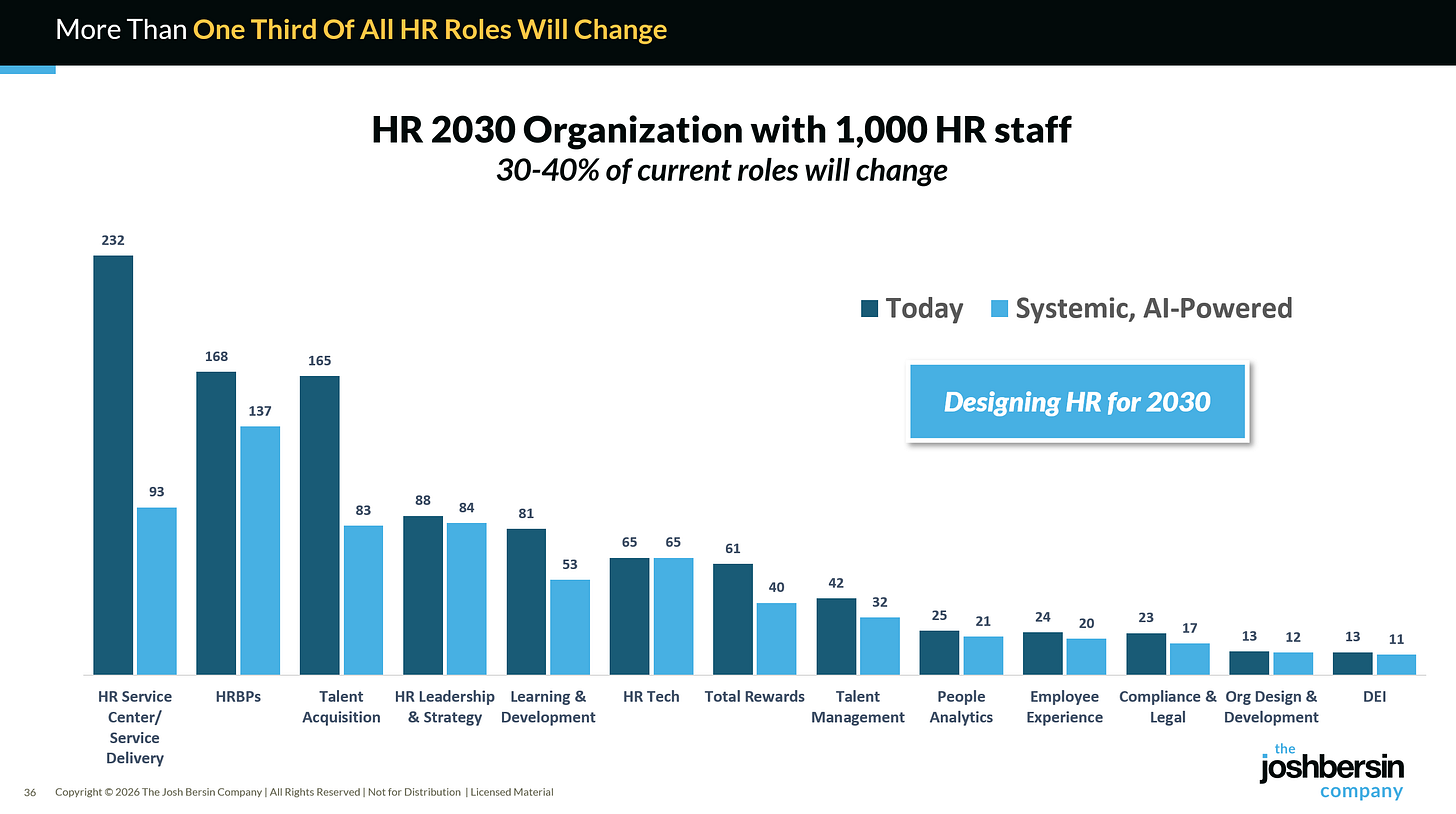
The apparent paradox of increasing demand for an allegedly "automatable" profession can be attributed to a fundamental transformation of the HR role itself. The jobs that are indeed declining are those that were primarily administrative and process-oriented, characteristic of the industrial age. These include roles such as HR administrators, HR assistants, recruiting coordinators, and training administrators. These positions, which historically constituted an estimated 30-40% of the HR workforce, focused on the day-to-day management of hiring, payroll, training, and employee support processes.
However, these administrative functions are increasingly being augmented or replaced by advanced technologies, including AI. This automation frees up HR professionals to engage in more strategic, value-added activities. The roles that are growing and evolving are those that require higher-level skills, critical thinking, and human interaction.
Evolving HR Responsibilities: From Administration to Strategic Partnership
The nature of HR work is shifting dramatically. HR service center agents and HR business partners are now tasked with handling more complex employee relations issues, providing in-depth support for performance management, and addressing nuanced employee needs that go beyond routine administrative queries. For instance, at large organizations like Walmart and Standard Chartered, HR personnel are transitioning from answering basic onboarding and benefits questions to engaging in more sophisticated problem-solving related to employee development and well-being.
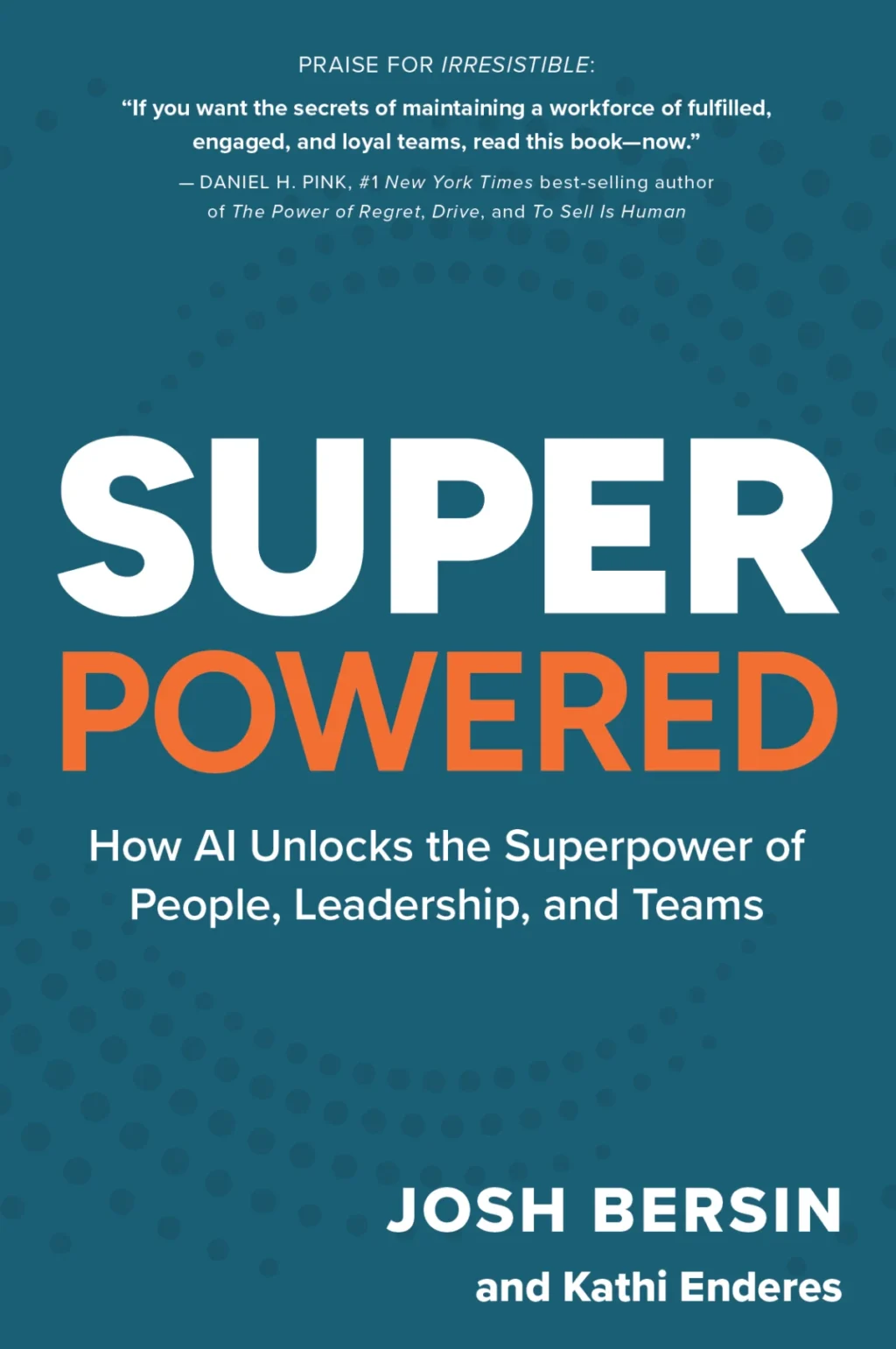
Similarly, Learning and Development (L&D) managers and instructional designers are evolving into "Superworkers," as described in recent research and upcoming publications. Instead of spending months developing lengthy courses, they are now creating agile, real-time support tools, simulations, and concise video content that can be immediately utilized by sales, support, and engineering teams. Companies like Travelers and Polestar are embracing this shift, prioritizing rapid deployment of practical learning resources.
Talent acquisition teams are also undergoing a significant evolution. Recruiting coordinators and schedulers are being redeployed into more active interviewing roles. Furthermore, these teams are leveraging data analytics to more effectively identify top candidates and enhance the candidate experience. The demand for recruiting roles remains high, with many organizations shifting back towards in-person interviews to mitigate candidate fraud and secure higher-quality talent, a process where AI interviewers have not yet proven as effective as initially anticipated.
Internal analytics, compensation analysis, and employee engagement teams are also seeing a change in focus. Their work is moving away from traditional survey design and benchmark analysis towards real-time data interpretation derived from within their own organizations. This allows for a more proactive and immediate understanding of employee sentiment and retention drivers, reducing reliance on external consultants for such insights.
HR Business Partners, in companies such as Panasonic and Accenture, are being elevated to senior consultant roles. They are increasingly leveraging advanced HR technology, like the Galileo AI platform, to provide immediate support to leaders, managers, and employees seeking policy information or advice, thereby streamlining access to critical organizational knowledge.
The AI Paradigm: Empowerment, Not Replacement
The overarching theme emerging from this data is that AI is not a force for job elimination in HR, but rather an enabler of empowerment. AI is automating routine tasks, allowing HR professionals to dedicate more time and expertise to strategic initiatives. This aligns with the broader observation that AI is transforming, rather than destroying, jobs across various sectors.
The future of HR lies in its ability to adapt and leverage these technological advancements. The profession is inherently positioned to lead change management, employee development, and organizational redesign – precisely the skills needed to navigate the evolving workplace. The persistent narrative of HR’s redundancy is not supported by the empirical evidence, which points to a profession that is not only surviving but thriving and becoming increasingly vital to organizational success.
Looking Ahead: The Strategic Imperative of HR
As organizations continue to face complex challenges related to talent acquisition, employee engagement, skill development, and organizational culture, the role of a strategic HR function becomes paramount. The data strongly suggests that HR professionals who embrace technological integration, develop advanced analytical capabilities, and cultivate strong business acumen will be indispensable. The evolution of HR from an administrative function to a strategic partner is not merely a trend but a necessary adaptation for businesses aiming to succeed in the modern economy. The emphasis is shifting from managing processes to cultivating human potential and driving organizational effectiveness through people.
This transformation positions HR as a critical driver of business strategy, equipped with the tools and insights to foster innovation, enhance employee experience, and ensure organizational resilience in an era of unprecedented change. The insights from this analysis are further detailed in upcoming research and publications, underscoring the dynamic and expanding future of the human resources profession.







