
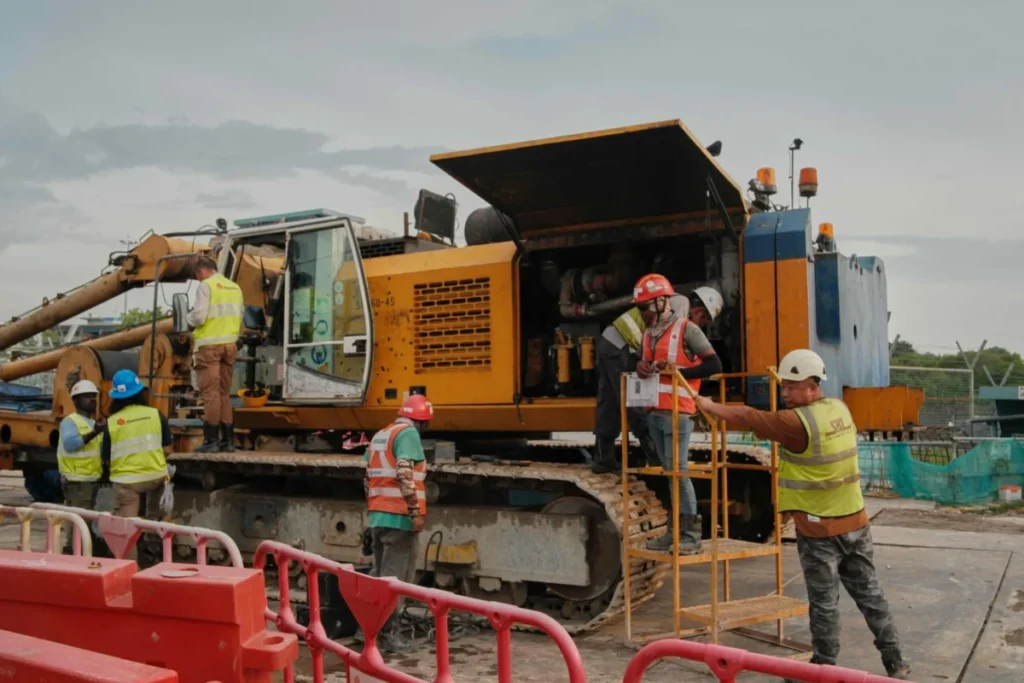
The construction industry, a cornerstone of global infrastructure and economic development, operates under unique and demanding pressures when it comes to talent acquisition. The cyclical nature of projects necessitates rapid scaling of workforces, while geographic expansion introduces complex logistical challenges for recruitment teams. Compounding these issues is the pervasive shortage of skilled trades professionals, a demographic trend that has been escalating for years and shows no signs of abating. In this high-stakes environment, efficiency, reach, and precision in hiring are not merely advantages but necessities for survival and growth. It is against this backdrop that technology solutions, particularly Applicant Tracking Systems (ATS), have emerged as critical enablers. Workable, a prominent player in the ATS market, has established a robust track record within the construction sector, evidenced by its adoption by industry leaders such as Consigli Construction, Valard Construction, Elite Construction Solutions, and Hoffmann Brothers. These companies, operating across diverse segments from heavy utility infrastructure to commercial roofing and residential services, illustrate the profound impact of a streamlined, technologically advanced approach to recruitment. Their experiences underscore how a centralized platform can address the core challenges of volume, speed, and geographical reach, transforming what was once a bottleneck into a strategic advantage.
The Urgent Demand for Talent in Construction: A Sector Under Pressure
The construction industry is experiencing a period of unprecedented demand, driven by factors ranging from ambitious infrastructure projects and a burgeoning housing market to the ongoing need for commercial and industrial development. According to a 2023 analysis by the Associated Builders and Contractors (ABC), the U.S. construction industry alone will need to attract nearly 546,000 additional workers in 2023 to meet demand, on top of the normal pace of hiring. This figure highlights a persistent and widening skilled labor gap that has plagued the sector for over a decade. The challenge is multifaceted: an aging workforce is retiring faster than new entrants are joining, vocational training programs struggle to keep pace with technological advancements, and the perception of construction as a career path often lags behind other industries.
For construction firms, this translates into intense competition for talent, increased time-to-hire, and escalating recruitment costs. Manual processes involving disparate spreadsheets, email threads, and phone calls become unmanageable when dealing with hundreds or even thousands of applications across multiple job sites and specialized roles. The need for agility is paramount; crews must scale up quickly for new projects and adjust size as phases complete, making rapid and effective recruitment a continuous operational requirement. Furthermore, expanding into new geographical markets means replicating recruitment efforts, often from scratch, in unfamiliar talent landscapes, which can be both time-consuming and expensive. The very nature of construction—project-based, labor-intensive, and geographically dispersed—demands a sophisticated, scalable, and centralized hiring solution.
Workable: A Strategic Partner in Construction Recruitment
Workable’s success in the construction sector stems from its ability to directly address these inherent industry challenges. As an Applicant Tracking System, it provides a comprehensive suite of tools designed to streamline every stage of the hiring process, from job posting and candidate sourcing to screening, interviewing, and onboarding. For construction companies, this translates into several critical benefits:
- Centralized Management: All hiring activities are consolidated onto a single platform, providing a unified view of candidates and job requisitions across all projects and locations.
- Automated Workflows: Repetitive tasks, such as initial candidate communication, scheduling, and feedback collection, are automated, freeing up recruiters to focus on strategic engagement.
- Enhanced Sourcing: Integration with a wide array of job boards and social media platforms maximizes reach, while a built-in candidate database allows for proactive talent pooling.
- Improved Candidate Experience: Modern career pages and timely communication reduce candidate drop-off rates, a common issue in high-demand fields.
- Data-Driven Insights: Analytics provide valuable metrics on time-to-hire, cost-per-hire, source effectiveness, and retention, enabling continuous optimization of recruitment strategies.
The following case studies offer compelling evidence of how Workable translates these capabilities into tangible business outcomes for diverse construction companies.
A Decade of Growth: Valard Construction’s Journey with Workable
Valard Construction, a leading Canadian utility contractor specializing in power line infrastructure, exemplifies the long-term strategic partnership Workable fosters. For a full decade, Valard has entrusted its entire hiring lifecycle to the Workable platform, navigating significant workforce fluctuations—from approximately 1,100 to 2,000 employees—and maintaining a consistent hiring volume of 200 to 250 new recruits annually. This sustained reliance on Workable underscores its adaptability and robustness in managing high-volume, dynamic recruitment needs typical of large-scale infrastructure projects.
- Pre-Workable Challenges: Before implementing Workable, Valard faced a common industry predicament: an "archaic" job site and cumbersome manual processes. Such systems often lead to a poor candidate experience, slow response times, and a lack of transparency. Critically, the issue of candidate "ghosting"—where skilled trades professionals apply for positions but then cease communication or fail to show up for interviews or first days—was a persistent and costly problem. This phenomenon is particularly acute in competitive sectors where candidates often have multiple offers and a strong negotiating position. The lack of automated, consistent communication channels exacerbated this problem, making it difficult for Valard to maintain engagement with promising candidates.
- Implementation and Key Features Utilized: Valard’s adoption of Workable was driven by the need for a modernized, efficient, and candidate-friendly hiring system. The platform’s automated candidate communication features proved to be a game-changer. By providing timely updates, scheduling reminders, and personalized messages, Workable significantly reduced the instances of ghosting, ensuring a smoother and more reliable candidate journey. Furthermore, the ability to build and maintain a professional, easily navigable careers page directly integrated with the ATS replaced their outdated system, enhancing their employer brand and making it easier for candidates to find and apply for jobs.
- Quantifiable Outcomes and Strategic Impact: Over ten years, Valard’s consistent use of Workable has not only facilitated the scaling of its workforce but also solidified its reputation as an employer that values efficiency and communication. While specific percentage improvements were not detailed in the summary, the decade-long tenure and the ability to manage significant workforce swings (almost doubling their employee base at peak) with a steady annual hiring rate speak volumes about the platform’s operational impact. It allowed Valard to remain competitive in a fiercely contested talent market for specialized utility workers, ensuring critical projects were adequately staffed without compromising on quality or efficiency.
- Inferred Leadership Perspective: A representative from Valard’s HR or operations leadership would likely emphasize that Workable became an indispensable tool, evolving with their business needs. They would probably highlight the platform’s role in not just recruiting, but also in supporting workforce planning and ensuring continuity across vast geographical project sites in Canada. The long-term partnership signifies trust in Workable’s reliability and its ongoing capacity to meet the complex demands of large-scale utility construction.
Transforming Efficiency: Elite Construction Solutions Achieves Record Hiring and Retention
Elite Construction Solutions, a commercial roofing and general contracting company, faced the challenges of rapid geographic expansion and the inherent need to scale its workforce efficiently across eight distinct U.S. markets. Their story is one of swift implementation leading to dramatic improvements in hiring volume, cost efficiency, and crucial new-hire retention.
- Market Expansion and Scaling Challenges: Expanding into multiple markets simultaneously presents a significant hurdle for any recruiting team. Each new location requires understanding local talent pools, complying with regional regulations, and establishing new sourcing channels. Before Workable, Elite Construction Solutions likely grappled with fragmented recruiting efforts, inconsistent processes across markets, and a struggle to keep pace with the demand for skilled roofers and general contractors. Their annual hires of 129 suggest a respectable but potentially strained capacity for their growth ambitions.
- Rapid Deployment and Performance Metrics: A key highlight of Elite’s experience was the speed of Workable’s implementation, going live in less than a week. This rapid deployment allowed for an immediate impact on their operations. The results were stark: annual hires surged by 78%, from 129 to over 230, demonstrating Workable’s capacity to significantly increase recruitment throughput. Even more impressively, the cost per hire plummeted by 41%, from an average of $3,400 to a mere $2,000. This substantial reduction in cost, while simultaneously increasing hiring volume, points to a dramatically more efficient and targeted recruitment strategy. Furthermore, new-hire retention improved by 20%, a critical metric in an industry notorious for high turnover. These achievements were realized without expanding the existing recruiting team, underscoring the profound productivity gains facilitated by the ATS.
- The Ripple Effect on Business Operations: The implications of these improvements extend beyond the HR department. Higher retention rates mean reduced training costs, increased team cohesion, and improved project continuity. A lower cost per hire directly impacts the company’s bottom line, freeing up resources that can be reinvested into growth, technology, or employee development. The ability to increase hiring volume with the same team means Elite could support its aggressive expansion plans without the proportional increase in administrative overhead.
- Recruitment Team’s Experience: The recruiting team at Elite Construction Solutions would likely attest to a significant reduction in administrative burden, allowing them to focus on more strategic activities such as candidate engagement, relationship building, and proactive sourcing. The streamlined workflows and centralized platform would have provided them with better control and visibility over their hiring pipeline across all eight markets, ensuring consistency and efficiency. The ability to achieve such remarkable results with the existing team speaks volumes about Workable’s intuitive design and powerful automation capabilities.
Diversifying Talent Pipelines: Hoffmann Brothers’ Modernized Approach
Hoffmann Brothers, a substantial residential and commercial contractor offering HVAC, plumbing, and electrical services with over 500 employees, illustrates how Workable can transform a company’s sourcing strategy from a narrow, dependent model to a diversified, cost-effective, and proactive approach.
- Overcoming Single-Source Reliance: Before Workable, Hoffmann Brothers relied heavily on a single sponsored Indeed post for its hiring needs. While Indeed is a powerful platform, exclusive reliance on any single source carries inherent risks: vulnerability to changes in platform pricing or algorithms, limited reach to diverse talent pools, and a reactive rather than proactive sourcing strategy. For specialized trades like HVAC technicians, plumbers, and electricians, finding qualified candidates requires casting a wider net.
- Leveraging Multi-Channel Sourcing and Database Creation: Within days of going live on Workable, Hoffmann Brothers transitioned from this single-source dependency to posting job requisitions across more than 20 different job boards. This multi-channel approach significantly broadened their reach, attracting a more diverse pool of candidates and increasing their chances of finding highly specialized talent. Crucially, Workable enabled them to build a searchable resume database for the first time. This feature is invaluable for long-term talent strategy, allowing recruiters to quickly search for past applicants who might be a good fit for current or future roles, effectively creating an internal talent pool. This capability shifts recruitment from a purely reactive process to a more proactive and strategic one.
- Cost Savings and Quality of Hire: By diversifying their sourcing channels, Hoffmann Brothers were able to cut down on what they spent sponsoring listings on individual job boards. This is a direct result of increased efficiency: by reaching more candidates organically or through less expensive channels, they reduced the need for costly premium placements. The inferred benefit is not just cost savings but also an improvement in the quality of hire, as a wider pool of candidates generally translates into more selective hiring decisions.
- Industry Context for Specialized Trades: The challenge for companies like Hoffmann Brothers is particularly acute due to the severe shortage of skilled trades in HVAC, plumbing, and electrical fields. These roles require specific certifications, extensive training, and hands-on experience, making the talent pool smaller and more competitive. Workable’s ability to streamline outreach to multiple niche job boards (e.g., trade-specific sites) and manage candidate relationships effectively is therefore critical for securing these in-demand professionals.
- Inferred Spokesperson Statement: A representative from Hoffmann Brothers would likely highlight the newfound strategic flexibility and cost control. They might state, "Workable revolutionized how we find and engage with talent. We’re no longer putting all our eggs in one basket, and the ability to build our own searchable talent database means we’re proactively planning for our workforce needs, rather than just reacting to immediate openings. The cost savings on sponsored listings are a tangible bonus, allowing us to invest more in our employee development programs."
The Broader Landscape: Challenges and Opportunities in Construction Hiring
The experiences of Valard, Elite, and Hoffmann Brothers are not isolated incidents but rather microcosms of a larger industry trend. The construction sector faces ongoing demographic shifts, technological advancements, and economic pressures that necessitate a modern approach to talent acquisition.
- The Skilled Trades Shortage: A National Imperative: The Bureau of Labor Statistics projects continued growth in construction occupations over the next decade. However, the average age of a skilled trades worker is often higher than the national average, signaling a looming retirement wave. Bridging this gap requires concerted efforts in vocational training, apprenticeship programs, and, critically, efficient recruitment processes to capture available talent. An ATS like Workable plays a pivotal role in connecting with this talent, wherever they may be.
- The Cost of Inefficient Hiring: Beyond the direct cost per hire, inefficient recruitment processes carry significant hidden costs: lost productivity due to open positions, increased workload on existing staff, delayed project completion, and higher turnover rates from poor cultural fit. These factors can erode profitability and damage a company’s reputation. The demonstrated improvements in retention and time-to-hire by Workable users directly mitigate these risks.
- Technological Adoption: A Competitive Edge: While traditionally seen as a manual industry, construction is increasingly embracing technology, from BIM (Building Information Modeling) and drones to advanced project management software. Talent acquisition technology, therefore, is a natural and necessary extension of this digital transformation. Companies that leverage robust ATS platforms gain a significant competitive edge by being able to attract, engage, and onboard top talent faster and more cost-effectively than their less technologically advanced competitors. This not only ensures project delivery but also fosters innovation and growth.
Workable’s Vision: Empowering the Future of Construction Workforce Management
Workable’s continued investment in features tailored to industries like construction underscores its commitment to solving complex hiring challenges. The platform’s intuitive interface, robust integrations, and emphasis on candidate experience are designed to appeal to both recruiters and applicants, ensuring that the technology serves as an enabler rather than a barrier. The success stories from Valard, Elite, and Hoffmann Brothers are not just testimonials to Workable’s capabilities but also a testament to a broader shift in how the construction industry views talent acquisition—moving from a reactive, administrative function to a proactive, strategic imperative.
The broader implication is that technology like Workable is not merely a tool for HR, but a strategic asset that impacts operational efficiency, financial performance, and long-term business sustainability for construction firms. By automating mundane tasks, centralizing data, and broadening talent outreach, Workable enables construction companies to build resilient, skilled workforces capable of tackling the demands of today’s complex projects and adapting to the challenges of tomorrow.
Strategic Imperatives for Construction Firms
For construction companies looking to thrive in a competitive talent landscape, the lessons from these case studies are clear:
- Embrace Technology: Investing in a robust ATS is no longer optional but essential for managing high-volume, geographically dispersed hiring needs.
- Prioritize Candidate Experience: In a candidate-driven market, a smooth, communicative, and respectful application process is critical for attracting and retaining top talent.
- Diversify Sourcing: Relying on a single job board or traditional methods limits reach. A multi-channel approach is key to accessing diverse talent pools and reducing costs.
- Leverage Data: Utilize recruitment analytics to identify bottlenecks, optimize strategies, and make data-driven decisions about where to invest recruiting efforts.
- Focus on Retention: Recruitment doesn’t end with a hire. Improving new-hire retention through better onboarding and engagement strategies directly impacts long-term cost savings and productivity.
The proven success of companies like Valard Construction, Elite Construction Solutions, and Hoffmann Brothers demonstrates that with the right technological partner, the construction industry can overcome its most pressing talent challenges, build stronger teams, and construct a more prosperous future.
Exploring Workable’s Solutions
Construction firms interested in mirroring these successes are encouraged to explore the Workable platform. A 15-day free trial is available to experience the full suite of features firsthand. Alternatively, companies can request a personalized demo to understand how Workable can be specifically tailored to their unique hiring processes and strategic objectives. Starting a free trial is a straightforward step towards transforming construction talent acquisition.






