
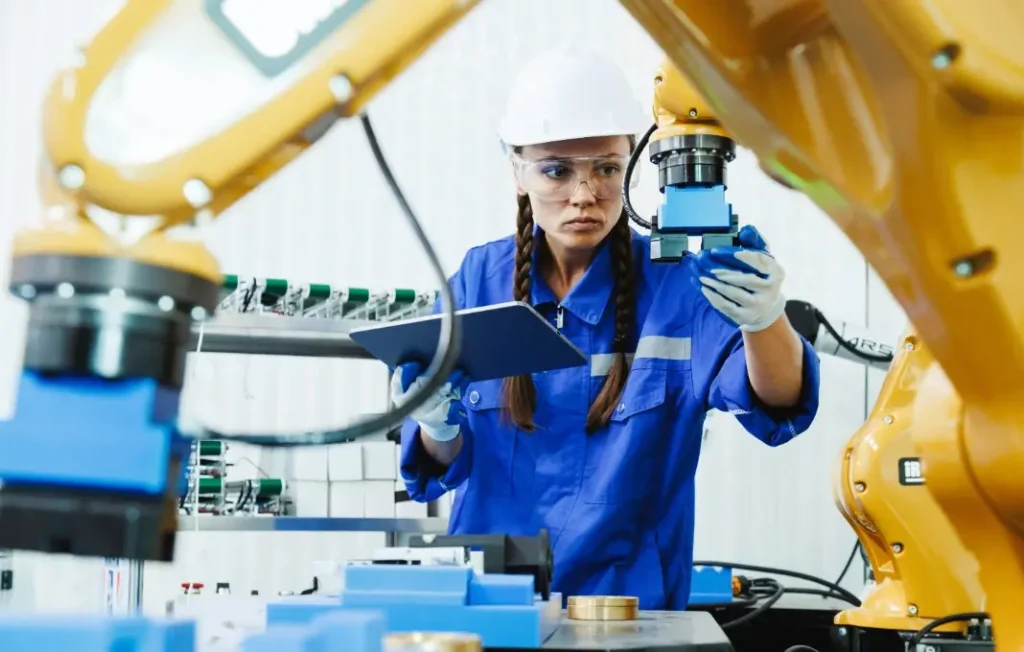
The United States manufacturing sector, navigating a period of profound transformation, is shifting its focus from a nostalgic return to bygone employment models to a forward-looking strategy centered on cultivating a workforce adept at leveraging advanced technologies. This paradigm shift is underscored by substantial investments in smart manufacturing and digital solutions, aimed at enhancing operational efficiency and resilience in the face of ongoing industry disruptions. A significant indicator of this trend is a recent survey projecting that a commanding 80 percent of manufacturing executives intend to allocate at least 20 percent of their improvement budgets toward smart manufacturing tools and technologies by 2025. This proactive stance reflects a deep-seated understanding that sustained growth and competitiveness will not be achieved by merely reinstating past roles, but by empowering workers with the skills to harness the full potential of increasingly sophisticated machinery and digital platforms.
The Manufacturing Employment Paradox: A Shifting Landscape
Despite a clear industry-wide ambition to bolster domestic manufacturing capabilities through enhanced capacity and technologically augmented employee productivity, the employment landscape presents a complex challenge. Between January 2025 and January 2026 alone, the U.S. manufacturing sector experienced a net loss of approximately 103,000 jobs. This decline, according to various industry analyses, can be attributed to a confluence of factors including the imposition of tariffs, subdued consumer demand, inherent productivity constraints within existing operational frameworks, and pervasive economic uncertainty. While these diagnostics illuminate the challenges, they do not, however, offer a clear, actionable roadmap for revitalization. The critical question remains: what kind of employment opportunities are being cultivated for the future of American manufacturing? The consensus emerging from industry leaders and analysts is that the sector’s long-term viability will not be determined by a nostalgic pursuit of lost jobs, but by its capacity to build a workforce that can effectively integrate and maximize the utility of advanced tools and technologies. Manufacturers that successfully marry investments in digital solutions with a robust commitment to strengthening their workforce’s requisite skills are poised to emerge as the leaders in this evolving industrial era.
Automation’s Dual Impact: Headcount Reduction and Skill Demand Augmentation
The integration of smart manufacturing technologies is not merely an incremental upgrade; it is a fundamental transformation of the factory floor. A substantial 92 percent of manufacturers, according to a Deloitte report, perceive smart manufacturing as the primary driver of their competitiveness over the next three years, fueling an accelerated pace of strategic technology investments. This has translated into the widespread adoption of automation, artificial intelligence (AI), and sophisticated smart factory systems. These technologies are being embedded into existing infrastructure with the overarching goal of streamlining processes, enhancing operational fluidity, and ultimately improving overall performance metrics.
A notable byproduct of this accelerated investment in AI and automation is a projected reduction in reliance on purely manual manufacturing roles. Concurrently, this shift is creating a surge in demand for roles that are more connected, data-driven, and require a higher degree of analytical insight. As traditional production-centric jobs become less prevalent, there is a concomitant rise in the need for workers skilled in data literacy, AI-augmented maintenance, advanced quality control, and intricate process management. This evolution is not arbitrary; the benefits of advanced manufacturing technologies are well-documented and demonstrably impactful. Early adopters of smart manufacturing have reported improvements in production output ranging from 10 to 20 percent, employee productivity gains between 7 and 20 percent, and an unlocking of capacity by 10 to 15 percent.
However, the realization of these significant benefits—including productivity gains, cost reductions, and enhanced quality—is intrinsically linked to the workforce’s ability to adapt and keep pace with the rapid advancements in technology. The efficacy of digital solutions is not solely dictated by the number of employees on a payroll, but rather by the depth and breadth of solution-specific skills possessed by each individual worker. Therefore, maximizing the return on growing investments in manufacturing technology hinges critically on empowering the existing workforce and actively addressing the burgeoning digital skills gap.
Bridging the Manufacturing Skills Gap: A Strategic Imperative
Closing the skills gap in the manufacturing sector requires a concerted effort to address deeply ingrained structural workforce challenges. An aging demographic within the manufacturing workforce, coupled with earlier retirement trends and a persistent shortage of qualified young talent entering the field, has led to a chronic issue of unfilled positions. This exacerbates the impact of ongoing job losses and creates a critical bottleneck for industry growth. While the allure of automating these roles with advanced technologies might seem like a straightforward solution, the current reality is that full-scale automation of all production tasks is not yet a universally viable option.
Although AI integrations at the floor level are continuously advancing in sophistication and capability, they are not yet sufficiently mature to independently manage the entirety of complex production processes. Contemporary AI solutions function most effectively when a human operator is present to oversee operations, interpret results, and provide the nuanced judgment necessary for optimal outcomes. Instead of complete automation, AI is proving to be an invaluable tool for augmenting the capabilities of existing staff. By reducing cognitive load and accelerating the process of informed decision-making, AI can significantly enhance worker performance, provided that these workers possess the requisite skills to interact with and utilize these advanced systems effectively.
To facilitate this synergistic integration of AI and human expertise, manufacturers must prioritize the evolution of frontline roles rather than their wholesale replacement or elimination. This necessitates comprehensive training programs that equip workers not only with the technical proficiency to operate new tools and understand the workings of digital solutions but also with the critical judgment to discern when and how to apply these technologies within the broader manufacturing processes. The core competencies that upskilled workers will need to cultivate include:
- Data Interpretation and Analysis: The ability to understand and derive actionable insights from the vast amounts of data generated by smart manufacturing systems.
- Digital Literacy and Software Proficiency: A foundational understanding of digital tools, software interfaces, and the ability to navigate and operate various digital platforms.
- Problem-Solving and Critical Thinking: Enhanced capacity to identify, analyze, and resolve complex issues that may arise during automated or semi-automated production.
- Adaptability and Continuous Learning: A mindset geared towards embracing new technologies and consistently updating skills to match evolving industry standards.
- Collaboration and Communication: Effective teamwork and clear communication, particularly when working alongside AI systems and diverse teams.
Furthermore, workers will require specialized training in solution-specific skills and processes to ensure they are maximizing the return on investment in the advanced tools their companies are procuring. This granular approach to skill development is paramount for achieving the full operational potential of digital manufacturing.
Cultivating the Smart Manufacturing Talent Pipeline: A Strategic Investment
Building these essential skills within the existing workforce demands an intentional and strategic approach to upskilling. This is not a one-time endeavor but an ongoing commitment. Initial pre-deployment training is crucial for enabling teams to quickly acclimate to new solutions as they are introduced. However, regular post-deployment sessions are equally vital to ensure that workers remain abreast of the latest capabilities and updates to digital manufacturing solutions.
A progressive strategy involves integrating continuous evaluation and upskilling initiatives directly with key production performance indicators. Metrics such as "time-to-proficiency"—the duration it takes for a worker to become fully competent with a new technology—and "total adoption"—the extent to which a technology is integrated into daily workflows—should be tracked and measured as specific, intentional business outcomes. By reorienting training and upskilling efforts to function as core, quantifiable business goals, manufacturers can ensure consistent prioritization, alignment across teams, and a measurable impact on operational efficiency.
Strategic partnerships also serve as a powerful force multiplier in addressing the skills gap. The challenge of bridging the technological skills divide is an industry-wide concern that cannot be effectively tackled by any single manufacturer or isolated academic program. Collaborative efforts and knowledge sharing represent the most efficient and sustainable path forward. By fostering collaborations with industry peers, academic institutions, technical colleges, and specialized engineering programs, manufacturers can collectively elevate digital literacy across the entire sector, rather than concentrating improvements within the confines of a single organization. This inter-organizational synergy can create a robust talent pipeline and establish industry-wide best practices for skill development.
The Competitive Edge: Embracing the Data-Driven Manufacturer
As the manufacturing workforce increasingly embraces data-driven methodologies and analytical approaches, the demand for new digital skillsets is projected to escalate. Manufacturers must proactively prepare their workforce for these inevitable changes, rather than reacting impulsively by adopting new tools without providing the necessary commensurate training. A foundational element in successfully operationalizing smart technology on the factory floor is the establishment of a connected, consistent industrial data infrastructure layer that makes these advanced solutions accessible and usable.
The success of any deployment of these interconnected solutions will ultimately depend on how effectively manufacturers equip their teams with the skills needed to collaborate seamlessly with AI and other digital innovations. Those organizations that prioritize early investment in data, analytics, and AI-ready talent—not solely focusing on the acquisition of data, analytics, and AI solutions themselves—will be best positioned to achieve significant improvements in productivity, enhance operational resilience, and drive sustainable, long-term growth. This strategic foresight in talent development, coupled with technological advancement, will define the leaders in the next era of American manufacturing.








